
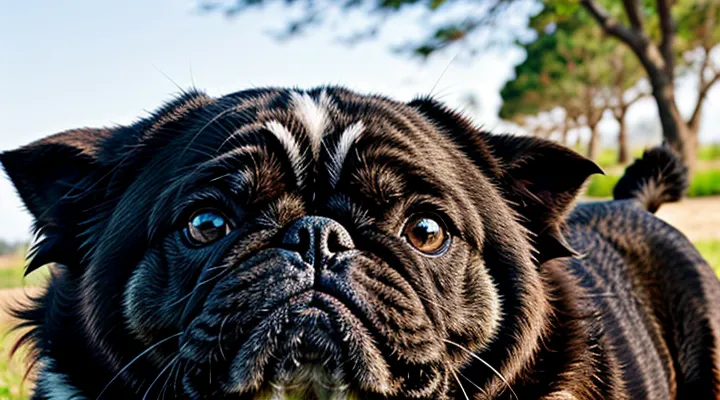
Understanding Brachycephalic Facial Folds
What are Facial Folds?
Anatomy of facial folds
Facial folds in brachycephalic dogs consist of skin that extends over underlying soft‑tissue structures, forming pronounced creases around the muzzle, eyes, and chin. The folds are not merely superficial; they contain multiple anatomical layers that influence hygiene, susceptibility to infection, and therapeutic interventions.
The basic composition of each fold includes:
- Epidermis and dermis, often thickened and pigmented, providing the outer barrier.
- Subcutaneous connective tissue rich in collagen and elastin, which determines fold depth and elasticity.
- Muscular fascia, primarily the facial expression muscles (e.g., levator labii, orbicularis oculi) that modulate tension during jaw movement and facial expression.
- Underlying skeletal elements, such as the maxilla and mandible, that define the fold’s contour and limit its expansion.
Prominent folds in brachycephalic breeds are:
- Nasolabial fold, extending from the nostrils to the upper lip.
- Periorbital fold, surrounding the eyes and often merging with the eyelid margin.
- Mandibular fold, encircling the lower jaw and chin.
Arterial supply derives mainly from branches of the facial artery, providing perfusion to the dermal and subdermal layers. Venous drainage follows the facial vein, facilitating waste removal and temperature regulation. Lymphatic vessels accompany these vessels, draining into the mandibular lymph nodes, which are critical for immune surveillance within the folds.
Sensory innervation is provided by branches of the trigeminal nerve (V2 and V3), delivering tactile and nociceptive feedback. This innervation explains the heightened sensitivity of the folds to irritation, debris accumulation, and topical treatments.
Understanding this multilayered architecture allows precise cleaning techniques, targeted medication placement, and early detection of pathological changes in brachycephalic facial folds.
Common locations on brachycephalic breeds
Brachycephalic dogs possess characteristic skin folds that concentrate around specific anatomical regions. Recognizing these areas is essential for effective management and prevention of dermatological complications.
- Nasal bridge and muzzle: deep creases between the nose and upper lip often trap debris.
- Periocular region: excess skin around the eyes forms a pronounced fold that can obstruct tear drainage.
- Labial margin: the lower lip frequently overlaps the chin, creating a pouch prone to moisture accumulation.
- Cervical area: a loose neck skin fold extends from the jawline to the thorax, especially in English Bulldogs and Pugs.
- Preauricular zone: skin folds adjacent to the ears may collect wax and hair.
Each of these locations requires routine inspection, gentle cleaning with a saline solution, and thorough drying to maintain skin integrity. Prompt removal of irritants and regular monitoring reduce the risk of infection, dermatitis, and secondary ulceration. Veterinary guidance should be sought when inflammation, discharge, or odor develop, as targeted therapy may be necessary.
Why Facial Folds are a Concern
Predisposition to skin infections
Brachycephalic dogs possess deep, moist folds that create an environment where bacteria and yeast thrive. The tight skin-to-skin contact limits airflow, raises humidity, and traps debris, all of which accelerate microbial growth. Genetic predisposition, excessive skin laxity, and chronic moisture combine to make these folds a common site for dermatitis, pyoderma, and secondary fungal infections.
Risk factors include:
- Overly deep or numerous folds that hinder natural drying.
- Saliva accumulation from licking, which introduces enzymes that break down the skin barrier.
- Obesity, which adds tension to the folds and reduces cleaning efficiency.
- Allergic sensitivities that compromise immune response and increase itching.
Preventive measures focus on hygiene and management:
- Clean folds twice daily with a mild antiseptic solution or veterinary‑recommended wipes. Rinse thoroughly to avoid residue.
- Dry the area completely using a soft, lint‑free cloth or low‑heat air dryer. Moisture left in the crevice accelerates bacterial proliferation.
- Trim excess hair that obscures the fold interior, using blunt‑tipped scissors and a steady hand to avoid skin injury.
- Apply a thin layer of barrier ointment (e.g., a veterinary‑approved lanolin or zinc‑oxide cream) after cleaning to protect against irritants while allowing airflow.
- Monitor for early signs of infection: redness, swelling, foul odor, or discharge. Prompt veterinary evaluation prevents escalation.
When infection occurs, treatment protocols typically involve:
- Topical antimicrobials applied directly to the affected fold, selected based on culture results when available.
- Systemic antibiotics for extensive pyoderma, prescribed according to sensitivity testing.
- Antifungal agents for confirmed yeast overgrowth, often combined with topical therapy.
- Anti‑inflammatory medication to reduce discomfort and prevent self‑trauma from excessive licking.
Long‑term success depends on consistent fold care, weight management, and regular veterinary check‑ups. Owners who adhere to a disciplined cleaning routine and remain vigilant for subtle changes reduce the incidence of skin infections and improve overall quality of life for brachycephalic companions.
Accumulation of debris and moisture
Facial skin folds in brachycephalic dogs create a protected microenvironment where lint, food particles, and saliva readily collect. Moisture from breathing, drinking, and licking remains trapped, providing a breeding ground for bacteria and yeast. Left unchecked, the combination of organic debris and dampness leads to irritation, foul odor, and secondary infections that can progress rapidly.
Effective management requires a routine that removes contaminants and dries the creases before irritation develops. The protocol includes:
- Gentle cleansing twice daily with a soft, lint‑free cloth moistened in warm water; avoid harsh soaps that disrupt the skin’s natural barrier.
- Application of a veterinary‑approved, fragrance‑free antiseptic spray after cleaning; allow the surface to air‑dry for at least one minute.
- Inspection of the folds for hair matting; trim excess fur with blunt-edged scissors only if it interferes with drying.
- Use of a low‑absorbency, breathable bandage or cotton pad to wick residual moisture away during periods of heavy activity or after baths.
Monitoring should focus on color changes, swelling, or discharge. Any sign of redness, heat, or pus warrants immediate veterinary evaluation. Consistent execution of the cleaning and drying steps minimizes debris accumulation, preserves skin integrity, and reduces the likelihood of chronic dermatological problems in these breeds.
Daily Care Routines
Cleaning Techniques
1. Gentle wiping
Veterinary specialists advise that regular, gentle cleaning of facial folds prevents infection and irritation in brachycephalic dogs. Use a soft, lint‑free cloth or gauze moistened with warm water; avoid soaps or antiseptics unless prescribed, as they can disrupt the skin’s natural barrier.
- Apply the damp cloth lightly, moving in one direction to lift debris without rubbing.
- Focus on the deepest creases where moisture tends to accumulate.
- Rinse the cloth frequently to prevent re‑deposition of bacteria.
- Pat the area dry with a clean towel immediately after wiping.
Perform this routine once or twice daily, adjusting frequency based on the dog’s activity level and environmental humidity. Replace the cloth after each use to maintain hygiene. If excess discharge, foul odor, or redness appears, consult a veterinarian promptly.
2. Specific cleaning solutions
Effective maintenance of the deep skin folds characteristic of short‑nosed dogs requires targeted cleaning agents that remove debris, control moisture, and prevent bacterial growth. Below are formulations proven safe for regular use on these sensitive areas.
- Diluted chlorhexidine solution (0.05 %-0.1 %) - Broad‑spectrum antiseptic; rinse thoroughly after application to avoid irritation.
- Veterinary‑grade povidone‑iodine (1 %-2 %) - Rapid antimicrobial action; suitable for occasional deep cleaning when infection is suspected.
- Unscented, hypoallergenic canine shampoo (pH 6.5-7.0) - Gentle surfactant base; rinse fully to prevent residue that could trap moisture.
- Aloe‑based cleansing gel (10 %-15 % aloe vera) - Soothing properties; useful for daily maintenance to reduce inflammation.
- Enzyme‑rich cleansing wipes (containing protease and lipase) - Break down proteinaceous debris; convenient for quick spot cleaning between baths.
When preparing a homemade solution, combine equal parts sterile saline and distilled water, add a few drops of veterinary‑approved benzoyl peroxide (0.5 % final concentration) for additional bacterial control, and store in a dark, airtight container. Apply with a soft, lint‑free cloth, ensuring the fold is fully opened to expose the entire surface. Rinse with sterile saline and pat dry with a clean towel before allowing the dog to rest.
Regular inspection of the folds, coupled with the appropriate cleaning agent, minimizes the risk of dermatitis, pyoderma, and foul odor. Adjust the frequency of each solution based on the individual dog's skin condition and veterinary recommendations.
Saline solutions
Saline solution is a fundamental tool for maintaining the health of facial skin folds in short‑nosed dogs. It cleanses without disrupting the natural skin barrier, reduces bacterial load, and alleviates irritation caused by moisture accumulation.
When preparing or selecting a solution, follow these parameters:
- Isotonic concentration (0.9% sodium chloride) to match physiological osmolarity.
- Sterile packaging or preparation in a clean environment to prevent contamination.
- pH close to neutral (6.5‑7.5) to avoid additional irritation.
Application protocol:
- Wash hands thoroughly, then dispense a small amount of saline onto a sterile gauze pad.
- Gently wipe the interior of each fold, removing debris and excess moisture.
- Allow the area to air‑dry for 1-2 minutes before applying any topical barrier or moisturizer.
- Perform the procedure twice daily, increasing to three times if the dog shows signs of excessive wetness or odor.
Storage guidelines:
- Keep unopened bottles in a cool, dry place away from direct sunlight.
- Once opened, use within 30 days; discard if the solution becomes cloudy or develops an odor.
Safety considerations:
- Do not add antiseptics, alcohol, or fragrances to the saline, as they can damage delicate skin.
- Observe the folds after each cleaning session; persistent redness, swelling, or discharge warrants veterinary evaluation.
Consistent use of an appropriate saline rinse, combined with regular inspection of the folds, significantly lowers the risk of infection and maintains comfort for brachycephalic companions.
Antiseptic wipes (vet-approved)
Veterinary dermatology specialists recommend vet‑approved antiseptic wipes as a core component of routine facial‑fold hygiene for brachycephalic dogs. The fold environment retains moisture, encourages bacterial colonization, and predisposes the skin to dermatitis and secondary infection. Properly formulated wipes reduce microbial load while minimizing irritation.
Key characteristics of an appropriate wipe:
- Alcohol‑free formulation to prevent drying of the delicate skin.
- pH balanced (approximately 5.5-6.5) to support the skin’s natural barrier.
- Active antiseptic agents such as chlorhexidine (0.05 %-0.2 %) or povidone‑iodine (1 %-2 %).
- Absence of fragrances, dyes, and harsh preservatives.
- Packaging that protects each wipe from contamination until use.
Standard application protocol:
- Wash hands thoroughly and dry them.
- Open a single wipe, avoid touching the exposed surface.
- Gently press the wipe against the fold, allowing the solution to soak for 2-3 seconds.
- Move the wipe in a single, smooth motion from the outer edge toward the center; do not scrub.
- Allow the area to air‑dry for at least 30 seconds before any further handling.
- Repeat on the opposite side if needed; limit to once or twice daily unless directed otherwise by a veterinarian.
Safety measures:
- Perform a spot test on a small area for 24 hours before full application; discontinue if redness, swelling, or discharge occurs.
- Store wipes in a cool, dry place; discard after the manufacturer’s indicated shelf life or once the package is opened beyond the recommended period.
- Keep out of reach of children and other animals to prevent accidental ingestion.
Consistent use of a vet‑approved antiseptic wipe regimen maintains a low microbial burden, reduces the incidence of fold‑related infection, and supports overall skin health in short‑nosed breeds.
Drying Procedures
1. Thorough patting
Thorough patting of the facial folds is essential for maintaining skin integrity in brachycephalic dogs. The technique removes debris, distributes natural oils, and prevents moisture buildup that can lead to infection.
When performing patting, follow these steps:
- Use a clean, soft microfiber cloth or a disposable gauze pad.
- Gently lift the skin to expose the fold without stretching it.
- Apply light, even pressure in a sweeping motion from the outer edge toward the center.
- Repeat the motion several times until the area feels dry and free of material.
- Inspect the skin for redness, swelling, or discharge before concluding the session.
Frequency depends on the breed’s fold depth and activity level; most owners find twice‑daily patting sufficient. Adjust timing during hot weather or after vigorous exercise, as increased sweating may require additional cleaning.
Avoid using abrasive fabrics or excessive force, which can irritate delicate tissue. If the skin appears irritated after patting, pause the routine and consult a veterinarian before resuming. Regular, gentle patting combined with routine veterinary checks reduces the risk of pyoderma and other fold‑related conditions.
2. Air drying considerations
Veterinary specialists advise that proper air drying of facial folds is essential to prevent bacterial growth and skin irritation in brachycephalic dogs. Moisture trapped in the creases creates an environment conducive to infection; therefore, thorough drying after cleaning must become a routine part of fold management.
The drying process should begin immediately after rinsing. Use a soft, lint‑free towel to gently blot the area, removing excess water without rubbing the delicate skin. Follow with a period of unobstructed airflow. Position the dog in a well‑ventilated room or outdoors on a calm, shaded day; direct a low‑speed fan toward the folds for 5-10 minutes if ambient conditions are humid. Avoid high‑temperature heat sources such as hair dryers, which can damage the epidermis and exacerbate inflammation.
Key considerations for effective air drying:
- Temperature control: Keep ambient temperature between 18-22 °C (64-72 °F) to promote evaporation while preventing heat stress.
- Air circulation: Ensure continuous, gentle airflow; stagnant air prolongs moisture retention.
- Duration: Maintain airflow for at least five minutes; extend if folds remain damp to the touch.
- Environmental hygiene: Clean towels after each use and disinfect any reusable drying equipment to avoid cross‑contamination.
- Monitoring: Inspect folds after drying for residual dampness or signs of redness; repeat the process if moisture persists.
Consistent application of these practices reduces the risk of pyoderma and dermatitis, supporting overall skin health in breeds with pronounced facial folds.
Monitoring for Issues
1. Signs of redness or irritation
Facial folds in brachycephalic dogs are prone to inflammation; early detection of redness or irritation prevents infection and discomfort. Visible cues include:
- Persistent pink or crimson coloration that does not fade after cleaning.
- Swelling that makes the fold appear raised or puffy.
- Discharge that is yellowish, mucoid, or contains blood.
- Foul odor emanating from the crevice.
- Excessive scratching, rubbing, or pawing at the area.
- Heat when the skin is touched, indicating increased blood flow.
Observe the skin texture; a rough or scaly surface often accompanies irritation. If any of these signs appear, initiate gentle cleansing with a veterinarian‑approved antiseptic solution and consult a professional for possible topical therapy or systemic treatment. Prompt action reduces the risk of secondary bacterial or yeast infections and maintains the dog’s comfort.
2. Unpleasant odors
Unpleasant odors in the facial folds of brachycephalic dogs indicate bacterial or yeast overgrowth, trapped moisture, and debris accumulation. Prompt identification and targeted hygiene prevent infection and improve the animal’s comfort.
- Trim hair within the folds weekly to reduce moisture retention.
- Clean folds twice daily with a gentle, pH‑balanced cleanser; avoid harsh soaps that disrupt skin barrier.
- Rinse thoroughly, then pat dry with a lint‑free towel; leave no damp areas.
- Apply a thin layer of veterinary‑approved antimicrobial spray or ointment if a sour smell persists, following the product’s dosage instructions.
- Inspect folds for redness, swelling, or discharge; record any changes and consult a veterinarian if inflammation develops.
Regular grooming, diligent drying, and appropriate topical agents eliminate the source of foul odors and maintain healthy skin in breeds with pronounced facial creases.
3. Changes in skin texture
Maintaining the health of facial folds in short‑nosed dogs requires close monitoring of skin texture changes. The skin within the folds may become thickened, rough, or develop a velvety feel as a result of chronic moisture, bacterial colonisation, or repeated irritation. Thickened skin often signals hyperkeratosis, which can impair normal shedding and trap debris, increasing infection risk. A rough surface may indicate early inflammation or dehydration, while a velvety, soft feel can suggest excessive moisture and maceration.
Effective management begins with daily inspection. Look for:
- Areas that feel firmer or raised compared to surrounding tissue.
- Loss of elasticity when gently pinched; reduced recoil suggests compromised dermal health.
- Visible scaling or flaking, which points to abnormal keratin buildup.
- Unusual softness or sogginess, indicating over‑hydration.
When thickening is observed, gentle exfoliation using a veterinarian‑approved keratolytic spray can reduce excess keratin. For rough patches, apply a balanced moisturizer containing ceramides to restore barrier function and prevent fissuring. Persistent softness calls for thorough drying after cleaning, followed by an antimicrobial barrier ointment to limit bacterial growth.
Regular grooming intervals, combined with targeted topical treatments, stabilize skin texture and prevent progression to more serious conditions. Documenting texture changes over time enables early intervention and supports long‑term comfort for the animal.
Preventing Complications
Diet and Nutrition
1. Role of high-quality food
High‑quality nutrition is a primary factor in maintaining the integrity of facial folds in brachycephalic dogs. Balanced macronutrients support tissue repair, while adequate protein supplies the amino acids needed for collagen synthesis and skin elasticity. Essential fatty acids, particularly omega‑3 and omega‑6, reduce inflammation and help keep the skin barrier resilient, which minimizes irritation within the creases. Vitamins A, E, and C act as antioxidants, protecting fold tissue from oxidative stress and promoting healthy cell turnover. Minerals such as zinc and copper contribute to enzymatic processes that strengthen dermal structures.
Key components of a premium diet for dogs with pronounced facial folds:
- High‑quality animal protein (minimum 25 % of dry matter)
- Omega‑3 fatty acids from fish oil or algae sources (≥ 0.5 % of diet)
- Vitamin E supplementation (≥ 30 IU/kg)
- Zinc chelate (≥ 150 mg/kg)
- Limited carbohydrate load to prevent excess weight gain, which can exacerbate fold deepening
Consistent feeding of such a formula reduces moisture accumulation, limits bacterial growth, and supports overall skin health, thereby decreasing the frequency of fold‑related infections. Regular assessment of body condition and adjustment of caloric intake further ensure that the folds remain functional rather than a source of chronic problems.
2. Managing allergies
Allergies exacerbate irritation in the deep skin folds of brachycephalic dogs. Immediate identification of the allergen source prevents chronic inflammation and secondary infection.
A systematic approach includes:
- Conduct a thorough history: note seasonal changes, diet, grooming products, and exposure to dust, pollen, or chemicals.
- Perform diagnostic tests: skin scrapings, intradermal allergy testing, or serum IgE panels to confirm specific sensitivities.
Environmental management reduces allergen load. Keep living areas free of dust mites by vacuuming with HEPA filters and washing bedding weekly in hot water. Use hypoallergenic, fragrance‑free shampoos when cleaning folds; rinse thoroughly to avoid residue buildup.
Dietary modification supports skin barrier function. Choose a limited‑ingredient or hydrolyzed‑protein diet when food allergies are suspected; monitor response for at least eight weeks. Supplement omega‑3 fatty acids to decrease inflammation.
Pharmacologic control may be required. Antihistamines (e.g., cetirizine) and short courses of corticosteroids provide rapid relief, while immunotherapy offers long‑term desensitization for confirmed allergens.
Routine veterinary examinations are essential. Schedule monthly check‑ups during flare‑ups to assess fold condition, adjust treatment protocols, and detect early signs of infection.
Consistent implementation of these measures minimizes allergic reactions, preserves fold integrity, and promotes overall health in brachycephalic breeds.
Environmental Factors
1. Humidity control
Humidity directly affects the health of facial skin folds in brachycephalic dogs. Excess moisture encourages bacterial growth, while overly dry air can crack the skin and exacerbate irritation. Maintaining a stable indoor relative humidity between 45 % and 55 % creates an environment that discourages infection and preserves skin elasticity.
- Use a hygrometer to record humidity levels twice daily.
- If readings exceed 55 %, activate a dehumidifier or increase ventilation with fans or open windows.
- When humidity falls below 45 %, employ a cool‑mist humidifier for short periods, avoiding over‑saturation.
- Position devices away from the dog’s resting area to prevent direct airflow on the folds.
Regular assessment of the folds provides feedback on humidity management. Signs of over‑humidity include persistent dampness, foul odor, and rapid onset of redness. Indicators of insufficient moisture present as dry, flaky skin and fissures along the edges of the folds. Adjust the environmental controls promptly upon detecting these symptoms.
Integrating humidity control with routine cleaning and grooming maximizes fold health. Consistent monitoring, appropriate use of humidifying or dehumidifying equipment, and immediate response to environmental changes constitute a reliable protocol for preventing dermatological complications in short‑nosed breeds.
2. Avoiding irritants
When managing the deep skin folds of short‑nosed dogs, eliminating sources of irritation prevents inflammation, infection, and discomfort.
- Food particles and saliva that accumulate in the creases become breeding grounds for bacteria; wipe the area after meals and after the dog drinks.
- Moisture from rain, humidity, or excessive bathing creates a damp environment; dry the folds thoroughly with a clean towel or low‑heat blow dryer.
- Harsh chemicals such as scented shampoos, antiseptics containing alcohol, or strong detergents damage the delicate epidermis; choose fragrance‑free, veterinary‑approved cleansers.
- Foreign objects like grass seeds, thorns, or debris can embed in the skin; inspect the folds during each grooming session and remove any material immediately.
- Allergens from pollen, dust mites, or household cleaners may trigger dermatitis; keep the dog’s resting area free of carpets or fabrics that collect allergens, and use air filtration if needed.
Use a soft, lint‑free cloth dampened with lukewarm water for routine cleaning; avoid scrubbing motions that can abrade the skin. Apply a thin layer of veterinary‑recommended barrier ointment only when the skin appears dry, not as a preventive coating that could trap moisture.
Monitor the folds daily for redness, swelling, or foul odor. Promptly address any change with a veterinarian, as early intervention reduces the risk of more severe complications.
Regular Veterinary Check-ups
1. Professional cleaning
Professional cleaning of facial folds in brachycephalic dogs demands precision and consistency. Moisture and debris accumulate rapidly in these shallow creases, creating an environment conducive to bacterial growth and dermatitis. Regular removal of contaminants reduces infection risk and maintains skin integrity.
Effective cleaning protocol:
- Prepare a sterile solution of warm water and a mild, non‑irritating cleanser formulated for canine skin. Avoid products containing alcohol, fragrances, or harsh surfactants.
- Gently separate the folds with a clean fingertip or a soft gauze pad. Do not force the skin open; apply gentle pressure to expose the inner surface.
- Apply the solution using a soft cloth or cotton ball, wiping in a single direction to lift debris. Rinse the area with plain warm water to eliminate residue.
- Pat the folds dry with a lint‑free towel. Ensure complete dryness; residual moisture accelerates bacterial proliferation.
- Inspect the skin for redness, swelling, or discharge. Document any abnormalities and consult a veterinary professional promptly.
Frequency depends on breed and individual conditions but typically ranges from twice daily in humid climates to once daily in cooler environments. Adjust the schedule if the dog exhibits signs of irritation or if a veterinarian recommends a different regimen.
When cleaning, wear disposable gloves to prevent cross‑contamination. Replace cleaning materials after each use. Store the cleanser in a sealed container to maintain sterility. Following these steps consistently supports healthy skin, minimizes odor, and promotes overall comfort for brachycephalic companions.
2. Early detection of infections
Early detection of infection in the facial folds of brachycephalic dogs prevents painful inflammation, secondary dermatitis, and systemic illness. Prompt identification allows immediate treatment, reduces the need for extensive medical intervention, and preserves airway patency.
Key indicators include:
- Redness that spreads beyond the natural skin line.
- Swelling that feels warm to the touch.
- Unusual odor emanating from the crease.
- Discharge that is yellow, green, or blood‑tinged.
- Excessive scratching, rubbing, or head shaking.
Veterinary professionals advise routine visual inspections at least twice daily. A systematic approach improves consistency:
- Separate the folds gently with a clean fingertip.
- Observe the inner surface for color changes, edema, or crust formation.
- Gently palpate for tenderness or heat.
- Record any discharge volume, consistency, and scent.
- Compare findings with baseline photographs taken during wellness exams.
If any abnormality appears, obtain a cytology sample or culture to confirm bacterial or fungal involvement. Blood work may be indicated when systemic signs, such as fever or lethargy, accompany the local infection.
Immediate intervention-cleaning the fold with a veterinarian‑approved antiseptic solution, applying topical antibiotics, and adjusting the dog’s diet to reduce obesity-stops progression. Regular monitoring after treatment ensures resolution and guides future preventive measures.
3. Discussing preventative measures
Effective prevention of skin problems in the deep facial creases of short‑muzzled dogs relies on consistent, targeted actions.
Daily hygiene forms the foundation. Gently rinse the folds with lukewarm water, remove debris with a soft, lint‑free cloth, and pat the area dry before the dog moves. Moisture left in the skin creates an environment for bacterial and yeast growth, so thorough drying is essential.
Nutritional management supports skin integrity. Provide a balanced diet rich in omega‑3 fatty acids, maintaining an optimal body condition score reduces the strain on facial structures and limits fold deepening.
Environmental control mitigates irritation. Keep the living area at moderate humidity, avoid excessive heat, and limit exposure to airborne irritants such as dust or strong fragrances.
Physical protection prevents mechanical trauma. Use a lightweight, breathable barrier ointment on the creases after cleaning; this reduces friction and shields the skin from saliva and paw contact during grooming.
Regular veterinary oversight catches early changes. Schedule examinations every six months, or more frequently for dogs with a history of fold infections, to assess skin health, adjust preventive protocols, and administer vaccinations that reduce overall disease susceptibility.
A concise checklist for owners:
- Clean folds twice daily with sterile saline or a vet‑approved cleanser.
- Dry thoroughly with a disposable towel; avoid rubbing.
- Apply a thin layer of non‑greasy barrier cream after each cleaning.
- Feed a diet supplemented with omega‑3s; monitor weight.
- Maintain indoor humidity between 40‑60 %.
- Inspect folds for redness, swelling, or discharge each evening.
- Schedule veterinary check‑ups at least biannually.
Adhering to these measures minimizes the risk of inflammation, infection, and chronic discomfort in brachycephalic breeds with pronounced facial folds.
Addressing Existing Problems
Treating Dermatitis
1. Topical medications
Topical agents are essential for maintaining healthy skin folds in brachycephalic dogs and cats. Proper selection and application reduce bacterial overgrowth, inflammation, and moisture‑related dermatitis.
Antiseptic solutions such as chlorhexidine (0.05 %-0.2 %) or povidone‑iodine (1 %-2 %) cleanse the creases without causing irritation. Apply with a sterile gauze pad, allow the area to dry, and repeat once or twice daily during periods of increased moisture.
Antibiotic ointments-commonly bacitracin, neomycin‑polymyxin B, or mupirocin-target secondary bacterial infections. Use a thin layer after cleaning, limiting treatment to 5-7 days to prevent resistance. Discontinue if erythema or swelling worsens.
Topical corticosteroids (e.g., hydrocortisone 1 % or triamcinolone acetonide 0.1 %) control acute inflammation. Apply sparingly, no more than twice per day, and restrict usage to short courses (3-5 days) under veterinary supervision to avoid skin thinning.
Antifungal creams such as clotrimazole 1 % or miconazole 2 % address yeast colonization, which frequently accompanies moist folds. Apply once daily after cleansing; monitor for signs of improvement within a week.
Moisturizing agents-pet‑safe barrier creams containing lanolin or dimethicone-protect against friction and preserve the stratum corneum. Apply after any medicated treatment, allowing the medication to absorb fully before the barrier layer.
Practical protocol
- Clean fold with chlorhexidine solution, let dry (1-2 min).
- If bacterial signs present, add a thin antibiotic ointment layer.
- For inflammation, incorporate a low‑strength steroid cream for no more than 5 days.
- If yeast is evident, apply an antifungal cream nightly.
- Finish with a thin coat of barrier moisturizer to reduce friction.
Observe each fold for redness, swelling, discharge, or foul odor. Adjust the regimen promptly if adverse reactions appear, and consult a veterinarian for persistent or worsening conditions. Consistent, evidence‑based topical care minimizes dermatologic complications in brachycephalic breeds.
2. Oral antibiotics (if prescribed)
Oral antibiotics are employed when bacterial infection develops within the deep folds of brachycephalic dogs. The medication targets pathogenic organisms, reduces inflammation, and prevents systemic spread.
Veterinary prescription is mandatory; dosage must correspond to the animal’s weight and the specific drug’s pharmacokinetics. Typical regimens last 7‑14 days, with the full course completed even if clinical signs improve early.
Key practices for administering oral antibiotics:
- Give the exact amount at the same times each day to maintain therapeutic plasma levels.
- Use food or a small treat to mask taste, unless the drug label advises fasting.
- Record administration times and any observed side effects, such as vomiting, diarrhea, or loss of appetite.
- Schedule a follow‑up examination to assess wound healing and, if necessary, obtain a culture and sensitivity test.
- Avoid concurrent use of non‑prescribed supplements that may interfere with drug absorption.
Monitoring during treatment includes checking the fold for reduced swelling, discharge, and odor. Persistent or worsening signs warrant re‑evaluation and possible adjustment of the antimicrobial agent.
When antibiotics are discontinued, continue rigorous cleaning of the folds to minimize recurrence. Maintaining a dry, clean environment supports the healing process and reduces the likelihood of future infections.
Managing Yeast Infections
1. Antifungal treatments
Effective antifungal care is essential for maintaining healthy skin folds in short‑nosed dogs such as French Bulldogs, Pugs, and Boston Terriers. Fungal infections commonly appear as red, itchy patches, sometimes accompanied by a greasy or scaly surface. Prompt treatment prevents secondary bacterial invasion and discomfort.
- Identify infection: look for circular lesions, discoloration, and a distinct yeast odor. Microscopic examination or a culture performed by a veterinarian confirms the pathogen, typically Malassezia pachydermatis.
- Choose appropriate medication: topical agents containing ketoconazole, miconazole, or clotrimazole provide rapid surface relief. For extensive involvement, oral itraconazole or fluconazole may be prescribed, following dosage guidelines based on body weight.
- Apply treatment correctly: cleanse the fold with a gentle, non‑irritating cleanser, dry thoroughly, then spread a thin layer of the topical cream. Repeat twice daily for the first week, then reduce to once daily until the area remains clear for at least seven days.
- Support skin health: keep folds dry using absorbent pads or a low‑humidity environment. Regularly trim excess hair to improve airflow, and use a hypoallergenic, fragrance‑free moisturizer to restore barrier function after each antifungal application.
- Monitor progress: assess the fold after 3‑5 days. If redness persists, scaling increases, or the dog shows signs of systemic illness, contact a veterinarian for possible adjustment of therapy or additional diagnostics.
Consistent hygiene combined with targeted antifungal agents reduces recurrence and promotes long‑term comfort for brachycephalic companions.
2. Medicated shampoos
Medicated shampoos are a critical component of a comprehensive regimen for managing the deep skin folds of brachycephalic dogs. Their primary function is to reduce bacterial and fungal colonisation that can develop in moist, warm environments. Selecting an appropriate product requires attention to active ingredients, formulation, and the dog’s individual sensitivities.
- Active agents - Chlorhexidine, benzoyl peroxide, and povidone‑iodine provide broad‑spectrum antimicrobial activity. Antifungal compounds such as ketoconazole or miconazole are useful when yeast overgrowth is evident.
- Formulation - A low‑pH, non‑irritating base minimizes disruption of the skin barrier while allowing the active agents to penetrate the fold creases.
- Allergen screening - Prior to regular use, conduct a patch test on a small area of the fold for 24 hours to detect adverse reactions.
Application follows a consistent schedule. Clean the folds with lukewarm water to remove debris, then apply a thin layer of shampoo, ensuring it reaches the deepest part of each crease. Gently massage for 30-60 seconds to allow the actives to act, then rinse thoroughly with water at a temperature that does not cause vasodilation. Dry the area with a soft towel or low‑heat blower to prevent moisture retention. For most dogs, a frequency of two to three washes per week balances microbial control with preservation of the natural skin flora; more frequent use may be necessary during outbreaks, but should be monitored for irritation.
Potential side effects include transient redness, itching, or dry skin. If these signs persist after 48 hours, discontinue the product and consult a veterinarian. In cases of severe allergic response, systemic therapy may be required.
Integrating medicated shampoos with regular cleaning, drying, and barrier ointments creates a synergistic effect that reduces infection risk and promotes healthier skin folds. Continuous evaluation of the dog’s response allows adjustments in product choice, concentration, and wash frequency, ensuring optimal long‑term management.
Surgical Options (in severe cases)
1. Fold resection
Fold resection is a surgical approach used to reduce excessive skin and tissue accumulation within the facial folds of brachycephalic dogs and cats. The procedure aims to improve airflow, prevent dermatitis, and enhance owner‑perceived comfort.
Indications include chronic inflammation unresponsive to medical management, recurrent infections, or persistent malodor despite rigorous cleaning. Pre‑operative evaluation must verify that the animal is fit for anesthesia, assess the depth and width of the fold, and identify any concurrent ocular or respiratory issues that could affect recovery.
Surgical technique:
- Administer general anesthesia with appropriate analgesia and prophylactic antibiotics.
- Trim hair and disinfect the fold area thoroughly.
- Excise a crescent‑shaped segment of skin and subcutaneous tissue, preserving the underlying musculature where possible.
- Approximate the remaining edges using interrupted, non‑absorbable sutures placed 2‑3 mm apart to ensure tension‑free closure.
- Apply a sterile, non‑adhesive dressing that maintains moisture balance without occluding the wound.
Post‑operative care:
- Continue antibiotics for 5-7 days, adjusting based on culture results if available.
- Provide NSAIDs or opioids for pain control, monitoring for signs of discomfort.
- Keep the fold clean with daily saline rinses; avoid harsh soaps that could irritate the incision.
- Restrict activity that may stress the suture line for 10-14 days, then gradually reintroduce normal exercise.
Potential complications are infection, suture dehiscence, or excessive scar tissue leading to renewed fold formation. Early detection of swelling, discharge, or loss of appetite warrants immediate veterinary assessment. Long‑term monitoring should include periodic visual inspection of the fold, reinforcement of hygiene routines, and, if necessary, repeat resection to maintain optimal skin contour.
The expert consensus recommends fold resection only after exhaustive conservative measures have failed, ensuring that the benefits outweigh the surgical risks for each individual brachycephalic patient.
2. Consultations with a veterinary surgeon
Consulting a veterinary surgeon is essential when managing the delicate skin folds of brachycephalic dogs. A qualified professional can assess the health of the folds, identify early signs of infection, and tailor a preventive regimen specific to the individual animal. Direct observation allows the surgeon to evaluate factors such as moisture accumulation, hair density, and any anatomical abnormalities that may predispose the dog to dermatitis.
During the appointment, the veterinarian should:
- Perform a thorough examination of each facial crease, noting redness, swelling, or discharge.
- Recommend an appropriate cleaning protocol, including frequency, type of cleanser, and technique.
- Prescribe topical or systemic medications if bacterial or fungal overgrowth is detected.
- Advise on grooming practices, such as trimming excess hair or using barrier creams, to reduce friction and moisture retention.
- Schedule follow‑up visits to monitor response to treatment and adjust care plans as needed.
Owners must communicate the dog’s daily routine, diet, and any previous skin issues. Providing detailed observations enables the surgeon to refine recommendations and ensure long‑term comfort for the animal.