
1. Introduction
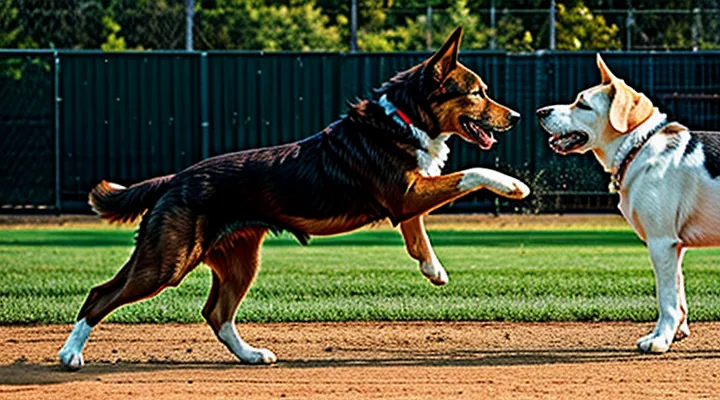
Understanding the line between genuine aggression and harmless interaction is essential for any caretaker, trainer, or observer. Accurate interpretation prevents unnecessary interventions and protects both animals and humans from injury. This opening segment defines the observable cues that separate a true conflict from playful behavior, outlines the physiological and behavioral markers involved, and establishes the framework for systematic assessment.
Key elements introduced here include:
- Body posture: tension versus relaxed muscles.
- Vocalizations: growls with a deep, guttural tone versus high‑pitched yips.
- Bite dynamics: sustained, penetrating pressure versus brief, gentle mouthing.
- Duration and escalation: prolonged, escalating intensity versus brief, self‑limiting exchanges.
By familiarizing oneself with these foundational signs, readers gain a reliable baseline for subsequent analysis and decision‑making.
2. Understanding Canine Behavior
2.1. Normal Play Behaviors
As a canine behavior specialist, I identify normal play by several consistent signals. During play, dogs maintain a relaxed body posture, with loose muscles and a wagging tail held at mid‑height. Vocalizations are light, such as short barks or playful whines, rather than deep growls. Eye contact is soft, and the gaze frequently shifts, indicating no sustained threat.
Key behavioral markers of healthy play include:
- Reciprocal roles - each dog alternates between “offensive” and “defensive” positions, allowing both participants to lead and follow.
- Play bows - the front legs stretch forward while the rear stays down, signaling an invitation to continue.
- Self‑handicapping - a larger dog may lower its head or allow the smaller partner to “win” a chase, preventing escalation.
- Inhibited bite pressure - bites are gentle, with a quick release; the mouth may close around the opponent’s fur without causing injury.
- Brief pauses - dogs frequently stop, sniff, or reset, showing that the interaction remains under control.
When these elements appear together, the encounter is typical play rather than a genuine conflict. Absence of these cues-tight muscles, intense staring, prolonged snarling, or hard, sustained bites-suggests a fight. Recognizing the pattern of normal play behaviors enables accurate assessment and appropriate intervention.
2.1.1. Play Bows
Play bows are a reliable indicator that canine interaction is playful rather than aggressive. When a dog lowers its fore‑front, stretches the front legs, and lifts the rear end, the posture signals an invitation to continue a friendly exchange. This body language serves several functions:
- Invitation to play: The bowed stance communicates that the dog is ready for non‑threatening activity and encourages the partner to respond in kind.
- Self‑regulation: By presenting a clear, non‑dominant posture, the bow reduces the likelihood of escalation, allowing both animals to maintain control of the encounter.
- Communication of intent: The combination of relaxed facial expression, wagging tail, and open mouth often accompanies the bow, reinforcing the message that the behavior is benign.
Observing a play bow alongside other calming signals-such as loose body posture, soft eyes, and a relaxed tail-strengthens the assessment that the dogs are engaged in roughhousing rather than a serious confrontation. Conversely, the absence of a bow, or a bow paired with stiff limbs, raised hackles, or growling, may indicate that the interaction is turning hostile. Recognizing the bow promptly helps handlers intervene appropriately, either by allowing the play to continue or by separating the animals before tension escalates.
2.1.2. Role Reversals
When two dogs engage, a temporary shift in who initiates contact, who retreats, or who assumes a leading posture can indicate play rather than aggression. In genuine combat, the dominant individual maintains control throughout, while in play the roles often flip.
Key characteristics of role reversal in playful encounters:
- Initiation alternates: the dog that first lunges later steps back, allowing the partner to take the lead.
- Bite pressure changes: a firm bite from one dog is followed by a softer, “mouthy” bite from the other, suggesting mutual testing rather than intent to harm.
- Body language switches: a dog that was previously upright and tense adopts a relaxed, bow‑down stance, while the former submissive partner raises its head and shoulders.
- Vocalization pattern flips: growls or high‑pitched whines may be exchanged, with each dog mirroring the other's sound intensity.
In contrast, a real fight exhibits a consistent hierarchy: the aggressor persists in forward motion, maintains higher tension, and escalates bite force without yielding. Recognizing these alternating signals helps observers intervene appropriately and prevent misinterpretation of harmless play as dangerous conflict.
2.1.3. Mutual Chasing and Wrestling
Mutual chasing and wrestling often appear similar in both play and aggression, but subtle cues reveal the true nature of the interaction. In a genuine contest, the chase is relentless, each dog attempts to gain dominance, and the wrestling escalates quickly to teeth contact, snarling, or a rigid body posture. In contrast, playful pursuit involves frequent pauses, relaxed bodies, and a willingness to disengage when one participant signals fatigue.
Key indicators to evaluate during mutual chasing and wrestling:
- Body tension: stiff, elevated shoulders suggest aggression; loose, bouncy movements indicate play.
- Vocalizations: low growls or snarls accompany fights; soft whines or occasional panting are typical of play.
- Bite pressure: deep, crushing bites target vulnerable areas in fights; gentle mouthing, often directed to the neck or shoulders, characterizes play.
- Duration and escalation: fights intensify without interruption; play sessions include frequent breaks, role reversals, and spontaneous cessation.
An experienced observer should monitor these elements continuously. When the interaction lacks the abrupt, high‑intensity bite and maintains a fluid, reciprocal rhythm, it is most likely a form of social play rather than a serious altercation.
2.1.4. Soft Mouth Nips
Soft‑mouth nips are a hallmark of controlled play rather than a genuine altercation. When a dog briefly clamps its teeth on a partner’s skin and releases immediately, the bite pressure remains low, the flesh stays intact, and the mouth can be opened without resistance. The animal’s body language stays relaxed: ears are forward or neutral, tail wags in a wide arc, and the posture is low to the ground without a stiff, forward‑leaning stance.
Key indicators that a nip is a soft‑mouth gesture include:
- Contact limited to the outer layers of skin, no puncture or tearing.
- Quick release as soon as the other dog moves or the bite is met with a gentle pull.
- Absence of growling that escalates in pitch; any vocalization remains low‑key and intermittent.
- Play‑oriented signals such as a “play bow,” loose body movements, and a wagging tail.
- No signs of blood, swelling, or lingering tension after the interaction.
In contrast, a real fight involves sustained pressure, deep penetration of the teeth, and a refusal to let go. The aggressor’s jaw stays clenched, muscles tense, and the surrounding dogs exhibit heightened arousal-raised hackles, rigid posture, and sharp, high‑frequency growls. Recognizing soft‑mouth nips helps owners and handlers intervene appropriately, allowing genuine play to continue while preventing escalation into a harmful encounter.
2.2. Signs of Escalating Arousal
Recognizing the shift from playful interaction to genuine aggression hinges on identifying physiological and behavioral cues that signal rising arousal. When a dog’s excitement escalates beyond normal play, the body prepares for conflict, and observable changes become reliable indicators.
- Rapid, shallow breathing accompanied by a wide-open mouth; panting replaces the occasional, relaxed exhale typical of play.
- Rigid body posture: spine arches, shoulders square, and weight shifts forward, eliminating the loose, bouncy stance seen during harmless roughhousing.
- Focused, unblinking stare directed at the opponent; eyes lock without the occasional glance away that characterizes casual play.
- Raised hackles along the neck and back, indicating sympathetic nervous system activation.
- Increased vocalizations that transition from low growls or bark bursts to continuous, low-frequency growls or snarls, often louder and more sustained.
- Taut, clenched jaws with teeth partially exposed; the bite pressure escalates from gentle mouthing to a firm, threatening grip.
- Tail position changes from loose wagging to a stiff, elevated, or lowered stance, reflecting heightened tension.
These markers appear in succession, often intensifying within seconds. Their presence together, rather than in isolation, signals that the encounter is moving toward a true fight. Prompt intervention-removing one dog, redirecting attention, or employing a calm-assertive command-can prevent injury once these signs become evident.
2.2.1. Increased Speed and Intensity
As a canine behavior specialist, I observe that a sudden escalation in pace and vigor often signals a transition from harmless play to genuine conflict. When dogs increase their speed beyond the rhythm established during normal roughhousing, the movement becomes erratic and purpose‑driven rather than rhythmic. The acceleration is accompanied by tighter body tension, a forward‑leaning posture, and a narrowed focus on the opponent.
Key indicators of heightened speed and intensity include:
- Rapid, lunging bursts that close distance in a fraction of a second.
- Unpredictable changes in direction, suggesting a desire to dominate rather than to entertain.
- Increased force behind bites or snaps, evident by deeper pressure on the target’s skin or fur.
- Elevated vocalization volume, often transitioning from low growls to sharp, higher‑pitched snarls.
These elements, when observed together, differentiate a serious confrontation from the controlled, slower exchanges typical of play. Recognizing the shift in tempo and force enables timely intervention before injury occurs.
2.2.2. Stiffening Bodies
When a confrontation escalates, the transition from playful interaction to genuine aggression is marked by a noticeable increase in body rigidity. Muscles tighten, joints lock, and the dog’s overall posture becomes more static. This stiffening serves as a protective mechanism, preparing the animal for potential injury.
Key indicators of body stiffening include:
- Elevated muscle tone: shoulders, neck, and hindquarters feel firm to the touch rather than relaxed.
- Locked limbs: front legs remain planted, rear legs bear weight without the springiness typical of play.
- Fixed head position: ears are pinned forward or backward, eyes lock onto the opponent without the occasional glance away seen in games.
- Taut skin and fur: hair along the back and tail stands up, indicating heightened arousal.
- Reduced fluid movement: gait becomes deliberate, with minimal lateral sway or bouncing.
Observing these cues allows an experienced handler to differentiate an authentic conflict from a bout of roughhousing. Rapid identification of stiffening bodies enables timely intervention, protecting both dogs from serious injury.
2.2.3. Vocalizations Beyond Playful Growls
When two dogs interact, the quality of their sounds often reveals whether the encounter is a harmless romp or an escalating conflict. Experienced handlers rely on subtle acoustic cues that go beyond the low‑frequency growls typical of play.
Key vocal indicators of genuine aggression include:
- Sharp, high‑pitched barks that cut through the ambient noise, signaling alertness or threat.
- Sustained snarls with exposed teeth, producing a harsh, rattling timbre that lacks the rhythmic pattern of playful growls.
- Yelps or screams emitted when a dog is bitten or fears injury; these are abrupt, high‑energy sounds that cease once the threat subsides.
- Whimpering combined with tense body posture, reflecting stress rather than excitement.
Conversely, vocalizations that remain within the realm of play exhibit a loose, intermittent rhythm, often interspersed with soft chuckles or breathy sighs. The absence of harsh, continuous snarling and the presence of a relaxed, open‑mouth expression further distinguish benign interaction.
Recognizing these auditory differences enables timely intervention, preventing escalation while preserving legitimate social play.
3. Key Indicators of a Real Fight
3.1. Body Language Cues
When dogs interact, subtle variations in posture, facial expression, and movement reveal whether the encounter is aggressive or merely a bout of play. An expert observer focuses on the following body‑language markers.
- Tail position - A relaxed, wagging tail held low or mid‑level signals playfulness. A stiff, raised tail that vibrates or remains rigid indicates heightened arousal and potential aggression.
- Ears - Forward‑facing, relaxed ears are typical of a playful stance. Ears pinned back tightly against the skull suggest fear or threat.
- Mouth - An open mouth with a loose, panting jaw and exposed teeth in a “smile” denotes a friendly invitation to engage. A closed mouth or a tight, snarling bite with visible gums signals hostility.
- Body tension - Loose muscles, a bouncy gait, and fluid movements characterize play. A tense, rigid frame, with the spine arched and shoulders squared, points to a serious confrontation.
- Eye contact - Soft, blinking eyes with a relaxed gaze accompany play. Fixed, hard stares and dilated pupils are warning signs of aggression.
- Play bows - The classic front‑end‑down, rear‑up posture unmistakably initiates play. Absence of this cue, especially when combined with the other aggressive signals, suggests a fight.
Monitoring these cues in combination, rather than in isolation, allows accurate assessment of canine interactions and timely intervention when necessary.
3.1.1. Hard Stares and Fixed Gazes
As an experienced canine behavior specialist, I observe that a hard stare or fixed gaze is a primary indicator of escalating aggression. In a real fight, each dog locks eyes with a steady, unblinking focus, often accompanied by a tense body and clenched jaw. Playful interactions rarely involve such intensity; the gaze is intermittent, soft, and broken by frequent glances away.
Key characteristics of a hard stare include:
- Uninterrupted eye contact lasting several seconds.
- Pupils dilated, indicating heightened arousal.
- Absence of blinking or rapid eye movements.
- Alignment of the stare with other aggressive signals such as raised hackles, stiff posture, and growling.
When the stare is paired with these additional cues, the likelihood of a genuine confrontation rises sharply. Conversely, if eye contact is brief, relaxed, and interspersed with playful gestures-like tail wagging, loose body movement, and open-mouthed panting-the situation is more likely to be benign.
Monitoring the duration and quality of the gaze, alongside accompanying body language, enables accurate assessment of whether the dogs are engaged in a true fight or merely roughhousing.
3.1.2. Raised Hackles (Piloerection)
Raised hackles, the upward puffing of a dog’s fur along the neck, back, and sometimes the tail, result from the contraction of the arrector pili muscles. This physiological response is triggered by heightened arousal, which can stem from fear, aggression, or intense excitement. In a genuine confrontation, hackles are typically pronounced, stiff, and persist for several seconds after the encounter begins. The fur appears clearly lifted, creating a visible ridge that does not flatten quickly even if the dogs momentarily pause.
In contrast, during vigorous play the same muscles may activate, but the effect is subtler. Hackles, if present, are usually less pronounced, may appear only on the neck, and tend to relax rapidly as the dogs continue their interaction. Playful dogs often display relaxed facial expressions, loose bodies, and frequent breaks for sniffing or licking, which are inconsistent with the sustained tension seen in a real fight.
Key observations for distinguishing the two scenarios:
- Duration: Persistent hackles lasting more than a few seconds suggest aggression; fleeting elevation indicates excitement.
- Intensity: Sharp, erect fur covering the neck, shoulders, and back points to a defensive or offensive stance.
- Accompanying cues: Stiff posture, locked jaws, direct stare, and raised tail accompany prolonged hackles in fights; loose bodies, wagging tails, and intermittent eye contact accompany brief hackle elevation in play.
- Recovery: Rapid flattening of fur when the dogs separate signals play; slow return to normal indicates sustained arousal.
By monitoring the quality, extent, and persistence of piloerection alongside other behavioral markers, an observer can reliably infer whether a canine encounter is a serious altercation or merely energetic play.
3.1.3. Bared Teeth and Snarling
Bared teeth and a snarling vocalization often signal heightened aggression, but they also appear during intense play. In a genuine fight, the teeth are exposed continuously, the muzzle is rigid, and the snarl is low‑pitched, sustained, and accompanied by guttural growls. In play, the bite may be brief, the mouth may open intermittently, and the snarl is higher‑pitched, interspersed with yelps or panting.
Key distinctions:
- Duration - Fight: teeth remain visible for several seconds without interruption. Play: exposure lasts only a moment, then the mouth relaxes.
- Mouth tension - Fight: jaw locked, lips tight, no relaxation. Play: jaw opens and closes rhythmically, often with a “open‑mouth” grin.
- Vocal quality - Fight: deep, rumbling growl, steady volume. Play: higher‑frequency bark or whine, variable intensity.
- Body language - Fight: stiff posture, forward thrusts, ears pinned back. Play: loose body, wagging tail, rolling motions.
- Response to intervention - Fight: dogs ignore or resist human attempts to separate. Play: pause when approached, resume after a brief break.
Observing these factors together provides a reliable assessment of whether bared teeth and snarling indicate a dangerous confrontation or merely vigorous social interaction.
3.1.4. Low Growls and Snaps with Intent
Low growls that are deep, steady, and accompanied by a rigid body posture generally signal a warning rather than play. In a genuine conflict, the sound is sustained, the mouth is closed or only slightly open, and the dog’s eyes are hard‑focused. A playful growl is higher‑pitched, intermittent, and often paired with a relaxed jaw and a wagging tail.
Snaps that occur with clear intent are short, sharp bites aimed at a specific target such as the opponent’s neck, ear, or muzzle. The dog’s teeth make contact without a full mouth closure, and the motion is decisive, not tentative. In contrast, a play snap is brief, the mouth stays open, and the bite is gentle, often followed by a pause for mutual enjoyment.
Key indicators that a low growl or snap is aggressive rather than playful:
- Mouth closed or only partially open during the growl.
- Body weight shifted forward, shoulders tensed.
- Ears pinned back, fur along the spine raised.
- Direct stare without blinking.
- Snap directed at vulnerable areas, bite pressure firm.
- No immediate transition to relaxed behavior after the sound or bite.
Observing these elements together provides a reliable method for separating true aggression from harmless roughhousing.
3.1.5. Stiffness and Tension in the Body
When dogs engage, the muscular tone of their bodies offers a reliable indicator of intent. In a genuine confrontation, each participant exhibits pronounced rigidity; muscles remain contracted, shoulders and hips lock into a tight, forward‑leaning posture. This stiffness limits fluid movement and creates a palpable tension that can be felt through the fur and joints. The animal’s spine often arches slightly, and the neck is held rigidly, ready to deliver or receive force.
In contrast, during playful interaction, the same anatomical structures stay relaxed. Dogs display loose, bouncy motions, with occasional pauses that quickly give way to renewed activity. The limbs move with springiness, and the torso does not maintain a sustained, rigid stance. Any brief tightening of muscles is transient, quickly returning to a relaxed state as the play continues.
Key observations for distinguishing the two scenarios:
- Consistency of rigidity - continuous stiffness suggests aggression; intermittent tension indicates play.
- Postural alignment - a forward‑leaning, locked stance points to a fight; a sideways, open stance aligns with play.
- Response to touch - a dog in a real altercation resists gentle handling, maintaining tension; a playful dog yields to light petting, quickly relaxing.
- Vocalization coupling - persistent growls accompanied by sustained tension reinforce a serious conflict; intermittent bark or whine with relaxed muscles usually accompanies play.
Recognizing these physical cues enables accurate assessment of canine behavior, reducing misinterpretation and supporting appropriate intervention.
3.2. Vocalizations
When evaluating canine interactions, vocal signals provide the most reliable indicator of intent. A trained observer can separate aggression from play by noting the following acoustic characteristics.
- Pitch and intensity - Aggressive snarls and growls are low‑frequency, sustained, and often accompanied by a guttural rumble. Play growls rise in pitch, are short‑lived, and may alternate rapidly with high‑frequency barks.
- Pattern and rhythm - In a fight, vocalizations form a steady, escalating series without interruption, reflecting continuous tension. Play vocalizations display irregular bursts, interspersed with periods of silence as the dogs pause to reassess.
- Accompanying sounds - Real combat includes sharp, abrupt barks that precede or follow a growl, signaling warning or threat. During play, barks are squeaky, frequent, and often end with a “yip” or “huff” that signals invitation to continue.
- Contextual cues - Aggressive vocalizations are paired with stiff body language, locked jaws, and direct eye contact. Play vocalizations coexist with loose postures, exaggerated play bows, and alternating roles of pursuer and retreater.
By focusing on these vocal markers, an expert can quickly determine whether two dogs are engaged in hostile conflict or mutually enjoyable roughhousing.
3.2.1. High-Pitched Yelps of Distress
High‑pitched yelps of distress are a primary auditory cue that separates true aggression from benign interaction. In a genuine confrontation, the sound is sharp, sustained, and often accompanied by a trembling throat. The frequency typically exceeds 2 kHz, creating a piercing quality that prompts immediate attention from observers and other dogs. Conversely, during rough play the vocalizations remain brief, lower in pitch, and are interspersed with laughter‑like bark bursts.
Key characteristics of distress yelps:
- Amplitude: Loud enough to cut through background noise, indicating heightened arousal.
- Duration: Continuous or repeated for several seconds without interruption.
- Accompanying behavior: Body tension, stiff posture, and avoidance of eye contact; play usually features relaxed bodies and frequent pauses.
- Contextual triggers: Sudden escalation, bite pressure that reaches skin, or attempts to immobilize the opponent.
When evaluating a canine encounter, prioritize the presence of sustained, high‑frequency yelps. Their emergence signals that the animals are experiencing pain or fear, requiring immediate intervention to prevent injury. Absence of such vocalizations, coupled with loose bodies and intermittent pauses, suggests that the interaction remains within the realm of play.
3.2.2. Continuous, Aggressive Growling
As a canine behavior specialist, I focus on the vocal cue known as continuous, aggressive growling when assessing whether dogs are engaged in a real fight or merely playing. This growl persists without interruption, maintains a low, rumbling pitch, and often rises in volume as tension increases. The sound lacks the playful bark‑like quality and does not fluctuate with the rhythm of a game.
In contrast, play growls are brief, high‑pitched, and interspersed with pauses. They usually accompany a relaxed body stance, wagging tails, and exaggerated, non‑threatening movements. The intermittent nature of these vocalizations signals that the dogs are communicating enjoyment rather than hostility.
Key indicators that continuous aggressive growling signals a genuine conflict include:
- Stiff, forward‑leaning posture; shoulders locked.
- Ears pinned back or rotated toward the opponent.
- Direct, unblinking eye contact.
- Teeth bared without the “soft” opening typical of play.
- No accompanying play bows or exaggerated, loose movements.
When these signs appear together, the growl functions as a warning signal rather than a playful invitation. Observers should treat the situation as a potential fight and intervene promptly to prevent injury. Immediate actions include separating the animals safely, using barriers or loud noises to distract, and consulting a professional trainer to address underlying aggression triggers.
3.2.3. Silence Followed by Explosive Action
When two dogs pause, maintain a still posture, and then one or both launch into a sudden, intense burst of activity, the pattern often signals an escalation beyond normal play. In genuine combat, the quiet interval precedes a rapid, forceful exchange-barks become sharp, bites are deep, and body tension spikes. In contrast, playful bouts may include a brief lull, but the subsequent action remains loose, with exaggerated jumps, exaggerated lunges, and frequent pauses for reset.
Key indicators that the explosive phase represents a real fight:
- Teeth make audible, clamping contact rather than a gentle “nip.”
- The dogs' ears flatten and tails stiffen, eliminating the wagging or relaxed positioning typical of play.
- Vocalizations shift from high‑pitched yips to low growls or snarls.
- The duration of the aggressive burst is longer, with little or no retreat between attacks.
Conversely, if the rapid surge is followed by immediate disengagement, rolling, or continued playful gestures, the episode likely remains within the play spectrum. Observers should note the context: a single explosive episode after an extended silent stare, especially when accompanied by tense posturing, warrants intervention to prevent injury.
3.3. Physical Contact
Physical contact provides the most reliable clues when assessing whether two dogs are engaged in a genuine altercation or merely roughhousing. In a true fight, the contact is aggressive, sustained, and often involves high‑intensity bites aimed at vulnerable areas such as the neck, throat, or limbs. Dogs will lock jaws, hold the bite, and may shake or twist the opponent’s body. The force is enough to cause visible injury or at least the potential for it. In contrast, play contact is intermittent, light, and typically directed toward non‑threatening zones like the shoulders or back. Bites are brief, released quickly, and accompanied by a relaxed jaw pressure.
- Bite depth and target - Deep, penetrating bites to the neck or torso indicate fighting; shallow, gentle mouthing of the forearm or flank suggests play.
- Jaw tension - Rigid, clenched jaws with audible snapping are characteristic of combat; loose, open mouths with relaxed teeth denote play.
- Duration of hold - Continuous gripping for several seconds or longer signals aggression; brief, fleeting contacts lasting fractions of a second are typical of play.
- Body posture during contact - A stiff, forward‑leaning stance, ears back, and tail tucked accompany fighting bites; a loose, wiggly posture, ears forward, and tail wagging accompany playful mouthing.
- Response to release - In a fight, a dog will fight to retain the bite; in play, the dog readily releases when the opponent pulls away.
Observing these physical parameters enables a rapid, accurate assessment of the interaction. When any of the aggressive indicators dominate, intervene immediately to prevent injury; when playful patterns predominate, allow the dogs to continue under supervision.
3.3.1. Targeted Biting
Targeted biting is the clearest behavioral marker separating genuine aggression from harmless interaction. In a real confrontation, a dog aims its jaws at vulnerable anatomy-neck, throat, abdomen, or limbs-rather than at the opponent’s fur or the surface of the mouth. The bite is forceful, often accompanied by a clenched jaw and a deep, audible snap. The attacker seeks to inflict injury, not merely to engage in mutual mouthing.
In contrast, during play the mouth contacts are brief, superficial, and typically directed toward the opponent’s shoulders, back, or sides. The pressure is light, the jaws remain relaxed, and the bite is released immediately after contact. Play bites lack the intent to damage and are frequently followed by a quick disengagement or a “reset” posture.
Key observations for distinguishing the two scenarios:
- Location - Aggressive bites target critical body parts; playful bites stay on non‑vital zones.
- Intensity - Aggressive bites involve a strong, sustained grip; playful bites are fleeting and gentle.
- Post‑bite behavior - After an aggressive bite the dog may hold, shake, or bite again; after a play bite the dog typically steps back, wags, or returns to a relaxed stance.
Recognizing these patterns enables accurate assessment of canine encounters and informs appropriate intervention.
3.3.2. Holding On and Shaking
When assessing canine encounters, the “holding on and shaking” phase offers critical clues about the nature of the interaction. In a genuine fight, one dog typically secures a firm grip on the opponent’s neck, torso, or limbs and applies rapid, forceful shaking. The motion is abrupt, accompanied by high‑pitched growls, snarls, or barks, and the grip does not release until a clear advantage is achieved or one animal yields.
In contrast, during playful bouts the hold is loose, often limited to a gentle bite on the foreleg or shoulder. Shaking, if present, is mild, rhythmic, and brief, resembling a tug‑of‑war rather than an assault. Vocalizations remain low‑key, such as soft whines or playful yips, and the dogs maintain loose body postures, with ears and tails relaxed.
Key observable differences:
- Grip strength: tight, sustained pressure versus light, intermittent bite.
- Shake intensity: vigorous, erratic movements versus gentle, controlled rocking.
- Vocal cues: aggressive snarls and growls versus soft, playful sounds.
- Body language: stiff, tense muscles and fixed stare versus relaxed posture and loose eye contact.
- Duration: prolonged, escalating sequence versus short, quickly resolved episode.
Recognizing these parameters enables accurate assessment of whether the dogs are engaged in a hostile confrontation or a harmless game.
3.3.3. Attempts to Pin Down or Injure
When a dog deliberately tries to immobilize its counterpart, the behavior signals a genuine conflict rather than a harmless romp. The intent behind pinning is to restrict movement, create leverage, and expose vulnerable areas for biting. In a staged play scenario, dogs may tumble and wrestle without exerting force sufficient to hold the opponent down for an extended period. The distinction lies in the persistence and pressure applied.
Key indicators of an aggressive attempt to pin or injure include:
- One animal forces the other onto its side or back and maintains pressure for several seconds.
- The aggressor uses its fore‑paws to clamp the opponent’s neck, shoulders, or hindquarters, often accompanied by a clenched jaw.
- The pinned dog displays signs of distress: stiffened body, widened eyes, or attempts to escape that are consistently thwarted.
- The aggressor shifts weight forward, leaning into the opponent to prevent any chance of retreat.
- Audible growls or snarls intensify as the immobilization continues, rather than diminishing into playful panting.
In contrast, during rough play the following patterns emerge:
- Dogs tumble and roll together, frequently changing positions without sustained restraint.
- Paws make light, open‑handed contact; bites are brief, shallow, and released immediately.
- Both participants exhibit relaxed postures, wagging tails, and loose, bouncing movements.
- Vocalizations remain soft, resembling whines or short bursts of excitement rather than deep, threatening growls.
Observing the duration and force of a pinning attempt provides a reliable metric. A brief, fleeting hold that quickly transitions back to mutual movement suggests play. A prolonged, forceful grip that limits the other dog’s ability to move indicates a serious altercation. Recognizing these nuances enables owners and handlers to intervene appropriately, protecting dogs from unnecessary injury while allowing natural social interaction to continue.
4. Factors Influencing Play vs. Fight
4.1. Dog Personalities
Understanding individual canine temperaments is essential when evaluating whether two dogs are engaged in genuine aggression or merely energetic play. Each dog possesses a distinct personality profile shaped by genetics, early socialization, and ongoing experiences. Recognizing these traits helps observers interpret body language, vocalizations, and interaction patterns accurately.
Key personality dimensions relevant to conflict assessment include:
- Dominance orientation - Dogs with a strong desire to assert control may initiate confrontations more readily. In play, dominant individuals typically use controlled bites and brief pauses, whereas a real fight involves persistent pressure and unwillingness to relent.
- Fear sensitivity - Highly anxious dogs react sharply to perceived threats. Their defensive posture, rigid stance, and high‑pitched whines often signal genuine distress rather than play exuberance.
- Social confidence - Confident dogs approach unfamiliar companions with relaxed posture and open mouth signals. When confidence wanes, sudden stiffening, tail tucking, and prolonged stare indicate escalation beyond playful intent.
- Prey drive - Breeds or individuals with elevated predatory instincts may exhibit rapid lunges and intense focus. In play, these actions are interspersed with reciprocal gestures; in a fight, the target receives relentless pursuit without reciprocal release.
Practical steps for observers:
- Identify baseline behavior - Establish each dog’s typical play style and stress thresholds through repeated observations in low‑stakes environments.
- Monitor escalation cues - Look for abrupt shifts from loose, bouncy movements to locked jaws, deep growls, and static postures. A dog that normally engages in gentle mouthing will rarely maintain a firm bite without a break if the encounter remains playful.
- Assess recovery - After a brief pause, playful dogs quickly resume interaction, often with a “reset” signal such as a play bow. Dogs locked in aggression fail to exhibit such resets, maintaining tension and advancing toward the opponent.
- Consider individual triggers - Some dogs react aggressively to specific stimuli (e.g., resource guarding). Recognizing these personal triggers prevents misinterpretation of normal play as hostility.
By mapping each participant’s personality traits onto observable interaction cues, professionals and owners can differentiate authentic fights from rough play with greater precision, reducing unnecessary interventions while ensuring safety.
4.2. Breed Tendencies
Breed tendencies shape how dogs express aggression and play, making them essential clues when evaluating an encounter. Certain breeds possess innate predatory drives, high prey‑retrieval instincts, or a history of fighting that influences body language, vocalizations, and escalation patterns. Recognizing these predispositions helps observers separate genuine combat from spirited interaction.
Breeds with strong hunting heritage-such as sighthounds, terriers, and retrievers-often exhibit rapid lunges, exaggerated bites, and intense stare without necessarily intending harm. Their bite may appear deep, yet the mouth typically remains relaxed, and the bite pressure is low. In contrast, breeds historically selected for protection or fighting, like mastiffs, pit bulls, and certain working dogs, tend to clamp down harder, maintain a closed mouth, and target vulnerable areas (neck, throat, hindquarters). A sustained, forceful grip signals a serious confrontation.
Temperament trends also affect vocal signals. High‑energy, play‑oriented breeds (e.g., Labrador Retrievers, Border Collies) emit short, high‑pitched yips during mock chases. Breeds with a more territorial or dominant disposition produce lower growls, snarls, and prolonged barking when conflict escalates. Monitoring pitch and duration provides a rapid assessment of intent.
When evaluating a specific interaction, consider the following breed‑related indicators:
- Bite mechanics: relaxed, open‑mouth snaps → play; closed, crushing grip → fight.
- Target focus: neck or throat, especially in larger breeds → fight; limbs or torso in smaller, agile breeds → play.
- Vocalization type: brief yipping or squealing → play; deep, continuous growling or snarling → fight.
- Posture: loose, wagging tail, bouncy movements → play; stiff spine, forward‑leaning stance, ears back → fight.
Understanding these breed‑specific patterns enables accurate differentiation between harmless roughhousing and dangerous aggression, allowing timely intervention and appropriate response.
4.3. Environment and Resources
When evaluating canine interactions, the setting in which the behavior occurs provides critical clues. A secure, familiar area reduces the likelihood of true aggression, whereas unfamiliar or confined spaces increase stress and can trigger genuine fighting. Observe whether the dogs are on a neutral surface such as a grassy yard, a park bench, or a clean floor; neutral terrain often encourages play, while a limited or high‑traffic zone may exacerbate tension.
Key environmental indicators:
- Presence of obstacles or barriers that limit escape routes.
- Proximity to food, toys, or valuable objects that could serve as possessive triggers.
- Ambient noise level; sudden loud sounds can startle dogs and shift play into a defensive stance.
- Lighting conditions; dim or flickering light may obscure body language, making misinterpretation more likely.
Resources that aid accurate assessment include:
- High‑resolution video recording positioned to capture the entire interaction zone.
- A portable microphone to isolate vocalizations from background chatter.
- A set of reference clips illustrating known play bouts and documented fights for side‑by‑side comparison.
- Access to a behavior assessment checklist that logs environmental variables in real time.
By systematically documenting these factors, observers can differentiate a controlled, playful encounter from an escalating conflict with greater reliability.
4.4. Previous Interactions
Understanding a dog’s history with its companion is essential for telling a genuine altercation apart from harmless play. When two animals have a record of cooperative behavior, brief bouts of mock aggression often serve as social rehearsal rather than a threat. Conversely, a pair with little or negative prior contact is more likely to engage in a true conflict when tension rises.
Key elements to evaluate in past interactions include:
- Frequency of mutual grooming or shared resting spots, indicating trust.
- Recurring play sequences that follow a predictable pattern-bow‑to‑play, chase, tumble, and calm resolution.
- Documented incidents of aggression, such as bites or growls that escalated without de‑escalation cues.
- Consistency of vocalizations: playful bark cycles differ from sustained, low‑frequency growls typical of serious fights.
- Presence of a clear hierarchy established over time; stable hierarchies reduce the chance of lethal disputes.
If a dog repeatedly initiates or concedes in these structured exchanges, the current encounter likely belongs to the playful spectrum. However, when previous records reveal sporadic or hostile encounters, sudden intense posturing, and absence of the usual play signals, the situation should be treated as a genuine fight requiring immediate intervention.
5. What to Do When a Fight Occurs
5.1. Safety First
As a canine behavior specialist, I stress that safety precedes any assessment of whether two dogs are fighting or simply engaged in vigorous play. Observers must protect themselves, the animals, and any bystanders before attempting to interpret signals.
Key precautions include:
- Maintain a clear line of sight while staying at least several meters away from the interaction.
- Use a sturdy barrier (e.g., a fence, a gate, or a sturdy leash) to prevent direct contact if the situation escalates.
- Keep a phone or emergency contact readily accessible for rapid veterinary assistance.
- Ensure all participants-people and dogs-are under control; loose leashes or unrestrained children increase risk.
- Only intervene physically if you possess certified training; otherwise, rely on verbal commands and distraction techniques from a safe distance.
Before any observation, conduct a quick risk assessment: identify nearby hazards, evaluate the dogs’ size and temperament, and confirm that you have the necessary equipment (gloves, muzzle, rescue cage). If any factor raises doubt about personal safety, withdraw and call a professional handler.
Documenting the encounter-time, location, environmental conditions, and observable behaviors-while maintaining safety enables accurate analysis later without compromising immediate well‑being.
5.2. How to Safely Intervene
When a canine encounter escalates beyond playful mouthing, immediate, controlled action is essential to protect the animals and any nearby people. The first priority is to assess the situation quickly: look for signs of aggression such as raised hackles, snarling, teeth bared, or one dog standing still while the other lunges repeatedly. If these indicators are present, the interaction is likely a genuine fight rather than a bout of rough play.
To intervene safely, follow these steps:
- Create distance without contact. Throw a sturdy object (e.g., a jacket, blanket, or large board) between the dogs to interrupt the visual and physical connection.
- Use a loud, sharp command. A firm “No!” or “Stop!” can startle both dogs and break their focus.
- Apply a break stick or leash. If the dogs are on leashes, pull them apart sharply; if not, use a break stick to separate the jaws without risking a bite to your hands.
- Secure each dog individually. Once separated, lead each animal away from the scene, keeping them on opposite sides to prevent re‑engagement.
- Assess injuries promptly. Check mouths, limbs, and torso for puncture wounds or bleeding; administer basic first aid if trained, then seek veterinary care.
After the incident, monitor both dogs for lingering stress signals-trembling, avoidance, or excessive licking. Document the event, noting triggers and the effectiveness of each intervention technique. This record aids future prevention strategies and informs any necessary behavioral consultations.
5.2.1. Avoiding Direct Hand Intervention
When a dog interaction escalates, the instinct to reach in with a hand can worsen the situation. Direct hand interference often triggers a fight‑or‑flight response, causing the animals to bite harder or involve other dogs nearby. An expert observer should therefore rely on indirect methods that de‑escalate without physical contact.
First, assess body language from a safe distance. Look for signs such as stiff posture, raised hackles, locked jaws, or a prolonged stare. If these cues appear, intervene only with non‑contact techniques. Second, use a loud, firm voice to distract the dogs. A sudden, authoritative command (“Stop!”) can break focus and prompt a pause. Third, introduce a barrier-such as a broom, a piece of cardboard, or a large towel-by sliding it between the animals. The barrier creates visual separation and gives each dog a moment to reassess.
Practical steps for avoiding hand intervention:
- Maintain distance: Position yourself at least three feet away, keeping a clear line of sight.
- Use auditory cues: Issue a sharp, consistent command; repeat if necessary.
- Deploy a physical separator: Slide the object into the space without touching the dogs.
- Retreat if escalation continues: Move to a safer spot and call for professional assistance.
By employing these indirect tactics, an observer reduces the risk of injury to both handler and dogs while allowing the animals to resolve the encounter on their own terms.
5.2.2. Using Barriers or Distractions
When assessing canine interactions, the strategic placement of physical barriers and the timely introduction of distractions can clarify whether the encounter is aggressive or merely exuberant play.
A barrier-such as a gate, fence, or sturdy piece of furniture-creates a visual and tactile divide that forces each dog to pause. If the animals immediately back away, lower their bodies, and resume calm postures, the episode is likely playful. Conversely, if one or both dogs maintain a rigid stance, snap at the barrier, or display prolonged tension, the underlying aggression is revealed.
Distractions work by redirecting focus away from the other dog. Effective options include:
- A high‑value treat tossed a short distance from the dogs.
- A favorite toy that one dog can chase.
- A sharp, non‑violent sound (e.g., a whistle) followed by a command.
Observe the response: a dog that quickly disengages, looks toward the owner, and resumes normal behavior is probably engaged in rough play. A dog that ignores the distraction, continues to fixate on the opponent, or escalates vocalizations is exhibiting true hostility.
Implementing these tactics requires consistency. Deploy a barrier at the first sign of tension and introduce a distraction within seconds of the escalation. Record the dogs’ body language before and after intervention; repeated patterns provide reliable indicators for future assessments.
By integrating barriers and distractions into observation protocols, professionals can separate benign exuberance from genuine conflict, ensuring appropriate intervention and preventing unnecessary escalation.
5.2.3. The "Wheelbarrow" Method (with caution)
The “Wheelbarrow” technique involves lifting a dog by its front legs while allowing the hindquarters to remain on the ground, creating a temporary suspension that mimics a tug‑of‑war scenario. Practitioners use this position to observe how the animal reacts when its balance is altered during an encounter.
When applying the method, watch for the following behaviors:
- Body tension - a stiff, locked posture indicates genuine aggression; loose, fluid movement suggests play.
- Vocalization - low, guttural growls paired with snarling are warning signs; high‑pitched yips usually accompany mock fighting.
- Eye contact - a fixed stare without blinking signals a serious challenge; darting glances and rapid blinking are typical of a game.
- Mouth shape - a closed, tight jaw with teeth bared reflects hostility; a relaxed mouth with teeth only partially exposed points to harmless roughhousing.
Caution is essential. The maneuver places stress on the shoulder joints and can trigger fear or injury if the dog perceives the lift as threatening. Use the technique only with dogs that are already familiar with handling and exhibit clear play signals. Discontinue immediately if any of the aggression indicators appear, and intervene with a calm, firm command to separate the animals.
5.3. After the Fight
After an aggressive encounter, immediate separation of the animals is essential. Use a barrier-such as a sturdy gate, a large piece of cardboard, or a leash-to prevent further contact while keeping a safe distance for the handler. Once the dogs are isolated, observe each for signs of injury: bleeding, limping, swelling, or excessive panting. Apply pressure to any bleeding wound with a clean cloth; if bleeding persists, seek veterinary assistance promptly.
A brief assessment of the environment can reveal triggers that may have escalated the confrontation. Remove or secure objects that could provoke renewed aggression, such as toys, food bowls, or high‑value items, before re‑introducing the dogs to a shared space.
Document the incident. Record the time, location, duration, and observable behaviors of each dog. Photographs of injuries and a written note of the sequence of events provide valuable information for veterinarians, trainers, or animal control officials.
If any dog shows signs of trauma-deep puncture wounds, broken teeth, dislocated joints, or neurological symptoms-transport it to a veterinary clinic without delay. Even minor injuries warrant professional evaluation, as hidden damage can develop complications later.
Following medical care, implement a structured recovery plan. Limit physical activity for at least 48 hours, provide a quiet, comfortable resting area, and monitor food and water intake. Gradual re‑introduction to other dogs should occur only after veterinary clearance and under controlled conditions, using positive reinforcement to reinforce calm behavior.
6. Prevention Strategies
6.1. Proper Socialization
Proper socialization teaches dogs to read and respond to canine body language in a controlled environment. Early exposure to varied dogs, people, and stimuli allows a dog to develop a reliable repertoire of signals that separate benign interaction from genuine conflict.
Key components of effective socialization include:
- Controlled introductions with neutral, calm dogs to model appropriate greeting behavior.
- Gradual escalation of stimulus intensity, such as increasing group size or introducing novel objects, while monitoring stress signals.
- Consistent reinforcement of calm responses; rewards should follow relaxed postures, soft vocalizations, and loose‑mouth play.
- Immediate interruption of escalating tension, using clear commands and brief separation to prevent escalation.
When a dog has undergone systematic socialization, owners can more accurately interpret physical cues. A loose, wiggling body, open mouth with panting, and reciprocal play bows usually indicate play. Conversely, stiff posture, raised hackles, prolonged snarling, and bite attempts that target vulnerable areas signal a true fight. Proper socialization sharpens the dog's ability to self‑regulate, reducing the frequency of misread situations and enabling owners to intervene only when genuine aggression emerges.
6.2. Recognizing Stress Signals
As a veterinary behavior specialist, I observe that stress signals provide the most reliable clue when assessing whether two dogs are engaged in a genuine confrontation or merely engaging in vigorous play. These signals appear before, during, and after an interaction and differ markedly from the exaggerated, relaxed cues typical of play.
Key stress indicators include:
- Rigid body posture; the spine is flattened, shoulders are pulled forward, and the animal appears tense.
- Direct, unwavering eye contact, often accompanied by a narrowed gaze.
- Ears pinned back flat against the skull or, conversely, ears held stiffly forward without relaxation.
- Mouth held closed, lips tightly drawn, or teeth bared without a playful “snarl” that is accompanied by a loose jaw.
- Tail held high and stiff, or tucked tightly against the body, reflecting fear rather than excitement.
- Rapid, shallow breathing, panting without a relaxed tongue, or audible whining and whimpering.
- Vocalizations that are sharp, growling low and sustained, lacking the high‑pitched, intermittent bark of play.
- Sudden lunges or charges without a pause, indicating a desire to dominate rather than to exchange roles.
When these signs cluster, the interaction leans toward aggression. Conversely, play typically features loose, bouncy movements, open mouths with “play faces,” wagging tails held at mid‑height, and frequent pauses where each dog reassesses the situation. Observing the transition between these states-especially the presence of stress signals-allows a clear distinction between a real fight and rough play.
6.3. Supervising Interactions
Effective supervision of canine encounters hinges on continuous visual assessment and timely intervention. An observer must maintain an unobstructed line of sight, positioning themselves where body language remains visible from head to tail. When two dogs engage, the supervisor should track the following indicators to differentiate aggression from play:
- Body posture: Play typically features relaxed shoulders, loose muscles, and a wagging tail held at mid‑height. Aggressive posturing includes stiff limbs, raised hackles, and a tail held high or tucked.
- Facial expression: Open mouths with panting and a relaxed jaw suggest play, whereas bared teeth, narrowed eyes, and a fixed stare signal hostility.
- Vocalizations: Low‑frequency growls and short, intermittent barks accompany play; deep, prolonged growls and harsh snarls accompany conflict.
- Movement patterns: Play involves reciprocal chasing, rolling, and frequent pauses. Aggression shows persistent forward pressure, lunges without retreat, and a lack of role reversal.
The supervisor’s responsibility extends beyond observation. Immediate actions include:
- Interrupting: Use a clear, non‑aggressive cue such as a hand clap or a firm “no” to break focus.
- Redirecting: Offer a high‑value treat or a toy to shift attention away from the interaction.
- Separating: If the warning signs persist, gently guide one dog away using a leash or barrier without pulling or jerking.
- Assessing aftermath: After separation, examine both dogs for injuries, panting, or lingering tension before allowing further contact.
Consistent application of these monitoring techniques reduces the risk of escalation and reinforces safe socialization. An experienced handler integrates observation, verbal cues, and physical guidance to maintain control, ensuring that playful bouts remain harmless while swiftly curbing genuine aggression.
6.4. Training and Obedience
As a certified canine behavior specialist, I focus on the practical signals that training and obedience reveal when assessing canine interactions. Well‑trained dogs display predictable commands and body language that can be measured against the chaos of an actual altercation.
Key indicators derived from obedience work:
- Response to recall - A dog that breaks away promptly when called is likely engaged in play; a hesitant or absent response suggests heightened aggression.
- Compliance with “leave it” - Immediate disengagement indicates controlled play; failure to obey signals escalating tension.
- Postural consistency - Trained dogs maintain a relaxed stance while executing learned cues; a rigid, forward‑leaning posture during a bout points to a genuine fight.
- Vocalization pattern - Barking that stops when a command is issued reflects learned inhibition; continuous growling despite commands denotes a serious conflict.
- Eye contact - Focused, soft gaze when obeying a cue contrasts with hard, fixed stare typical of fighting dogs.
Training drills reinforce these distinctions. Regular practice of “stay” and “watch me” during socialization sessions creates a baseline of calm behavior. When two dogs meet, the observer can issue a cue and note the speed and quality of the response. A rapid, calm compliance confirms play; delayed or absent compliance raises an alert for possible aggression.
Obedience records also provide historical data. Dogs with a documented pattern of obeying disengagement commands rarely transition from play to fighting. Conversely, repeated failures to respond to recall or “leave it” correlate with higher risk of real conflicts.
In summary, disciplined training supplies objective metrics-command compliance, posture, vocal control, and eye contact-that enable a clear differentiation between harmless roughhousing and genuine fighting. Monitoring these factors during interactions allows owners and handlers to intervene decisively before a play scenario escalates.