
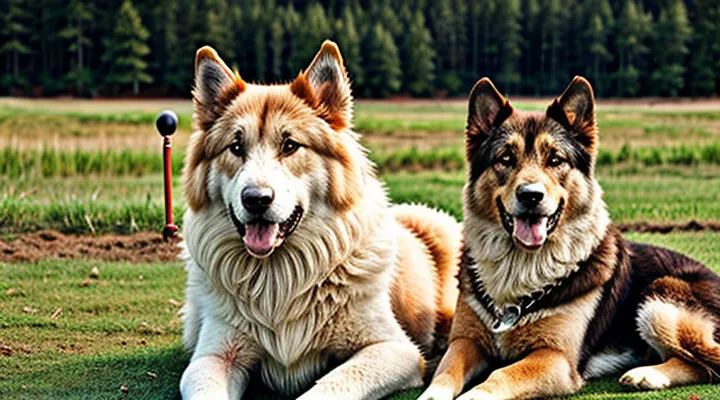
Understanding the Caucasian Shepherd Dog
Breed Characteristics
1. Independent Nature
The Caucasian Shepherd possesses a strong independent streak; it evaluates commands and situations through its own judgment rather than relying solely on human direction. This self‑reliant attitude can create distance between owner and dog if not addressed with purposeful interaction.
To bridge the gap, focus on mutual respect and clear expectations:
- Offer choices that satisfy the dog’s autonomy, such as allowing it to select the walking route after a brief cue.
- Use consistent, concise signals; the breed responds better to predictable patterns than to lengthy explanations.
- Reward initiative with praise or treats when the dog voluntarily complies, reinforcing the idea that cooperation yields benefits.
- Incorporate problem‑solving games that let the dog apply its intelligence, demonstrating that collaborative effort is rewarding.
- Establish defined boundaries early, enabling the dog to understand its role within the household hierarchy without feeling constrained.
By acknowledging the breed’s self‑governing nature and integrating these methods, owners can develop a partnership where independence and obedience coexist harmoniously.
2. Protective Instincts
The Caucasian Shepherd possesses a strong drive to guard its territory, family, and possessions. This drive originates from centuries of work protecting livestock against predators, resulting in heightened vigilance and an instinct to intervene when perceived threats arise. Recognizing the parameters of this protective behavior is essential for establishing mutual respect and cooperation.
To align with a dog that exhibits such guarding tendencies, follow these precise steps:
- Define boundaries clearly. Use consistent physical markers (fences, gates) and verbal cues to delineate safe zones. Repetition reinforces the dog’s understanding of where protection is required.
- Introduce controlled exposure. Gradually present the dog with unfamiliar people or animals in a calm environment while maintaining a relaxed posture. Reward calm observation with a treat or gentle praise.
- Teach a reliable “stay” command. Practice the command in varied settings, ensuring the dog can remain stationary despite distractions. This provides a tool for redirecting protective impulses when necessary.
- Encourage socialization with trusted individuals. Schedule brief, supervised visits from friends or family members who respect the dog’s space. Positive interactions decrease the likelihood of defensive aggression.
- Maintain routine health checks. Pain or discomfort can amplify guarding responses; regular veterinary examinations prevent misinterpretation of physical distress as aggression.
By systematically shaping the dog's perception of threat and reinforcing appropriate responses, owners create a collaborative framework that respects the animal’s innate guarding instinct while fostering a harmonious partnership.
3. Intelligence and Willfulness
The Caucasian Shepherd possesses a high level of problem‑solving ability, allowing it to assess situations quickly and adapt its response. Recognize that this breed evaluates commands through logical association rather than blind obedience. When a cue aligns with the dog’s perception of benefit, compliance follows naturally.
Willful tendencies manifest as strong independence and a preference for self‑directed action. To channel this energy, present choices that satisfy the dog’s need for autonomy while still meeting training objectives. For example, offer two acceptable routes to a desired behavior and let the animal select the one it prefers.
Practical steps for aligning intelligence and willfulness with cooperative interaction:
- Use short, specific commands paired with a clear reward that the dog values.
- Introduce problem‑solving games-such as hidden treat puzzles-to engage mental capacity.
- Allow the dog to initiate the final action, reinforcing the sense of control.
- Maintain consistency in expectations; unpredictable rules trigger resistance.
By respecting the breed’s cognitive sharpness and its desire for self‑determination, owners can establish a mutually satisfying relationship that balances guidance with the dog’s inherent independence.
Building Trust and Respect
Early Socialization
1. Exposure to Various Stimuli
Exposure to a wide range of sensory inputs establishes the foundation for mutual trust with a Caucasian Shepherd. The breed’s protective instincts respond predictably when novel sounds, scents, textures, and visual cues are presented in a controlled manner, allowing the dog to differentiate between benign and threatening stimuli.
- Auditory: introduce low‑volume recordings of traffic, children’s laughter, and distant whistles. Increase volume gradually while observing the dog’s posture; a relaxed stance indicates acceptance.
- Olfactory: present scents such as wet grass, pine needles, and kitchen herbs on separate cloths. Allow the dog to sniff each source without pressure; consistent sniffing without avoidance signals curiosity rather than alarm.
- Tactile: use surfaces like rubber mats, soft blankets, and rough rope. Encourage the dog to walk or lie on each material for short intervals, rewarding calm behavior with a firm “yes” and a brief treat.
- Visual: display moving objects-rolling balls, slow‑moving flags, and distant pedestrians. Position the dog at a distance that elicits interest without triggering a guarding response; reduce distance as the dog remains composed.
Consistent, incremental exposure reduces hypersensitivity, encourages exploratory behavior, and aligns the dog’s perception of the environment with the owner’s expectations. The result is a shared reference point that simplifies subsequent training and reinforces cooperation.
2. Positive Interactions with People and Animals
Positive interaction with a Caucasian Shepherd requires consistent, reward‑based communication that respects the dog’s size, strength, and protective instincts. Begin each encounter with a calm posture, low‑energy voice, and clear intent. The animal responds to predictable signals; therefore, use a short set of commands-such as “sit,” “stay,” and “leave it”-delivered in the same tone and hand gesture each time. Reinforce compliance immediately with high‑value treats or brief, controlled play, which links obedience to pleasure and reduces defensive reactions.
Socialization extends beyond human handlers. Introduce the dog to other animals in a neutral environment, keeping the initial distance wide enough to prevent intimidation. Observe body language: a relaxed tail, soft eyes, and forward‑leaning stance indicate readiness to engage, while stiff posture, raised hackles, or a fixed stare signal stress. When signs of tension appear, increase the gap and resume interaction only after the dog shows calm cues. Gradual exposure to varied species-cats, small livestock, and other dogs-builds a repertoire of acceptable behaviors and diminishes territorial aggression.
Key practices for fostering constructive relationships:
- Structured play sessions: limit each to 10‑15 minutes, use sturdy toys that withstand strong jaws, and end on a successful command.
- Controlled greetings: allow the dog to approach new people or animals at its own pace; prohibit forced petting or sudden movements.
- Consistent routine: feed, walk, and train at the same times daily to create a predictable environment that lowers anxiety.
- Positive reinforcement: employ treat‐based rewards or verbal praise immediately after desired behavior; avoid punishment, which can provoke fear or aggression.
- Regular health checks: ensure the dog is pain‑free; discomfort often manifests as irritability toward humans and other animals.
By applying these principles, owners and handlers establish mutual respect, reduce the likelihood of confrontational episodes, and create a foundation for shared activities that benefit both the Caucasian Shepherd and the broader community of people and animals it encounters.
Consistent Leadership
1. Clear Rules and Boundaries
Establishing clear rules and boundaries is the foundation for building mutual respect with a Caucasian Shepherd Dog. This breed responds to consistency; ambiguous expectations generate anxiety and resistance.
First, define the behaviors that are acceptable and those that are not. Write them down, then communicate each command with a distinct word or hand signal. Use the same cue every time to avoid confusion.
Second, enforce limits immediately. If the dog attempts to cross a prohibited area, issue the chosen cue, block the movement, and guide the animal back to the permitted space. Delay creates uncertainty and weakens the rule.
Third, reinforce compliance consistently. Reward the dog-through praise, a treat, or a brief play session-only when it follows the established rule. The reward must be immediate; delayed reinforcement loses its association with the behavior.
Fourth, maintain the same standards across all family members. Everyone should use identical commands and respond to infractions in the same manner. Mixed signals erode the dog’s understanding of the boundary.
Practical steps to implement clear rules:
- Identify key zones (e.g., entrance, kitchen, garden) and decide which are off‑limits.
- Choose a simple, unique cue for each restriction (e.g., “no,” “stay”).
- Practice the cue in short sessions, ensuring the dog stops the prohibited action within three seconds.
- Apply the cue consistently, correcting any breach without hesitation.
- Deliver a reward instantly after the dog complies; repeat the pattern until the response becomes automatic.
Finally, review the rules regularly. As the dog matures or the household changes, adjust boundaries accordingly, but always introduce modifications gradually and with the same level of clarity. This disciplined approach cultivates trust and creates a shared framework for interaction.
2. Fair and Firm Training Methods
When working with a Caucasian Shepherd Dog, consistency and respect form the backbone of effective training. A trainer must present commands with confidence, while ensuring the dog perceives the interaction as just. This balance prevents fear‑based reactions and promotes voluntary cooperation.
Key elements of a fair and firm approach include:
- Clear, single‑word cues delivered in a calm, steady voice.
- Immediate, predictable consequences: a brief pause for errors, a swift release of pressure for correct responses.
- Use of positive reinforcement (treats, verbal praise) immediately after successful behavior to strengthen the desired action.
- Structured sessions lasting no longer than 10‑15 minutes to match the breed’s attention span and avoid fatigue.
- Gradual increase in difficulty, introducing distractions only after the dog reliably obeys in a controlled environment.
Physical cues such as a gentle hand pressure on the collar or a light leash tug should be applied only when the dog fails to respond to verbal commands. The pressure must be released the moment the dog complies, reinforcing the cause‑effect relationship without causing pain.
Documentation of each training session-command used, response, correction applied-helps identify patterns and adjust the method to maintain fairness. Over time, the dog learns that firm guidance is paired with consistent, equitable outcomes, fostering mutual trust and a stable partnership.
Effective Communication Strategies
Body Language Interpretation
1. Recognizing Stress Signals
As an experienced trainer of large guardian breeds, I observe that early detection of stress cues is essential for establishing mutual respect with a Caucasian Shepherd Dog.
- Rigid posture, shoulders tensed, head lowered
- Fixed stare or avoidance of eye contact
- Ears pinned back or forward, indicating alertness or fear
- Tail held high, stiff, or tucked low against the body
- Paw lifting, pacing, or repeated circling
- Vocalizations such as low growls, whines, or sudden barking
- Mouth slightly open, teeth barely visible, or lip licking
When any of these signals appear, interpret them as a request for space or reassurance. A sudden escalation from a relaxed stance to a rigid one signals rising tension; a shift from direct gaze to avoidance suggests discomfort. Recognizing the pattern prevents misreading and reduces the likelihood of defensive behavior.
Respond by reducing stimuli: pause training, lower voice, avoid sudden movements, and offer a calm presence. Provide an unobtrusive scent-such as a familiar blanket-to ground the dog. Gradually reintroduce interaction once the posture relaxes and the tail lowers, confirming that the animal feels secure.
Consistent monitoring of stress indicators, coupled with measured adjustments, creates a reliable foundation for cooperation. Over time, the dog learns that the handler’s actions alleviate tension, fostering a shared understanding that underpins lasting rapport.
2. Understanding Dominance Displays
Understanding dominance displays is essential for establishing a cooperative relationship with a Caucasian Shepherd. Recognizing the signals prevents misinterpretation and reduces the likelihood of conflict.
Typical dominance behaviors include:
- Stiff, high‑placed tail held straight up.
- Direct, unwavering eye contact.
- Slow, deliberate movements toward a person or object.
- Standing over a person or sitting in a dominant position (e.g., at the front of a room).
- Vocalizations such as deep growls or short, sharp barks.
Each signal conveys the dog’s assessment of its rank within the interaction. Responding appropriately maintains balance without challenging the animal’s confidence.
Effective responses:
- Remain calm; avoid sudden gestures that could be perceived as threats.
- Lower your body slightly by bending the knees, signaling deference without appearing fearful.
- Use a soft, steady voice to acknowledge the dog’s presence while conveying guidance.
- Offer a clear, consistent command (e.g., “Sit”) followed by a reward when the dog complies, reinforcing your role as a leader who provides benefits.
- Gradually introduce controlled, low‑intensity challenges-such as brief pauses before allowing the dog to move forward-to teach the animal that cooperation yields predictable outcomes.
By interpreting these displays accurately and reacting with measured, respectful actions, you create a framework in which the Caucasian Shepherd perceives you as a trustworthy partner rather than a rival. This foundation enables deeper mutual understanding and smoother collaboration in everyday situations.
Vocal Cues
1. Tone and Inflection
When working with a Caucasian Shepherd, the human voice functions as a primary signal. Dogs of this breed respond to subtle variations in sound; a steady, low‑frequency tone conveys confidence, while sudden high‑pitch bursts trigger alertness or anxiety. Consistency in vocal delivery reinforces the perception of leadership, a critical factor for establishing mutual respect.
Key principles for effective vocal interaction:
- Maintain a calm, measured volume. Loud, erratic speech can be interpreted as aggression.
- Use a slightly deeper pitch when issuing commands; the breed’s large size predisposes it to associate lower tones with authority.
- Apply a consistent rhythm. Repeating the same cadence for each command reduces ambiguity and speeds recognition.
- Reserve elevated inflection for praise. A brief, higher‑pitched tone signals approval without undermining overall authority.
- Avoid abrupt shifts in tone. Sudden changes may be perceived as unpredictable, eroding trust.
Practicing these vocal strategies during training sessions creates a clear auditory framework. The dog learns to differentiate between directive and supportive sounds, facilitating smoother cooperation and a stronger bond. Regular reinforcement of the established tone pattern consolidates the shared communication channel, enabling both parties to operate with confidence and predictability.
2. Specific Commands
Establishing reliable cues is essential for building rapport with a Caucasian Shepherd Dog. Precise commands create a predictable framework that reduces anxiety and encourages cooperation.
- “Sit” - teaches impulse control; ask before entering the yard or before meals. Use a calm, firm voice, release the command with a hand raise, reward immediately with a treat or brief praise.
- “Stay” - reinforces patience; start at a short distance, increase gradually. Maintain eye contact, step back, and return to the dog before releasing the hold with “Okay.” Consistent timing prevents frustration.
- “Come” - essential for safety when the dog roams near fences. Pair the word with an enthusiastic tone and a high‑value reward. Practice on a leash first, then transition to off‑lead in a secured area.
- “Leave it” - prevents unwanted chewing or chasing. Present a tempting object, say the command, and redirect attention to a toy or treat. Immediate acknowledgment of compliance solidifies the cue.
- “Heel” - promotes loose‑lead walking; begin in a low‑distraction space, keep the dog at your left side, reward each step that maintains position. Gradually add distance and mild distractions.
- “Quiet” - curbs excessive barking; wait for a brief pause, say the word, then reward silence for a few seconds. Repeat until the dog associates the cue with reduced vocalization.
Each command should be introduced in short, focused sessions lasting no more than five minutes. Consistency in wording, tone, and hand signals eliminates ambiguity. Positive reinforcement-treats, praise, or brief play-must follow every successful response, reinforcing the desired behavior and strengthening the human‑dog connection.
Training and Engagement
Positive Reinforcement
1. Reward-Based Training
Reward‑based training provides a clear, positive framework for building rapport with a Caucasian Shepherd Dog. The breed’s natural protectiveness and independence respond best to incentives that reinforce desired behaviors without intimidation.
Begin each session by selecting high‑value rewards-fresh meat treats, cheese, or a favorite chew toy. Present the reward only after the dog performs the target action, ensuring a direct link between behavior and payoff. Consistency in timing strengthens the association and encourages the dog to repeat the action.
Key elements of an effective reward system:
- Clear cue: Use a single word or hand signal for each command.
- Immediate reinforcement: Deliver the treat within one second of the correct response.
- Gradual reduction: Once the behavior is reliable, replace treats with verbal praise or brief play, maintaining occasional high‑value rewards for complex tasks.
- Variable schedule: Introduce intermittent reinforcement after the dog masters the command to keep motivation high.
When working on socialization, reward calm interaction with people, other dogs, and new environments. For example, if the dog approaches a stranger without aggression, offer a treat and a gentle verbal affirmation. Repeating this pattern teaches the dog that friendly behavior yields benefits, gradually narrowing the gap between its instinctual guarding role and cooperative companionship.
Avoid punishment or harsh corrections; they trigger defensive responses and erode trust. Instead, redirect unwanted actions toward an alternative, rewarding the redirection. If the dog lunges, call “sit,” wait for compliance, then provide the reward. The dog learns that compliance yields positive outcomes, while aggression receives no reinforcement.
Integrating reward‑based methods into daily routines-feeding, walks, and play-creates a continuous feedback loop. Over time, the Caucasian Shepherd Dog associates the owner’s presence with predictable, pleasant consequences, establishing a solid foundation of mutual respect and shared understanding.
2. Avoiding Aversive Methods
When training a Caucasian Shepherd, coercive techniques undermine trust and exacerbate the breed’s protective instincts. Punitive commands, shock collars, and harsh physical corrections trigger fear responses that can lead to aggression, making collaborative interaction impossible.
Effective alternatives focus on reward‑based learning. Deliver treats, praise, or play immediately after the desired behavior, ensuring the dog associates the action with a positive outcome. Consistency across all family members reinforces the same cue‑response pattern, preventing mixed signals.
Avoiding aversive measures also preserves the dog’s natural confidence. A confident guard dog remains attentive without needing intimidation. Gentle guidance-such as a light tug on a sturdy leash to redirect attention-provides clear direction while maintaining respect.
Key practices to replace aversive methods:
- Use high‑value rewards tailored to the individual’s preferences.
- Apply the “catch‑and‑release” technique: capture a brief moment of compliance, reward, then release the cue.
- Implement short, frequent sessions to keep motivation high and fatigue low.
- Monitor body language; a relaxed posture, soft eyes, and a steady voice signal safety.
- Gradually increase distractions, rewarding compliance in increasingly challenging environments.
By eliminating punitive tactics and emphasizing positive reinforcement, owners create a cooperative foundation that aligns the dog’s guarding instincts with shared goals. This approach fosters mutual respect, reduces stress, and establishes lasting common ground.
Mental Stimulation
1. Puzzle Toys
Puzzle toys provide structured mental stimulation that aligns with the Caucasian Shepherd’s innate problem‑solving instincts. By presenting a challenge that requires the dog to manipulate compartments, slide panels, or hidden compartments, the toy creates a shared activity in which the owner can guide and reward the dog’s progress.
Selecting an appropriate puzzle involves three criteria: durability, size, and complexity. Durable construction prevents breakage by a breed known for strong jaws. Size must accommodate a large mouth without risk of choking. Complexity should match the dog’s current skill level to avoid frustration.
Introducing the toy follows a clear sequence:
- Place a high‑value treat in the simplest compartment.
- Demonstrate the action required to retrieve the treat, using a calm voice and slow movements.
- Allow the dog to attempt the task, intervening only to encourage successful attempts.
- Gradually increase difficulty by adding extra layers or reducing treat visibility.
Consistent use of puzzle toys builds trust. The owner’s role shifts from passive observer to active facilitator, reinforcing the dog’s confidence that challenges are manageable with guidance. Over time, the dog associates the owner with rewarding problem‑solving experiences, strengthening the bond.
Safety considerations remain essential. Inspect the toy before each session for cracks or loose parts. Limit play sessions to ten‑minute intervals to prevent overexertion, especially in hot weather. Replace any damaged toy immediately.
Integrating puzzle toys into a regular routine-morning, afternoon, and evening-creates predictable interaction points. Predictability satisfies the breed’s need for structure while providing mental enrichment, ultimately fostering common ground between owner and Caucasian Shepherd.
2. Scent Work
As a professional canine behavior specialist, I recommend incorporating scent work to bridge the communication gap with a Caucasian Shepherd. This breed’s strong olfactory senses make odor‑based activities a natural avenue for engagement, confidence building, and mental stimulation.
Begin with simple hide‑and‑seek exercises. Place a treat or a scent‑laden cloth under a cup, then gradually increase the number of cups and conceal the item in less obvious locations. The dog learns to focus on the target odor, reinforcing trust in the handler’s direction.
Progress to structured scent trails. Use a distinct scent (e.g., a dab of essential oil on a cotton ball) and drag it along a short line on the ground. Mark the start and finish points, then release the dog to follow the trail. Gradually extend the length and introduce turns, encouraging problem‑solving and perseverance.
Integrate scent detection games into daily routines. Allocate a few minutes each session for the dog to locate hidden objects in different rooms. Rotate the hiding spots and vary the objects to maintain novelty and prevent habituation.
Key practices for effective scent work:
- Keep sessions brief (5‑10 minutes) to avoid fatigue.
- Use high‑value rewards that the dog finds irresistible.
- Maintain consistent verbal cues (“find,” “search”) paired with a hand signal.
- End each session on a successful note to reinforce positive association.
Regular scent work not only satisfies the breed’s innate investigative drive but also creates a shared focus that strengthens the human‑dog partnership. By systematically applying these techniques, owners can develop mutual respect and a reliable channel of communication with their Caucasian Shepherd.
Physical Exercise
1. Daily Walks
Daily walks are essential for building trust with a Caucasian Shepherd. Consistent, structured outings reinforce the dog’s sense of security and create opportunities for mutual learning.
- Schedule walks at the same time each day; routine reduces anxiety and signals reliability.
- Begin each session with a calm greeting, allowing the dog to approach voluntarily.
- Use a sturdy, appropriately sized harness rather than a collar to prevent pressure on the neck and to convey respect for the dog’s strength.
- Maintain a steady, moderate pace. Sudden accelerations can trigger a chase instinct; a measured rhythm encourages the dog to stay by your side.
- Incorporate brief pauses every few minutes to allow the dog to sniff and explore. This sensory engagement satisfies the breed’s natural curiosity and strengthens the bond.
- End each walk with a clear cue, such as “stop,” followed by a reward-verbal praise or a low‑calorie treat-to mark the conclusion positively.
Gradual increases in distance and duration should align with the dog’s age, health, and stamina. Monitoring posture and breathing provides real‑time feedback; a relaxed shoulders and even rhythm indicate comfort, while tension suggests the need to reduce intensity. Over time, the repeated pattern of respectful handling, predictable timing, and shared activity creates a reliable foundation for deeper communication with a Caucasian Shepherd.
2. Controlled Playtime
Controlled playtime provides a structured environment in which a Caucasian Shepherd Dog can release energy while learning boundaries that support mutual respect. By limiting the intensity and duration of each session, the dog associates fun with predictable cues, reducing the likelihood of overstimulation or dominance displays.
Begin each session with a clear command such as “ready” or “stop.” The command signals the start and end of the activity, allowing the dog to understand that play is a privilege that can be withdrawn. Consistency in the verbal cue and accompanying hand signal reinforces the association between the word and the behavior.
Select games that emphasize cooperation rather than competition. Examples include:
- Tug with a sturdy rope, released only when the dog drops the toy on command.
- Fetch using a soft ball, paused when the dog returns the item and sits calmly.
- Controlled chase, where the dog pursues a moving object while remaining within a predefined radius.
During play, monitor the dog’s body language for signs of tension, such as rigid posture, intense staring, or excessive barking. If any of these cues appear, terminate the activity immediately and guide the dog to a calm position. This approach teaches the animal that self‑control is rewarded.
Limit each session to 10-15 minutes, especially for young or inexperienced dogs. Short, frequent sessions build trust without exhausting the dog’s attention span. After play, transition to a low‑energy activity, such as a brief obedience drill or a calm walk, to reinforce the shift from excitement to composure.
By adhering to these guidelines, owners create a predictable play framework that strengthens the bond, encourages obedience, and respects the breed’s powerful instincts.
Addressing Challenges
Managing Reactivity
1. Leash Training
Leash training is a foundational component of establishing mutual respect with a Caucasian Shepherd Dog. Selecting a sturdy, properly fitted harness prevents strain on the neck and aligns with the breed’s powerful build. Begin with brief indoor sessions; attach the leash, allow the dog to move freely, and reward calm behavior with a firm voice and a treat.
- Introduce the leash - let the dog sniff the equipment, then place it on without tension.
- Create a cue - use a single word such as “walk” to signal the start of leash activity.
- Encourage loose‑lead walking - maintain slack of no more than six inches; when tension appears, stop immediately and wait for the dog to release pressure before proceeding.
- Reward compliance - offer a high‑value treat and verbal praise each time the dog walks beside you without pulling.
- Increase distance gradually - move from indoor corridors to quiet outdoor paths, extending session length by five‑minute increments.
Consistency across all family members eliminates mixed signals. If the dog pulls, apply a brief, gentle “stop” and redirect attention back to the handler’s side before resuming movement. Avoid jerking or harsh corrections; the goal is to teach the dog that staying close yields positive outcomes.
Regular short sessions reinforce the association between the leash and cooperative behavior, laying the groundwork for shared activities and deeper trust.
2. Desensitization
Desensitization is the systematic reduction of a Caucasian Shepherd’s fear or reactivity to specific stimuli, forming the foundation for mutual trust. Begin by identifying the trigger-whether a sudden movement, unfamiliar sound, or presence of strangers-and record the dog’s baseline response. Use a low‑intensity version of the trigger, keeping the dog well below its threshold for stress, then pair the experience with a high‑value reward. Repetition under controlled conditions gradually raises the intensity while the dog remains calm, reinforcing a positive association.
Practical implementation:
- Choose a quiet environment; eliminate extraneous distractions.
- Present the stimulus at 10 % of the intensity that provokes a noticeable reaction.
- Immediately reward the dog with a preferred treat or praise when it shows no sign of tension.
- Increase the stimulus incrementally by 5‑10 % each session, maintaining the reward for calm behavior.
- Limit each exposure to 30 seconds; end the session if the dog exhibits signs of stress such as lip licking, yawning, or a rigid posture.
- Conduct multiple short sessions daily rather than a single prolonged one to prevent overload.
Progress monitoring is essential. Record the stimulus level at which the dog remains relaxed, and adjust the schedule accordingly. Consistency, patience, and precise timing of rewards ensure that the dog learns to interpret previously threatening cues as benign, thereby creating a reliable platform for deeper interaction and cooperation.
Resource Guarding
1. Controlled Feeding
As a canine behavior specialist, I recommend using controlled feeding to build rapport with a Caucasian Shepherd Dog. Consistent meal times create predictability, which reduces anxiety and encourages cooperation. By offering food only when the dog is calm and attentive, you reinforce desired behavior and establish a clear communication channel.
Implement the following steps:
- Set a fixed schedule, feeding twice daily at the same hours.
- Measure each portion according to the dog’s age, weight, and activity level; adjust gradually based on body condition.
- Use a high‑quality protein source to meet nutritional needs and maintain energy stability.
- Present the bowl only after the dog sits or waits patiently; release the food as a reward for compliance.
- Avoid free‑feeding; remove the bowl after the allotted time to prevent resource guarding.
During each feeding session, engage the dog with a calm voice and gentle eye contact. This interaction turns a routine necessity into a training moment, strengthening the human‑dog bond. Over time, the dog learns to associate the owner with reliable provision and positive reinforcement, laying a solid foundation for mutual respect.
2. Trade-off Games
As a canine behavior specialist, I recommend employing trade‑off games to create mutual understanding with a Caucasian Shepherd. These games present the dog with two viable choices, prompting voluntary participation and reinforcing the handler’s role as a fair decision‑maker.
The core principle is simple: offer a controlled dilemma, observe the dog’s preference, and reward the selected option. This process builds trust because the animal perceives the handler as consistent and respectful of its autonomy.
- Food‑gate selection: Place two treats on opposite sides of a low barrier. Allow the dog to choose one; reward the choice with praise and a brief play session.
- Path‑choice tug: Hold a tug toy at two different heights. The dog decides which height to engage; engage briefly, then switch to the alternate height for the next round.
- Object‑swap puzzle: Present two objects-one familiar, one novel-inside separate compartments. Let the dog select one; open the chosen compartment and interact with the object, then repeat with the other.
Successful execution requires a calm environment, short intervals (30‑60 seconds per round), and immediate positive reinforcement. Begin with low‑stakes items, gradually increasing complexity as the dog demonstrates confidence.
Avoid forcing a choice; if hesitation persists, pause the exercise and revisit later. Monitor body language for signs of stress-raised hackles, stiff posture, or prolonged staring-and discontinue the game if such cues appear. Consistent, low‑pressure trade‑off games gradually align the dog’s decision‑making with the handler’s guidance, laying a solid foundation for shared activities.
Stubbornness
1. Patience and Persistence
Patience is the cornerstone of any successful interaction with a Caucasian Shepherd Dog. The breed’s size and guarding instincts mean that rapid progress can trigger anxiety or resistance. Allow the dog to approach at its own pace; avoid forcing contact or demanding immediate obedience. Observe body language-relaxed ears, soft eyes, and a steady tail indicate readiness to engage. When the animal hesitates, pause, give space, and resume only after a clear sign of comfort.
Persistence reinforces the trust built through patience. Consistent, low‑intensity training sessions create predictable patterns that the dog can rely on. Structure each encounter around a single objective-such as accepting a hand on the shoulder-then repeat the exercise daily, gradually extending duration and proximity. Incremental advancement prevents overwhelm while demonstrating reliability.
Key practices for integrating patience and persistence:
- Schedule brief sessions (5‑10 minutes) at the same time each day.
- Use a calm, steady voice; abrupt tones can be perceived as threats.
- Reward calm behavior with a gentle pet or a favored treat, not with exuberant praise.
- Record progress; note which cues elicit relaxation and which provoke tension.
- Adjust expectations based on the dog’s age and prior experiences; younger dogs may require slower pacing, older dogs may need reassurance of routine.
By maintaining a measured tempo and unwavering commitment, the handler cultivates a mutual understanding that forms the basis for lasting rapport with a Caucasian Shepherd Dog.
2. Varying Training Techniques
Working with a Caucasian Shepherd Dog demands flexibility in training approaches because the breed combines powerful guarding instincts with strong loyalty. Adjusting methods to the individual’s temperament, age, and prior experiences creates the foundation for mutual respect and cooperation.
- Positive reinforcement: reward desired actions with treats, praise, or brief play sessions; reinforce the behavior immediately to strengthen the connection.
- Consistent boundaries: define clear limits for off‑limit areas, leash use, and interaction with strangers; repeat commands in the same tone and wording.
- Controlled exposure: introduce new stimuli-people, vehicles, other animals-at a distance that the dog can tolerate, then gradually decrease the gap while maintaining calm energy.
- Gradual desensitization: pair potentially stressful situations with high‑value rewards, allowing the dog to associate them with positive outcomes.
- Calm assertiveness: lead walks and training sessions with steady body language; avoid aggressive gestures that may trigger defensive reactions.
Selecting the appropriate technique depends on the dog’s developmental stage. Puppies respond best to short, reward‑focused sessions that build basic obedience. Adolescents benefit from reinforced boundaries and structured exposure to reduce overexcitement. Mature dogs, especially those with established guarding duties, require consistent reinforcement of limits and calm, authoritative leadership to maintain reliability.
A systematic application of these varied methods cultivates shared understanding, reduces friction, and aligns the dog’s natural protective drive with the owner’s objectives. Consistency, patience, and adaptability remain the cornerstones of successful interaction.