
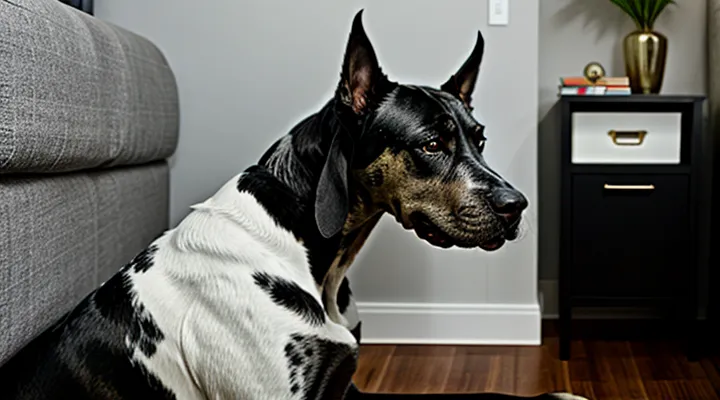
Introduction
Great Danes in Apartment Living
Debunking Myths
As a seasoned canine behavior specialist, I address the most prevalent misconceptions about housing a Great Dane in a compact urban residence.
Many owners assume that a large breed cannot thrive in limited square footage. Evidence from veterinary studies shows that adequate mental stimulation and regular exercise, not sheer floor area, determine welfare. A well‑structured daily routine-morning walks, midday play sessions, and evening enrichment-provides the physical outlet a Dane requires, regardless of apartment size.
A second myth claims that Great Danes inevitably damage furniture and flooring. The breed’s calm temperament and low‑energy demeanor after exercise reduce destructive tendencies. Proper training, chew‑resistant toys, and protective mats eliminate most incidents, disproving the notion of inevitable property damage.
A third false belief suggests that city noise overwhelms the giant dog, leading to chronic stress. Research on canine auditory thresholds indicates that Great Danes possess average sensitivity; acclimation through gradual exposure and a quiet retreat area in the unit effectively mitigates anxiety.
Finally, some contend that owners must forgo indoor pet amenities because of space constraints. In reality, compact solutions-foldable beds, vertical storage for toys, and space‑saving feeding stations-maintain comfort without encroaching on living space.
Key points for successful urban cohabitation:
- Schedule two brisk walks (30 minutes each) plus one interactive play period daily.
- Provide a designated quiet zone with a padded mat for rest and recovery.
- Use durable, non‑slip flooring protectors under high‑traffic areas.
- Rotate enrichment toys weekly to sustain interest and prevent boredom.
By confronting these myths with data‑driven practices, owners can ensure a Great Dane’s health, happiness, and harmony within a city apartment.
Benefits of City Dwelling for Great Danes
Great Danes thrive in urban apartments when owners leverage specific advantages of city living. Controlled indoor climates prevent exposure to extreme temperatures that can stress giant breeds. Proximity to veterinary clinics ensures prompt medical attention, reducing risk of untreated conditions. Limited square footage encourages owners to establish consistent exercise schedules, which supports joint health and weight control.
Key benefits include:
- Access to specialized dog‑friendly facilities such as indoor agility centers and training studios.
- Frequent opportunities for social interaction at nearby dog parks, cafés, and pet‑friendly events.
- Reduced exposure to rural parasites and wildlife hazards, lowering incidence of infestations and injuries.
- Availability of high‑quality commercial diets and nutritionists within a short commute, facilitating balanced feeding plans.
- Easier implementation of mental enrichment through puzzle toys, scent games, and structured play sessions suited to confined spaces.
By integrating these urban resources, owners can maintain the physical well‑being and psychological satisfaction of a Great Dane while adapting to the constraints of apartment life.
Preparing Your Apartment
Space Requirements
Minimum Size Considerations
As a professional canine specialist, I emphasize that a Great Dane’s physical dimensions dictate the smallest viable living space. The breed typically stands 28-34 inches at the shoulder and weighs 120-200 lb, requiring ample room for movement, stretching, and comfortable rest.
- Minimum floor area: at least 300 sq ft of unobstructed space. This allows the dog to turn, lie down fully extended, and access food and water stations without crowding.
- Ceiling height: clear vertical clearance of 7 ft or more. A Great Dane’s length can exceed 8 ft when lying flat; sufficient headroom prevents injury and reduces stress.
- Flooring material: non‑slip surfaces such as low‑pile carpet or sealed hardwood. These provide traction for a large, heavy animal and protect joints.
- Doorway width: 32 inches minimum. A wider entry reduces strain when the dog navigates the apartment, especially with a harness or leash.
- Furniture arrangement: at least 3 ft of open pathway between major pieces. This prevents the dog from becoming trapped or forced to navigate tight corners.
In addition to spatial metrics, consider the apartment’s layout. A single, open‑plan area is preferable to multiple cramped rooms, as it simplifies supervision and reduces the risk of accidental collisions. When space is limited, employ removable barriers to create a dedicated zone for sleeping and feeding, ensuring the dog can retreat without encroaching on human activity zones.
Overall, meeting these minimum size parameters safeguards the Great Dane’s physical health and mental well‑being while allowing the owner to maintain a functional urban dwelling.
Adapting Small Spaces
Living with a Great Dane in a compact apartment demands deliberate spatial planning to accommodate the breed’s size while preserving a functional home environment. The following measures address the most critical aspects of adapting limited square footage.
- Allocate a dedicated sleeping zone on a sturdy, low‑profile platform or reinforced dog bed positioned away from high‑traffic pathways. This prevents accidental tripping and provides a stable surface for the dog’s considerable weight.
- Install vertical storage solutions-wall‑mounted shelves or tall cabinets-to keep food, toys, and grooming tools out of reach of the dog’s curious paws while freeing floor space.
- Choose a durable, slip‑resistant flooring material such as luxury vinyl or sealed hardwood. These surfaces reduce strain on joints, minimize damage from occasional accidents, and simplify cleaning.
- Designate a confined exercise area, for example a cleared corner with a non‑slip mat, where the Great Dane can perform short stretches or balance drills. Complement this space with daily walks outside the apartment to satisfy the breed’s need for extensive movement.
- Employ a modular furniture arrangement that can be rearranged quickly for cleaning or when the dog needs temporary access to a larger area. Lightweight, leg‑free pieces slide easily and prevent obstruction of emergency exits.
In addition to physical modifications, the owner should enforce a consistent routine that includes scheduled feeding times, regular bathroom breaks, and predictable exercise intervals. Predictability reduces anxiety in a confined setting and supports the dog’s physical health. Monitoring weight and providing joint‑support supplements are also advisable, given the breed’s predisposition to musculoskeletal issues.
By integrating these spatial adaptations and routine practices, an apartment dweller can create a safe, comfortable habitat that meets the specific demands of a Great Dane while preserving the livability of a small urban residence.
Essential Supplies
Bedding and Crates
As a certified canine behavior specialist, I advise owners of large breeds living in compact urban dwellings to prioritize appropriate sleeping surfaces and secure containment units.
A Great Dane requires a mattress or cushion that supports its considerable weight and length. Select a bed with a reinforced frame, high‑density foam, or orthopedic memory foam rated for at least 150 kg. The surface should be removable and machine‑washable to manage shedding and occasional accidents. Position the bed away from direct sunlight and drafts, preferably on a non‑slip rug to prevent sliding on polished floors.
When choosing a crate, consider the following criteria:
- Dimensions: Interior length at least 120 cm, width 80 cm, height 90 cm to allow the dog to stand, turn, and lie fully stretched.
- Material: Heavy‑gauge steel with a rust‑proof coating or a durable, high‑density polymer that resists chewing.
- Ventilation: Multiple slatted sides or mesh panels to ensure airflow in confined spaces.
- Security: Double‑locking latch system to prevent escape and accidental opening.
- Portability: Wheels or a lightweight frame for easy relocation within the apartment.
Place the crate in a low‑traffic area where the dog can observe household activity without feeling isolated. Use a soft, washable liner inside the crate to add comfort and reduce noise. Regularly inspect both bedding and crate for wear, replacing components promptly to maintain structural integrity and hygiene.
Feeding and Hydration Stations
Feeding a Great Dane in a city apartment requires a stable, easily accessible station that accommodates the breed’s large mouth and high caloric needs. Choose a sturdy, non‑slipping mat to prevent bowls from sliding on hardwood or tile floors. Bowls should be at least 12 inches in diameter and made of stainless steel or heavy‑weight ceramic to resist tipping. A raised feeder, 6-8 inches off the floor, reduces strain on the dog’s neck and improves digestion. Position the station away from high‑traffic zones to minimize disturbances during meals.
Hydration stations must deliver fresh water continuously. A large, insulated bowl (minimum 2 liters) keeps water cool for several hours, encouraging regular drinking. Consider a gravity‑fed dispenser that refills automatically; it eliminates frequent refilling and reduces the risk of stagnant water. Place the water source near the feeding area but separate enough to avoid splashing. Clean both bowls daily with mild detergent and rinse thoroughly to prevent bacterial growth.
Key considerations for apartment living:
- Allocate a dedicated corner for feeding and drinking; limit the area to 2 sq ft to conserve space.
- Use bowl stands with suction cups or rubber pads to secure them to the floor.
- Employ a timed feeding schedule (e.g., 7 am and 6 pm) to establish routine and prevent over‑eating.
- Monitor water intake; a Great Dane typically consumes 1 - 1.5 fl oz per pound of body weight daily.
Overall, a well‑designed feeding and hydration setup supports the Great Dane’s health, reduces mess, and fits comfortably within the constraints of an urban apartment.
Toys and Enrichment Tools
Keeping a giant breed in a compact living space demands deliberate mental stimulation. Appropriate toys and enrichment tools prevent boredom, reduce destructive behavior, and support joint health.
Select items that match the dog’s size and strength. Lightweight plastic toys fracture under a Great Dane’s bite; prefer reinforced rubber, dense nylon, or natural wood. Chews should be at least 8 inches long and 2 inches thick to avoid accidental ingestion. Rotate the inventory weekly; novelty sustains interest without increasing clutter.
- Interactive puzzle feeders - compartmentalized containers that release kibble only when the dog manipulates levers or slides panels. They slow eating, engage problem‑solving, and burn calories.
- Durable tug ropes - braided fibers with reinforced handles. Use short sessions to reinforce training cues and channel energy.
- Ball launchers - automatic or manual devices that propel medium‑sized balls across a hallway. Ensure the launch distance fits the apartment’s layout to avoid damage.
- Scent‑based enrichment mats - fabric layers with hidden pockets for treats or frozen broth. They encourage sniffing, a natural calming activity.
- Adjustable agility kits - low‑profile hurdles and tunnels that can be assembled on a carpeted floor. They provide controlled physical exertion and reinforce obedience commands.
Monitor wear regularly; replace frayed edges, cracked surfaces, or loosened fasteners. Store toys in a sealed bin to keep them dust‑free and to maintain a tidy living area. Combine these tools with scheduled playtimes to create a predictable routine, reinforcing the dog’s sense of security while satisfying its need for mental and physical engagement.
Safety Proofing
Hazard Identification
Keeping a Great Dane in a city apartment presents specific hazards that require systematic identification and mitigation. An expert assessment must address physical, environmental, and regulatory risks to protect both the dog and the dwelling.
The primary physical hazard stems from the breed’s size. A Great Dane can exceed 30 kg and stand over 80 cm at the shoulder. Limited floor space may restrict natural movement, leading to musculoskeletal strain and joint degeneration. Ensure a clear area of at least 12 sq m for unrestricted walking and stretching.
Structural integrity poses another danger. The breed’s weight places stress on flooring, especially in older buildings with timber joists. Repeated jumping from furniture can cause cracks or sagging. Conduct a load‑capacity inspection and reinforce high‑traffic zones with durable flooring materials.
Noise escalation creates a compliance risk. Large dogs often bark loudly, potentially violating municipal quiet‑hours ordinances and provoking neighbor complaints. Implement sound‑absorbing furnishings and schedule regular training to curtail excessive vocalization.
Fire safety is amplified by the dog’s size and activity level. A Great Dane may knock over candles, electrical cords, or heating elements. Secure all ignition sources, use cord protectors, and install pet‑resistant fire alarms at a height reachable by the dog.
Health hazards for the animal include overheating in compact, poorly ventilated spaces. Great Danes are prone to heatstroke due to their massive build. Maintain ambient temperature between 18-22 °C, provide adequate airflow, and monitor humidity.
Sanitation concerns arise from the dog’s waste output. Inadequate disposal can attract pests and create odor problems. Use a high‑capacity indoor potty system, clean it daily, and employ enzymatic cleaners to eliminate bacterial growth.
A concise mitigation checklist:
- Verify floor‑load rating; reinforce if necessary.
- Allocate a minimum 12 sq m activity zone.
- Install non‑slip, impact‑resistant flooring.
- Apply acoustic panels or heavy drapes to reduce sound transmission.
- Secure all heat sources and conceal electrical cords.
- Equip the apartment with pet‑friendly fire detection devices.
- Regulate temperature and humidity with a programmable thermostat.
- Implement a daily waste management protocol using sealed containers.
By systematically identifying these hazards and applying targeted controls, owners can responsibly accommodate a Great Dane within an urban apartment while preserving structural health, regulatory compliance, and animal welfare.
Child and Pet Locks
Living with a Great Dane in a compact urban apartment requires rigorous control of the environment to prevent accidents and protect both the dog and any children. Child‑ and pet‑specific locks are a primary tool for establishing safe zones.
Secure cabinets and pantry doors that store cleaning agents, sharp objects, or food items hazardous to a large, curious dog. Choose latch mechanisms that require a two‑handed motion or a hidden release, preventing the dog from pulling them open with its mouth or paws. Install these locks at a height above the dog’s reach, typically 48-60 inches, while remaining accessible for adult use.
Protect interior doors that lead to stairwells, balconies, or utility rooms. Use magnetic or push‑button locks that engage automatically when the door closes, eliminating the need for continuous manual reinforcement. Ensure the lock’s activation force exceeds the pressure a Great Dane can exert with its body weight (approximately 150 lb).
Create child‑safe zones by installing safety gates with a double‑locking system. The first latch should be a standard hardware latch, the second a child‑proof latch that requires simultaneous compression and slide actions. Position gates at entryways to kitchens, laundry areas, and any room containing cords or small objects.
Maintain lock integrity through regular inspection. Verify that hinges, screws, and mounting brackets remain tight; replace worn components immediately. Test each lock by applying force comparable to the dog’s push or jump, confirming that the mechanism holds.
Key considerations for effective lock selection:
- Material durability: steel or reinforced polymer to resist chewing and scratching.
- Installation method: screw‑in brackets for permanent fixtures; adhesive mounts for temporary solutions.
- Ease of emergency release: a concealed manual override accessible to adults but hidden from the dog.
- Compatibility with child safety standards: compliance with ASTM F963 or equivalent regulations.
Integrate lock use with training. Reinforce the boundaries by directing the Great Dane away from locked areas and rewarding compliance. Consistent enforcement reduces the likelihood of the dog learning to manipulate the hardware.
By deploying robust child‑ and pet‑locks, owners can safeguard high‑risk zones, preserve the integrity of the apartment’s layout, and ensure harmonious coexistence between a large canine and family members in a limited living space.
Emergency Preparedness
When a Great Dane resides in a compact urban dwelling, emergency preparedness must address the breed’s size, health vulnerabilities, and the constraints of limited space. An effective plan integrates immediate safety measures, resource allocation, and clear evacuation procedures.
First, assemble a portable emergency kit tailored to a large dog. Include:
- A sturdy carrier or harness capable of supporting a 150‑lb animal.
- A three‑day supply of high‑quality dry food, measured in kilogram portions.
- Bottled water sufficient for both owner and dog (minimum 5 L per day).
- Copies of vaccination records, microchip details, and a recent photograph.
- A compact pet first‑aid manual, antiseptic wipes, bandages, and a dosage chart for common medications.
Second, evaluate the apartment’s structural risks. Identify fire exits, stairwell accessibility, and elevator capacity. Verify that the building’s fire‑alarm system provides audible alerts at a volume that a dog with reduced hearing can detect. Install a secondary alarm (vibration pad or flashing light) near the dog’s sleeping area.
Third, develop a step‑by‑step evacuation routine:
- Upon alarm activation, secure the dog with a pre‑adjusted leash or harness.
- Retrieve the emergency kit and close all doors to contain smoke.
- Use the nearest stairwell; avoid elevators during fire or power loss.
- Proceed to the designated assembly point, keeping the dog on a short leash to prevent panic‑induced injury.
- Report the dog’s presence to emergency responders, providing the microchip number for quick identification.
Fourth, conduct quarterly drills. Simulate fire, gas leak, and severe weather scenarios. Record response times, note any hesitation, and adjust equipment placement accordingly. Document each exercise in a logbook for future reference.
Finally, maintain communication with local shelters and veterinary clinics. Register the Great Dane’s emergency contact information with these facilities, ensuring they can accommodate a large breed if the apartment becomes temporarily uninhabitable.
By integrating a breed‑specific kit, clear evacuation routes, regular practice, and external support networks, owners can safeguard a Great Dane’s well‑being during urban emergencies.
Daily Routine and Care
Exercise Regimen
Importance of Regular Walks
Regular walks are the primary means by which a Great Dane meets its physical and mental requirements while living in a compact urban dwelling. Without daily exercise, the breed’s size and natural stamina can lead to muscle loss, joint stiffness, and weight gain, all of which increase the risk of orthopedic disorders. Consistent movement also stimulates circulation, supports cardiovascular health, and helps maintain a healthy digestive rhythm, reducing the likelihood of constipation and intestinal discomfort.
Mental health depends heavily on exposure to varied stimuli. A walk through city streets introduces new sights, sounds, and scents, preventing boredom and the development of anxiety‑driven behaviors such as excessive barking or furniture chewing. Regular outdoor time also reinforces obedience commands and improves the dog’s ability to focus, which translates into calmer behavior inside the apartment.
Social interaction is another benefit. Encountering pedestrians, other dogs, and cyclists teaches appropriate responses and reduces fear of unfamiliar situations. This socialization lowers the probability of aggression toward visitors and enhances the Great Dane’s overall confidence.
Practical guidelines for urban owners:
- Minimum duration: 45-60 minutes per day, split into two sessions if space is limited.
- Frequency: at least one walk every 4-6 hours during daylight.
- Terrain: flat, paved surfaces with occasional grassy patches for joint relief.
- Leash use: a sturdy, padded leash prevents sudden pulls and protects city sidewalks.
- Weather adjustments: short, brisk walks in extreme heat; longer, moderate walks in cooler temperatures, always providing fresh water.
By adhering to these standards, owners ensure that a large, energetic breed thrives in a small living environment, maintaining health, temperament, and harmony with neighbors.
Dog Parks and Green Spaces
Dog parks and green spaces are indispensable resources for owners of large breeds living in compact dwellings. A Great Dane, despite its size, requires regular exposure to open areas where it can stretch its legs, burn excess energy, and engage in natural behaviors. Access to well‑maintained parks reduces the risk of indoor destructiveness and supports joint health by providing a softer surface for movement.
When selecting a suitable park, prioritize locations with fenced sections that prevent escape, as a Great Dane’s size does not guarantee obedience in open fields. Verify that the area is free of hazardous debris, toxic plants, and aggressive canine traffic. Regularly inspect the ground for uneven terrain that could exacerbate joint strain, especially in older dogs.
A structured routine maximizes the benefits of these urban green zones. Follow a consistent schedule: morning walk of 30‑45 minutes, mid‑day visit to a dog‑friendly park for 20‑30 minutes of unrestricted play, and an evening stroll of similar length. This cadence aligns with the breed’s natural activity patterns and accommodates the limited indoor space of an apartment.
Key considerations for park visits include:
- Leash control at entry and exit points to comply with local regulations and prevent sudden confrontations.
- Portable water supply; Great Danes can overheat quickly in warm weather, so hydration is essential.
- Waste disposal bags; maintaining cleanliness preserves access for all residents and avoids penalties.
- Observation of other dogs; assess temperament before allowing interaction, as large breeds can be overwhelmed by overly exuberant smaller dogs.
Socialization opportunities arise naturally in these settings. Controlled exposure to varied stimuli-other dogs, children, cyclists-enhances confidence and reduces anxiety when the dog returns to the apartment environment. Pairing park visits with basic obedience drills reinforces training and strengthens the owner‑dog bond.
Finally, incorporate post‑park routines that transition the dog back to indoor living. Cool‑down walks, gentle massage of the hind limbs, and a brief period of calm rest help the animal settle after vigorous activity. Consistent management of park time ensures that a Great Dane thrives physically and mentally, even within the constraints of city apartment life.
Indoor Play and Mental Stimulation
Great Danes require regular physical exertion, yet city apartments limit outdoor space. Structured indoor play compensates for the shortfall and prevents destructive behavior. The following recommendations integrate movement and cognition, ensuring the dog remains healthy and content.
- Short bursts of fetch using a soft, lightweight ball on a carpeted hallway; repeat 5-6 times per session, three times daily.
- Tug‑of‑war with a sturdy rope toy; limit each round to 2-3 minutes to avoid overexertion.
- Stair climbs, if the building permits, performed under supervision; 5-10 steps per set, two sets per day.
- Interactive puzzle feeders that dispense kibble when the dog manipulates compartments; rotate three different models weekly.
- Scent trails created by dragging a treat‑laden cloth across the floor, encouraging the dog to follow and locate hidden rewards.
Mental enrichment extends beyond toys. Daily obedience drills reinforce focus and provide mental fatigue. Teach commands such as “stay,” “down,” and “place” using brief, 5‑minute sessions. Introduce new tricks every fortnight to keep learning momentum. Rotate training cues to avoid habituation.
Environmental variation supports cognitive health. Rearrange furniture or place removable barriers to create fresh pathways. Use safe, chew‑resistant objects for exploratory gnawing, reducing anxiety while satisfying natural instincts.
Schedule consistency matters. Allocate 30-45 minutes of combined play and training each day, divided into three equal periods. Monitor the dog’s breathing and posture; pause if panting becomes excessive or joints show stiffness. Provide a quiet retreat with a comfortable bed after each activity block.
Implementing these indoor strategies supplies the necessary stimulus for a large breed confined to a compact dwelling, preserving physical condition and mental well‑being.
Training and Socialization
Obedience Training Fundamentals
When a Great Dane resides in a compact urban dwelling, obedience training becomes essential for safety, comfort, and harmony. The breed’s size and strength demand reliable commands that limit accidental damage and ensure the dog adapts to limited space.
Begin with a clear, consistent cue system. Choose a single word for each behavior-“sit,” “stay,” “down,” “leave it.” Pair each cue with a distinct hand signal to reinforce understanding across noisy city environments. Reinforce correct responses immediately with high‑value treats or brief play, then phase out treats while maintaining praise.
Structure daily sessions around the apartment’s routine. Short, focused periods (5-10 minutes) three times a day prevent fatigue and keep the dog mentally engaged. End each session with a “release” cue, such as “okay,” to signal that the training period is over and the dog may move freely.
Key elements of a robust obedience program for a large dog in a small space include:
- Impulse control: Teach “wait” at doorways and before meals to curb sudden lunges that could damage furniture.
- Boundary awareness: Use visual markers (e.g., a rug or low fence) to delineate areas off‑limits to the dog; reinforce “stay” when the dog approaches these zones.
- Leash etiquette: Practice walking on a short leash inside the apartment to develop calm movement and prevent dragging on furniture.
- Quiet command: Establish a “quiet” cue to stop barking at street noises, preserving neighbor relations.
Progressively introduce distractions typical of city living-elevators, delivery personnel, passing traffic. Conduct practice runs near windows or balconies, maintaining the same cue‑reward pattern. Gradual exposure builds resilience and reduces anxiety.
Maintain consistency across all household members. Everyone must use identical cues and rewards; mixed signals erode training efficacy. Record progress in a simple log, noting successful commands, duration, and any setbacks. Review the log weekly to adjust the training plan.
Finally, integrate regular physical exercise outside the apartment. A well‑exercised Great Dane returns to the indoor training environment calmer and more receptive, reinforcing the obedience foundation essential for successful apartment coexistence.
Leash Training in Urban Environments
Leash training is a non‑negotiable component of urban living for any Great Dane. The breed’s size and enthusiasm can become hazards in crowded streets, narrow sidewalks, and apartment building corridors if the dog is not reliably responsive to a cue to stay close and move calmly.
Begin with a solid foundation at home. Use a sturdy, appropriately sized harness rather than a collar to prevent strain on the neck. Attach a short leash (four to six feet) and practice the “stop” command in a distraction‑free room. Reward the dog with a firm verbal cue and a treat the moment the leash slackens. Repeat until the dog halts without hesitation.
Transition to external environments in three phases:
- Quiet block - Walk on a calm residential street during off‑peak hours. Maintain a steady pace, keep the leash taut enough to guide but loose enough to avoid tension. Reinforce the “stop” and “heel” cues with treats or a clicker.
- Moderate traffic - Increase exposure to pedestrians, cyclists, and occasional vehicle noise. Introduce a “watch me” cue to regain eye contact when distractions arise. Reduce treat frequency, substituting praise and brief pauses as reinforcement.
- High‑density area - Navigate bustling sidewalks, public transport stations, and building entryways. Employ a “yield” cue to pause at doorways and elevators. Keep the leash short, and use a “no‑pull” command if the dog lunges toward passing people.
Urban specifics demand additional precautions. Elevators and stairwells often contain multiple dogs; maintain a firm grip and avoid allowing the Great Dane to lunge. When entering a building, ensure the leash does not become tangled with door handles; a quick‑release knot can prevent accidents. In parks with fenced sections, verify that the fence height exceeds the breed’s jumping ability before allowing off‑leash moments.
Consistent practice sustains progress. Schedule at least two short leash sessions per day, varying routes to expose the dog to new sounds and sights. Record any regression and adjust the cue intensity accordingly. A disciplined leash routine not only protects the Great Dane but also preserves the safety and comfort of neighbors and fellow city dwellers.
Exposure to City Sights and Sounds
A Great Dane accustomed to urban life must navigate a sensory environment that differs drastically from the open fields for which the breed was originally developed. Regular, controlled exposure to city sights and sounds prevents overstimulation and reduces the likelihood of anxiety when the dog encounters traffic, sirens, or crowds.
Begin with short, positive outings on a quiet street or a low‑traffic park. Keep the leash loose enough to allow the dog to explore without feeling restrained, yet firm enough to prevent sudden lunges toward moving vehicles. Limit each session to five minutes, gradually extending the duration by two‑minute increments each week. Consistency builds tolerance and reinforces confidence.
Key considerations for managing auditory stimuli:
- Identify peak noise periods (rush‑hour traffic, construction) and schedule walks during quieter windows.
- Use a high‑quality, noise‑reducing harness to lessen the impact of sudden sounds on the dog’s ears.
- Pair unexpected noises with a calm cue (e.g., “steady”) and a treat to create a positive association.
Visual distractions, such as bright neon signs or bustling sidewalks, require similar gradual habituation. Position the dog at a safe distance from the stimulus, rewarding calm behavior. Over time, reduce the distance while maintaining composure.
Indoor exposure complements outdoor training. Play recordings of city ambience at low volume while the dog rests, increasing the level only when the animal remains relaxed. This technique desensitizes the Great Dane to urban acoustics without the risks of uncontrolled street exposure.
Finally, monitor physiological signs-rapid breathing, tail tucking, or excessive panting-to gauge stress levels. Adjust the intensity of exposure accordingly, ensuring that each session ends on a positive note. Structured, incremental familiarization with city environments enables a large, gentle breed to thrive in an apartment setting while remaining comfortable amidst urban activity.
Nutrition and Health
Diet tailored for Large Breeds
A Great Dane living in a city apartment requires a diet that supports rapid growth, large muscle mass, and joint health while preventing obesity in a confined space. Energy density must be balanced; excessive calories lead to weight gain, which strains the hips and spine. Protein should comprise at least 25 % of the dry matter, sourced from high‑quality animal ingredients such as chicken, beef, or fish. Essential amino acids, particularly lysine and methionine, promote lean tissue development.
Calcium and phosphorus ratios are critical for skeletal integrity. Aim for a calcium‑phosphorus ratio of 1.2 : 1 to 1.4 : 1, with total calcium not exceeding 1.5 % of the diet. Supplementation with glucosamine, chondroitin, and omega‑3 fatty acids helps maintain joint cartilage and reduces inflammation caused by limited movement.
Fiber content of 3‑5 % supports gastrointestinal health and satiety, reducing the risk of overeating. Moderate fat levels (12‑15 % of calories) supply energy without excess. Monitor body condition weekly; adjust portions based on activity level, which may be limited to short indoor play sessions and brief outdoor walks.
Key dietary components
- High‑quality protein (≥25 % DM) from animal sources
- Calcium‑phosphorus ratio 1.2 : 1-1.4 : 1, calcium ≤1.5 % DM
- Glucosamine + chondroitin (500 mg/kg body weight)
- Omega‑3 EPA/DHA (≥1 % of fat)
- Fiber 3‑5 % DM
- Fat 12‑15 % of total calories
Feeding schedules should involve two to three measured meals per day to prevent large gaps that encourage begging or scavenging. Fresh water must be available at all times; hydration aids kidney function, which can be stressed by high protein intake. Regular veterinary checks verify that blood work, body condition score, and joint health remain optimal, allowing dietary adjustments before problems arise.
Regular Vet Check-ups
Regular veterinary visits are essential for maintaining the health of a Great Dane residing in a compact living environment. The breed’s size and predisposition to specific conditions demand proactive medical oversight to prevent issues that can be exacerbated by limited space and reduced activity.
- Annual physical examination to assess overall condition, including heart, lungs, and musculoskeletal health.
- Vaccination updates according to the latest guidelines to protect against common canine diseases.
- Dental cleaning twice yearly to avoid plaque buildup, which can lead to systemic infections.
- Weight monitoring each visit; obesity increases strain on joints and can compromise mobility in confined quarters.
- Joint evaluation and screening for hip dysplasia, a frequent concern for large breeds, with early intervention options such as supplements or physiotherapy.
- Blood work and urinalysis annually to detect hidden organ dysfunction before symptoms appear.
- Parasite prevention plan tailored to urban exposure, covering fleas, ticks, and intestinal worms.
- Emergency contact information and a copy of the medical record stored in a readily accessible location.
Consistent check-ups enable early detection of ailments, reduce the likelihood of emergency situations, and support the dog’s ability to adapt to apartment life. By adhering to a structured veterinary schedule, owners ensure that their Great Dane remains healthy, comfortable, and capable of thriving despite spatial constraints.
Grooming and Hygiene
Regular grooming is essential for a Great Dane living in a compact urban dwelling. The breed’s short, dense coat sheds moderately, and indoor environments amplify hair and odor accumulation. A disciplined schedule minimizes mess and maintains skin health.
- Brush the coat two to three times weekly with a firm‑tooth comb to remove loose hair and distribute natural oils. This reduces shedding on furniture and carpet.
- Bathe the dog once every six to eight weeks using a mild, hypoallergenic shampoo. Over‑bathing strips protective oils and can cause dry skin.
- Trim nails every two weeks. Overgrown claws damage flooring and create uneven gait, which can lead to joint strain in a large‑bodied animal.
- Clean ears weekly with a veterinarian‑approved solution. Moisture and debris in the ear canal foster infections, especially in humid apartments.
- Brush teeth three times a week with a canine‑specific toothbrush and fluoride‑free paste. Dental plaque contributes to bad breath and systemic health issues.
- Wipe paws after each outdoor excursion using a damp cloth. This removes dirt, salt, and chemicals that could irritate pads and track grime indoors.
Maintain a clean living area to support hygiene. Vacuum carpets and upholstery twice weekly, focusing on high‑traffic zones. Use a washable pet blanket on sofas to contain hair and odors. Air circulation is critical; run a dehumidifier or open windows daily to prevent mildew and reduce dander concentration.
Hydration and diet also influence coat condition. Provide fresh water at all times and feed a balanced, high‑protein diet formulated for large breeds. Adequate nutrients promote a glossy coat and reduce excessive shedding.
By adhering to this routine, owners ensure that a Great Dane remains comfortable, healthy, and compatible with the constraints of city apartment living.
Addressing Challenges
Noise Management
Barking Control Techniques
Keeping a Great Dane in an urban apartment demands disciplined barking management to preserve neighbor relations and the dog’s well‑being. Excessive vocalization often stems from anxiety, lack of exercise, or unclear boundaries. Address these root causes before applying corrective measures.
Effective barking control combines training, environmental adjustments, and appropriate tools.
- Establish a cue - Choose a short word such as “quiet.” Pair the cue with a treat when the dog stops barking within two seconds. Repeat consistently in varied contexts.
- Reward silence - Provide immediate praise or a high‑value snack when the dog remains quiet for a predetermined interval (e.g., 10 seconds). Gradually extend the duration.
- Desensitization - Identify common triggers (doorbells, street noise). Play recordings at low volume, rewarding calm behavior, then increase volume incrementally.
- Exercise regimen - Allocate at least two brisk walks and a short indoor play session daily. Physical fatigue reduces spontaneous barking.
- Mental stimulation - Use puzzle toys, scent games, or obedience drills to occupy the dog’s focus and diminish vocal outbursts.
- Sound‑proofing - Install heavy curtains, door sweeps, and acoustic panels to dampen external noises that provoke barking.
- Anti‑bark devices - Consider a vibration collar calibrated to the dog’s size; avoid shock‑based models. Use only as a supplemental cue after positive reinforcement has been established.
Consistency across all household members is essential. Everyone must respond to the “quiet” cue identically, reinforcing the same behavior pattern. Monitoring progress with a simple log-recording trigger, response, and outcome-helps fine‑tune the protocol.
By integrating clear commands, regular physical and mental activity, controlled exposure to stimuli, and modest environmental modifications, a Great Dane can adapt to apartment living without disrupting the surrounding community.
Soundproofing Solutions
Keeping a Great Dane in a city apartment demands effective sound control to prevent disturbances to neighbors and maintain a calm environment for the dog. Soundproofing begins with the structural envelope. Install dense acoustic panels on walls facing shared spaces; mineral‑wool or fabric‑wrapped boards absorb mid‑frequency bark frequencies. Apply a resilient sound‑isolation layer under the floor covering-rubber underlayment beneath laminate or engineered wood reduces impact noise when the dog moves or jumps.
Seal gaps around doors and windows with weatherstripping and acoustic caulk. Replace hollow‑core interior doors with solid‑core models or add a mass‑loaded vinyl barrier to existing doors. Heavy drapes on windows add mass and dampen external city sounds that can aggravate the dog’s anxiety, indirectly reducing barking.
Floor treatment further limits noise transmission. Lay thick, low‑pile area rugs with a high‑density pad in the dog’s primary activity zone; the combination dampens footfall and paw impact. For added isolation, consider a modular interlocking floor system that includes a built‑in acoustic layer.
Supplement passive measures with active devices. White‑noise generators or low‑frequency sound machines mask sudden external sounds that trigger barking. Position the unit near the dog’s sleeping area to create a consistent auditory backdrop.
Maintain the soundproofing system. Inspect seals quarterly for wear, replace deteriorated acoustic panels, and clean rugs regularly to preserve their absorptive properties. By integrating wall, floor, door, and window treatments with strategic use of acoustic accessories, owners can keep a Great Dane comfortable while minimizing noise complaints in a densely populated building.
Neighborly Considerations
Living with a Great Dane in a compact urban dwelling demands deliberate attention to the surrounding community. The dog’s size and activity level can affect noise levels, shared facilities, and overall building harmony; addressing these factors prevents complaints and preserves a peaceful environment.
-
Noise mitigation - Train the dog to remain calm during typical apartment sounds such as elevators, door openings, and hallway traffic. Use soft bedding and rugs to dampen thudding when the dog moves. Schedule vigorous play or exercise for early morning or evening hours when neighbors are less likely to be disturbed.
-
Waste management - Install a dedicated, sealed waste container in the unit. Empty it daily to eliminate odor. When using communal litter areas, follow building rules precisely and clean any accidental spills immediately.
-
Shared spaces etiquette - Keep the dog on a leash in hallways, elevators, and stairwells. Carry a portable water bowl for brief stops and avoid allowing the dog to sit on communal furniture. Respect any “no‑pets” signage in shared lounges or rooftop decks.
-
Compliance with building policies - Review the lease or condominium bylaws for size limits, breed restrictions, and required documentation such as vaccination records. Submit required paperwork promptly to avoid administrative disputes.
-
Proactive communication - Introduce the dog to neighbors during a brief, controlled meeting. Explain the training regimen and invite feedback. Promptly address any concerns about barking or movement, demonstrating responsibility and respect.
-
Training focus - Prioritize commands that limit jumping on doors, barking at strangers, and wandering into restricted zones. Consistent reinforcement reduces unpredictable behavior that could alarm nearby residents.
-
Exercise planning - Allocate daily walks at times that align with low foot traffic in the building’s common areas. Use a quiet, padded harness to minimize clatter on polished floors.
By integrating these practices, a Great Dane can thrive in a city apartment without compromising neighbor relations or building standards.
Waste Management
Potty Training in an Apartment
As a certified canine behavior specialist, I outline the essential steps for potty training a Great Dane in a city apartment.
First, designate a consistent indoor elimination area. Choose a corner free of furniture, place a high‑quality, absorbent training pad, and keep it uncovered. Replace the pad immediately after each use to prevent lingering odors that may confuse the dog.
Second, establish a strict schedule. Feed the dog at the same times each day; typical Great Dane meals occur twice daily. Take the animal to the indoor pad within 15 minutes of waking, after every meal, and before bedtime. Record each successful elimination to reinforce timing.
Third, employ clear cues. Use a single word such as “go” when the dog approaches the pad. Reward the behavior instantly with a treat and verbal praise. Repetition of the cue and reward builds association without ambiguity.
Fourth, manage accidents with precision. If an accident occurs, clean the area with an enzymatic cleaner to eliminate scent traces. Do not punish; instead, increase the frequency of scheduled trips and reinforce successful pad use.
- Choose a pad size that fully accommodates the dog’s stride.
- Keep the pad on a non‑slip surface to prevent movement.
- Rotate pads weekly to maintain freshness.
- Limit access to other rooms until the dog reliably uses the designated area.
By adhering to a regimented schedule, a distinct elimination zone, and consistent cue‑reward pairs, a Great Dane can reliably maintain hygiene within a compact living space.
Waste Disposal Best Practices
Caring for a large breed in a compact living space demands rigorous waste management. Proper disposal prevents health hazards, protects shared facilities, and maintains compliance with municipal regulations.
- Collect solid waste in sturdy, leak‑proof bags immediately after each elimination.
- Seal bags securely before placing them in designated trash receptacles.
- Empty indoor waste containers at least twice daily to avoid odor buildup.
- Use enzyme‑based cleaners on any surfaces contaminated by urine to break down proteins and neutralize smells.
- Store disposable bags and cleaning supplies in a locked cabinet to prevent accidental access by the dog.
Odor control relies on regular ventilation and the use of activated charcoal or ozone‑free air purifiers. Replace filters weekly to sustain effectiveness.
Legal compliance requires sorting recyclable materials when possible. Separate plastic liners, paper, and organic waste according to local guidelines; never mix hazardous chemicals with regular trash.
In the event of accidental spills, contain the area with disposable absorbent pads, apply a pet‑safe disinfectant, and dispose of the pads in a sealed bag. Document the incident and report any persistent issues to building management.
Adhering to these practices ensures a hygienic environment for both the Great Dane and neighboring residents, while respecting city ordinances and preserving the apartment’s habitability.
Odor Control
Great Danes emit strong odors from coat, skin, and waste; effective management prevents unpleasant smells in confined living spaces.
Regular grooming eliminates odor sources. Brush the coat at least twice weekly to remove debris and distribute natural oils. Bathe the dog every 4‑6 weeks with a pH‑balanced canine shampoo; over‑bathing strips protective oils and can worsen odor. Inspect ears weekly, clean with a veterinarian‑approved solution to avoid bacterial buildup that produces foul scents.
Maintain a strict waste schedule. Remove solid waste immediately; use a sealed, odor‑blocking bag for disposal. For urine, clean accidents promptly with an enzymatic cleaner that breaks down proteins, eliminating lingering smells. Consider a washable, waterproof pad on the indoor bathroom area; change it daily and launder with hot water.
Air quality control reduces residual odor. Install a high‑efficiency particulate air (HEPA) filter in the apartment’s main ventilation system. Use an activated‑carbon air purifier near the dog’s resting area to absorb volatile compounds. Open windows for at least 15 minutes each morning to circulate fresh air.
Nutrition influences scent. Feed a high‑quality, low‑protein diet formulated for large breeds; excess protein can increase ammonia in urine. Provide fresh water daily; dilute urine concentration and reduce odor intensity.
Supplementary measures include:
- Applying a canine‑safe deodorizing spray to the coat after grooming.
- Using odor‑absorbing mats beneath the dog’s bed.
- Scheduling quarterly veterinary check‑ups to detect skin infections or anal gland issues that generate strong smells.
Consistent application of these practices keeps a Great Dane’s presence pleasant in a city apartment, preserving both comfort and hygiene.
Travel and Transportation
Public Transport Etiquette
Keeping a Great Dane in a compact urban dwelling requires regular trips on buses, subways, and trams. Proper conduct on public transport protects the dog’s comfort, ensures passenger safety, and maintains a positive image of large‑breed owners.
First, assess the transit system’s policy on large dogs. Many operators allow pets only in carriers; a Great Dane will not fit, so a harness and muzzle are mandatory where required. Verify the rules before each journey to avoid fines or removal from the vehicle.
Second, manage the dog’s behavior before boarding. A brief walk or play session expends excess energy, reducing the likelihood of barking or jumping. Use a sturdy, non‑retractable leash to maintain control in crowded spaces. A well‑fitted harness distributes pressure evenly and prevents choking.
Third, follow a concise etiquette checklist while on board:
- Position the dog near the driver’s door or at the aisle’s edge, away from seated passengers.
- Keep the leash slack enough for comfort but short enough to prevent forward movement.
- Offer water in a spill‑proof container if the trip exceeds ten minutes.
- Refrain from feeding treats that produce crumbs or strong odors.
- Respect passengers who express discomfort; relocate if necessary.
Fourth, practice hygiene. Carry disposable waste bags and remove any droppings immediately. Wipe paws with a damp cloth after each stop to minimize dirt transfer onto seats and floors.
Finally, maintain awareness of peak travel times. Traveling during off‑peak hours reduces crowd density, decreasing stress for both the dog and commuters. Consistent adherence to these practices demonstrates responsibility and encourages transit authorities to accommodate large dogs more readily.
Car Travel Safety
Transporting a Great Dane from a city apartment requires meticulous planning to protect the animal and passengers. The dog’s size, temperament, and sensitivity to motion demand specific safety measures that differ from those for smaller breeds.
Secure a crate or harness rated for large dogs. The device must fit the vehicle’s seat belt system and prevent the dog from moving forward in a collision. A well‑ventilated, rigid crate offers containment; a properly fitted harness distributes forces across the chest and shoulders, reducing injury risk.
Key preparation steps:
- Measure the dog’s length and height; select equipment with at least 10 % extra space.
- Install a pet barrier between the rear and front seats to block the dog’s view of traffic.
- Place a non‑slip mat on the floor to stabilize the crate or harness.
- Pack water, a portable bowl, and a blanket for temperature regulation.
- Verify that all straps are tightened and that the crate is anchored to the seat belt anchor points.
During the drive, maintain a steady speed and avoid sudden stops. Use climate control to keep the cabin temperature between 68 °F and 78 °F. Do not allow the dog to ride with its head out of a window; wind pressure can cause neck strain.
Emergency readiness includes:
- Carry a first‑aid kit with bandages, antiseptic wipes, and a copy of the dog’s veterinary records.
- Keep a phone number for the nearest emergency animal hospital.
- Know the location of safe pull‑over spots in case the dog shows signs of distress.
Legal compliance varies by jurisdiction. Many cities require dogs to be restrained in vehicles; failure to do so can result in fines and endangerment charges. Check local regulations before each trip.
By integrating these precautions, owners can move a Great Dane safely from a compact urban dwelling to any destination, ensuring the animal’s welfare and minimizing risk to all road users.
Pet-Friendly Destinations
As a certified canine behavior specialist, I advise owners of giant breeds to map out urban resources that accommodate a Great Dane’s size and activity needs. Identifying nearby locations reduces reliance on long commutes and supports the dog’s physical and mental health.
Key pet‑friendly destinations include:
- Large municipal parks with open lawns and shaded benches; select parks that feature designated off‑leash zones large enough for a dog weighing 120-180 lb.
- Dog‑run facilities equipped with reinforced fencing and separate sections for large breeds; these provide safe socialization without crowding.
- Veterinary clinics specializing in giant‑breed care; they possess equipment such as extra‑large exam tables and dosage guidelines for high‑weight patients.
- Grooming salons experienced with heavy coats and joint considerations; look for establishments that offer low‑heat dryers and ergonomic tables.
- Pet supply stores that stock oversized harnesses, orthopedic beds, and high‑capacity food containers; these retailers often host breed‑specific workshops.
- Dog‑friendly cafés with spacious patios; verify that the venue permits large dogs and provides water bowls and non‑slip flooring.
- Professional dog‑walking services that employ handlers trained for powerful pullers; ensure they use sturdy leashes and harnesses.
- Training centers offering obedience classes for large dogs; these programs emphasize impulse control and safe interaction in confined spaces.
- Dog‑accessible waterfront promenades with gradual slopes; these areas allow for gentle exercise while minimizing joint stress.
Integrating these destinations into a weekly schedule ensures consistent exercise, social interaction, and preventive health care. Regular visits to open spaces counteract the confinement of a city apartment, while specialized veterinary and grooming services address the breed’s unique physiological requirements. By leveraging the city’s pet‑friendly infrastructure, owners maintain a balanced lifestyle for both themselves and their Great Dane.
Lifestyle Integration
Financial Commitments
Cost of Ownership
Owning a Great Dane in a city apartment entails a distinct financial profile that differs from smaller breeds. The primary expense categories are listed below, each accompanied by typical annual ranges for a metropolitan setting.
- Purchase or adoption fee: $1,200 - $3,500 for a purebred puppy; $300 - $800 for a rescue adult.
- Veterinary care: routine exams, vaccinations, and parasite preventatives cost $400 - $700 per year; annual blood work and dental cleaning add $250 - $400; senior care or chronic conditions can exceed $1,000.
- Nutrition: high‑quality adult dry food requires 150-200 lb per year, amounting to $600 - $900; supplemental fresh meat or joint‑support formulas add $150 - $300.
- Grooming and supplies: a professional bath and nail trim every 6-8 weeks averages $120 - $200; brushes, shampoos, and bedding total $80 - $150 annually.
- Training and behavior management: professional obedience classes or private sessions cost $200 - $500; crate, playpen, and enrichment toys add $100 - $150.
- Equipment for apartment living: sturdy crate, ramp or stairs, and washable flooring protect the interior and run $250 - $400 initially.
- Rental considerations: many landlords charge a pet deposit of $200 - $500 and a monthly pet rent of $15 - $30; some buildings require liability insurance, typically $120 - $250 per year.
- Emergency fund: setting aside $1,000 - $2,000 prepares for unexpected surgery or hospitalization.
Summing these items yields an average annual cost of $3,500 - $6,000, not including the one‑time equipment outlay. Prospective owners should evaluate income stability and allocate a contingency reserve to accommodate the breed’s predisposition to health issues such as hip dysplasia and bloat, which can substantially increase veterinary expenses.
Emergency Funds
An owner of a Great Dane living in a compact urban dwelling must allocate a dedicated emergency reserve. The breed’s size predisposes it to rapid health deterioration, and limited space can exacerbate injuries or stress‑related conditions. Without a financial buffer, delayed veterinary intervention often leads to irreversible outcomes.
Key components of a robust emergency fund include:
- Immediate veterinary expenses: diagnostics, emergency surgery, medication, and hospitalization. Aim for a minimum of $2,000‑$3,000 in liquid assets.
- Specialized care: orthopedic specialists, cardiology, or neurology consultations commonly required for large breeds. Allocate an additional $500‑$1,000 for referral fees.
- Post‑treatment support: physical therapy, hydrotherapy, or custom orthotics. Reserve $300‑$600 per month during recovery periods.
- Contingency for property damage: accidental tearing of furniture or flooring caused by a stressed dog. Set aside $1,000‑$1,500 for repairs or replacements.
Maintain the reserve in an easily accessible account, separate from everyday spending. Reevaluate the fund quarterly, adjusting for inflation, changes in veterinary pricing, and the dog’s age‑related health risk profile. By securing these resources, owners protect both the animal’s welfare and the stability of their urban living arrangement.
Community Engagement
Connecting with Other Dog Owners
Engaging with fellow Great Dane owners and general dog enthusiasts is essential for maintaining a healthy, well‑adjusted pet in a compact urban dwelling. Direct contact with experienced owners provides practical insight into space‑saving solutions, noise‑reduction techniques, and safe exercise routines that are specific to a breed of this size.
- Join local canine clubs that host monthly meet‑ups in community centers or parks; these gatherings create opportunities to observe how other owners manage large dogs in limited spaces.
- Participate in online forums dedicated to Great Dane care; threads often contain city‑specific advice on veterinary services, grooming salons, and dog‑friendly apartments.
- Attend breed‑focused events such as dog shows or charity walks; networking at these venues yields contacts for reliable walkers, trainers, and emergency sitters.
- Organize a neighborhood “big‑dog hour” in a nearby courtyard or rooftop garden; regular, scheduled play sessions reduce solitary boredom and reinforce socialization skills.
- Subscribe to newsletters from urban pet organizations; updates include alerts about pop‑up dog parks, temporary leash‑free zones, and community‑sponsored training workshops.
Building a supportive network reduces the logistical challenges of housing a giant breed in a small residence. Direct feedback from peers clarifies misconceptions about space requirements, informs emergency preparedness, and encourages shared responsibility for communal pet resources. Consistent interaction with other owners ultimately enhances the well‑being of both the Great Dane and the apartment environment.
Local Pet Services
Keeping a Great Dane in an urban apartment requires reliable access to professional pet services that address health, hygiene, exercise, and socialization needs. Local veterinary clinics that specialize in large‑breed care provide routine examinations, vaccination schedules, and emergency response tailored to the physiological demands of a giant dog. Selecting a practice with experience in orthopedic issues and joint health can reduce the risk of breed‑specific conditions.
Regular grooming mitigates shedding and skin problems common in Great Danes. Mobile groomers or salons equipped with oversized tubs and sturdy tables ensure safe handling. Scheduling appointments every six to eight weeks maintains coat condition while minimizing stress for both dog and owner.
Professional dog‑walking services supply the extensive daily activity a Great Dane requires. Walkers familiar with the breed’s size can manage leash control on busy city streets and incorporate varied terrain to stimulate muscular development. Many providers offer:
- Fixed morning and evening routes
- Group walks with similarly sized dogs
- Real‑time GPS tracking for owner reassurance
Daycare facilities designed for large dogs provide supervised playtime, reducing boredom and destructive behavior. Look for centers that feature high ceilings, reinforced flooring, and separate zones for different energy levels. Regular daycare attendance complements indoor living by delivering structured exercise and peer interaction.
Behavioral training from certified instructors addresses obedience, impulse control, and adaptation to confined spaces. Classes focusing on recall, crate training, and polite indoor manners help integrate a giant breed into a compact environment. One‑on‑one sessions can target specific challenges such as jumping on furniture or excessive barking.
Pet supply retailers that stock breed‑appropriate equipment simplify daily care. Items to prioritize include:
- Orthopedic beds that support a heavy frame
- Adjustable harnesses that distribute pulling force
- High‑protein, large‑breed kibble formulated for joint health
Additional services, such as pet‑friendly transportation and boarding options, round out the support network. Companies offering climate‑controlled taxi rides ensure safe travel to appointments or social outings, while boarding facilities with spacious suites accommodate overnight stays without compromising comfort.
By integrating these local resources-veterinary care, grooming, walking, daycare, training, and supply access-owners can maintain a Great Dane’s well‑being within the constraints of city apartment living.
Volunteering and Advocacy
As a seasoned canine behavior specialist I observe that owners of large breeds in compact residences benefit greatly from structured volunteer activities and targeted advocacy. Volunteering connects the dog to a broader social network, reduces sedentary behavior, and provides mental stimulation that compensates for limited indoor space.
Practical volunteer options include:
- Assisting at local animal shelters, where Great Danes can engage in supervised play sessions and learn basic obedience in a controlled environment.
- Participating in community dog‑walking groups that organize regular outings in nearby parks, ensuring consistent exercise without overtaxing the apartment’s limited area.
- Supporting senior citizen or disability programs that require assistance with dog care, fostering reciprocal companionship and reinforcing training cues.
Advocacy advances the living conditions for large dogs in high‑rise settings. Effective actions comprise:
- Presenting data on the health and safety benefits of pet‑friendly building policies to property managers, emphasizing reduced tenant turnover and increased rental appeal.
- Lobbying municipal officials to expand designated off‑leash zones, citing research on urban canine welfare and public health.
- Collaborating with neighborhood associations to draft clear guidelines for noise control, waste management, and shared use of common areas, thereby mitigating common concerns of fellow residents.
By integrating volunteer engagements with purposeful advocacy, Great Dane owners can secure essential outdoor exposure, reinforce training, and shape a supportive urban environment that accommodates the breed’s size and activity requirements.