
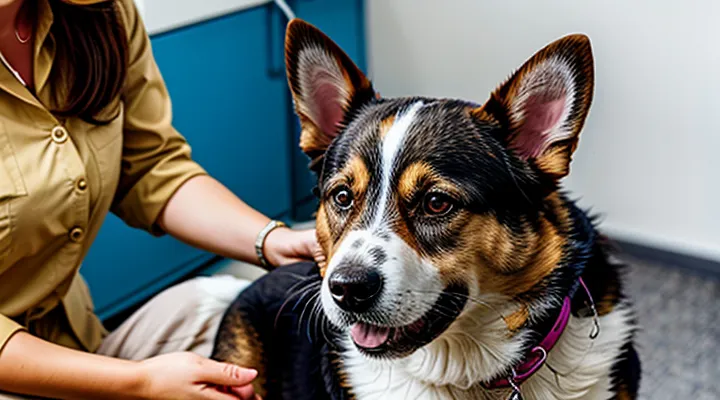
Introduction
Why Vet Visits Are Important
Regular veterinary examinations are essential for maintaining a dog’s health and longevity. Professional assessment provides information that cannot be obtained through home observation alone.
Key benefits of routine appointments include:
- Prevention of common illnesses through scheduled vaccinations and parasite control.
- Early identification of conditions such as heart disease, kidney failure, or cancer, which improves treatment outcomes.
- Evaluation of dental health, reducing the risk of infection that can affect other organ systems.
- Monitoring of weight, nutrition, and exercise needs to prevent obesity and related disorders.
- Adjustment of medication dosages and management plans for chronic ailments like arthritis or endocrine disorders.
- Assessment of behavior and temperament, allowing early intervention for anxiety or aggression issues.
Neglecting regular check‑ups often leads to delayed diagnosis, more invasive treatments, higher veterinary costs, and reduced quality of life for the animal. Preventable diseases may progress to severe stages, diminishing the effectiveness of therapeutic options.
Veterinary professionals recommend at least one annual visit for adult dogs and more frequent appointments for puppies, seniors, or animals with known health problems. Scheduling these examinations in advance ensures timely care and reduces stress for both pet and owner.
The Goal of This Guide
The purpose of this guide is to give dog owners a clear, actionable framework for preparing their pets for a veterinary appointment. It targets stress reduction, safety enhancement, and diagnostic efficiency by aligning owner behavior with the clinic’s expectations.
Key objectives of the guide include:
- Introducing the dog to routine handling and common equipment.
- Outlining the documentation and medication information owners must bring.
- Describing transport techniques that maintain calmness and prevent injury.
- Recommending a brief health check at home to identify issues before arrival.
- Providing conditioning exercises that lessen fear of the clinic environment.
Implementing these steps leads to smoother examinations, faster assessments, and higher cooperation from the animal, ultimately improving the quality of care received.
Before the Appointment
Choosing the Right Vet
Selecting an appropriate veterinary practice is a critical step in ensuring a smooth, stress‑free appointment for your dog. An experienced veterinarian who specializes in canine health can reduce anxiety, improve diagnostic accuracy, and streamline treatment plans.
First, verify the clinic’s credentials. Look for board‑certified veterinarians, state licensing, and affiliations with professional organizations such as the American Veterinary Medical Association. Confirm that the practice maintains up‑to‑date vaccination and parasite‑control protocols, which indicates adherence to current standards.
Second, assess the facility’s environment. A waiting area with separate sections for dogs and cats, calm lighting, and low‑noise flooring helps keep canine patients relaxed. Observe whether staff use non‑threatening handling techniques and whether the examination rooms are equipped with secure, comfortable tables.
Third, consider accessibility and convenience. Proximity to your home, flexible scheduling options, and emergency coverage are practical factors that influence how quickly you can seek care when needed. Evaluate the clinic’s communication channels-online booking, reminder texts, and clear billing statements simplify the preparation process.
Fourth, review client feedback. Online reviews, testimonials, and word‑of‑mouth recommendations reveal patterns in service quality, staff demeanor, and follow‑up care. Prioritize practices with consistently high ratings for compassion and professionalism.
Key criteria for choosing the right vet:
- Board certification and active licensing
- Specialized experience with dogs, including breed‑specific knowledge
- Calm, dog‑friendly facility design
- Transparent pricing and clear communication policies
- Positive client reviews and strong reputation in the community
- Availability of emergency or after‑hours services
Finally, arrange a preliminary visit without an appointment. Use this opportunity to meet the veterinarian, observe the staff’s interaction with your dog, and ask targeted questions about vaccination schedules, preventive care, and handling techniques. A brief, informal assessment provides valuable insight into how the clinic will manage your dog’s future appointments.
By systematically evaluating credentials, environment, convenience, and reputation, you can select a veterinary practice that aligns with your dog’s health needs and minimizes stress during each visit.
Preparing Your Dog Mentally
1. Positive Reinforcement Training
Positive reinforcement training is a cornerstone of effective preparation for a veterinary appointment. By rewarding desired behaviors, owners shape a calm, cooperative response that reduces stress for both dog and clinician.
Begin with short, low‑stakes sessions. Offer a high‑value treat each time the dog approaches the carrier, leash, or examination table without hesitation. Consistency builds an association between these cues and a pleasant outcome.
Progress to simulated procedures. Gently touch the dog’s paws, ears, and mouth while delivering a reward. Repeat until the animal tolerates handling without resistance. This practice mirrors the tactile aspects of a real exam and desensitizes the dog to potential discomfort.
Integrate the carrier into daily routine. Place treats inside, allow the dog to explore voluntarily, and close the door briefly while maintaining a reward schedule. Gradual exposure eliminates fear of confinement, making transport smoother.
During actual travel, maintain the reward pattern. Provide a treat at each milestone-entering the car, arriving at the clinic, and after the examination concludes. The continuous reinforcement reinforces the expectation of a positive experience.
A concise checklist for implementation:
- Identify a high‑value treat that the dog finds irresistible.
- Pair the treat with each target cue (carrier, leash, handling).
- Conduct brief sessions multiple times per day, increasing duration as tolerance grows.
- Simulate veterinary procedures in a controlled environment, rewarding calm acceptance.
- Apply the same reward system during the real visit, including post‑visit praise.
Expert observation confirms that dogs trained with this method display reduced cortisol levels, lower heart rates, and fewer escape attempts during appointments. Consistent application of positive reinforcement therefore streamlines the preparation process and supports the animal’s overall welfare.
2. Acclimating to Carriers/Crates
As a veterinary behavior specialist, I advise owners to treat the carrier or crate as a permanent piece of the dog's environment, not a temporary tool. Introduce the enclosure in a low‑stress setting: place it in a quiet room, keep the door open, and allow the dog to explore voluntarily. Offer high‑value treats and favorite chew toys inside to create a positive association.
Key steps for successful acclimation:
- Position the carrier on a comfortable surface and line it with a familiar blanket.
- Feed meals inside the enclosure several times a day, gradually extending the time the dog remains after eating.
- Practice short confinement periods while the owner is present, rewarding calm behavior with praise and treats.
- Increase duration incrementally, aiming for at least 15‑20 minutes before attempting transport.
- Conduct a brief car ride without a veterinary appointment to reinforce the carrier’s neutrality.
Consistent exposure reduces anxiety during actual visits. Once the dog willingly enters and remains relaxed for extended periods, the carrier can be used for transport to the clinic without additional stress.
3. Handling Exercises
As a veterinary behavior specialist, I stress that handling exercises are essential for a smooth clinic encounter. Regular practice reduces stress, facilitates examination, and lowers the risk of injury to both dog and staff.
Begin with short, low‑stress sessions. Use treats and calm voice to reward cooperation. Progress gradually, increasing duration and complexity only after the dog remains relaxed.
Key exercises:
- Paw and leg manipulation - Gently hold each paw, apply light pressure to the pads, and flex the toes. Follow with a brief massage of the lower leg. Reward immediately.
- Ear and muzzle handling - Lightly cup the ear, rotate, and briefly open the mouth to examine teeth. Use a soft cloth if the dog is hesitant.
- Neck and chest restraint - Place one hand under the chin, the other behind the front legs, mimicking a physical exam. Hold for a few seconds, then release.
- Leash desensitization - Attach a leash, walk a few steps, pause, and practice gentle pulling and releasing. This mirrors the restraint used during transport.
- Crate acclimation - Encourage the dog to enter a crate voluntarily, close the door briefly, and open it while offering a treat. Extend the closure time over several sessions.
Consistency matters. Conduct each exercise 2-3 times per week, keeping sessions under five minutes. Observe the dog’s body language; stop if signs of fear appear and revert to a calmer stage before proceeding.
By integrating these handling drills into daily routine, owners build confidence in their dogs, resulting in a calmer veterinary visit and more accurate clinical assessment.
Preparing Your Dog Physically
1. Exercise Before the Visit
Regular physical activity before a veterinary appointment reduces anxiety and improves cooperation. A calm, exercised dog is less likely to resist handling, making examinations smoother and decreasing the risk of injury to both animal and staff.
- Schedule a brisk walk or jog at least 30 minutes prior to the trip. Aim for a pace that elevates heart rate without exhausting the dog.
- Incorporate short bursts of fetch or tug‑of‑war to engage both mind and body. Limit each session to 5-10 minutes to avoid overstimulation.
- End the routine with a calm cool‑down walk, allowing the dog to sniff familiar scents and settle into a relaxed state.
- Offer water after exercise, but monitor intake to prevent excessive drinking before the visit, which could interfere with diagnostic procedures.
Consistent pre‑visit exercise establishes a predictable routine, helping the dog associate the clinic trip with a calm, controlled environment rather than a stressful event.
2. Fasting Instructions (if applicable)
Fasting is required for diagnostic tests that involve anesthesia, blood work, or imaging, because food in the stomach can affect results and increase the risk of aspiration.
- Withhold solid food for 8-12 hours before the appointment; the exact duration depends on the dog’s size, age, and the procedure.
- Allow access to fresh water up to the time of the visit, unless the veterinarian explicitly advises otherwise.
- If the dog is a puppy, a senior, or has a medical condition such as diabetes, adjust the fasting period under veterinary guidance to prevent hypoglycemia.
- Monitor the dog for signs of distress, weakness, or excessive panting during the fasting window; contact the clinic immediately if any abnormal symptoms appear.
When a dog refuses to eat the night before, do not force additional fasting. Offer a small, bland snack (e.g., boiled chicken) no more than 30 minutes before the cutoff time, then resume the standard fasting interval.
If the scheduled procedure does not require anesthesia, the veterinarian may waive the fasting requirement; always confirm with the clinic staff prior to the visit.
By following these precise guidelines, owners ensure safe, accurate diagnostic outcomes and reduce the likelihood of complications during the veterinary encounter.
3. Potty Breaks
When a dog is taken to a veterinary appointment, a well‑timed potty break reduces stress and prevents accidents during transport. Schedule the last bathroom opportunity no later than 30 minutes before leaving the house; this interval allows the bladder to empty while minimizing the urge to go again while en route.
- Choose a quiet, familiar spot for the pre‑visit break to encourage prompt elimination.
- Use a leash or harness to guide the dog calmly, keeping the walk brief and focused.
- Offer a small amount of water 15 minutes before departure; this stimulates urination without causing excessive drinking.
- If the journey exceeds an hour, plan a midway stop at a safe, clean area for a quick potty pause, then resume travel promptly.
- After the appointment, provide an additional opportunity to relieve itself within 15 minutes, reinforcing the routine and ensuring comfort.
The Day of the Appointment
Travel to the Clinic
1. Car Safety
When transporting a dog to a veterinary appointment, secure restraint in the vehicle is essential for the animal’s safety and for driver focus. Use a dedicated pet carrier that fits the back seat or a crash‑tested dog harness attached to the seat belt. Position the carrier on the rear bench, away from airbags, and fasten it with the vehicle’s seat belt to prevent movement during sudden stops.
Select a harness that distributes pressure across the chest and shoulders rather than the neck. Adjust straps so the dog cannot slip out but remains comfortable. Connect the harness to the seat belt using a tether designed for pet safety; avoid improvised knots or rope.
Before departure, verify that windows are partially closed to limit drafts while still allowing ventilation. Keep the interior temperature within a moderate range; extreme heat or cold can cause distress. Store food, treats, and toys in sealed containers to prevent spills that could distract the driver.
During the drive, maintain a steady speed and avoid abrupt acceleration or braking. If the journey exceeds 30 minutes, schedule a short pause to allow the dog to relieve itself in a secure, leashed environment. Ensure the leash is attached to a sturdy collar or harness, not a fragile collar that could break.
Key car‑safety actions
- Install a crash‑tested carrier or harness anchored to the seat belt.
- Place the restraint on the rear seat, away from airbags.
- Adjust straps for a snug, comfortable fit.
- Keep windows partially closed and monitor cabin temperature.
- Secure food and accessories in sealed containers.
- Drive smoothly; limit sudden maneuvers.
- Offer a brief, leashed break for long trips.
Adhering to these practices minimizes injury risk, reduces driver distraction, and creates a calmer environment for the veterinary examination.
2. Leash and Collar Security
Ensuring a secure leash and collar is essential for a stress‑free veterinary appointment. A properly fitted collar prevents accidental escape and reduces the risk of injury during handling. Check that the collar slides comfortably over the dog’s head, sits snugly against the neck, and allows two fingers to fit between the material and the skin. Replace collars that show signs of wear, fraying, or looseness.
Select a leash that matches the dog’s size and strength. A sturdy, non‑elastic leash provides precise control; avoid retractable models that can snag or snap under tension. Attach the leash to the collar or harness using a reliable, rust‑resistant clasp. Verify the clasp’s integrity before each trip.
Consider a harness for dogs that pull or have neck sensitivities. A front‑clip harness distributes pressure across the chest and discourages pulling, while a back‑clip design offers support for larger breeds. Ensure the harness straps are adjusted to a firm yet comfortable fit, with no gaps that allow the dog to slip out.
Routine checks improve reliability:
- Inspect collar and leash for damage weekly.
- Test the clasp’s grip by applying gentle pressure.
- Confirm the fit after any weight change or growth spurt.
- Keep a spare collar and leash in the vehicle for emergencies.
By maintaining a well‑fitted collar or harness and a robust leash, owners minimize anxiety for both the dog and veterinary staff, facilitating smoother examinations and procedures.
At the Clinic
1. Waiting Room Etiquette
As a veterinary professional, I observe that the waiting area sets the tone for the entire appointment. Proper conduct reduces stress for both pets and staff, and it streamlines the workflow.
- Keep your dog on a leash or in a carrier at all times. A secure restraint prevents sudden movements that could disturb other clients.
- Use a calm, low‑voice when speaking near other animals. Elevated volume can trigger anxiety in nearby dogs.
- Avoid bringing treats or food items into the waiting room. Unintended sharing may lead to conflicts or dietary issues.
- Clean up any waste immediately. Dispose of bags in the designated receptacles to maintain hygiene.
- Respect the allotted space. Do not crowd the seating area; allow other owners to sit comfortably.
- If your dog shows signs of agitation, step outside briefly or request assistance from staff. Prompt intervention prevents escalation.
- Refrain from allowing other pets to interact with your dog without permission. Unsupervised play can result in injuries or spread of disease.
- Keep personal belongings organized and out of the way of foot traffic. Loose items increase tripping hazards.
Adhering to these practices creates a predictable environment, minimizes disruptions, and contributes to a smoother examination process.
2. Managing Stress and Anxiety
Managing stress and anxiety is essential for a successful veterinary appointment. Dogs that remain calm are less likely to resist handling, which reduces the risk of injury to both the animal and staff.
Begin with gradual exposure. Introduce the carrier, leash, and examination table in short, positive sessions. Pair each encounter with high‑value treats and calm verbal praise. Repeat the sequence daily until the dog approaches the items without tension.
Implement a predictable pre‑visit routine. A 15‑minute walk the morning of the appointment exhausts excess energy and lowers arousal levels. Feed the dog at the usual time, avoiding a heavy meal immediately before travel to prevent gastrointestinal discomfort.
Utilize environmental aids. Synthetic pheromone diffusers placed in the carrier emit calming signals that many dogs find soothing. Anxiety wraps apply gentle, uniform pressure, mimicking a reassuring hug. Soft classical music played at low volume can further diminish cortisol spikes.
Coordinate with the veterinary team. Inform the clinic of any known anxieties; many offices offer separate waiting areas or allow the owner to stay in the examination room. Request a short, quiet examination slot to minimize exposure to other stressed animals.
When behavioral techniques are insufficient, consult a veterinarian about pharmacological options. Short‑acting anxiolytics or antihistamines can be administered 30 minutes before departure, providing a temporary reduction in nervousness without long‑term sedation.
Maintain consistency after the visit. Reinforce calm behavior with praise and treats, and resume regular exercise and feeding schedules. Repeated positive experiences gradually reshape the dog’s emotional response, making future appointments smoother.
2.1. Calming Techniques
Preparing a dog for a veterinary appointment requires proactive stress reduction. Effective calming methods can be implemented several days before the visit and reinforced on the day of travel.
- Establish a predictable routine: feed, walk, and rest at the same times each day to create a sense of stability.
- Introduce a familiar scent: place a piece of the dog’s bedding or a favorite blanket in the carrier to provide a comforting aroma.
- Use low‑intensity music or white noise: play soothing sounds for 15-20 minutes twice daily to lower physiological arousal.
- Apply a calibrated pressure wrap or anxiety vest: ensure the garment fits snugly without restricting movement, which can produce a calming pressure effect.
- Offer a pheromone diffuser or spray: release synthetic canine calming pheromones in the carrier and surrounding area 30 minutes before departure.
- Conduct short exposure sessions: place the dog in the carrier for a few minutes, reward calm behavior, and gradually extend the duration over several sessions.
- Administer veterinarian‑approved anxiolytics: consult the clinic for appropriate dosages of short‑acting medication if the animal exhibits severe anxiety.
During the journey, maintain a calm voice, avoid sudden movements, and keep the carrier stable. Offer a small treat immediately after the dog settles, reinforcing the association between travel and positive outcomes. These techniques, applied consistently, reduce stress hormones and improve cooperation during the examination.
2.2. Distraction Methods
Effective distraction reduces anxiety and improves cooperation during veterinary examinations.
Select a high‑value treat that the dog readily accepts, and reserve it exclusively for clinic visits. Offer the treat immediately before handling each body part, shifting the animal’s focus from the procedure to the reward.
Introduce a sturdy chew toy or a puzzle feeder that requires manipulation. The activity occupies the mouth and paws, limiting attention to the veterinarian’s actions.
Employ auditory diversion by playing a recording of calming music or the dog’s favorite sounds at a low volume. Consistent background noise masks unfamiliar clinic noises and sustains a relaxed mental state.
Utilize scent cues such as a dab of familiar essential oil (e.g., lavender) on a cloth placed near the examination table. The familiar aroma competes with the clinical environment’s odors, encouraging steadier behavior.
Implement brief physical redirection: ask the handler to engage the dog in a short “sit‑stay” or “down” command, then reward compliance. The brief training exercise interrupts the stress response and reinforces positive engagement.
Distraction toolbox
- High‑value treat (reserved for clinic)
- Durable chew toy or puzzle feeder
- Low‑volume calming audio
- Familiar scent (lavender, chamomile)
- Quick obedience cue with reward
Rotate these techniques to prevent habituation. Consistent use conditions the dog to associate veterinary visits with positive stimuli, facilitating smoother examinations.
3. Interacting with Staff
When you enter the clinic, greet the receptionist with a calm voice and a brief introduction of your dog’s name, age, and any recent health changes. This establishes a clear line of communication from the start.
- State the purpose of the visit (routine exam, vaccination, specific concern) in one sentence.
- Provide the veterinarian’s name if you have a regular practitioner; otherwise, ask who will be handling the case.
- Offer a concise medical history: previous illnesses, surgeries, allergies, and current medications.
- Mention any behavior cues your dog exhibits (e.g., fear of carriers, tendency to pull) so staff can adjust handling techniques.
During the examination, keep the leash short but relaxed, allowing the veterinarian to see the dog’s posture without restriction. Answer questions directly, using specific terms rather than vague descriptions. If the veterinarian suggests a procedure, acknowledge understanding by repeating the key point (e.g., “You’ll take a blood sample from the left leg”). This confirms that both parties share the same expectations.
If you need clarification, ask concise questions such as “What will the anesthesia involve?” or “How long will recovery take?” Avoid lengthy explanations that can obscure the core issue. When the staff offers advice on post‑visit care, note the instructions verbatim and confirm any dosage or timing details before leaving.
Finally, thank the team for their assistance and confirm the follow‑up schedule. A brief expression of appreciation reinforces a cooperative relationship and encourages consistent, high‑quality care for your dog.
During the Examination
Communicating with the Vet
Effective communication with the veterinarian is essential for a smooth appointment and accurate diagnosis. Begin by gathering the dog’s medical history: vaccination dates, previous illnesses, allergies, current medications, and any recent behavioral changes. Present this information in a concise written summary or on a digital note to avoid forgetting details during the consultation.
When describing symptoms, use specific observations rather than vague terms. Record the onset, frequency, duration, and severity of each issue. For example, note “persistent coughing for three days, occurring after exercise, lasting 15‑20 seconds” instead of “the dog coughs a lot.” Precise language helps the clinician differentiate between possible conditions.
Prepare a short list of questions in advance. Prioritize topics such as treatment options, expected recovery times, potential side effects, and cost considerations. Asking clear, focused questions prevents misunderstandings and ensures that critical information is addressed before the appointment ends.
Listen actively to the veterinarian’s explanations. Summarize key points back to the professional to confirm understanding: “So the recommended treatment is a 10‑day course of medication X, with a follow‑up visit in two weeks?” This technique reduces the risk of misinterpretation and demonstrates engagement.
If language barriers exist, request written instructions or visual aids. Many clinics provide handouts or online resources that reinforce verbal guidance. Requesting clarification is preferable to proceeding with uncertainty.
Finally, document the veterinarian’s recommendations immediately after the visit. Include dosage instructions, dietary changes, activity restrictions, and any scheduled follow‑ups. Maintaining an up‑to‑date record simplifies future appointments and supports consistent care.
What to Expect During the Exam
As a seasoned veterinary professional, I outline the sequence you will observe when your dog is examined.
The appointment begins with administrative steps: confirmation of the dog’s identity, recording of breed, age, and any recent health changes, followed by measurement of weight and temperature. These data provide a baseline for the clinician’s assessment.
The physical examination proceeds through several focused actions:
- Visual inspection of coat, eyes, ears, and mouth for abnormalities.
- Palpation of the abdomen, lymph nodes, and joints to detect pain, swelling, or masses.
- Auscultation of heart and lung sounds to evaluate rhythm and respiratory function.
- Oral examination to identify dental disease, gum inflammation, or foreign objects.
If the initial findings suggest further investigation, the veterinarian may recommend specific diagnostics:
- Blood sampling for complete blood count and biochemical profile.
- Urinalysis to assess kidney function and detect infection.
- Radiographs or ultrasound to visualize skeletal structures, organs, and soft tissue.
- Fecal flotation or parasitic screening when gastrointestinal issues are suspected.
After completing the exam and any tests, the clinician discusses the results, outlines any required treatments, and provides a care plan tailored to the dog’s condition. This transparent exchange ensures you understand the health status and the steps needed to maintain or improve it.
Staying Calm for Your Dog
A calm dog tolerates examination, reduces stress hormones, and minimizes the risk of injury to itself and staff. Achieving composure begins before the appointment and continues through the waiting area, transport, and the examination room.
- Schedule a brief walk or play session at least 30 minutes before departure to expend excess energy.
- Use a well‑fitted harness or carrier that the dog associates with positive experiences; attach a familiar blanket or toy.
- Apply a calibrated synthetic pheromone spray or plug‑in to the carrier and the vehicle interior 10 minutes prior to loading.
- Practice short “mock visits” at home: ring the doorbell, walk to a designated “exam table,” and reward calm behavior with high‑value treats.
- Teach a reliable “stay” or “wait” cue; reinforce it in noisy environments to ensure the dog remains still when the clinic door opens.
- If the dog shows severe anxiety, consult a veterinarian about short‑acting anti‑anxiety medication or a calming supplement administered on the day of travel.
During the drive, keep the temperature moderate, play soft background music, and avoid sudden stops. In the clinic, request a quiet examination room, limit the number of people handling the dog, and maintain a steady, reassuring voice. Reward calm posture immediately after the exam with a favorite treat and a brief affection session. Consistent reinforcement of these practices builds a predictable, low‑stress response that benefits both the animal and the veterinary team.
After the Visit
Post-Visit Care
As a veterinary professional, I advise owners to implement a structured routine immediately after a clinic appointment to promote recovery and reduce stress.
First, observe the dog for at least 15 minutes before allowing unrestricted movement. Check the incision site, if any, for swelling, bleeding, or discharge. Record temperature, heart rate, and respiratory rhythm if the veterinarian provided baseline values.
Administer prescribed medication exactly as directed:
- Use the correct dosage measured with a calibrated syringe or pill splitter.
- Follow the timing schedule without deviation; set alarms if necessary.
- Store oral liquids in a cool, dark place to preserve potency.
Nutrition requires attention. Offer a light, easily digestible meal within two hours, unless the veterinarian instructed fasting. Provide fresh water at all times, but monitor intake to detect potential vomiting or diarrhoea.
Physical activity should remain limited for 24-48 hours. Short leash walks are acceptable; avoid vigorous play, jumps, or stairs. If the dog appears uncomfortable, support the abdomen with a soft bandage only if instructed.
Schedule a follow‑up appointment according to the treatment plan. Document all observations, medication logs, and any deviations from expected recovery patterns. This record assists the veterinarian in adjusting care promptly.
Observing Your Dog's Behavior
Observing a dog’s behavior before a veterinary appointment provides critical clues about its comfort level, stress triggers, and potential health issues. An expert assessment begins with baseline monitoring: note the animal’s typical activity patterns, appetite, and interaction with owners. Any deviation from these norms-such as reduced eating, reluctance to move, or sudden aggression-signals heightened anxiety or underlying discomfort that may affect the clinic experience.
Physical cues reveal the dog’s emotional state. Rapid panting, trembling, pinned ears, or a tucked tail indicate fear, while a relaxed posture, normal breathing, and steady eye contact suggest confidence. Monitor vocalizations; excessive whining or growling often precede stress. Record the frequency and context of these signs to communicate precise observations to the veterinarian.
Behavioral patterns observed during routine walks or at home can inform preparation strategies. For example:
- Reluctance to enter cars or carriers points to transportation anxiety; gradual desensitization with short, positive trips can mitigate this.
- Resistance to handling of paws, ears, or mouth signals sensitivity; daily gentle touch sessions build tolerance.
- Avoidance of other animals or people may require controlled exposure to reduce social stress.
By documenting these observations and sharing them with the veterinary team, owners enable targeted interventions-such as pre‑visit calming techniques, adjusted handling methods, or specific medical assessments-thereby improving the dog’s overall experience and the efficiency of the clinical visit.
Follow-up Appointments
As a veterinary professional, I emphasize that follow‑up appointments are a critical component of successful canine care. After the initial examination, schedule the next visit before leaving the clinic; this eliminates uncertainty and ensures timely monitoring of the treatment plan.
When arranging a follow‑up, consider the following actions:
- Confirm the purpose of the appointment (e.g., wound check, medication adjustment, re‑evaluation of test results).
- Record the date, time, and any required preparation (fasting, medication withholding).
- Request a written reminder via email or text to reduce missed appointments.
- Verify that the clinic has up‑to‑date contact information for the owner.
During the interval between visits, maintain a log of the dog’s behavior, appetite, and any side effects. Bring this log to the follow‑up, along with the medication bottle and any recent lab reports. Clear documentation enables the veterinarian to assess progress accurately and modify the plan if necessary.
If the dog fails to attend a scheduled follow‑up, contact the owner promptly to reschedule. Prompt rescheduling prevents complications, reinforces compliance, and supports the overall health outcome for the animal.