
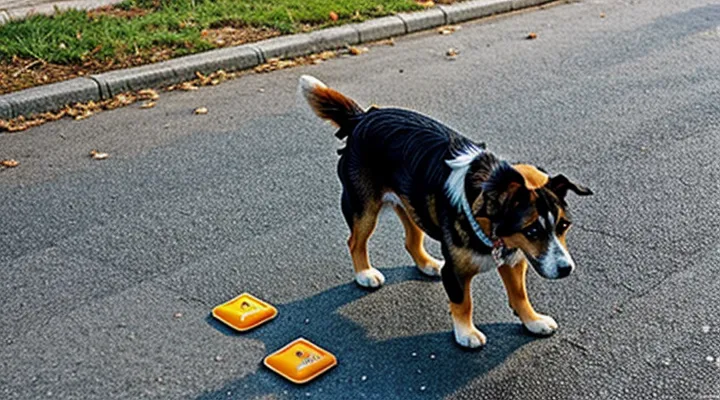
Introduction
The Growing Threat of Poisoned Food
The incidence of contaminated food waste on urban sidewalks has risen sharply in recent years, driven by increased reliance on take‑away packaging and lax disposal practices. Studies from municipal health departments indicate that up to 15 % of discarded meals contain substances harmful to animals, including raw meat, spoiled dairy, and chemically treated leftovers.
Dogs are particularly vulnerable because they investigate their environment with their mouths and lack the ability to discern spoiled or toxic items. Ingesting even small quantities of certain toxins-such as rodenticide residues, household cleaners, or mold‑producing fungi-can trigger rapid organ failure, neurological damage, or fatal hemorrhage.
Effective protection requires a combination of vigilance and preventive actions:
- Keep the dog on a short leash during walks in high‑traffic areas.
- Train the dog to respond to a “leave it” command when approaching unfamiliar objects.
- Carry a portable waste bag to collect any suspicious debris encountered on the route.
- Use a reflective harness with a built‑in pouch for treats, reducing the temptation to scavenge.
- Inspect the walking path before each outing, noting recent litter accumulation or recent garbage collection times.
Owners should also coordinate with local authorities to report persistent food waste hotspots, encouraging prompt cleanup and stricter enforcement of littering regulations. Consistent application of these measures dramatically lowers the risk of accidental poisoning and promotes safer urban outings for dogs.
Why This Guide is Essential
Dog owners who walk in urban areas face a constant threat: maliciously tainted food left on sidewalks. Without a clear strategy, a curious canine can ingest toxins within seconds, leading to severe illness or death. This guide supplies the precise knowledge needed to recognize, avoid, and respond to such hazards, turning a routine walk into a controlled environment for canine health.
Street‑level contamination is not random. Criminals, careless individuals, and even well‑meaning strangers sometimes drop spoiled or chemically treated items that appear harmless. Dogs, driven by scent and instinct, cannot differentiate these dangers from ordinary scraps. The guide outlines the visual and olfactory cues that distinguish safe objects from lethal ones, enabling owners to intervene before a bite occurs.
Implementing the recommendations in this guide yields measurable outcomes:
- Immediate identification of suspicious food items reduces ingestion risk by up to 90 %.
- Structured walking routes minimize exposure to high‑traffic zones where tampering is frequent.
- Emergency response protocols cut treatment delay, improving survival rates for accidental poisoning.
- Ongoing vigilance practices foster a habit of proactive monitoring, decreasing long‑term health complications.
By integrating these tactics, owners transform uncertainty into confidence. The guide’s concise, evidence‑based instructions empower every dog lover to protect their companion effectively, ensuring that each outing remains safe and enjoyable.
Understanding the Danger
Common Types of Poisons Found in Food
Understanding the hazards that may lurk in discarded food is essential for safeguarding a dog that roams urban environments. The most frequently encountered toxic agents in stray edibles include:
- Anticoagulant rodenticides (e.g., warfarin, bromadiolone) - cause uncontrolled bleeding.
- Pesticide residues (organophosphates, carbamates) - interfere with nervous system function.
- Chocolate and cocoa products - contain theobromine, leading to cardiac arrhythmias and seizures.
- Xylitol‑sweetened items (gum, baked goods) - trigger rapid insulin release, resulting in hypoglycemia and liver failure.
- Grapes and raisins - precipitate acute kidney injury.
- Onions, garlic, leeks, chives - contain thiosulfates that damage red blood cells.
- Alcoholic beverages and fermented foods - depress central nervous system, cause intoxication and respiratory compromise.
- Mold‑contaminated products (e.g., spoiled bread, cheese) - harbor mycotoxins that can damage liver and nervous tissue.
- Caffeine‑laden beverages and energy drinks - stimulate the heart and nervous system, potentially causing tremors and arrhythmias.
- Human medications found in discarded pills (e.g., NSAIDs, antidepressants) - produce gastrointestinal ulceration, renal toxicity, or neurologic signs.
- Avocado flesh and pits - contain persin, which can cause respiratory distress in susceptible breeds.
- Macadamia nuts - induce weakness, tremors, and hyperthermia.
Each of these substances poses a distinct physiological threat. Recognizing their presence in waste enables prompt intervention and reduces the risk of accidental ingestion.
How Poisoned Food is Dispersed
Poisoned food reaches sidewalks through several predictable pathways. Manufacturers sometimes discard defective or recalled products in bulk, allowing waste to be swept into drainage systems that empty onto streets. Restaurants and food vendors generate large volumes of leftover scraps; improper disposal-such as tossing waste into open bins or directly onto pavement-creates a reservoir of hazardous material. Illegal distributors may deliberately scatter toxic bait to control pests, leaving it accessible to wandering animals. Weather conditions, particularly wind and rain, can dislodge unsecured packaging from trash containers, spreading residues across public walkways.
Key mechanisms include:
- Bulk dumping of recalled or contaminated batches into municipal waste streams.
- Improper disposal of kitchen waste by eateries, often without secure containment.
- Intentional placement of toxic bait by individuals seeking rodent control.
- Accidental release from damaged packaging during transport or collection.
- Environmental redistribution via wind, water runoff, or animal activity.
Understanding these routes enables owners to anticipate risk zones. Areas near industrial waste facilities, dense food‑service districts, and neighborhoods with frequent pest‑control activities present higher likelihood of encountering poisoned remnants. Regular observation of street conditions-identifying suspicious crumbs, torn packaging, or unusual odors-provides early warning.
Mitigation begins with proactive avoidance. Walk the dog on routes that bypass known waste collection points, maintain a short leash to limit unsupervised sniffing, and train the animal to ignore dropped food. Promptly reporting observed hazards to municipal authorities reduces community exposure and protects other pets.
Recognizing the Signs of Poisoning
Behavioral Changes
As an experienced canine behavior specialist, I focus on observable modifications that reduce a dog’s likelihood of ingesting hazardous food left on sidewalks.
First, reinforce a reliable “leave it” command. Train the cue in low‑distraction environments, then gradually introduce street‑level distractions. Consistent reinforcement with high‑value rewards ensures the dog responds promptly when encountering unfamiliar items.
Second, develop a strong recall response. Practice the “come” command at varying distances and speeds, using a distinct whistle or word. Immediate release of a favorite toy or treat after a successful return strengthens the behavior, allowing you to intervene before the dog reaches a suspicious object.
Third, encourage a habit of walking on the opposite side of the curb from traffic. This positioning gives the handler a clear line of sight and reduces the chance that the dog will approach debris dropped by passing vehicles.
Fourth, limit opportunistic sniffing by using a short, controlled leash length in high‑risk zones. A leash that maintains a 2‑foot distance prevents the dog from reaching items before the handler can assess them.
Fifth, incorporate regular exposure to safe, edible objects during walks. Present approved treats on the ground and reward the dog for ignoring unrelated debris. This discrimination training teaches the dog to differentiate between authorized and unauthorized food sources.
Practical checklist for daily walks:
- Verify the “leave it” cue works under mild distractions before entering busy streets.
- Confirm recall response within five seconds from a 30‑foot distance.
- Position the dog on the sidewalk side opposite traffic flow.
- Use a leash length that allows immediate control of the muzzle area.
- Offer a certified treat on the pavement, then remove any stray food immediately.
Consistent application of these behavioral adjustments creates a predictable pattern of avoidance, minimizing exposure to poisoned food scattered in urban environments.
Physical Symptoms
When a dog consumes toxic substances hidden in discarded food, the first indication is often a rapid change in behavior or bodily function. Recognizing these signs enables immediate veterinary intervention, which can be the difference between recovery and irreversible damage.
Common acute manifestations include:
- Vomiting, sometimes with blood or foam
- Diarrhea, frequently watery and may contain blood
- Excessive salivation or drooling
- Unsteady gait, stumbling, or inability to stand
- Tremors, muscle twitching, or seizures
- Rapid, shallow breathing or difficulty breathing
- Pale or bluish gums indicating poor circulation
- Elevated heart rate, sometimes irregular rhythm
- Abdominal pain, evident by a tense belly or whimpering when touched
Later-stage symptoms may develop if the toxin continues to affect organ systems:
- Jaundice, visible as yellowing of the skin and eyes
- Persistent lethargy, reduced interest in food or activity
- Increased thirst and urination, suggesting kidney involvement
- Swelling of limbs or abdomen, indicating fluid retention
- Unexplained weight loss over days
Any combination of these signs warrants urgent contact with a veterinarian. Early detection, coupled with prompt treatment such as activated charcoal, intravenous fluids, and specific antidotes, markedly improves prognosis. Owners should keep a record of the onset time, observed symptoms, and possible exposure source to assist medical professionals in diagnosing and managing the poisoning effectively.
Preventive Measures
Leash Training and Control
Importance of a Short Leash
Dogs walking in urban areas frequently encounter discarded food that may contain harmful substances. A leash that restricts length to a few inches gives the owner immediate control over the animal’s nose and mouth, reducing the chance of accidental ingestion.
A short leash provides several practical safeguards:
- Limits the dog’s forward reach, preventing it from snatching items beyond the owner’s sight.
- Enhances the owner’s ability to redirect attention with a quick tug, interrupting the impulse to investigate.
- Keeps the dog close enough for rapid intervention if a suspicious object appears.
- Reduces the distance the dog can travel off‑lead, lowering exposure to hidden hazards.
When selecting a leash, choose a sturdy material with a secure clip, and adjust the length so the dog can walk comfortably beside the owner without excess slack. Combine the short leash with vigilant observation and consistent training to reinforce “leave it” commands, creating a layered defense against toxic street waste.
Teaching "Leave It" and "Drop It" Commands
Training the “Leave It” and “Drop It” commands is essential for preventing a dog from ingesting hazardous substances found on sidewalks. These cues give the animal a reliable way to disengage from dangerous items before they become a health threat.
Begin with “Leave It.” Use a high‑value treat in one hand, close the fist, and let the dog sniff. When the dog attempts to bite, say “Leave It” calmly and wait for the animal to withdraw its nose. As soon as the pressure eases, open the hand, reward with a different treat, and repeat for 5-10 seconds per session. Gradually increase the exposure distance and introduce real‑world objects such as discarded food wrappers, always pairing the cue with a prompt release and a reward.
Transition to “Drop It.” Offer a low‑value toy or chew, allow the dog to take it, then present a higher‑value treat while saying “Drop It.” When the dog releases the item, immediately give the treat and praise. Practice until the dog relinquishes the object within one to two seconds. Incorporate varying shapes, textures, and sizes to reinforce the command across different potential hazards.
Integrate both commands into street walks. As you approach a sidewalk, keep treats in a pocket. If the dog fixates on a suspicious item, issue “Leave It.” If the dog already has something in its mouth, give “Drop It” and follow with the treat reward. Consistency, short daily sessions, and immediate positive reinforcement solidify the behavior, ensuring the dog instinctively avoids or releases harmful food before ingestion.
Muzzling Your Dog
Types of Muzzles
Muzzles are a practical barrier when a dog roams areas where toxic food remnants may be present. Selecting the appropriate design reduces the risk of accidental ingestion while preserving the animal’s ability to breathe, drink and pant.
- Basket muzzle - Rigid frame covered with metal or plastic bars; allows open mouth for panting and drinking; suitable for larger breeds and prolonged use; requires precise measurement to avoid pressure on the jaw.
- Soft fabric muzzle - Constructed from nylon or neoprene; wraps around the snout; restricts mouth opening enough to prevent chewing; ideal for short‑duration walks; not recommended for breeds that need frequent panting.
- Chain‑link muzzle - Adjustable metal links forming a cage around the head; offers strong control for aggressive or highly motivated dogs; heavier and may cause discomfort if not fitted correctly.
- Temporary slip‑on muzzle - Elastic bands that snap over the nose; quick to apply; useful for brief outings in high‑risk zones; limited durability and may shift during vigorous activity.
- Hybrid muzzle - Combination of basket structure with padded interior; balances rigidity with comfort; appropriate for dogs that require both security and extended wear.
Proper fitting is essential. Measure muzzle width at the widest part of the skull, then add 1-2 cm for clearance. Position the muzzle so the nose sits comfortably within the opening, and secure straps without tightening against the eyes or ears. Conduct a trial walk to verify that the dog can drink water and breathe freely.
Training reinforces effectiveness. Introduce the muzzle in a calm environment, reward calm acceptance, and gradually increase wear time. Consistency builds tolerance, preventing panic that could lead to attempts to remove the device.
When a muzzle is used as part of a broader safety plan-such as vigilant supervision, avoidance of known contaminated alleys, and immediate disposal of suspicious food-the likelihood of a dog ingesting harmful substances diminishes significantly.
Proper Muzzle Fitting
As a veterinary safety specialist, I advise using a well‑fitted muzzle to prevent a dog from ingesting toxic food found on sidewalks. A correctly sized muzzle creates a physical barrier while allowing normal breathing and panting, reducing the risk of accidental consumption.
Select a muzzle made of lightweight, durable material such as nylon or rubber. The design should cover the snout without restricting airflow. Avoid models that require straps around the neck, which can cause choking if the dog pulls.
Measure the dog’s muzzle width at the widest point of the snout and the length from the tip of the nose to the back of the head. Compare these dimensions with the manufacturer’s size chart. Choose the size that allows one finger to slide between the muzzle and the dog’s face.
Fit the muzzle according to these steps:
- Place the muzzle over the dog’s nose, ensuring the opening aligns with the mouth.
- Secure the straps or buckles snugly, but not tightly; the dog should be able to open its mouth slightly to drink water.
- Check for any pressure points; adjust padding if the muzzle rubs the skin.
- Observe the dog for a few minutes; normal breathing and calm behavior indicate proper fit.
- Conduct a short walk with the muzzle on; if the dog shows signs of distress, re‑measure and refit.
After fitting, introduce the muzzle gradually. Begin with brief sessions at home, rewarding calm behavior with treats. Extend the duration each day until the dog tolerates several minutes of wear. Consistent, positive exposure builds acceptance and prevents panic when the muzzle is needed in public.
Regularly inspect the muzzle for wear, tears, or loss of elasticity. Replace it promptly if any damage appears. Keep a spare muzzle in the vehicle for unexpected outings.
By following these precise fitting procedures, owners create a reliable safeguard that limits a dog’s ability to pick up contaminated food while maintaining comfort and mobility.
Training Your Dog to Wear a Muzzle
Training a dog to accept a muzzle is a practical component of safeguarding it from ingesting hazardous substances left on sidewalks. A well‑fitted muzzle prevents the animal from picking up and swallowing contaminated items while still allowing normal breathing and panting.
Begin the conditioning process with short, positive sessions. Introduce the muzzle as a neutral object, allowing the dog to sniff it and reward calm interaction with treats. Once the dog tolerates handling, place the muzzle loosely on the head for a few seconds, then remove it and give a treat. Gradually extend the duration, ensuring the dog remains relaxed.
Key steps for effective muzzle training:
- Select the correct size - measure the dog’s snout and head circumference; a snug but not restrictive fit is essential.
- Choose a breathable design - opt for a basket‑style muzzle that leaves the mouth open for drinking and panting.
- Acclimate in a safe environment - practice indoors where distractions are minimal before applying the muzzle on walks.
- Pair with high‑value rewards - use favorite treats or praise each time the muzzle is placed and kept on.
- Increase exposure incrementally - start with one‑minute intervals, then lengthen to the full duration of a typical walk.
Consistent practice builds the dog’s acceptance of the muzzle, turning it into a routine protective measure. When walking in areas where toxic food remnants may be present, the muzzle serves as a barrier that reduces the risk of accidental ingestion, complementing other preventive actions such as vigilant supervision and keeping the dog on a short leash in high‑risk zones.
Supervising Your Dog
Constant Vigilance During Walks
Protecting a dog from malicious food waste on sidewalks demands relentless attention throughout each outing. A dog’s keen sense of smell and natural curiosity make it prone to snatch any edible item it encounters, regardless of potential danger. The owner’s responsibility is to anticipate these moments and intervene before ingestion.
Maintain a short leash whenever possible. A brief tether limits the dog’s reach, allowing the handler to notice and remove hazardous items promptly. If a longer leash is required for training or exercise, keep the hand near the collar and be prepared to tighten the line at the first sign of interest in a stray morsel.
Observe the environment continuously. Scan the path ahead for food remnants, especially near dumpsters, outdoor dining areas, and littered parks. Identify patterns-such as frequent litter after lunch hours-to adjust walking routes or times. When a suspicious object appears, stop, assess, and either retrieve it safely or guide the dog away.
Equip the dog with a reliable recall command. A clear, consistent cue enables immediate return to the handler if the animal darts toward a potential toxin. Reinforce the command with positive reinforcement during training sessions, ensuring the dog responds even amid distractions.
Implement a routine of regular health checks. After each walk, examine the mouth, paws, and coat for traces of foreign material. Early detection of ingesting contaminated food can prevent severe reactions and guide timely veterinary intervention.
Practical checklist for each walk:
- Keep leash short or hand‑held.
- Scan path ahead for litter, especially near food vendors.
- Avoid known high‑risk zones during peak waste times.
- Use a firm recall command if the dog shows interest.
- After the walk, inspect mouth and fur for residue.
Consistent application of these measures reduces the likelihood that a dog will consume poisoned food left on public walkways. An owner’s unwavering vigilance is the most effective barrier against accidental poisoning.
Avoiding High-Risk Areas
When a dog walks outdoors, the greatest threat from toxic food residues lies in zones where waste is regularly discarded. Identifying and steering clear of these high‑risk locations dramatically reduces exposure.
First, map the neighborhood. Mark areas with frequent litter, open dumpsters, and street‑food vendors. Avoid routes that pass directly by these sites, especially during peak disposal hours. Opt for sidewalks that run alongside parks, residential streets with regular cleaning services, or designated dog paths that are kept free of debris.
Second, observe local patterns. Construction zones often accumulate leftover materials, including food waste. Garbage collection points and market stalls generate stray scraps that can be laced with harmful substances. Schedule walks at times when these areas are less active, or choose alternative streets altogether.
Third, use technology. Smartphone applications that show real‑time reports of street cleanliness or community‑posted hazards help maintain an up‑to‑date picture of dangerous zones. Incorporate this data into daily walk plans.
Practical steps for daily walks:
- Choose a primary route that stays at least 20 meters away from dumpsters and vendor stalls.
- Carry a portable water bottle; encourage the dog to drink from it rather than from puddles that may contain dissolved toxins.
- Conduct a quick visual scan before entering any alley or park. If litter is visible, redirect immediately.
- Keep a short leash in crowded or unfamiliar areas to maintain control and prevent sudden foraging.
By consistently avoiding identified high‑risk zones, owners create a safer environment that limits the chance of accidental ingestion of poisoned food. This proactive strategy complements other protective measures and forms the backbone of responsible dog stewardship.
Home Environment Protection
Securing Your Yard
Securing your yard is a fundamental step in preventing a dog from ingesting toxic substances that may be scattered on nearby sidewalks. A solid perimeter eliminates the most common route through which a pet can reach contaminated food.
- Install a fence at least four feet high, using materials that dogs cannot chew through. Metal or vinyl with a smooth surface reduces the chance of damage.
- Ensure all gates latch automatically and remain closed when not in use. Self‑closing hinges and lockable latches add an extra layer of protection.
- Check fence gaps weekly. Small openings at the base, around utility lines, or under decking provide entry points for determined animals.
- Apply a visual deterrent, such as a low hedge or shrub, along the fence line. Dense planting discourages dogs from attempting to climb over.
- Create a designated waste‑collection zone within the yard. Keep food scraps, packaging, and any potentially harmful items in sealed containers to prevent accidental exposure.
- Use a leash or tether when the dog is outside the house but still within the yard. This limits movement to safe zones and allows immediate intervention if the animal shows interest in the street.
- Install motion‑activated lights or audible alerts near the fence. Sudden stimuli can deter a dog from approaching the boundary.
Regular maintenance of the yard’s infrastructure reinforces its effectiveness. Replace damaged fence panels promptly, tighten loose gate hinges, and prune vegetation that could serve as a climbing aid. By combining physical barriers with vigilant upkeep, you create a controlled environment where a dog cannot access hazardous food left on public walkways.
Educating Family Members
Educating everyone who shares a home with a dog is a direct method of preventing accidental ingestion of toxic substances left on sidewalks. Family members must understand which items pose a danger-chocolate, grapes, artificial sweeteners, rodent bait, and any unknown food scraps. Awareness of these hazards reduces the likelihood of a dog encountering them during walks or outdoor play.
A structured education program should include the following actions:
- Conduct a concise briefing that lists common poisons, their symptoms, and the urgency of veterinary care.
- Provide a printed one‑page reference that can be posted near the entryway, highlighting prohibited items and safe disposal practices.
- Demonstrate preferred walking routes that avoid high‑traffic waste zones and explain how to keep the dog on a short leash in crowded areas.
- Set up a simple reporting system: any discovered food debris must be logged and removed immediately, and any suspected ingestion reported to the designated caretaker.
- Practice an emergency drill: identify the nearest veterinary clinic, keep the clinic’s phone number visible, and rehearse the steps for rapid transport.
Each household member should actively monitor the dog's behavior, secure trash cans, and refuse to hand the animal any street finds. Consistent reinforcement of these habits creates a protective environment without relying on chance. When every person follows the outlined protocol, the risk of poisoning drops dramatically, ensuring the dog’s safety while maintaining normal family activities.
What to Do If You Suspect Poisoning
Immediate Actions
Do Not Induce Vomiting Without Professional Advice
When a canine ingests a suspicious substance found on the sidewalk, the instinct to make the animal vomit can be dangerous. Inducing emesis without veterinary guidance may worsen the situation, damage the esophagus, or trigger toxic reactions that are more severe when the stomach contents are expelled.
Key risks of unsupervised vomiting include:
- Aspiration - the material can be inhaled into the lungs, leading to pneumonia or severe respiratory distress.
- Esophageal injury - forceful regurgitation can tear or inflame the throat, especially if the toxin is corrosive.
- Increased absorption - some poisons become more harmful once they contact the oral cavity or upper digestive tract repeatedly.
- Incorrect timing - certain toxins require immediate medical intervention; delaying care to induce vomiting can reduce the effectiveness of antidotes.
Veterinary professionals assess the type of toxin, the amount ingested, and the dog’s condition before deciding whether emesis is appropriate. They may recommend alternative treatments such as activated charcoal, intravenous fluids, or specific antidotes.
If a dog appears to have consumed a potentially poisonous item, follow these steps:
- Keep the animal calm and prevent further ingestion.
- Contact an emergency veterinary clinic or a pet poison hotline promptly.
- Provide details: type of substance, estimated amount, time since ingestion, and the dog’s size and health status.
- Follow the expert’s instructions exactly; do not attempt home remedies unless explicitly advised.
By deferring to qualified professionals, owners avoid the hazards of improper vomiting and give the dog the best chance for rapid, safe recovery.
Collecting Samples of Suspected Food
As a veterinary toxicology specialist, I emphasize that accurate sampling of suspicious food items is essential for preventing canine exposure to toxins. The process begins with immediate safety measures: secure the dog away from the area, wear disposable gloves, and avoid direct contact with any debris.
Collecting the sample requires a clean, airtight container-preferably a sterile plastic bag or a glass jar with a screw‑top lid. Place each suspected piece separately to preserve individual characteristics. If the material is liquid, transfer a portion using a disposable syringe or pipette, then seal the container tightly.
Label every container with the following details:
- Date and time of collection
- Exact location (street name, cross‑street, GPS coordinates if available)
- Description of the item (color, texture, odor, size)
- Weather conditions (rain, heat) that might affect the sample
After labeling, store the samples in a cool environment, ideally a portable cooler with ice packs, to inhibit degradation. Transport them to a veterinary clinic, animal control laboratory, or local poison control center within 24 hours. If immediate transport is impossible, keep the specimens refrigerated but never freeze solid unless instructed by a lab.
Document the incident in a written report or digital note, including observations of the dog’s behavior and any signs of ingestion. Submit the report together with the samples to the receiving authority, which will conduct chemical analysis and advise on appropriate treatment or preventive actions.
By following these precise steps, owners and responders can ensure that suspected food hazards are examined promptly, reducing the risk of accidental poisoning for dogs roaming urban streets.
Contacting Your Veterinarian
Providing Detailed Information
As a veterinary specialist, I provide precise guidance for owners who must prevent their dogs from ingesting contaminated food debris encountered outdoors.
Identify high‑risk areas. Urban sidewalks, parks, and near trash bins often contain discarded meat, processed snacks, or chemically treated leftovers. Observe the environment before allowing a dog to roam freely.
Implement control measures:
- Keep the dog on a short leash in unfamiliar zones; this limits spontaneous snatching.
- Use a well‑fitted harness with a front‑clip to discourage pulling toward objects.
- Carry a portable muzzle or a “no‑bite” device for situations where the dog shows intense interest in food waste.
- Train the “leave it” command repeatedly, reinforcing with treats when the dog obeys.
Maintain situational awareness. Scan the ground continuously, especially after weather events that may displace litter. If a suspicious item is spotted, redirect the dog’s attention with a favorite toy or a command.
Prepare emergency response. Keep a list of local veterinary clinics with 24‑hour services. Store the phone number of the nearest animal poison control center. If ingestion is suspected, note the appearance, estimated amount, and time of exposure before contacting professionals.
Regular health checks support prevention. Routine examinations detect early signs of toxic exposure, such as vomiting, lethargy, or abnormal behavior. Blood work can reveal hidden toxins that may not produce immediate symptoms.
By consistently applying these practices, owners significantly reduce the probability that their canine companions will consume hazardous food items found on streets.
Following Veterinary Instructions
Veterinarians provide precise protocols to minimize the risk of a dog ingesting toxic substances that may be hidden among discarded food on sidewalks. First, obtain a written copy of the recommended vaccination and deworming schedule, and keep it accessible during walks. Second, follow the prescribed dietary plan; a balanced diet reduces the animal’s instinct to scavenge. Third, adhere to the vet’s guidance on leash length and supervision: a short, controlled leash prevents sudden lunges toward suspicious items.
When a potential hazard is identified, the veterinarian’s emergency instructions must be applied without hesitation:
- Stop the dog immediately; use a firm command and a gentle but firm grip on the collar.
- Remove any visible material from the mouth with clean tweezers; avoid pushing objects deeper.
- Administer the specific antidote or activated charcoal dosage listed in the emergency kit, following the exact timing and quantity.
- Contact the veterinary clinic or poison control hotline, providing details of the incident, the dog’s weight, and the suspected toxin.
- Transport the animal to the clinic for observation, even if symptoms are not yet apparent, because delayed reactions are common with many poisons.
Regular compliance with routine check‑ups reinforces the vet’s preventive advice. During each visit, request an updated list of local hazards, such as recent pesticide applications or known food waste hotspots, and incorporate the information into daily walking routes. Consistent application of these veterinary directives creates a systematic barrier against accidental poisoning and ensures rapid, effective response if exposure occurs.
Emergency Veterinary Care
When a dog ingests a toxic substance on the sidewalk, rapid veterinary intervention can mean the difference between recovery and irreversible damage. The first priority is to assess the situation immediately. Observe the animal for signs such as excessive drooling, vomiting, tremors, lethargy, or abnormal behavior. If any of these symptoms appear, treat the incident as an emergency.
- Isolate the dog - Remove access to the contaminated area and keep the animal calm to prevent further ingestion.
- Gather information - Note the appearance of the suspected toxin, its location, time of exposure, and the amount possibly consumed. Photographs of the substance and packaging help the veterinarian identify the poison.
- Contact a veterinary clinic - Call the nearest emergency practice, provide the details collected, and follow the professional’s instructions without delay.
- Administer first aid only if instructed - Some poisons require induced vomiting; others are contraindicated. Do not attempt home remedies unless a veterinarian explicitly advises them.
- Transport the dog safely - Use a secure carrier or a leash, keep the animal upright, and maintain a stable temperature. Bring the collected evidence and any medication the dog may be on.
Upon arrival at the clinic, the veterinary team will perform decontamination procedures, such as gastric lavage or activated charcoal administration, to limit absorption of the toxin. Blood work and imaging may be ordered to assess organ function and identify systemic effects. Intravenous fluids, antidotes, and supportive medications are administered according to the specific poison identified.
After stabilization, the veterinarian will outline a monitoring plan, including repeat examinations, laboratory testing, and guidelines for home care. Owners should watch for delayed symptoms, maintain hydration, and avoid re‑exposure by inspecting walking routes for hazardous substances.
Preparedness reduces response time. Keep an emergency contact list, a first‑aid kit, and a record of common urban toxins (e.g., rodenticides, pesticides, discarded chemicals). Regular veterinary check‑ups ensure the dog’s health baseline is known, facilitating quicker diagnosis if poisoning occurs.
Long-Term Strategies
Community Awareness and Reporting
Reporting Suspicious Activities
Protecting a dog from deliberately contaminated food on public sidewalks requires immediate action when suspicious items appear. An alert owner must treat any unknown or oddly placed food as a potential hazard.
Identify suspicious activity by observing:
- Food packages left without owners, especially near parks or walking routes.
- Unusual odors, discoloration, or powder residue on the surface.
- Individuals acting furtively while handling food waste.
When a risk is detected, follow a structured reporting process:
- Record details: location, time, description of the item, and any observable behavior of people nearby. Capture photographs if safe to do so.
- Contact the appropriate authority. Use the local animal control hotline for urgent threats; otherwise, call the non‑emergency municipal service number.
- Provide the recorded information clearly and concisely. Mention the presence of a dog that frequents the area, emphasizing the need for rapid removal.
- Request confirmation of receipt and ask for a case reference number. Keep this reference for future follow‑up.
- Inform nearby neighbors or community groups through established channels (e.g., neighborhood apps, social media groups) to raise awareness and discourage repeat incidents.
After reporting, monitor the area for further suspicious items and maintain communication with the responding agency. Document any response actions taken and share outcomes with the community to reinforce collective vigilance. Consistent reporting creates a deterrent effect, reducing the likelihood of future attempts to poison stray or companion animals.
Spreading Information to Other Pet Owners
Pet owners who recognize the risk of hazardous substances left on sidewalks must actively share prevention strategies with their community. Direct communication reduces the likelihood that a dog encounters poisoned food and creates a collective vigilance network.
Effective dissemination includes:
- Posting concise alerts on neighborhood social platforms (Nextdoor, Facebook groups) with clear descriptions of the threat and recommended avoidance routes.
- Distributing one‑page flyers at local veterinary clinics, pet supply stores, and dog parks; include a brief image of a typical contaminated item and a QR code linking to detailed guidance.
- Organizing short informational talks at community events or pet training classes; allocate five minutes to outline the hazard and answer questions.
- Using messaging apps (WhatsApp, Telegram) to circulate a pre‑written template among resident groups; encourage recipients to forward it to neighbors.
- Coordinating with municipal authorities to install temporary signage near identified hotspots; request that signs display a simple warning and a phone number for reporting.
When sharing, maintain factual tone and avoid speculation. Cite reputable sources such as local animal control advisories or veterinary research. Provide contact information for immediate assistance if a dog is suspected of ingesting toxic material. By consistently delivering accurate, actionable information, pet owners create a protective environment that significantly lowers the risk of accidental poisoning.
Advanced Training and Preparedness
First Aid for Dogs
As a veterinary practitioner, I emphasize immediate response when a dog encounters toxic substances on a sidewalk. The goal of first‑aid care is to limit absorption, stabilize the animal, and prepare for professional treatment.
First, remove the dog from the contaminated area and prevent additional ingestion. Check the mouth for visible material; if present, gently extract it with clean fingers or tweezers, avoiding pushing it deeper.
Second, assess the dog’s condition. Look for signs such as drooling, vomiting, coughing, weakness, or abnormal behavior. Record the time of exposure, type of suspected toxin, and amount potentially ingested; this information is critical for the veterinarian.
Third, consider inducing emesis only if the toxin is known to be non‑corrosive and the dog is alert. Use a veterinarian‑approved dose of 3% hydrogen peroxide (one milliliter per kilogram of body weight, max 45 ml). Do not attempt if the dog shows signs of seizures, has ingested a caustic substance, or is unconscious.
Fourth, administer activated charcoal if it is available and the toxin is not a metal or acid. The recommended dose is 1 gram per kilogram of body weight, mixed with water to a paste consistency. Offer it orally using a syringe without a needle.
Fifth, maintain the dog’s airway and breathing. Keep the animal warm, monitor heart rate and respiratory rate, and be prepared to perform CPR if cardiac arrest occurs. Use the canine chest compression technique: place hands over the sternum, compress at a rate of 100-120 compressions per minute.
Finally, contact an emergency veterinary clinic immediately. Provide the recorded details and follow any additional instructions given by the professional. Transport the dog promptly, keeping it calm and minimizing movement.
Key first‑aid actions
- Remove from source and prevent further intake.
- Examine for clinical signs; note exposure details.
- Induce vomiting only when safe; use 3% hydrogen peroxide.
- Give activated charcoal when appropriate; dose 1 g/kg.
- Support airway, breathing, and circulation; be ready for CPR.
- Call a veterinarian without delay; follow guidance and transport quickly.
Preparedness and swift execution of these steps dramatically improve outcomes for dogs exposed to hazardous food residues on public pathways.
Emergency Contact Information
When a canine ingests a toxic substance found outdoors, immediate access to reliable emergency contacts can be the difference between recovery and fatality. An expert‑prepared list should include:
- Local veterinary clinic: name, address, after‑hours line, and direct extension for emergencies.
- Regional animal poison control center: toll‑free number, hours of operation, and website for quick reference.
- Nearest emergency animal hospital: 24‑hour service phone, GPS coordinates, and any required pre‑arrival instructions.
- Owner’s personal emergency contacts: spouse, trusted neighbor, or family member who can assist with transport or decision‑making.
- Municipal animal services: contact for reporting hazardous waste or suspicious substances found on public pathways.
Each entry must be written legibly on a waterproof card and stored in the dog’s travel bag, vehicle glove compartment, and on a visible spot at home. Verify numbers quarterly, as agencies frequently update phone lines. In an urgent situation, call the veterinary clinic first; if unavailable, the poison control hotline provides immediate guidance on symptoms, induced vomiting, and safe transport. Prompt communication with these resources ensures that the dog receives appropriate treatment without delay.
Conclusion
Veterinary experts agree that preventing accidental ingestion of toxic substances on sidewalks requires consistent vigilance and proactive measures.
- Keep the dog on a short leash in high‑traffic areas to limit unsupervised sniffing.
- Train the animal to respond to “leave it” or “drop it” commands; reinforce with immediate rewards.
- Conduct regular walks on routes known to be free of litter or to have municipal cleaning schedules.
- Inspect the ground before allowing the dog to investigate; remove any suspicious objects promptly.
- Use a well‑fitted harness with a front‑clip to reduce forward pulling and improve control.
- Carry a portable pet‑first‑aid kit and know the contact information for the nearest veterinary emergency service.
- Schedule routine health checks to ensure the dog’s immune system can handle accidental exposures.
Implementing these practices reduces the likelihood of poisoning incidents and safeguards the dog’s health during outdoor activities.