
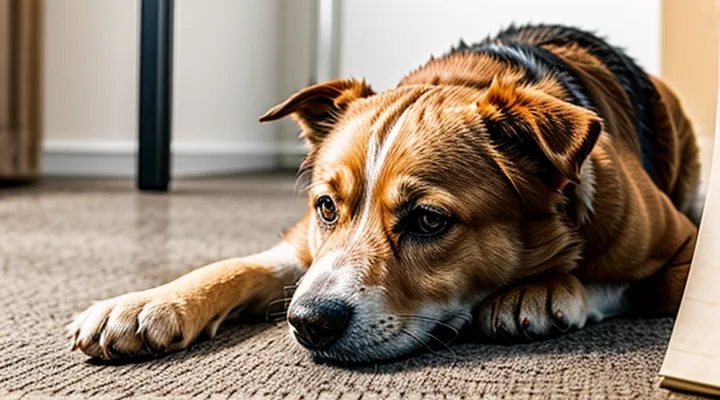
1. Subtle Behavioral Changes
1.1 Decreased Activity or Lethargy
Decreased activity or lethargy often signals underlying discomfort in a dog. Owners should watch for a noticeable reduction in play, fewer walks, and reluctance to engage in previously enjoyed routines. Specific observations include:
- Reluctance to rise after resting, especially when movement seems painful.
- Shorter or interrupted walks, with frequent pauses or a slower pace.
- Preference for lying down in a particular spot, avoiding typical resting areas.
- Decreased response to commands or delayed reactions, suggesting diminished motivation.
- Lack of interest in toys, treats, or social interaction that previously excited the dog.
These behaviors differ from normal tiredness by persisting beyond a single rest period and by appearing consistently across days. When lethargy is accompanied by other subtle cues-such as altered posture, guarded movement, or changes in appetite-prompt veterinary evaluation is warranted to diagnose and address possible pain sources.
1.2 Reluctance to Move or Play
Veterinary professionals identify reduced activity as a reliable indicator that a dog may be experiencing discomfort. When a normally energetic animal hesitates before walking, avoids stairs, or declines invitations to fetch, the underlying cause often relates to pain. Observation should focus on the following patterns:
- Delayed initiation of movement; the dog pauses longer than usual before standing or entering a room.
- Preference for lying down on soft surfaces rather than standing or walking on hard floors.
- Shortened stride or limping that becomes apparent only when the dog is asked to run or jump.
- Abandonment of favorite games, especially those requiring rapid changes in direction.
- Reluctance to climb onto furniture, even when previously accustomed to doing so.
- Vocalization such as whimpering or sighing during attempts to move.
- Guarding behavior, where the dog shifts weight away from a specific limb.
- Increased sensitivity when the affected area is touched, resulting in flinching or pulling away.
- Noticeable fatigue after minimal exertion, leading to extended rest periods.
- Change in posture, such as a tucked abdomen or lowered head, indicating effort to minimize strain.
Distinguishing pain‑related avoidance from normal tiredness involves comparing current behavior with the dog’s typical activity level. A sudden or progressive decline, especially after a minor injury, surgery, or the onset of arthritis, warrants veterinary assessment. Early detection enables timely intervention, which may include analgesics, physical therapy, or environmental modifications such as non‑slip flooring and supportive bedding. Consistent monitoring of movement patterns therefore serves as a critical component of comprehensive canine health evaluation.
1.3 Hiding or Increased Solitude
Dogs in discomfort often withdraw from usual activities and seek isolation. This behavioral shift signals that the animal may be attempting to protect a vulnerable area or avoid additional stress. Recognizing the pattern requires careful observation of changes in social interaction and routine.
Key indicators of hiding or increased solitude include:
- Preference for secluded spots such as under furniture, in closets, or away from the usual sleeping area.
- Reduced participation in family gatherings, walks, or play sessions that were previously enjoyable.
- Hesitation or refusal to approach people or other pets, even when previously sociable.
- Frequent retreat to corners or corners of the house after meals, grooming, or veterinary visits.
- Diminished response to calls or commands, coupled with a tendency to stay out of sight.
When these behaviors emerge abruptly or intensify, they often correlate with underlying pain. Veterinary assessment should follow, focusing on musculoskeletal, dental, or internal sources that could provoke such protective withdrawal. Early detection prevents chronic distress and facilitates timely treatment.
1.4 Changes in Interaction with Family
Veterinary behavior specialists observe that a dog’s relationship with household members often shifts when the animal experiences discomfort. Subtle alterations in social engagement can be among the most reliable indicators of underlying pain.
- The dog may withdraw from previously enjoyed family activities, such as sitting on a lap or joining group play, without an obvious trigger.
- Physical contact attempts, like nudging for a pet, become brief or cease entirely; the animal may flinch when touched in specific areas.
- Vocalizations directed at family members increase in frequency or intensity, especially when approached for affection.
- The dog may position itself away from the family’s central spaces, preferring isolated corners or distant rooms.
- Eye contact with owners diminishes; the animal looks away or blinks rapidly when approached.
- Initiation of greetings declines; the dog no longer greets members at the door or upon arrival.
- Response to commands becomes sluggish, and the dog may avoid eye-catching cues that previously motivated it.
- The animal may display a low tolerance for handling, reacting with growls or snap gestures during routine grooming or veterinary checks.
- Preference for lying down in less visible spots suggests avoidance of attention that could exacerbate discomfort.
- The dog may exhibit a reduced interest in communal meals, turning away from food offered by family members.
These behavioral shifts are not random; they reflect an instinctive effort to protect vulnerable body parts and to minimize interactions that could intensify pain. Recognizing such changes enables owners and caregivers to intervene promptly, seek professional evaluation, and implement appropriate pain management strategies.
2. Postural Clues
2.1 Hunched Back or Arched Posture
A hunched back or an unusually arched posture is a reliable indicator that a dog may be experiencing discomfort. The animal adopts this position to protect a painful area, often the spine, abdomen, or joints. Observe the following characteristics:
- The spine appears exaggeratedly rounded or elevated when the dog is standing or lying down.
- The head is lowered, and the neck may be tucked close to the chest.
- Movement is limited; the dog may hesitate to rise, walk, or turn.
- The posture persists even after brief periods of rest, suggesting ongoing distress.
Common sources of pain that produce this posture include intervertebral disc disease, muscle strain, osteoarthritis, or abdominal inflammation. A sudden onset may point to trauma or a slipped disc, while a gradual development often relates to chronic joint degeneration.
When a hunched or arched stance is noted, conduct a brief physical assessment: palpate the spine gently for tenderness, check for heat or swelling, and evaluate gait for limping or uneven weight distribution. If any of these signs are present, seek veterinary evaluation promptly to determine the underlying cause and initiate appropriate treatment.
2.2 Shifting Weight or Limping
When a dog consistently shifts its weight or exhibits a limp, the behavior often signals underlying discomfort that may not be immediately obvious. This adjustment can be subtle; the animal might alternate legs while standing, favor one side when lying down, or display an irregular gait during brief bursts of activity. Recognizing these patterns requires close observation of daily movements.
Key indicators to monitor:
- Repeated pressure on one paw while the opposite remains lifted, even during rest.
- Irregular stride length or a brief pause before stepping with a particular leg.
- Preference for lying on a specific side, avoiding contact with a particular limb.
- Sudden hesitation to jump onto furniture or run, followed by a brief, uneven sprint.
- Audible clicking or popping sounds when the dog moves, suggesting joint stress.
If any of these signs appear consistently, a veterinary assessment is advisable to rule out musculoskeletal injury, arthritis, or soft‑tissue strain. Early detection through weight‑shifting or limping patterns can prevent escalation of pain and improve the animal’s quality of life.
2.3 Guarding a Specific Body Part
When a dog protects a particular area with its body, it often signals underlying discomfort. The animal may position itself so that the affected region is shielded from contact, pressure, or movement. This behavior can appear subtle, yet it provides reliable insight into pain that is not expressed through vocalization or overt limping.
Typical manifestations include:
- A dog lying on its side while keeping the injured limb or torso folded away from the ground.
- Reluctance to turn, roll, or be petted in a specific zone, even when the rest of the body is receptive.
- Persistent shifting of weight to avoid bearing load on the suspected site.
- Using paws or the tail to cover the area while resting or sleeping.
- Sudden stiffness when the dog is prompted to stretch or extend the protected part.
Observation of these patterns requires a calm environment and consistent interaction. Owners should note the exact location the dog avoids, the duration of the guarding, and any changes after rest or gentle manipulation. If the protective behavior persists for more than a few minutes, escalates, or is accompanied by swelling, heat, or altered gait, veterinary assessment is warranted. Early detection of guarded body parts can prevent the progression of musculoskeletal or internal injuries and facilitate timely treatment.
3. Vocalizations and Sounds
3.1 Increased Whining or Crying
Increased whining or crying often signals discomfort that a dog cannot articulate verbally. When a normally quiet animal begins to emit higher‑pitched whines, especially during movement, grooming, or rest, the behavior usually reflects an underlying issue. Observe the timing: persistent vocalization after a specific activity, such as climbing stairs, suggests musculoskeletal strain. Sudden escalation after a minor incident may indicate acute injury. Note the intensity: low‑level whimpering that intensifies when touched points to localized pain. Compare the sound to the dog’s baseline; a shift in frequency or volume is a reliable indicator.
Assess accompanying signs. A dog that whines while attempting to stand, or that stops playing and retreats to a corner, is likely experiencing joint or soft‑tissue distress. If the vocalization occurs during feeding or after a bath, consider oral or dermatological irritation. Monitor for changes in posture; a hunched back or reluctance to lie down reinforces the suspicion of pain.
When increased vocalization is detected, conduct a gentle physical examination. Palpate limbs, spine, and abdomen with minimal pressure; any flinching or growl confirms sensitivity. Record the circumstances that trigger the whine to help the veterinarian pinpoint the source. Early intervention-rest, anti‑inflammatory medication, or targeted therapy-prevents escalation and promotes recovery.
3.2 Growling or Snapping When Touched
When a dog emits a low growl or snaps immediately after being touched, it often signals discomfort that is not immediately visible. This reaction differs from normal play or territorial behavior because it appears suddenly, is directed toward the point of contact, and is accompanied by a tense posture or avoidance of further handling.
- Observe the location of the touch; pain‑related growling usually occurs when pressure is applied to a specific area such as a joint, abdomen, or limb.
- Note the intensity of the vocalization; a deep, sustained growl or a sharp snap indicates higher levels of distress than a brief whine.
- Assess accompanying body language: stiff shoulders, tucked tail, flattened ears, or a widened stance reinforce the interpretation of pain.
- Record the frequency; repeated episodes after routine grooming or veterinary examinations suggest an underlying issue that requires professional evaluation.
Veterinarians often use this cue to locate the source of inflammation, arthritis, or soft‑tissue injury. Prompt attention to growling or snapping when touched can prevent the progression of musculoskeletal problems and improve the dog’s overall welfare.
3.3 Unusual Panting
Unusual panting often signals underlying discomfort rather than simple thermoregulation. When a dog pants at a slower rhythm, with shallow breaths, or continues to pant despite a cool environment, the behavior may indicate pain. Observe the duration: panting that persists beyond five minutes after activity, especially if it appears after a brief rest, warrants closer scrutiny. Note the sound quality; a strained or wheezy tone suggests respiratory effort linked to musculoskeletal distress.
Key indicators of atypical panting include:
- Breathing rate that exceeds the normal 15‑30 breaths per minute for an adult dog at rest.
- Panting that occurs while the dog is lying down or stationary.
- Intermittent pauses between breaths, creating a ragged pattern.
- Visible tightening of the abdomen or chest muscles during inhalation.
- Absence of heat‑related triggers such as high ambient temperature or vigorous exercise.
Recognizing these patterns enables early intervention, reducing the risk of chronic pain development. Veterinary evaluation should follow any persistent abnormal panting to determine the precise source of discomfort.
4. Changes in Eating and Drinking Habits
4.1 Loss of Appetite
Loss of appetite frequently signals underlying discomfort in dogs. When a normally eager eater suddenly refuses meals, the change often reflects pain rather than a simple preference shift. Pain in the oral cavity, throat, or gastrointestinal tract can diminish the desire to chew, while musculoskeletal or abdominal discomfort may suppress hunger signals.
Observe the following indicators to confirm that reduced intake is pain‑related:
- Meal refusal persists for more than 24 hours despite favorite foods being offered.
- The dog approaches the bowl but retreats before taking a bite, often showing a grimace or trembling.
- Drinking water declines alongside food intake, suggesting broader distress.
- Weight loss becomes apparent within a few days of the appetite drop.
- The animal exhibits restlessness or adopts abnormal postures while lying down, indicating discomfort that interferes with normal feeding routines.
Distinguish pain‑induced anorexia from other causes by assessing concurrent signs. Fever, vomiting, or diarrhea often accompany illness, while a sudden loss of appetite after vigorous activity may point to musculoskeletal strain. If the dog shows signs of oral pain-drooling, pawing at the mouth, or reluctance to chew hard treats-focus on dental or throat evaluation.
When loss of appetite is identified as a pain indicator, act promptly: schedule a veterinary examination, limit physical exertion, provide soft, easily digestible food, and monitor hydration. Early intervention can prevent progression to severe malnutrition and facilitate effective pain management.
4.2 Difficulty Eating or Chewing
Difficulty eating or chewing is a reliable indicator that a dog may be experiencing pain. Owners who notice a change in feeding behavior should scrutinize the following observations:
- Food is dropped frequently or left uneaten.
- The animal chews slowly, pauses often, or appears to avoid using one side of the mouth.
- The dog seeks softer textures, prefers wet food, or requests hand‑feeding.
- Pawing at the mouth, rubbing the face against objects, or shaking the head occurs during meals.
- Audible grunts, whines, or growls accompany the act of biting.
- The animal shows reluctance to pick up treats or toys that require bite pressure.
- Weight loss or reduced body condition develops despite unchanged food quantity.
- Salivation increases, or a foul odor emanates from the mouth.
- The dog avoids chewing on hard kibble but will accept softened or moistened portions.
- Post‑meal restlessness or agitation is evident, suggesting discomfort after ingestion.
These behaviors often stem from dental disease, oral ulceration, temporomandibular joint inflammation, or muscular strain in the jaw. A veterinary examination should include oral inspection, radiographic imaging, and assessment of bite force if necessary. Early detection prevents progression to chronic pain and supports timely intervention such as dental cleaning, analgesic therapy, or dietary modification.
4.3 Reduced Water Intake
As a veterinary professional, I observe that a dog’s decline in water consumption often signals underlying discomfort. Pain can suppress thirst mechanisms, especially when the source of discomfort involves the oral cavity, throat, or abdominal region. The animal may avoid drinking to prevent exacerbating the painful area, leading to subtle dehydration that owners might overlook.
Key indicators accompanying reduced intake include:
- Reluctance to approach the water bowl, even when it is fresh and placed in a familiar location.
- Preference for licking only a few drops rather than taking a full drink.
- Increased panting or shallow breathing after brief sips, suggesting oral or throat irritation.
- Restlessness near the bowl followed by immediate withdrawal.
When reduced drinking persists for more than 24 hours, assess for additional signs of pain such as altered gait, vocalization, or changes in posture. Conduct a thorough oral examination to rule out dental disease, mucosal lesions, or foreign bodies. Evaluate abdominal palpation for tenderness that could deter the dog from drinking.
If dehydration becomes apparent-dry gums, tacky mucous membranes, or reduced skin elasticity-initiate fluid therapy promptly while addressing the pain source. Analgesic protocols, tailored to the suspected condition, often restore normal water intake within a short period.
Monitoring water consumption daily, recording the volume and frequency, provides an objective metric for evaluating treatment efficacy and detecting recurrence of pain‑related avoidance.
5. Altered Grooming Habits
5.1 Excessive Licking or Chewing of a Spot
Excessive licking or chewing of a specific area often signals underlying discomfort. Dogs use their mouths to investigate pain because the behavior can temporarily alleviate pressure on irritated tissues. When the action becomes persistent-lasting several minutes at a time, occurring multiple times throughout the day, or focused on a single spot-it usually indicates that the tissue is inflamed, injured, or infected.
Typical characteristics include:
- Redness, swelling, or heat around the targeted site.
- A change in the texture of the skin, such as rawness or scabbing.
- The dog appears tense or withdraws when the area is touched.
- The licking persists despite distraction or removal of the object being chewed.
Owners should monitor the duration and frequency of the behavior. Brief, occasional grooming is normal; continuous, focused activity suggests a problem. If the dog cannot be redirected, or if the skin shows signs of damage, veterinary assessment is warranted.
Possible medical causes range from joint inflammation and muscle strain to allergic dermatitis, foreign bodies, or early-stage arthritis. A professional examination can differentiate between superficial irritation and deeper musculoskeletal pain.
Practical steps for caregivers:
- Observe the exact location and note any visible changes.
- Gently palpate the area; pain response indicates tissue involvement.
- Apply a deterrent spray or an Elizabethan collar to prevent further self‑trauma.
- Schedule a veterinary visit if the behavior persists for more than 24‑48 hours or if the skin is broken.
Prompt attention to excessive licking or chewing can prevent secondary infections and reduce the risk of chronic pain development.
5.2 Neglected Grooming
Neglected grooming often indicates that a dog is experiencing discomfort. When pain limits mobility or reduces motivation, owners may notice a rapid decline in coat condition. Matted fur, especially along the back, hindquarters, and legs, suggests the animal cannot reach or tolerate brushing. Overgrown nails that touch the ground or cause uneven gait point to an inability or unwillingness to tolerate nail trimming. Skin irritations, such as hotspots, sores, or excessive shedding, frequently develop when the dog avoids self‑cleaning or regular brushing. A dull, unkempt coat coupled with a reluctance to be handled during grooming sessions signals underlying distress.
Key observations related to grooming neglect:
- Persistent matting despite attempts to brush.
- Nails longer than the pads, causing clicking or stumbling.
- Visible patches of dry, flaky skin or open wounds.
- Odor emanating from the coat, indicating infection or lack of hygiene.
- Dog’s avoidance of grooming tools or sudden aggression when approached for grooming.
These indicators should prompt a veterinary assessment to determine whether pain, arthritis, dental disease, or another condition is restricting the dog’s ability to maintain its hygiene. Early intervention can alleviate discomfort and restore normal grooming behavior.
6. Eye and Facial Expressions
6.1 Squinting or Partially Closed Eyes
Squinting or partially closed eyes often signal discomfort in dogs, especially when the behavior appears suddenly or persists beyond normal blinking. A healthy canine typically exhibits bright, fully open eyes with regular, swift eyelid movements. When pain is present, the animal may keep one or both lids narrowed, tilt the head, or avoid direct light. Observe the following indicators:
- Persistent narrowing of the eyelids, lasting several seconds or more.
- Frequent rubbing of the face or paw against objects, suggesting irritation.
- Reluctance to engage in activities that expose the eyes, such as walking outdoors on bright days.
- Accompanying facial tension, including furrowed brows or tightened muzzle muscles.
- Changes in pupil size, particularly asymmetry or dilation without a clear cause.
- Vocalizations or restlessness when the area around the eyes is touched.
These signs can arise from ocular conditions (e.g., ulcer, glaucoma), dental problems, or systemic issues that cause referred pain. Conduct a gentle visual inspection, noting any discharge, redness, or swelling. If squinting remains unexplained after ruling out environmental factors, recommend a veterinary evaluation to determine the underlying pathology and appropriate treatment.
6.2 Dilated Pupils
Dilated pupils, or mydriasis, often indicate acute discomfort in dogs. Pain triggers sympathetic nervous system activation, releasing catecholamines that relax the iris sphincter muscle, resulting in larger, slower‑reacting pupils. Observation should focus on the following aspects:
- Pupil size noticeably larger in both eyes compared to the normal, round appearance.
- Reduced constriction response when exposed to bright light; pupils remain wide for several seconds.
- Asymmetry, where one pupil dilates more than the other, may suggest localized pain or neurological involvement.
- Accompanying signs such as a tense facial expression, reluctance to move, or vocalization strengthen the pain hypothesis.
Differential factors include stress, excitement, or certain medications (e.g., atropine). To isolate pain‑related dilation, assess the dog in a calm environment, compare pupil size to baseline observations, and note any rapid reversal after analgesic administration. Persistent mydriasis without an obvious alternative cause warrants immediate veterinary evaluation, as untreated pain can progress to chronic conditions and affect ocular health.
6.3 Flattened Ears
Flattened ears are a subtle but reliable indicator that a dog may be experiencing discomfort. When a dog is in pain, the muscles around the head and neck often relax, causing the ears to lie close to the skull rather than standing erect or perked. This change can occur even in breeds with naturally floppy ears, but the difference is noticeable when the ears become unusually pressed against the head.
Key observations for assessing ear position include:
- Sudden shift from normal ear carriage to a flat, pressed stance.
- Asymmetry, where one ear flattens while the other remains upright, suggesting localized irritation.
- Accompanying signs such as reduced eye brightness, slowed gait, or a hesitance to move.
Interpretation of flattened ears should consider context. A dog may lower its ears during sleep, grooming, or when feeling submissive; however, persistent flattening in otherwise alert situations signals possible pain. Veterinary assessment is advisable if the ear position remains altered for more than a few minutes after the dog has settled.
Management steps:
- Observe the dog in a calm environment to confirm the ear position is not a temporary response.
- Conduct a gentle physical examination, checking for tenderness around the head, neck, and ear base.
- If pain is suspected, limit the dog’s activity and consult a veterinarian for diagnostic imaging or analgesic treatment.
Recognizing flattened ears as a pain cue enables early intervention, reducing the risk of chronic discomfort and improving the animal’s overall welfare.
6.4 Tense Facial Muscles
Tense facial muscles are a subtle but reliable indicator that a dog may be experiencing pain. When discomfort is present, the animal often contracts the muscles around the eyes, mouth, and forehead without an obvious cause such as excitement or aggression. The skin may appear tighter, and the dog may hold a fixed, strained expression even while at rest.
Key observations include:
- Flattened ears that remain rigid instead of naturally flopping or twitching.
- A narrowed or squinting eye, sometimes accompanied by a slight bulge of the brow.
- Lips pulled back slightly, exposing more of the teeth without an overt snarl.
- Whisker pads pressed tightly against the face, giving a “pressed” look.
- A tense, clenched jaw that does not relax between bites or chewing motions.
These facial cues often appear alongside other hidden signs of pain, such as reduced appetite or altered gait. Detecting muscle tension requires close, calm observation; a quick glance may miss the subtle firmness of the facial skin. Regularly checking the dog's face during routine handling-while petting, grooming, or administering medication-provides the most accurate assessment.
If tense facial muscles are noted consistently, the next step is to evaluate potential sources of discomfort, such as dental disease, ear infections, or underlying musculoskeletal issues. A veterinary examination should follow, with particular attention to oral health, sinus areas, and nerve pathways that influence facial expression. Early identification of this sign can prevent escalation of pain and improve the dog's overall welfare.
7. Sleep Pattern Disturbances
7.1 Restlessness or Frequent Waking
Restlessness and frequent waking are reliable indicators that a dog may be experiencing pain. An animal in discomfort will have difficulty settling, leading to pacing, sudden changes in posture, or repeated attempts to lie down and rise. Owners often notice the dog waking up multiple times during the night, vocalizing, or shifting positions as soon as it settles. These behaviors differ from normal activity bursts; they occur at rest, are persistent, and are accompanied by signs such as a lowered tail, flattened ears, or a tense abdomen.
Key observations include:
- Repeated attempts to change sleeping spots within a short period.
- Sudden vocalizations (whines, whimpers) when the dog lies down or rises.
- Visible tension in the neck or back muscles while the dog is stationary.
- Preference for softer surfaces or avoidance of previously used bedding.
When restlessness appears without an obvious trigger, a veterinary assessment should be pursued. Early identification allows timely pain management, improving the dog’s quality of life and preventing chronic discomfort.
7.2 Difficulty Getting Comfortable
Recognizing subtle indicators of canine discomfort requires careful observation of everyday behaviors. One of the most telling yet often overlooked signs is the animal’s difficulty getting comfortable.
When a dog struggles to settle, several specific actions may be evident:
- Frequent repositioning, even after a short period of rest.
- Reluctance to lie down on hard surfaces, opting for softer or elevated spots.
- Inability to fully extend limbs while lying, resulting in a cramped posture.
- Audible sighs or low whines when attempting to settle.
- Preference for leaning against furniture or walls rather than lying flat.
These behaviors suggest musculoskeletal or internal pain that restricts normal relaxation. Muscles, joints, or internal organs may be inflamed, causing the animal to protect vulnerable areas by avoiding pressure. The resulting tension leads to restless movements as the dog searches for a position that minimizes discomfort.
To evaluate this sign, observe the dog’s routine for at least several hours, noting any patterns of restlessness or avoidance of typical sleeping spots. Compare the observed posture with the dog’s usual resting style; a marked deviation warrants a veterinary assessment. Early identification allows for timely intervention, reducing the risk of chronic pain development.
8. Changes in Urination/Defecation
8.1 Accidents Indoors
When a dog begins to urinate or defecate inside the house despite being house‑trained, the behavior often signals discomfort rather than a training failure. Pain in the pelvic region, hips, or lower back can make it difficult for the animal to assume a proper posture for elimination, leading to accidents on soft surfaces where the dog feels less pressure.
Key observations that suggest pain‑related indoor accidents include:
- Sudden onset of accidents after a period of reliable house‑training.
- Preference for urinating or defecating on rugs, carpets, or bedding rather than on hard flooring.
- Hesitation or prolonged time spent before choosing a spot, sometimes accompanied by whimpering or panting.
- Guarding or licking the hindquarters, lower abdomen, or tail base immediately after an accident.
- Limping, stiffness, or reduced mobility when moving toward the designated elimination area.
- Reluctance to climb stairs, jump onto furniture, or enter confined spaces, followed by accidents in those locations.
- Changes in posture such as arching the back, tucking the tail, or crouching low while attempting to eliminate.
- Increased frequency of accidents during colder weather, when the dog may avoid cold tiles to reduce joint discomfort.
Veterinarians recommend a thorough physical examination to rule out urinary tract infection, gastrointestinal issues, or musculoskeletal injury. Imaging studies, such as X‑rays or ultrasound, may be necessary if the dog shows signs of arthritis, intervertebral disc disease, or trauma. Early detection of pain through these indoor accident patterns enables prompt treatment, reduces the risk of chronic discomfort, and restores the dog’s confidence in using its proper elimination areas.
8.2 Straining or Difficulty
Veterinary specialists recognize that a dog’s reluctance to perform routine movements often signals underlying discomfort. When an animal exhibits straining or difficulty, the pain may be concealed behind seemingly normal behavior, requiring careful observation.
Typical manifestations include:
- Hesitation before rising from a lying position, accompanied by a prolonged pause or visible effort.
- Audible groaning, whimpering, or low-pitched vocalizations during attempts to stand, climb stairs, or jump onto furniture.
- Abnormal gait characterized by short, stiff steps, dragging of a rear limb, or a limp that appears only during specific activities such as climbing or running.
- Frequent pauses while walking, with the dog appearing to “catch its breath” or shift weight unevenly.
- Reluctance to enter or exit confined spaces (e.g., crates, car doors), often accompanied by a visible strain on the shoulders or hips.
- Persistent leaning on furniture, walls, or the owner for support when attempting to move.
- Sudden avoidance of previously enjoyed activities that require bending, stretching, or jumping, indicating a fear of triggering pain.
- Excessive licking or chewing of joints, muscles, or the spine after attempts to move, suggesting post‑activity soreness.
These signs may be subtle and intermittent, yet they consistently point to musculoskeletal or visceral pain. An expert assessment should combine visual monitoring with gentle physical examination to differentiate between normal stiffness and pain‑induced straining. Early identification enables timely veterinary intervention, reducing the risk of chronic discomfort and improving the dog’s quality of life.
9. Body Odor Changes
9.1 Unusual Smells from Skin or Mouth
Unusual odors emanating from a dog’s skin or mouth often indicate underlying discomfort. A foul, metallic, or sour scent from the gums may signal dental disease, oral infection, or ulceration, all of which can cause significant pain. Similarly, a musty, rancid, or yeast-like smell on the coat suggests skin infections, hot spots, or sebaceous gland disorders that may be painful to the touch.
Key observations:
- Dental odor: Bad breath that is sudden, intense, or accompanied by drooling.
- Mouth ulceration: Sour or metallic smell, possible bleeding, reluctance to chew.
- Skin infection: Damp, foul odor localized to a specific area, often with redness or swelling.
- Yeast overgrowth: Sweet, musty smell, commonly on ears, paws, or underbelly.
- Necrotic tissue: Rotten or putrid odor, indicating severe tissue damage.
When an abnormal smell is detected, perform a quick visual inspection for inflammation, discharge, or lesions. Gently palpate the area to assess tenderness. If any of these signs accompany the odor, seek veterinary evaluation promptly. Early treatment of dental or dermatological conditions can alleviate pain and prevent progression to more serious systemic issues.
10. Overall Demeanor
10.1 Apathy or Depression
Apathy or depression frequently masks underlying discomfort in dogs. When a normally active canine becomes withdrawn, shows little interest in play, or avoids social interaction, the behavior often signals chronic pain rather than a simple mood change. Pain dulls motivation, reduces appetite, and diminishes the desire for routine activities such as walks or fetch.
Key observations that point to pain‑related apathy include:
- Decreased enthusiasm for favorite toys or treats that previously sparked excitement.
- Reluctance to engage in previously routine exercises, even short walks.
- Prolonged periods of rest in unusual locations, such as lying on hard surfaces instead of a soft bed.
- Lack of response to familiar commands or delayed reactions, suggesting reduced energy rather than disobedience.
- Noticeable weight loss or reduced food intake without a change in diet.
Veterinarians often correlate these behavioral shifts with musculoskeletal, dental, or internal disorders that cause persistent discomfort. Early identification of apathy as a pain indicator enables timely diagnostic testing and appropriate analgesic management, improving the dog’s quality of life.
10.2 Agitation or Restlessness
Agitation or restlessness frequently signals underlying discomfort in dogs. A dog in pain may pace repeatedly, change direction without apparent reason, or exhibit an inability to settle even in familiar environments. Frequent circling, sudden sprinting followed by abrupt stops, and persistent shifting of position are typical manifestations. Owners should watch for these behaviors:
- Repeated pacing along a specific path
- Inability to lie down calmly for more than a few seconds
- Frequent changes in sleeping area or posture
- Sudden bursts of activity followed by prolonged stillness
- Constant shifting of weight from one limb to another
These patterns differ from normal excitement because they lack a clear trigger such as play or a walk. The dog may also display heightened sensitivity to touch, reacting sharply to light pressure on a particular spot. Monitoring the duration and intensity of restlessness helps determine whether the behavior is transient or linked to chronic pain. If agitation persists for more than a few hours, intensifies, or is accompanied by other signs such as reduced appetite or vocalization, veterinary evaluation is warranted. Early intervention can prevent escalation of discomfort and improve the animal’s quality of life.