
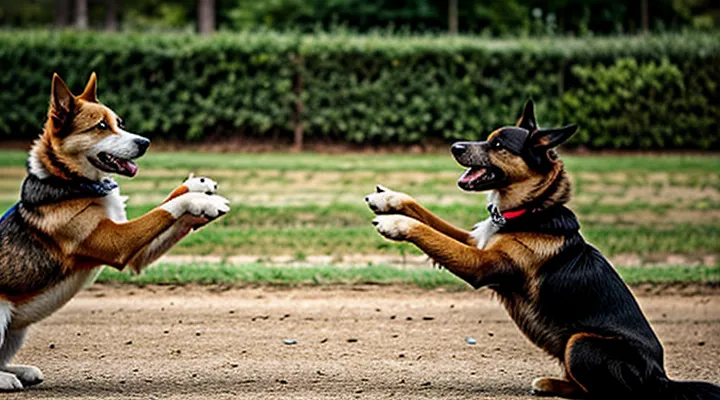
1. Understanding Dog Fights
1.1 Recognizing Early Warning Signs
Recognizing the earliest indicators of aggression is essential for anyone who may need to intervene in a canine confrontation while protecting personal safety. As a certified canine behavior specialist, I have observed that subtle changes precede full‑blown fights and can be detected with careful observation.
Key warning signs include:
- Stiffened body posture and a sudden halt in movement.
- Direct, fixed stare or narrowed eyes focused on another dog.
- Raised hackles along the back, neck, or tail.
- Ears pinned back or sharply forward, depending on breed.
- Rapid, shallow breathing or panting without heat.
- Lip curling that exposes teeth without an actual bite.
- Tense, forward‑leaning stance that shifts weight onto the front legs.
- Vocalizations such as low growls, snarls, or high‑pitched whines directed at the other animal.
These cues often appear within seconds of an initial encounter. Early detection allows the handler to create distance, redirect attention, or employ de‑escalation tools before the situation escalates into a physical clash. Continuous monitoring of these behaviors, especially in environments where multiple dogs interact, reduces the likelihood of needing direct physical intervention and minimizes risk to the observer.
1.2 Types of Aggression
Understanding the specific form of aggression displayed by dogs is essential for selecting the safest intervention method during a conflict. Different aggression patterns trigger distinct behaviors, influencing the level of personal risk when attempting to separate the animals.
- Fear‑driven aggression - arises when a dog feels threatened; the animal may lunge, snap, or bite suddenly. Rapid escalation is common, and the dog may retreat after the perceived threat is removed.
- Territorial aggression - occurs when a dog protects a defined area such as a yard or a home entrance. The animal confronts intruders with barking, lunging, and sustained attacks until the perceived invasion ends.
- Possessive (resource) aggression - directed toward objects like food, toys, or a resting spot. The dog defends the resource with growls, snaps, or bites, often ceasing once the item is removed or secured.
- Predatory aggression - characterized by a chase instinct, followed by a bite and a “kill” bite. The dog may ignore typical warning signals and focus on the target’s movement.
- Redirected aggression - triggered by an external stimulus (e.g., another dog or loud noise) that the animal cannot reach; the frustration is transferred to a nearby dog or person.
- Dominance aggression - an attempt to assert hierarchical control, expressed through mounting, stiff posturing, and attempts to control the other dog’s movements.
- Protective (maternal) aggression - displayed by a dog defending offspring or a vulnerable companion; the behavior includes intense guarding, snarling, and rapid attacks on perceived threats.
- Pain‑induced aggression - results from injury or illness; the dog reacts defensively to touch or proximity, often with a sharp snap or bite.
Identifying which category dominates a particular fight guides the choice of tactics: removing the stimulus for fear or pain aggression, isolating the contested resource for possessive aggression, or creating a physical barrier for territorial disputes. Accurate classification reduces the need for direct contact, thereby minimizing the handler’s exposure to bites.
2. Immediate Actions During a Fight
2.1 Prioritizing Your Safety
As a canine behavior specialist, I advise treating personal safety as the first priority when a dog fight erupts. Assess the scene from a distance before moving; any sudden approach can provoke further aggression and increase the risk of injury.
- Position yourself with a solid barrier (car door, fence, large object) between you and the animals.
- Keep your body low, elbows tucked, and avoid direct eye contact with either dog.
- Do not attempt to grab the jaws; the bite force can exceed 300 psi and cause severe tissue damage.
- Use a loud, authoritative command (“Stop!”) while maintaining a safe distance; some dogs respond to a firm vocal cue.
- If a barrier is unavailable, consider throwing a heavy object (e.g., a blanket, thick jacket) over the combatants to disrupt the encounter without contact.
- After the fight ceases, wait several seconds before approaching; adrenaline may sustain aggressive behavior temporarily.
When possible, have a second person ready to assist, allowing one individual to distract while the other creates distance. Always wear protective gloves and long sleeves if you anticipate direct contact, and keep a first‑aid kit nearby for immediate treatment of bites. Prioritizing these actions minimizes personal risk while effectively ending the conflict.
2.2 Creating a Distraction
When a canine confrontation escalates, diverting the animals’ attention can defuse the situation without requiring direct physical contact. A well‑executed distraction shifts focus, interrupts the aggression cycle, and creates space for safe separation.
First, identify a portable, high‑impact stimulus that the dogs will find irresistible. Effective options include:
- A loud, sudden noise (e.g., a whistle, air horn, or clapped hands)
- A bright, moving object (e.g., a flashlight beam swung across the ground, a rolled‑up towel tossed)
- A strong scent (e.g., a spray of vinegar, a dab of strong peppermint oil)
- A food lure (e.g., a piece of meat or a high‑value treat tossed away from the combatants)
Select the stimulus that is readily available and unlikely to provoke additional aggression. For instance, a whistle produces a sharp sound that can startle both dogs, whereas a food treat may calm one dog while the other continues fighting, potentially worsening the conflict.
After choosing the distraction, follow a precise sequence:
- Position yourself at a safe distance, ideally behind a barrier such as a fence, car, or large object.
- Activate the stimulus rapidly-blow the whistle, flash the light, or spray the scent-while maintaining visual contact with both dogs.
- Observe the reaction. If both dogs disengage, move to separate them using a sturdy barrier (e.g., a gate, a piece of plywood) or a leash placed on the calmer animal.
- If one dog remains aggressive, repeat the distraction with a different stimulus, ensuring you do not place your body in the line of fire.
Safety considerations are paramount. Never throw objects directly at the dogs; the goal is to capture attention, not cause injury. Keep hands and face away from the fighting area, and wear protective clothing if possible. After disengagement, assess each animal for injuries before attempting any further handling.
Creating a distraction requires preparation, quick judgment, and adherence to safety protocols. Mastery of these techniques reduces personal risk while increasing the likelihood of a peaceful resolution.
2.3 Physical Separation Techniques
When two dogs are fighting, the most reliable way to end the encounter without exposing oneself to bites is to insert a solid, non‑lethal barrier between them. The barrier must be long enough to reach both animals, sturdy enough to resist pressure, and easy to deploy quickly.
- Long pole or broom: Position the pole horizontally across the dogs’ heads, pushing gently forward to create space. Keep the pole angled upward to prevent dogs from slipping underneath.
- Heavy blanket or coat: Throw the item over the backs of both dogs, then pull it forward to separate them. The fabric spreads pressure and reduces the chance of a bite reaching the handler.
- Rigid board or plywood sheet: Slide the board between the combatants, then push each side outward. The rigid surface blocks lunges and keeps the dogs’ mouths apart.
- Water hose or spray bottle: Direct a short burst of water at the dogs’ faces. The sudden shock forces them to disengage, allowing the barrier to be inserted.
- Loud noise device (air horn or whistle): Emit a sharp sound to startle the animals. Immediately follow with a pole or blanket to maintain separation.
Key execution points:
- Maintain a safe distance of at least one arm’s length before reaching for the barrier.
- Approach from the side opposite the dogs’ line of attack to avoid being caught in the bite arc.
- Grip the barrier near its center for balanced control; avoid holding near the ends where leverage is weak.
- After separation, keep the dogs apart until they calm, then secure each animal with a leash or muzzle before further handling.
These techniques rely on leverage and distraction rather than direct contact, minimizing risk while efficiently ending the fight.
2.3.1 The "Wheelbarrow" Method
The “Wheelbarrow” technique is a direct intervention that minimizes exposure to bites while separating fighting dogs. It relies on positioning the rescuer’s body behind one animal and using the animal’s hind legs as a lever to lift the torso, creating a stable, low‑profile hold.
Procedure
- Approach the combat from the side opposite the dominant dog, keeping a safe distance from the mouths.
- Grasp the rear leg of the target dog just above the hock, pulling upward to lift the hindquarters.
- Simultaneously slide the opposite arm under the dog’s abdomen, supporting the chest and preventing the animal from rolling onto its back.
- Pull the dog backward while maintaining the lifted hindquarters, forcing the opponent to disengage to avoid losing balance.
- Once the dogs are separated, release the hold, step back, and secure each animal with a leash or barrier.
Key considerations: maintain a firm grip on the hind leg to avoid slipping; keep the rescuer’s torso low to reduce target area; wear thick gloves and protective sleeves to mitigate accidental contact. The method is most effective on medium‑sized dogs with sufficient strength in the hind limbs; for larger breeds, additional assistance may be required.
2.3.2 Using a Barrier
When two dogs engage aggressively, a physical barrier offers the safest means of separation without exposing the responder to bites. A barrier can be a sturdy object-such as a fence panel, a large trash can lid, a wooden board, or a commercial dog‑training shield-positioned between the animals to interrupt contact.
First, select an item that is rigid, lightweight enough to maneuver quickly, and large enough to cover the space between the dogs. Avoid materials that can break or shatter under pressure, as fragments become additional hazards.
Second, approach the fight from the side opposite the dogs’ line of sight. Hold the barrier upright and push it forward, creating a solid plane that blocks the dogs’ heads and bodies. The barrier should be moved in a swift, controlled motion to prevent the animals from slipping around its edges.
Third, maintain the barrier until the dogs disengage naturally. Once the aggression subsides, keep the barrier in place while you guide each dog away, using leashes or collars if available. Do not attempt to lift the barrier while the dogs are still fighting; doing so can draw your hands into the conflict.
Key considerations for effective barrier use:
- Weight and durability: Choose an object that will not bend or collapse under the dogs’ force.
- Size: Ensure the barrier spans the full width of the fight zone to avoid gaps.
- Grip: Hold the barrier with both hands, palms facing the dogs, to maximize control.
- Angle of approach: Position yourself out of the dogs’ direct line of attack to reduce the risk of being bitten.
By employing a barrier correctly, you isolate the combatants, reduce the chance of personal injury, and create a window for further de‑escalation measures such as calling for professional assistance or using a leash to pull the dogs apart.
2.3.3 The Hose/Water Method
When two dogs engage aggressively, an immediate, low‑risk interruption technique involves applying a sudden, non‑painful stream of water. This approach exploits the animals’ instinctive aversion to unexpected cold pressure, creating a brief pause that allows the handler to separate them safely.
Equipment required
- A garden hose with a functioning nozzle or a sturdy bucket filled with cold water.
- A length of hose long enough to reach the conflict zone without the handler entering it.
- Optional: a portable water sprayer for increased control.
Procedure
- Position yourself at a safe distance, preferably behind a solid barrier such as a fence, car, or large object.
- Activate the hose on a strong, steady spray setting; aim the jet directly at the center of the fight, targeting the dogs’ faces or chests.
- Maintain the stream for 2-3 seconds, enough to startle both animals and interrupt the escalation.
- As the dogs disengage, use a leash, a sturdy pole, or a barrier to guide each animal away from the other, keeping your body out of reach.
- After separation, assess both dogs for injuries and secure them in a calm environment.
Safety considerations
- Verify that the water source is clean; contaminated water can cause skin irritation or infection.
- Avoid directing the spray at the eyes for more than a moment to prevent temporary blindness.
- Ensure the hose does not become a tripping hazard; coil excess length securely.
- If the dogs are of large, powerful breeds, combine the water method with a physical barrier rather than relying on water alone.
Effectiveness
- The sudden temperature change and tactile shock typically halt the adrenaline surge driving the aggression.
- The method requires minimal physical contact, reducing the chance of bites or scratches.
- It is most successful when executed swiftly, before the fight intensifies beyond a brief scuffle.
In practice, the hose/water technique provides a practical, low‑risk solution for quickly de‑escalating canine confrontations while keeping the intervenor out of direct harm’s way.
3. Post-Fight Management
3.1 Assessing Injuries
When a dog fight is broken up, the first priority after ensuring personal safety is a systematic evaluation of any injuries sustained by the animals. An expert assessment follows a predictable sequence:
- Visually scan each dog for obvious trauma: puncture wounds, lacerations, bruising, and swelling. Note the location, size, and depth of each wound.
- Gently palpate affected areas to detect hidden damage such as muscle tears or joint instability. Avoid excessive pressure on suspected fractures.
- Check for bleeding. Apply direct pressure to any active hemorrhage with a clean cloth or gauze until it slows or stops.
- Observe respiratory rate and effort. Rapid, shallow breathing or labored respiration may indicate internal injury or shock.
- Monitor mucous membrane color and capillary refill time. Pale or bluish gums and delayed refill suggest blood loss or hypovolemia.
- Assess mental status. Disorientation, lethargy, or unresponsiveness can be signs of traumatic brain injury or severe pain.
- Record vital signs when possible: heart rate, temperature, and pulse quality. Deviations from normal ranges warrant immediate veterinary attention.
If any wound penetrates deeper than the skin, if bleeding persists despite pressure, if the dog shows signs of shock, or if there is uncertainty about the extent of damage, transport the animal to a veterinary clinic without delay. Documentation of findings-photographs, written notes, and timestamps-facilitates accurate treatment and legal reporting when necessary.
3.2 Calming the Dogs
When a dog fight erupts, the immediate priority is to calm both animals before attempting physical separation. Rapid de‑escalation reduces the chance of injury to the handler and to the dogs. The following measures are proven to lower arousal levels and create an environment where the conflict can be broken safely.
- Introduce a sudden, non‑threatening noise. A sharp clap, a whistle, or a shouted command can interrupt the dogs’ focus. The sound must be loud enough to startle but not so overwhelming that it provokes further aggression.
- Apply an unexpected sensory stimulus. Spraying a fine mist of water, using a pet‑safe citronella spray, or tossing a blanket over the combatants momentarily blocks visual cues and can halt the escalation.
- Utilize a high‑value distraction. Throw a favorite toy, a treat bag, or a squeaky object away from the fighting area. The sudden shift in attention draws the dogs toward a more positive interaction.
- Issue a clear, consistent command. A trained “Sit,” “Stay,” or “Leave it” spoken in a firm, calm voice can trigger obedience responses if the dogs have been conditioned to obey under stress.
- Create physical distance without direct contact. Slide a sturdy barrier-such as a broom, a large board, or a folded blanket-between the animals. The barrier should be moved swiftly from the side to prevent the handler from entering the bite zone.
After the dogs disengage, keep them separated for several minutes to allow physiological arousal to subside. Monitor breathing rates and body language; only when both exhibit relaxed postures should they be re‑introduced under controlled supervision. Consistent reinforcement of these calming techniques during training sessions enhances their effectiveness in real‑time confrontations, minimizing risk to the intervenor.
3.3 Preventing Future Incidents
Effective prevention of repeat dog altercations relies on consistent management of environment, behavior, and health factors.
First, eliminate triggers that provoke aggression. Secure fences, remove objects that can be grabbed, and keep high‑energy dogs away from known stressors such as unfamiliar animals or loud noises. Regularly inspect boundaries for gaps or damage that could allow unsupervised encounters.
Second, enforce disciplined socialization. Introduce dogs to varied settings gradually, using controlled, positive experiences. Reward calm behavior with treats or praise, and intervene promptly when signs of tension appear, such as stiff posture or fixed stare.
Third, maintain physical and mental well‑being. Schedule routine veterinary examinations to detect pain or illness that can fuel aggression. Provide daily exercise, puzzle toys, and training sessions to reduce excess energy and frustration.
Fourth, establish clear ownership responsibilities. Keep records of each dog’s vaccination status, temperament assessments, and training history. Share this information with neighbors and local authorities when dogs share communal spaces.
Fifth, adopt safe handling protocols for future incidents. Keep a sturdy barrier (e.g., a broom or large board) ready to separate fighting dogs without direct contact. Store a pet‑safe deterrent spray or a loud noise device within reach.
Implementing these preventative measures creates a structured environment that minimizes the likelihood of future conflicts while protecting both humans and animals.
3.3.1 Identifying Triggers
When a confrontation erupts, the first step in a safe intervention is recognizing the stimuli that ignite aggression. Experienced handlers can differentiate between genuine threats and benign behaviors, reducing personal exposure.
Key triggers include:
- Competition for food, toys, or high‑value objects.
- Defense of a favored resting spot or territory.
- Perceived intrusion into a social hierarchy, such as a lower‑ranking dog being challenged.
- Sudden, loud noises or unexpected movements that startle the animals.
- Pain or illness that lowers tolerance for provocation.
- Presence of unfamiliar dogs or humans in close proximity.
Observable precursors often precede a full‑blown fight. A stiffened posture, locked stare, raised hackles, or a low growl signals that a trigger has been activated. Monitoring these cues allows the handler to intervene before escalation.
Effective identification relies on consistent observation of each dog’s baseline behavior. Documenting typical reactions to specific resources or environments creates a reference point for spotting deviations. Once a trigger is pinpointed, the handler can remove the stimulus-by relocating the item, increasing distance, or altering the environment-thereby defusing the situation while minimizing personal risk.
3.3.2 Professional Help and Training
Professional intervention is essential when a canine altercation escalates beyond safe containment. Certified dog behaviorists possess diagnostic tools that identify triggers, assess aggression levels, and formulate individualized desensitization plans. Their expertise enables owners to apply evidence‑based techniques without exposing themselves to bites or injuries.
Engaging a qualified trainer provides several advantages:
- Immediate assessment of body language to predict escalation points.
- Structured obedience drills that reinforce recall and “leave it” commands under high distraction.
- Controlled exposure exercises that gradually reduce the dog’s reactive responses.
- Guidance on safe equipment, such as slip leads and protective barriers, to manage encounters without direct contact.
When selecting a professional, verify credentials through recognized organizations (e.g., International Association of Canine Professionals, Certification Council for Professional Dog Trainers). Request documentation of experience with aggression cases and inquire about the specific methodology-positive reinforcement, counter‑conditioning, or a combination thereof.
Regular follow‑up sessions reinforce learned behaviors and allow adjustments as the dog’s response evolves. Consistent training under professional supervision minimizes personal risk while establishing long‑term behavioral stability.
3.3.3 Management Strategies
As a certified animal behavior specialist, I outline the most effective management techniques for safely interrupting a canine confrontation while protecting the intervenor.
First, assess the environment. Identify escape routes for both animals and ensure personal positioning does not place you directly between the dogs’ mouths. Maintain a clear line of sight on each dog’s body language to anticipate sudden movements.
Next, employ distraction methods that create an immediate break in focus without requiring physical contact:
- Deploy a loud, sharp noise (e.g., air horn, whistle, or shouted command) to startle the animals.
- Throw a large object such as a blanket, coat, or cardboard sheet over the fighting dogs; the sudden coverage triggers a withdrawal response.
- Use a high‑pressure water spray from a hose or bottle; the shock of water often forces disengagement.
If distraction fails, apply a safe separation tool:
- Insert a sturdy, non‑sharp object (e.g., a broom or pole) between the dogs, pushing them apart with a firm, steady pressure.
- Slip a thick, durable barrier (e.g., a tarp or heavy canvas) under the dogs and pull it away, creating distance while keeping hands clear of the mouths.
When physical intervention becomes unavoidable, follow these precise steps:
- Position yourself beside the larger dog, keeping your body to the side rather than directly in front.
- Grasp the dog’s hindquarters with a firm, low grip, avoiding the neck or facial area.
- Simultaneously pull the animal backward while another helper applies the same technique to the opposite dog, creating a reciprocal force that separates them.
- Immediately release both dogs, step back, and secure each animal with a leash or muzzle before re‑engaging.
After separation, conduct a rapid health check for injuries and monitor for residual aggression. Implement post‑incident protocols such as calming exercises, controlled walks, and professional behavior assessment to prevent recurrence.
These strategies prioritize minimal exposure to bites and maximize the likelihood of a swift, controlled resolution.