
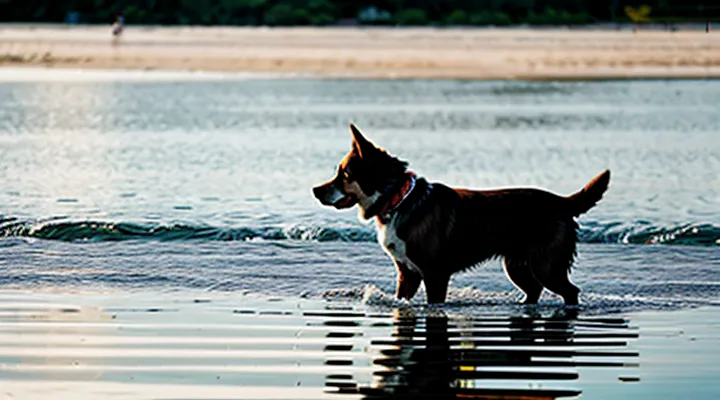
Understanding the Fear
Common Reasons for Water Aversion
Veterinary behaviorists identify several recurring factors that cause canines to avoid water. Lack of early exposure often leaves the animal uncertain when confronted with a liquid environment. Dogs raised without regular contact with ponds, baths, or rain may perceive water as an unfamiliar threat.
Negative experiences create lasting aversion. A sudden splash, a slippery surface, or being forced into a tub can trigger a fear response that persists long after the incident. Sensory sensitivity also contributes; some breeds react strongly to the cold temperature, the sound of splashing, or the sensation of wet fur against the skin.
Breed predisposition influences tolerance levels. Breeds historically bred for water work, such as Labrador Retrievers or Portuguese Water Dogs, typically display lower fear thresholds, whereas terriers and herding breeds may show heightened wariness. Health conditions play a role as well; arthritis, skin infections, or ear problems make contact with water uncomfortable, reinforcing avoidance.
Age and developmental stage affect reactions. Puppies that miss the critical socialization window (approximately three to twelve weeks) are more likely to develop anxiety around water. Older dogs recovering from surgery or illness may associate water with pain or vulnerability.
Environmental factors can exacerbate fear. Cold climates, strong currents, or polluted water sources increase perceived risk, prompting the dog to stay away. Inconsistent handling by owners-alternating between encouragement and restraint-confuses the animal and hinders confidence building.
These common reasons illustrate why many dogs exhibit water aversion. Recognizing the underlying cause enables targeted desensitization strategies, facilitating gradual, positive exposure and reducing fear over time.
Identifying Signs of Fear
Recognizing fear in a dog is the first step toward successful water desensitization. Dogs communicate anxiety through body language, vocalizations, and behavioral changes that are often subtle but consistent.
Typical indicators include:
- Trembling or shaking, especially when approaching a wet surface.
- Hesitant or slow gait, with a lowered head and ears pinned back.
- Excessive panting or drooling unrelated to temperature or exertion.
- Avoidance behaviors such as turning away, retreating, or seeking refuge behind a barrier.
- Vocal signs like whines, whimpers, or high‑pitched barking triggered by water exposure.
- Stiff posture, tail tucked low, or a rigid, frozen stance near the water’s edge.
Observe the context of each response. A dog that exhibits multiple signs simultaneously is likely experiencing heightened fear. Conversely, isolated signs may reflect curiosity or excitement rather than anxiety. Documenting patterns over several sessions helps differentiate between temporary discomfort and genuine phobia.
When fear is identified, modify the training environment accordingly. Reduce stimulus intensity, provide a safe distance, and gradually increase exposure while monitoring the dog’s reactions. Consistent observation of these cues ensures that the training plan remains responsive to the animal’s emotional state, fostering confidence and reducing avoidance of water.
Preparation
Gathering Necessary Equipment
As a certified canine behavior specialist, I advise owners to assemble the right tools before introducing water exposure. Proper equipment minimizes stress, ensures safety, and creates a controlled environment for gradual desensitization.
Essential items include:
- Secure leash and sturdy harness - maintain gentle control without restricting movement.
- Canine life jacket - provides buoyancy and confidence, especially for breeds unfamiliar with swimming.
- Non‑slip surface - rubber mat or textured pad placed on the edge of a tub or shallow pool prevents accidental slides.
- Treat dispenser - keep high‑value rewards within easy reach to reinforce calm behavior.
- Portable water source - a shallow kiddie pool, bathtub, or clean hose set to low pressure allows gradual immersion.
- Absorbent towels - for quick drying after each session, reducing the lingering sensation of dampness.
- First‑aid kit - includes antiseptic wipes, bandages, and a contact number for veterinary emergencies.
Optional accessories that enhance the process:
- Floating toys - encourage playful interaction once the dog shows comfort.
- Calming pheromone spray - applied to the equipment can lessen anxiety in sensitive animals.
Before each training session, inspect all gear for wear, ensure the life jacket fits snugly, and verify that the water depth remains within the dog’s safe range. This preparation lays the foundation for a systematic, stress‑free approach to overcoming aquatic fear.
Choosing the Right Location
When introducing a dog to water, the environment determines the speed and safety of progress. An expert recommends a site that minimizes distractions, offers controlled temperature, and allows gradual exposure.
Select a location where the surface is non‑slippery and easy to clean. Concrete or textured rubber pads prevent slips, while a shallow, clean pool or bathtub simplifies cleanup. The area should be free of loud noises, moving traffic, or other animals that could trigger anxiety.
Temperature influences comfort. Water between 68°F and 78°F (20°C-26°C) feels warm enough to avoid shivering yet cool enough to prevent overheating. Check the climate; indoor settings provide stable temperatures, whereas outdoor sites require monitoring of weather changes.
Safety measures must be visible and accessible. Place a non‑slip mat at the entry point, keep a towel and a rescue leash within arm’s reach, and ensure the water depth does not exceed the dog’s shoulder height initially.
Key factors for choosing the site:
- Surface stability (non‑slippery, easy to clean)
- Temperature control (consistent, moderate)
- Minimal external stimuli (quiet, isolated)
- Immediate access to safety equipment (towel, rescue leash)
- Adjustable water depth (shallow start, gradual increase)
By prioritizing these elements, trainers create a predictable setting that encourages confidence, reduces fear, and lays a solid foundation for successful water acclimation.
Mental Preparation for You and Your Dog
Effective water desensitization begins with mental readiness for both owner and canine. Owners must assess their own attitudes toward water, recognizing that anxiety can transmit to the dog through subtle cues such as tense posture, hurried speech, or hurried movements. Adopt a calm, confident demeanor; steady breathing and relaxed body language signal safety and encourage the dog to mirror that state.
Evaluate the dog's current emotional baseline. Observe reactions to puddles, baths, or distant splashing. Note specific triggers-sudden noises, slippery surfaces, or visual reflections. Document these observations to tailor exposure increments and avoid overwhelming the animal.
Implement a structured mental preparation plan:
- Self‑regulation practice - before each session, perform three deep breaths, align shoulders, and speak in a soft, steady tone.
- Positive association building - pair water‑related cues (e.g., the sound of a faucet) with high‑value treats, ensuring the dog links the stimulus to reward rather than fear.
- Gradual exposure hierarchy - start with a shallow bowl of lukewarm water, allowing the dog to investigate at its own pace; progress to a damp towel, then a shallow kiddie pool, increasing depth only after the dog shows relaxed behavior.
- Predictable routine - conduct sessions at the same time and location, reducing uncertainty and reinforcing a sense of control.
- Reinforcement of calm signals - teach a “relax” cue, rewarding the dog when it settles in a low‑energy posture near water.
Consistent mental preparation, combined with incremental exposure, creates a secure framework that diminishes fear and fosters confidence in aquatic environments.
Step-by-Step Approach to Desensitization
1. Positive Association on Dry Land
Establishing a positive link with water while the dog remains on dry ground lays the groundwork for confidence in wet environments. The trainer advises a gradual, reward‑based approach that pairs water‑related cues with highly valued incentives.
- Choose a quiet area free of distractions. Place a shallow bowl of water on the floor; keep the surface calm.
- Encourage the dog to approach the bowl by using a favorite treat or a cherished toy. Reward the moment the nose contacts the rim.
- Introduce gentle splashes with a cup, ensuring the sound is soft and the volume minimal. Immediately follow each splash with a treat, reinforcing the notion that water produces a pleasant outcome.
- Increase the distance between the dog’s body and the water source gradually. For example, hold a small spray bottle a few inches away, emit a light mist, and reward the dog’s calm response.
- Repeat the sequence several times in short sessions (5‑10 minutes). Consistency builds expectation that water interactions are safe and rewarding.
After the dog reliably approaches and tolerates the bowl, transition to a larger container or a shallow bathtub. Maintain the same reward pattern, avoiding sudden movements or loud noises. Over time, the animal learns to anticipate positive consequences whenever water is present, reducing fear and encouraging voluntary engagement.
Introducing Water Gently
Teaching a dog to accept water requires a gradual, controlled exposure that respects the animal’s natural caution. Begin with an environment that feels safe and predictable, then incrementally increase the intensity of the water experience.
- Place a shallow bowl of lukewarm water on the floor. Allow the dog to investigate at its own pace, rewarding any sniffing or gentle paw contact with a calm voice and a treat.
- Introduce a damp cloth. Gently wipe the paws and belly, observing the reaction. If the dog remains relaxed, increase the moisture level by lightly misting the cloth and repeating the process.
- Use a low‑pressure hose set to a soft spray. Position it a few feet away, directing the flow toward the ground rather than the dog. Gradually move the nozzle closer as the animal shows tolerance, always pausing to offer reassurance and a reward.
- Incorporate a shallow kiddie pool filled with a few centimeters of water. Encourage the dog to step in by placing a favorite toy or treat at the edge. Keep sessions brief-no longer than two minutes-then dry the dog with a towel and praise calm behavior.
Consistency matters. Conduct short sessions twice daily, maintaining the same sequence of steps. Avoid sudden splashes, loud noises, or forced immersion, as these trigger stress responses that can undo progress. Monitor body language: relaxed ears, neutral tail, and steady breathing indicate readiness to advance. If signs of anxiety appear-tucked tail, trembling, or avoidance-return to the previous comfortable step and repeat until confidence returns.
Over weeks, the dog builds a positive association with water, eventually tolerating deeper immersion and varied water sources. The systematic, gentle approach minimizes fear and fosters a lasting comfort with aquatic environments.
Using Treats and Praise
When a dog shows hesitation around water, pairing exposure with high‑value rewards creates a clear association between the stimulus and a pleasant outcome. Treats deliver immediate reinforcement; praise supplies social affirmation that the animal can interpret as approval.
Positive reinforcement works because the dog learns that approaching water leads to a predictable, enjoyable result. The brain registers the reward faster than any anxiety signal, gradually shifting the emotional response from fear to anticipation.
- Begin with a shallow, calm source (a shallow tub or a low‑depth pool).
- Offer a small, aromatic treat the moment the dog places a paw near the edge.
- Deliver enthusiastic, calm verbal praise the instant the dog moves a step closer.
- Increase proximity by a few centimeters after each successful approach, maintaining the treat‑praise pair.
- Once the dog steps into the water, reward immediately, then repeat the sequence several times in the same session.
- Progress to deeper water only after the dog consistently accepts the previous level without signs of stress.
Select treats that are highly motivating but easy to consume quickly; soft pieces or freeze‑dried bites work best. Keep praise brief, upbeat, and consistent in tone, avoiding sudden volume changes that could startle the animal. Conduct sessions for no more than five minutes to prevent fatigue, and repeat daily for at least two weeks to solidify the new behavior.
Consistent timing, clear reward signals, and gradual exposure together reshape the dog’s perception of water, turning apprehension into curiosity and confidence.
2. Gradual Introduction to Shallow Water
Introducing a dog to shallow water gradually reduces anxiety by allowing the animal to explore a controlled environment at its own pace. The process relies on consistent, low‑stress interactions that build confidence without overwhelming the canine’s senses.
- Begin with a shallow basin (5-10 cm deep) filled with lukewarm water at room temperature. Place a familiar toy or treat on the surface to encourage curiosity.
- Allow the dog to approach the basin voluntarily; do not force contact. Reward any forward movement with calm praise and a small treat.
- Once the dog steps onto the rim, gently lower one paw into the water. Immediately reward the action, then withdraw the paw after a few seconds.
- Increase exposure by adding another second of contact each session, maintaining a calm tone and steady breathing to model relaxation.
- After the dog tolerates brief paw dips, invite it to place both front paws in the water while keeping the rear paws on dry ground. Continue rewarding incremental progress.
- Extend the session length by 10-15 seconds each day, ensuring the dog remains relaxed. If signs of stress appear-tucked tail, rapid panting, or avoidance-pause and revert to the previous comfortable step.
Monitoring the dog’s body language is essential. Signs of comfort include relaxed ears, loose posture, and steady breathing. Consistency across sessions-same location, same water temperature, and same reward schedule-reinforces the learning process and prevents regression. By adhering to these incremental steps, owners can transform a fearful reaction into a confident, calm interaction with water.
The First Touch
As a certified canine behavior specialist, I emphasize that the initial contact with water determines a dog’s future response. The First Touch should be gentle, predictable, and associated with positive outcomes.
Begin by selecting a shallow, warm environment where the dog can stand without feeling submerged. Place a towel or mat on the surface to provide a familiar texture. Offer a high-value treat directly on the mat; the dog learns that the spot near water yields rewards.
Introduce the water gradually:
- Dip a fingertip into the water and allow the dog to sniff the scent. Reward immediately with a treat.
- Lightly splash a single drop onto the paw. If the dog remains calm, follow with another treat; if the dog withdraws, pause and give reassurance before trying again.
- Increase contact by wetting the entire paw, then the front leg, always pairing each new sensation with a reward.
- Once the dog tolerates leg contact, encourage brief standing in the shallow area, maintaining a calm voice and offering treats for each second of stay.
Key considerations:
- Keep sessions under five minutes to prevent stress accumulation.
- Observe body language: relaxed ears, soft eyes, and a wagging tail indicate readiness; raised hackles, trembling, or avoidance signal the need to retreat.
- Use a consistent command such as “water” paired with a clicker or marker word to reinforce the desired behavior.
- Rotate treat flavors to maintain novelty and prevent satiation.
After establishing comfort with the First Touch, transition to slightly deeper water or a moving source, always returning to the proven steps. Consistency across sessions builds confidence, reducing the likelihood of water-related fear.
Short Play Sessions
Short play sessions provide a practical framework for reducing a dog’s fear of water. By limiting each interaction to a few minutes, the dog experiences manageable exposure without overwhelming anxiety. The brief duration encourages curiosity, allowing the animal to associate water with positive outcomes rather than threat.
Key components of an effective short play session include:
- Choose a calm, shallow area where the dog can see but not feel pressured to submerge.
- Introduce a favorite toy that floats, encouraging the dog to retrieve it while standing on dry ground.
- Reward the dog with high‑value treats and enthusiastic verbal praise the moment it contacts the water surface.
- Keep the session under five minutes, then pause for a rest period of at least fifteen minutes before attempting another round.
Consistency drives progress. Conduct multiple short sessions daily, gradually extending the time spent near water as the dog shows increased tolerance. Monitor body language; signs of tension-tight tail, ears back, rapid breathing-signal the need to shorten the current attempt. Over time, the dog learns that water contact leads to enjoyable play and reliable rewards, diminishing fear responses.
Integrating short play sessions into a broader training plan accelerates confidence building. Pair the sessions with routine walks that pass near water sources, reinforcing the notion that water is a regular, non‑threatening element of the dog’s environment. This systematic exposure, anchored by brief, rewarding interactions, transforms apprehension into willingness to explore.
3. Increasing Depth and Duration
When a dog shows hesitation around water, the most reliable method for building confidence involves a systematic increase in both the depth of the water and the length of each exposure session. The process begins with an assessment of the animal’s current tolerance: observe reactions in a shallow puddle or a bathtub set to a few centimeters, keeping the encounter brief-no longer than thirty seconds. This baseline determines the starting point for subsequent increments.
The next phase consists of gradual depth adjustments. Increase the water level by no more than two centimeters at a time, allowing the dog to explore the new surface before moving deeper. Each step should be followed by a short period of positive reinforcement, such as praise or a treat, to associate the change with a rewarding outcome. Continue this pattern until the dog can comfortably stand in water that reaches the height of its knees.
Alongside depth, extend the duration of each session in small, measurable increments. Add fifteen‑second intervals after the dog demonstrates calm behavior at the current length. Track total time, ensuring the dog never exceeds a level of fatigue that triggers stress signals-panting, trembling, or avoidance. If any sign appears, revert to the previous duration and resume progression only after the dog regains composure.
Consistency matters. Conduct sessions at regular intervals, preferably daily, to reinforce the learning curve. Maintain a controlled environment: temperature‑stable water, non‑slippery surfaces, and immediate access to a dry area. Record observations after each session, noting depth, time, and behavioral cues, to adjust the schedule accurately.
By adhering to a disciplined schedule of incremental depth and duration, the dog develops a reliable expectation that water environments are safe. This method reduces fear responses, encourages voluntary participation, and ultimately results in a confident swimmer capable of handling varied aquatic settings.
Encouraging Swimming
Teaching a dog to enjoy water requires a structured approach that builds confidence through gradual exposure and positive reinforcement. The following protocol outlines the essential steps for encouraging swimming behavior.
- Begin with a shallow, calm environment such as a kiddie pool or a shallow section of a pond. Place the dog on a non‑slippery surface, allowing it to stand comfortably while you offer treats and calm verbal cues.
- Introduce water gradually by sprinkling a light mist over the dog’s paws. Reward any forward movement with a high‑value treat and a reassuring tone.
- Increase water depth incrementally, ensuring the dog can touch the bottom with its paws. Use a sturdy, floating aid (e.g., a dog life jacket) to provide stability and reduce anxiety.
- Prompt gentle paddling by gently supporting the dog’s chest and guiding its front legs forward. Praise each successful stroke with a treat and a brief session of enthusiastic play.
- Extend the duration of swimming sessions by a few seconds each day, monitoring the dog’s stress signals (e.g., rapid panting, tail tucked). If signs of discomfort appear, return to a lower depth and resume reinforcement.
Consistency and patience are critical. Sessions should last no longer than 5-10 minutes for beginners, with a calm environment free of loud noises or sudden movements. Over time, the dog associates water with rewarding experiences, leading to confident swimming and reduced fear.
Using a Life Vest
A well‑fitted life vest provides buoyancy and a sense of security that can reduce a dog's fear of water. Choose a vest sized for the dog’s weight and body length; the chest strap should be snug without restricting breathing. Verify that the vest has a sturdy handle for easy assistance and a reflective trim for visibility.
Begin training on solid ground. Allow the dog to explore the vest, offering treats and calm praise while it sniffs and steps onto the material. Once the dog accepts the vest, fasten it loosely and let the animal walk around for several minutes, reinforcing calm behavior.
Transition to shallow water. Place the dog in a shallow pool or calm lake while the vest is on, keeping the water level below the belly. Support the dog’s back with the vest’s handle, encouraging a relaxed posture. Reward any forward movement or willingness to stay in the water. If the dog shows signs of tension, pause, remove the vest briefly, and resume after a short rest.
Gradually increase depth as confidence grows. Maintain the vest’s snug fit and monitor for signs of discomfort, such as chafing or restricted movement. Keep sessions brief-five to ten minutes-until the dog demonstrates steady, unforced swimming.
Consistent practice, combined with the physical reassurance of a proper life vest, builds trust in the water environment and diminishes fear responses.
4. Advanced Water Activities
Advanced water activities provide a practical bridge between basic confidence‑building exercises and full‑scale aquatic engagement for dogs that initially resist water. When a canine has mastered shallow exposure and controlled splash sessions, the next phase introduces dynamic movement, varied depth, and functional tasks that reinforce trust and skill.
Begin with controlled fetch drills in a shallow pool. Use a floating toy that slides easily across the surface, encouraging the dog to chase without deep immersion. Gradually increase the distance and introduce a gentle current created by a low‑speed pump. This step teaches the animal to adjust stride and paddling technique while maintaining focus on the target.
Progress to angled entry exercises. Position a sturdy, non‑slipping ramp leading into a deeper section of the pool. Guide the dog to step onto the ramp, then allow a brief, assisted glide into the water. Repeat the maneuver, reducing the amount of hand support each time. The ramp simulates natural shoreline slopes and helps the dog develop confidence in transitioning from land to water.
Incorporate retrieval tasks at varying depths. Submerge a durable fetch toy at a depth that requires the dog to paddle actively. Use a long, waterproof leash to maintain control and prevent panic if the dog hesitates. Reward successful retrieval with high‑value treats and enthusiastic verbal affirmation, reinforcing the behavior.
Introduce low‑impact water sports such as paddleboarding or sit‑on‑float devices. Secure a dog‑specific harness to the board, ensuring balance and safety. Allow the dog to sit or lie on the platform while the handler maintains a steady, slow movement across the water. This activity builds core stability and desensitizes the animal to the sensation of being on a moving surface.
Maintain strict safety protocols throughout:
- Inspect all equipment for wear, rust, or sharp edges before each session.
- Keep a life jacket sized appropriately for the dog’s weight and body shape.
- Monitor water temperature; avoid extremes that could cause discomfort.
- Have a rescue plan ready, including a towel, a portable ramp, and a calm, confident handler.
Consistent exposure to these advanced activities, combined with patient reinforcement, transforms apprehension into competence. The dog learns to anticipate and manage water dynamics, ultimately achieving a level of comfort that allows participation in recreational swimming, dock diving, or therapeutic hydrotherapy without fear.
Fetch in Water
Teaching a dog to retrieve objects from water can reduce anxiety and build confidence. Begin with a calm environment, such as a shallow pool or a bathtub, where the dog can see the water level and feel secure. Use a favorite toy or a floating ball that the dog already recognizes as a reward.
- Introduce the object - Place the toy on the edge of the water, allow the dog to sniff and pick it up, then reward immediately with praise or a treat.
- Gradual immersion - Lower the toy a few centimeters into the water while the dog watches. Encourage the dog to touch the water with its nose; reward any contact.
- Short retrievals - Toss the toy a short distance (one to two feet) and call the dog to retrieve it. If the dog hesitates, pause, then gently guide the nose toward the water and repeat the reward cycle.
- Increase distance - Extend the toss by a foot each session, maintaining a calm tone and consistent rewards.
- Add movement - Once the dog retrieves comfortably from still water, introduce gentle ripples by moving the toy slowly across the surface before the toss.
Throughout the process, monitor the dog’s body language. Signs of tension-raised hackles, stiff tail, or avoidance-indicate the need to revert to a shorter distance or a calmer setting. Keep sessions brief (5‑10 minutes) to prevent fatigue and maintain enthusiasm.
Consistency matters: repeat the routine daily, vary the toy’s color or shape to prevent habituation, and always end each session on a successful retrieval. Over time, the dog associates water with a predictable, rewarding activity, diminishing fear and encouraging a positive response to aquatic environments.
Dog-Friendly Water Sports
Dog-friendly water sports provide practical exposure that reduces canine anxiety about water while building confidence and physical fitness. Introducing a dog to controlled aquatic activities allows gradual desensitization, encouraging positive associations with splash, buoyancy, and movement.
Begin with low‑impact exercises that keep the dog’s head above water and limit stress. Use a calm, shallow pool or a pet‑approved splash pad. Encourage the dog to place paws in the water, reward each contact, and gradually increase depth as comfort grows.
- Paddling in a kiddie pool - Place a non‑slippery mat, add a few inches of lukewarm water, and use a floating toy to motivate forward movement. Short sessions (3‑5 minutes) prevent fatigue.
- Canine paddleboarding - Secure a dog‑specific harness to a stable board, start on calm shoreline, and keep the board level. Begin with the dog standing on the deck, then allow gentle kneeling as balance improves.
- Retrieving from a shallow lake - Throw a buoyant fetch toy a few feet away, keep the dog on a leash, and praise successful retrievals. Incrementally extend distance and depth.
- Hydrotherapy treadmill - For dogs with severe fear, a treadmill with a water spray system provides controlled immersion without full submersion. Adjust spray intensity based on tolerance.
Key techniques for successful adoption of water sports:
- Positive reinforcement - Pair every water contact with a high‑value treat or enthusiastic voice cue. Consistency creates a clear reward pathway.
- Gradual exposure - Increase water depth, temperature, and movement in small increments. Observe body language; pause if signs of stress appear.
- Safety equipment - Use a life jacket sized for the dog’s weight, a sturdy leash, and non‑slip surfaces to prevent panic caused by slipping.
- Routine - Schedule water sessions two to three times per week. Regularity reinforces confidence and reduces novelty anxiety.
- Owner calmness - Maintain a relaxed posture and steady tone. Dogs mirror human emotional states; tension can trigger fear.
Integrating these activities into a training program equips the dog with practical skills, diminishes water aversion, and expands recreational options for both pet and owner. Consistent, structured exposure under expert guidance transforms fear into enjoyment, allowing the dog to participate safely in a variety of aquatic pursuits.
Addressing Setbacks and Challenges
What to Do If Your Dog Resists
When a dog balks at water, the first step is to identify the exact trigger. Observe whether the hesitation occurs at the sight of a bowl, the sound of splashing, or the sensation of wet paws. Recording the specific cue helps tailor the intervention.
Begin with a low‑intensity exposure that the animal can tolerate. Place a shallow tray of lukewarm water on a non‑slippery surface and allow the dog to investigate at its own pace. Reward any forward movement-sniffing, pawing, or brief contact-with a high‑value treat delivered immediately after the action. The reward must be consistent and contingent on the desired behavior.
If the dog retreats, pause the session. Reduce the stimulus intensity: lower the water level, use a cooler temperature, or move the tray farther from the usual feeding area. Re‑introduce the setup after a short break, keeping the duration under two minutes. Repetition of brief, successful encounters builds a new association without overwhelming the animal.
When progress stalls, incorporate a secondary positive cue. Teach a reliable command such as “step” or “touch” using a hand target. Once the dog reliably follows the cue on dry ground, apply it near the water source while continuing to reward compliance. This layered approach links an already mastered behavior to the new, fearful context.
Should resistance persist despite gradual desensitization, evaluate health factors. Check for ear infections, skin irritations, or joint pain that could amplify discomfort in wet conditions. Address any medical issues before proceeding further, as pain can masquerade as fear.
If the dog continues to exhibit strong avoidance, seek guidance from a certified canine behaviorist. Professional assessment can uncover hidden anxieties and provide a structured program that includes controlled exposure, counter‑conditioning, and, if necessary, mild pharmacological support.
Maintain a calm demeanor throughout each session. Dogs mirror the emotional tone of their handler; a steady voice and relaxed posture reduce the likelihood of escalation. End every encounter on a positive note, even if the interaction was brief, to preserve the animal’s confidence and willingness to try again.
Recognizing and Avoiding Overwhelm
When a dog shows signs of stress during water exposure, the training session can quickly become counterproductive. Recognizing the threshold at which the animal shifts from curiosity to overwhelm is the first step in preventing fear from solidifying.
Observable indicators include rapid panting, trembling, avoidance of the water source, attempts to flee, and a stiff, tense posture. If any of these behaviors appear within the first few minutes, the dog is likely exceeding its comfort zone.
To keep the experience constructive, follow a structured escalation plan:
- Begin with a shallow, non‑slippery area where the dog can stand without slipping.
- Introduce water in a controlled manner, such as a gentle spray from a cup held at a distance of no more than five centimeters.
- Allow the dog to approach the source voluntarily; do not force contact.
- Pause immediately if the animal exhibits the stress signals listed above, then redirect attention to a familiar cue or treat.
- Resume the session after a brief rest, extending the exposure incrementally by a few seconds each time.
Consistent timing and predictable cues help the dog form a reliable association between water and safety. Reinforce each successful interaction with high‑value rewards, ensuring the positive outcome outweighs the brief discomfort.
If progress stalls, reduce the intensity of the stimulus further-use lukewarm water, lower the volume, or substitute a shallow puddle for a running faucet. Gradual reduction prevents the dog from perceiving the activity as a threat and maintains motivation.
Document each session: note the duration, the dog’s behavior, and the specific adjustments made. This record reveals patterns, allowing the trainer to fine‑tune the pace and avoid pushing the animal beyond its limits.
By systematically monitoring stress cues and scaling exposure, the trainer safeguards the dog’s confidence and fosters a calm, willing approach to water.
Consistency and Patience
As a certified canine behavior specialist, I stress that steady exposure and measured timing are the foundation for reducing a dog's water anxiety. Each session must follow the same sequence: introduce a shallow container, allow the dog to investigate at its own pace, reward any forward movement, and conclude before signs of stress appear. Repeating this pattern daily builds a reliable framework that the animal can predict, diminishing fear responses.
Patience manifests in two ways. First, the trainer must tolerate hesitation without forcing progress; pressure accelerates avoidance rather than acceptance. Second, the trainer must allow the learning curve to extend over weeks, recognizing that occasional setbacks are natural. Maintaining a calm demeanor throughout reinforces safety and encourages the dog to explore without apprehension.
Practical application of consistency and patience:
- Choose a fixed time each day for water work; the routine cue signals a safe activity.
- Start with a temperature the dog tolerates, gradually lowering it as confidence grows.
- Use high‑value treats immediately after any contact with water, linking the experience to positive outcomes.
- Record observations after each session-duration of interaction, signs of relaxation, retreat moments-to adjust intensity without breaking the routine.
- Extend exposure incrementally: from a splash on paws to stepping into a shallow tub, then to brief swims, always respecting the dog’s comfort threshold.
By adhering to a predictable schedule and accepting a slow progression, the trainer creates an environment where fear loses its grip and curiosity replaces avoidance. The result is a dog that approaches water calmly, guided by the dependable structure and the trainer’s unwavering composure.
Safety Considerations
Water Safety Gear
As a canine behavior specialist, I focus on the equipment that enables a fearful dog to experience water safely and build confidence gradually.
A well‑chosen water safety system reduces the risk of panic and allows controlled exposure. The core components include:
- Floatation vest - buoyant, snug‑fitting, with a secure D‑ring for leash attachment; choose a model rated for the dog’s weight and length.
- Adjustable harness - distributes pressure evenly, prevents the vest from shifting, and provides a reliable anchor point for the handler.
- Non‑slip booties - protect paws from cold or slippery surfaces; silicone soles improve traction on pool tiles and dock wood.
- Thermal blanket or neoprene coat - retains body heat in cool water, preventing shivering that can trigger anxiety.
- Leash and short lead - short enough to keep the dog close, yet long enough to allow natural movement; a bungee element absorbs sudden pulls.
When selecting each item, verify the following criteria:
- Weight rating - match the manufacturer’s specifications to the dog’s actual weight; a vest that is too heavy defeats buoyancy, while an undersized one offers insufficient lift.
- Fit adjustments - multiple strap positions enable a custom fit; the vest should sit level on the back without riding up when the dog moves.
- Material durability - marine‑grade nylon or polyester resists chlorine and salt; seams should be double‑stitched or welded to prevent water ingress.
- Ease of donning - quick‑release buckles allow the dog to be equipped without prolonged handling, reducing stress.
- Visibility - bright colors or reflective strips aid the handler’s monitoring, especially in low‑light conditions.
Integrate the gear into training sessions gradually. Begin by allowing the dog to wear the vest on land for short periods, rewarding calm behavior with treats. Progress to shallow, calm water while keeping the leash short and the handler within arm’s reach. Observe the dog’s posture: a relaxed neck, steady breathing, and even paddling indicate comfort. If tension appears, pause, remove the gear, and repeat the exposure at a lower intensity.
Consistent use of appropriate water safety equipment not only protects the dog physically but also creates a predictable environment that diminishes fear. By adhering to these specifications, handlers can facilitate a smoother transition from avoidance to enjoyment of aquatic activities.
Supervision
Effective supervision is the cornerstone of any program designed to reduce a dog’s water anxiety. The trainer must maintain constant visual and physical oversight while the animal encounters water, ensuring safety and providing immediate feedback.
First, establish a controlled environment: a shallow tub or a calm, fenced-off pond where the dog can see the trainer at all times. The trainer should stay within arm’s reach, ready to intervene if the dog retreats or shows signs of distress.
Second, implement a stepwise exposure schedule. Each session begins with the dog standing on dry ground near the water source, followed by brief, supervised contact with the surface. The trainer records the duration of each interaction and adjusts subsequent sessions based on observed tolerance levels.
Third, use positive reinforcement under supervision. As soon as the dog places a paw in the water, the trainer delivers a consistent cue (e.g., a click or verbal marker) and supplies a high-value reward. Immediate reinforcement reinforces the desired behavior while the trainer’s presence prevents reinforcement of fear responses.
Fourth, monitor physiological and behavioral indicators continuously. Rapid breathing, tail tucking, or attempts to escape signal the need to reduce exposure intensity. The trainer must pause the exercise, provide reassurance, and resume only when the dog regains composure.
Finally, document progress. A simple log includes date, water depth, duration, reward type, and any anxiety markers. Regular review of this data enables the trainer to fine‑tune supervision levels, gradually decreasing hands‑on assistance as confidence builds.
Through disciplined, vigilant oversight, the dog learns to associate water with safety and reward, ultimately overcoming its fear.
First Aid for Water-Related Incidents
When a dog encounters water anxiety, the risk of accidental immersion or panic‑induced injury increases. Prompt, correct first‑aid measures can prevent serious outcomes and reinforce confidence in the learning process.
Assess the situation within seconds. Determine whether the dog is conscious, breathing, and able to move. If the animal is submerged, remove it from the water immediately, keeping the head above the surface to avoid further inhalation.
For a dog that is not breathing:
- Open the airway by extending the neck and pulling the tongue forward.
- Give two rescue breaths: seal your mouth over the dog’s nose, inflate the lungs until the chest rises, then release.
- Perform chest compressions at a rate of 100-120 per minute. Place one hand over the widest part of the chest, compress to a depth of about one‑third the thoracic width, then allow full recoil.
- Alternate 30 compressions with two breaths until the dog regains a pulse or professional help arrives.
If the dog is breathing but shows signs of hypothermia-shivering, lethargy, cold skin-gradually warm the animal. Wrap it in dry towels, apply a warm (not hot) water bottle to the torso, and keep the environment above 20 °C. Monitor core temperature; seek veterinary assistance if it falls below 35 °C.
When a dog swallows water contaminated with chemicals, algae, or debris, look for vomiting, drooling, or abdominal pain. Do not induce vomiting unless instructed by a veterinarian. Rinse the mouth with clean water, offer small amounts of fresh water to dilute toxins, and transport the animal to a clinic promptly.
Bleeding from scratches or bites sustained during water play requires immediate control:
- Apply direct pressure with a clean cloth.
- Elevate the limb if possible.
- Use a sterile bandage to maintain pressure for at least five minutes.
- If bleeding persists, seek veterinary care for possible suturing or clotting support.
Throughout any emergency, remain calm, speak in a reassuring tone, and avoid sudden movements that could exacerbate fear. After stabilization, reinforce positive water experiences with gradual exposure, rewarding calm behavior, and reinforcing the association between water and safety. This systematic approach to first aid not only protects the dog’s health but also supports the broader goal of overcoming water aversion.