
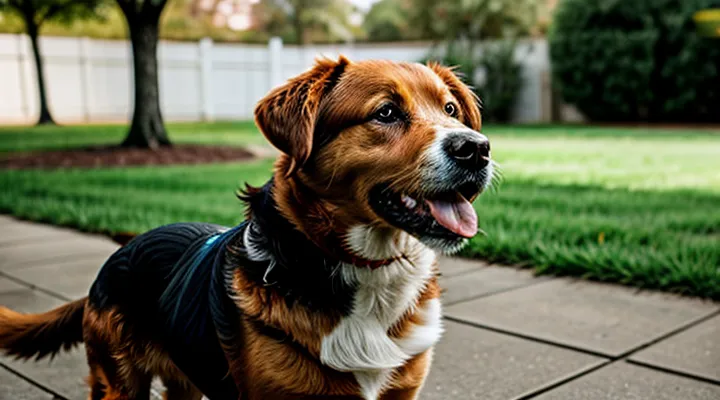
1. Understanding Dog Communication
1.1 Natural Vocalizations
Dogs produce a range of spontaneous sounds that serve as the foundation for any “speak” training program. Understanding these innate vocalizations allows the trainer to select the most adaptable signal and to shape it reliably on cue.
Typical vocal outputs include:
- Bark: short, sharp, often triggered by excitement or alertness.
- Whine: high‑pitched, sustained, usually linked to anxiety or request.
- Growl: low, rumbling, associated with territorial or protective contexts.
- Howl: prolonged, melodic, used for long‑distance communication.
- Yowl: deep, drawn out, conveys distress or pain.
Each sound possesses a distinct acoustic profile and motivational context. Effective conditioning begins by observing when the dog emits a target vocalization without prompting. Record the circumstance, intensity, and duration to establish a baseline.
Training sequence:
- Capture the spontaneous sound by delivering a marker (clicker or word) the moment it occurs.
- Pair the marker with a high‑value reward immediately after the capture.
- Introduce a verbal cue (“speak”) while the dog is in the captured state; repeat until the cue alone elicits the sound.
- Gradually increase the required duration and volume, maintaining reward consistency.
By isolating the natural vocalization most readily produced by the individual dog and systematically reinforcing it with a clear cue, the trainer converts an instinctive behavior into a reliable command.
1.2 Non-Verbal Cues
Training a dog to bark on cue relies heavily on clear non‑verbal signals. The handler must establish a consistent visual cue that the dog can distinguish from everyday movements. Use a specific hand gesture-such as an open palm raised to shoulder height-paired with a brief pause before the command. The gesture should be practiced repeatedly in short sessions to create a strong association between the motion and the desired vocal response.
Timing of the cue is critical. Present the hand signal just before the verbal prompt, then immediately reward any vocalization. If the dog barks without the verbal cue, reinforce the behavior to strengthen the link between the visual signal and the bark. Consistency across training environments prevents confusion and promotes generalization.
Key elements of effective non‑verbal cues:
- Distinct hand shape (open palm, closed fist, or finger point) that differs from common gestures.
- Fixed height and angle of the arm to avoid accidental cues.
- Brief, deliberate pause after the gesture to give the dog time to respond.
- Immediate, high‑value reward (treat or praise) following a successful bark.
- Gradual reduction of verbal reinforcement to ensure the visual cue alone triggers the behavior.
Monitor the dog’s body language for signs of understanding. Eager ear positioning, focused eyes, and a slight lean toward the handler indicate readiness to respond. Adjust the signal’s intensity if the dog appears hesitant; a clearer, more pronounced gesture often resolves uncertainty.
By integrating these non‑verbal components with consistent reinforcement, the dog learns to associate a specific visual cue with the act of barking, enabling reliable performance on command.
1.3 Why Teach "Speak"?
As a certified canine behavior specialist, I emphasize that teaching a dog to vocalize on cue offers measurable benefits.
- Vocal command creates a clear, two‑way signal, reducing ambiguity in everyday interactions.
- It provides mental stimulation, engaging problem‑solving pathways that deter boredom‑related behaviors.
- In controlled environments, the cue can alert owners to the presence of strangers or hazards, enhancing household safety.
- The skill integrates with other obedience commands, reinforcing the dog’s overall responsiveness to structured training.
- Demonstrating the behavior on request allows owners to showcase reliable performance in public settings, reinforcing positive social perception.
Each advantage contributes to a more communicative, attentive, and adaptable companion, justifying the inclusion of the “speak” command in a comprehensive training program.
2. Prerequisites for Training
2.1 Basic Obedience
As a certified canine behavior specialist, I emphasize that mastering basic obedience is a prerequisite for reliable vocal commands. The foundation consists of three core behaviors: sit, stay, and recall. Each establishes the dog’s attention to the handler and creates a predictable response pattern that can later be extended to a “speak” cue.
- Sit - Teach the dog to lower its hindquarters on verbal or hand signal. Reinforce with a high‑value treat the moment the position is achieved, then release with a release word such as “okay.”
- Stay - Once the dog sits, introduce a pause command. Increase duration incrementally, rewarding only when the dog remains stationary for the prescribed interval.
- Recall - Practice bringing the dog back from a distance using a distinct word (“come”). Reward the fastest, most direct return to reinforce motivation.
After these behaviors are reliable at short distances, introduce the “speak” cue in a controlled environment. Begin by eliciting a bark naturally-use a favorite toy or a brief doorbell sound-then pair the desired vocalization with a unique word (“speak”). Immediately reward the bark with a treat and a brief praise. Repeat the pairing until the dog associates the word with the action, then test the command after a stay or recall exercise to confirm that the dog responds without hesitation.
Consistency, timing, and clear signals are the only variables that affect success. Short, frequent sessions (5‑10 minutes) prevent fatigue and maintain enthusiasm. Gradually increase distractions and distance to ensure the command persists under real‑world conditions. Mastery of basic obedience therefore creates the discipline necessary for a reliable “speak” response on command.
2.2 Positive Reinforcement
Positive reinforcement is the most reliable method for shaping a vocal response in canines. When the dog produces the desired sound-whether a bark, howl, or whine-the trainer immediately delivers a reward that the animal finds highly motivating. The reward must be consistent, immediate, and proportionate to the effort, ensuring the association between the command and the vocalization strengthens rapidly.
Key elements of an effective reinforcement plan:
- Reward selection - Use high‑value treats, favorite toys, or enthusiastic verbal praise that the dog reliably prefers over other stimuli.
- Timing - Deliver the reward within one to two seconds of the vocalization to prevent confusion about the cause of the reinforcement.
- Frequency - Begin with a 100 % reinforcement schedule; after the behavior is stable, shift to intermittent reinforcement (e.g., rewarding every third or fifth occurrence) to maintain the response without overfeeding.
- Signal clarity - Pair the verbal cue (“speak”) with a distinct hand signal or visual marker, then reward only when the dog vocalizes after the cue, not spontaneously.
During training sessions, keep the environment free of distractions that could compete with the reward. Record progress by noting the number of successful vocalizations per session; a steady increase indicates that the reinforcement pattern is effective. If the dog fails to respond, pause, re‑establish the reward value, and retry the cue after a brief rest. This systematic application of positive reinforcement accelerates learning while preserving the dog’s enthusiasm for the task.
2.3 Required Materials
Effective training of a dog to vocalize on cue requires specific tools that ensure consistency and safety. The following items constitute a complete kit:
- High‑value treat packets - small, soft morsels that the dog finds irresistible; keep them in a sealed container to maintain freshness.
- Clicker or marker device - a distinct sound that signals the exact moment the desired behavior occurs; choose a model with adjustable volume to avoid startling the animal.
- Leash and harness - a sturdy, adjustable harness paired with a 6‑foot leash allows controlled positioning while preventing tension on the neck.
- Quiet, distraction‑free training area - a carpeted room or fenced yard where external noises are minimized; use a portable barrier if indoor space is limited.
- Recording device - a smartphone or digital recorder to capture the command word and the dog’s response for later analysis.
- First‑aid kit - basic supplies such as antiseptic wipes, gauze, and adhesive tape in case of minor injuries during practice.
Supplementary items can enhance progress but are not essential:
- Target stick - a lightweight pole that helps shape the mouth‑opening motion.
- Treat‑dispensing toy - encourages sustained engagement when longer sessions are needed.
All materials should be inspected before each session to confirm functionality and cleanliness. Consistent use of these resources creates a reliable framework for teaching vocalization on command.
3. Step-by-Step Training Guide
3.1 Capturing the Behavior
Capturing the behavior involves identifying a moment when the dog naturally barks and immediately pairing that occurrence with a distinct cue. The trainer must be present and ready to mark the bark the instant it starts, using a consistent signal such as a clicker or a brief verbal marker (“yes!”). The marker tells the dog that the specific action has earned attention and will be reinforced.
The process proceeds as follows:
- Observe the dog during activities that typically elicit vocalization (e.g., doorbell, stranger at the door, play).
- As soon as the bark begins, activate the marker without delay.
- Deliver a high‑value reward (small piece of meat, cheese, or a favorite treat) within one second of the marker.
- Repeat the sequence until the dog associates the marker and reward with the act of barking itself, regardless of the original trigger.
After the association is solid, introduce a verbal command (“speak”) immediately before the expected bark. Use the same marker and reward when the dog barks after the command, gradually reducing reliance on the original stimulus. Consistency in timing, marker, and reward ensures the behavior becomes a reliable response to the cue rather than a reaction to external events.
3.1.1 Identifying Natural Barks
Understanding a dog’s innate vocalizations is the first step toward reliable cue‑based barking. Dogs emit distinct bark patterns that correspond to specific stimuli, emotional states, or needs. Recognizing these patterns enables the trainer to differentiate a spontaneous bark from a response to a command.
Typical natural bark categories include:
- Alert bark - short, sharp bursts triggered by unfamiliar sounds or movements; often accompanied by a forward‑leaning posture.
- Play bark - repetitive, higher‑pitched sounds emitted during interactive activities; usually paired with a wagging tail and loose body language.
- Demand bark - medium‑length, rhythmic barks produced when the dog seeks attention, food, or access to a resource; may be paired with pawing or whining.
- Fear/Distress bark - rapid, low‑to‑mid‑frequency barks accompanied by a tucked tail, flattened ears, and avoidance behavior.
- Greeting bark - brief, friendly bursts when the dog encounters a familiar person or animal; often followed by a relaxed stance.
To identify natural barks accurately, follow these steps:
- Observe the dog in varied environments without issuing any commands.
- Record audio samples of each bark type, noting the context and accompanying body language.
- Analyze pitch, duration, and repetition rate; alert barks are typically brief, while demand barks sustain longer intervals.
- Correlate acoustic features with external triggers to build a reference chart for the individual dog.
Consistent documentation creates a baseline that the trainer can reference when teaching a vocal cue. By aligning the command with the dog’s existing bark repertoire, the animal can transfer a familiar sound into a deliberate response, increasing reliability and reducing confusion.
3.1.2 Marking and Rewarding
Marking is the precise signal that a behavior has met the trainer’s criteria. In teaching a dog to bark on cue, the marker must occur the instant the dog vocalizes. The most reliable markers are a clicker or a distinct word such as “yes.” Consistency in sound and timing eliminates ambiguity and accelerates learning.
Rewarding follows the marker and reinforces the desired action. Effective rewards include high‑value treats, brief play, or enthusiastic verbal praise. The reward must be delivered within one to two seconds after the marker to maintain the association between the bark and the positive outcome.
Key practices for successful marking and rewarding:
- Use a single, unmistakable marker throughout the training cycle.
- Deliver the reward immediately after the marker; delay degrades the connection.
- Select a reward that the dog finds irresistible at the start of training; gradually reduce its size as the cue becomes reliable.
- Keep the reward brief to prevent the dog from becoming satiated and losing focus.
- Record the exact moment the dog barks to ensure the marker aligns with the correct behavior, not with preparatory actions.
Gradual fading of the marker and reward solidifies the command. Once the dog consistently barks on cue, replace the treat with intermittent reinforcement-randomized treats or occasional praise-while maintaining the marker for occasional corrections. This schedule preserves the behavior while encouraging the dog to perform without constant food motivation.
3.2 Introducing the Command
When a dog is ready to associate a vocalization with a cue, the trainer must present a single, distinct word-such as “Speak,” “Talk,” or a personalized signal. The chosen cue should be short, clear, and free of phonetic overlap with other commands the dog already knows. Consistency is critical; the exact word must be used every time the behavior is requested, without variation in tone or length.
The introduction process follows a three‑stage sequence:
- Capture the vocalization - Encourage the dog to bark naturally by presenting a mild stimulus (e.g., a doorbell, a knock, or a favorite toy). As soon as the sound occurs, immediately mark the moment with a clicker or a crisp “yes,” then reward with a high‑value treat.
- Pair the cue - After several successful captures, add the verbal cue just before the expected bark. Speak the word in a calm, steady voice, then wait for the dog to vocalize. Mark and reward the response as before.
- Reinforce with brief sessions - Conduct multiple short training bouts (5‑7 minutes) daily. Gradually increase the interval between cue and reward, ensuring the dog continues to respond reliably without prompting.
Throughout the routine, maintain a neutral demeanor; avoid excitement that could confuse the association. If the dog fails to bark after the cue, refrain from repeating the word within the same trial-reset the attempt after a short pause to preserve the cue’s predictive value. Over time, the dog will emit the vocalization on command without auxiliary prompts.
3.2.1 Associating the Word
When a trainer wishes to elicit a bark, the first task is to bind a specific verbal cue to the vocalization. The cue must be distinct, short, and consistently pronounced so the dog can differentiate it from everyday speech. Begin each session by presenting the chosen word-such as “speak,” “bark,” or “talk”-in a clear, upbeat tone.
During the association phase, follow these steps:
- Position the dog in a low‑distraction environment.
- Capture a spontaneous bark (by knocking on a door, ringing a bell, or using a favorite toy).
- Immediately after the bark, say the cue word once, then reward the dog with a high‑value treat or enthusiastic praise.
- Repeat the sequence 5-7 times per session, spacing repetitions to prevent the dog from anticipating the reward without the bark.
Consistency across all training episodes reinforces the neural link between the sound and the command. Gradually introduce mild distractions-other people speaking, background noises-while maintaining the same cue‑reward pattern. If the dog hesitates, revert to a quieter setting, repeat the capture‑cue‑reward loop, and only then progress to higher stimulus levels.
Over several weeks, the dog will respond to the cue without needing the initial trigger. At that point, the trainer can phase out the treat, substituting intermittent reinforcement to preserve the behavior while avoiding reliance on constant food rewards. This systematic pairing of word and bark constitutes the core of reliable cue conditioning.
3.2.2 Phasing Out the Lure
When teaching a dog to vocalize on cue, the transition from a food lure to a reliable command is critical. The lure initially reinforces the behavior, but the ultimate goal is a response that occurs without any tangible reward.
Begin by pairing the cue word with the lure. Present the treat, wait for the bark, then immediately say the chosen command (e.g., “Speak”). Deliver the treat only after the cue has been spoken, ensuring the dog associates the word with the action rather than the treat itself.
Next, introduce a brief delay between the cue and the reward. After the dog barks, pause one to two seconds before offering the treat. Gradually increase the pause in small increments (e.g., 0.5 seconds) until the reward follows the cue by several seconds. This timing shift teaches the dog that the command, not the treat, initiates the behavior.
Replace the treat with intermittent reinforcement:
- Randomly reward after a correct bark (e.g., 1 out of every 3 attempts).
- Use praise, a quick petting motion, or a clicker as secondary markers.
- Reserve treats for occasional “high‑value” sessions to maintain motivation.
Finally, eliminate the lure entirely. Conduct practice sessions in varied environments, using only the verbal cue and verbal praise. Monitor the dog’s response; if performance drops, re‑introduce a minimal reward for one session, then repeat the fading process.
Consistent application of these steps reduces reliance on food, solidifies the verbal command, and produces a dependable vocal response across contexts.
3.3 Proofing and Generalization
Teaching a dog to vocalize on cue succeeds only when the behavior persists across varied settings, stimuli, and people. Proofing and generalization transform a conditioned response from a controlled training session into a reliable skill.
Begin by reinforcing the command in the original training area with minimal distractions. Once the dog reliably barks on cue, introduce a single new element-different flooring, background noise, or a brief pause before the cue. Maintain the same hand signal and verbal marker, rewarding only when the vocalization occurs despite the added variable. Repeat the process, incrementally layering additional challenges: other pets moving nearby, unfamiliar visitors, or outdoor environments such as a park or a busy street. Each new context must be practiced until the dog emits the sound on command without hesitation.
A systematic schedule supports this progression:
- Environment rotation - practice in at least three distinct locations per week.
- Distraction escalation - start with low‑intensity sounds (e.g., a ticking clock) and advance to high‑intensity stimuli (e.g., passing cars).
- Cue variation - occasionally alter the distance between the trainer and the dog, or use a slightly different tone while preserving the core word.
- Random reinforcement - after a series of consistent responses, reward only on a variable‑ratio schedule to prevent the dog from anticipating a treat every time.
Throughout the proofing phase, keep the reinforcement criteria strict: reward only genuine vocalizations that meet the desired intensity and duration. If the dog hesitates or emits a partial bark, withhold the reward and repeat the cue after a brief pause. This discrimination sharpens the behavior and reduces the likelihood of accidental or accidental “false positives.”
Generalization also requires exposure to different people issuing the command. Select several trusted individuals, each trained to use the same verbal cue and hand signal. Observe the dog’s response; if inconsistencies appear, provide brief corrective sessions with the specific handler until the dog responds uniformly.
Finally, document progress by noting the date, location, distractions present, and the dog's response quality. Review the log weekly to identify patterns where performance dips, then schedule targeted proofing sessions to address those gaps. Consistent documentation ensures the skill remains robust and transferable, ultimately enabling the dog to speak on command reliably in any real‑world situation.
3.3.1 Practicing in Different Environments
Training a dog to vocalize on cue loses effectiveness if practice remains confined to a single setting. Diversifying the environment forces the animal to associate the command with the behavior rather than with familiar surroundings.
Begin each session in a low‑distraction area such as a quiet room. Reinforce the cue until the dog barks reliably, then gradually introduce new variables. Move to a backyard, then a quiet street, followed by a bustling park. At each location, maintain the same hand signal and verbal cue, rewarding every correct response with a high‑value treat or praise.
Key considerations for successful generalization:
- Noise level: Start with moderate background sounds, then progress to louder environments (traffic, crowds). If the dog hesitates, lower the volume temporarily and resume training.
- Distance from owner: Practice both close and far positions. Use a long leash to allow the dog to respond from several meters away while staying under control.
- Presence of other animals: Introduce the cue while other dogs or cats are nearby. Reward calm, focused responses to prevent distraction.
- Surface variation: Conduct sessions on grass, concrete, and uneven terrain. Consistency of the cue across surfaces reinforces the command’s abstract nature.
Document performance in each setting. Note any decline in response rate and adjust the reinforcement schedule accordingly. If the dog fails to bark in a particular environment, revert to a familiar location, re‑establish the behavior, then re‑introduce the challenging setting with shorter intervals between cues.
Regular rotation through diverse locations prevents context‑dependent learning and builds a robust, reliable response to the speak command across real‑world situations.
3.3.2 Varying Distractions
When teaching a dog to vocalize on cue, the ability to respond amid changing distractions determines reliability. Begin each session in a calm environment, confirm the cue elicits a bark, then systematically introduce stimuli that compete for the dog’s attention.
Increase complexity in stages:
- Mild background noise - play a radio or TV at low volume while the dog is on leash. Reward the bark only if it occurs within three seconds of the cue.
- Moving objects - walk past a slow‑moving stroller or a child playing nearby. Maintain the same timing requirement; if the dog hesitates, pause and repeat the cue without reward until success is achieved.
- High‑energy activity - practice in a park where other dogs are off‑leash, people jog, and toys are tossed. Use a high‑value treat and a firm, consistent cue. If the dog fails, retreat to a quieter spot, reinforce the behavior, then re‑introduce the busy setting.
- Unexpected sounds - trigger a doorbell, car horns, or a whistle from a distance. Deliver the cue immediately after the sound; this trains the dog to prioritize the command over sudden alerts.
Track performance by noting the number of successful barks per distraction level before progressing. If success falls below 80 % for any stage, repeat the previous level until consistency is restored. Maintain a steady cue tone and hand signal throughout; variation in these elements can confuse the dog and undermine the training objective.
4. Troubleshooting Common Issues
4.1 Dog Not Barking
When a dog fails to bark on cue, the most common cause is insufficient association between the command and the vocal response. Dogs learn through repetition; without consistent reinforcement, the cue remains meaningless.
First, verify that the dog is capable of barking spontaneously. Some breeds, such as Basenjis, produce limited vocalizations. If the animal rarely barks in natural situations, expect slower progress.
Second, assess the training environment. Distractions, unfamiliar settings, or excessive stress suppress vocal output. Begin sessions in a quiet, familiar area where the dog feels secure.
Third, examine the reinforcement schedule. Reward immediately after any bark, even a faint one, to strengthen the link. Use high‑value treats or enthusiastic praise that the dog finds motivating.
Fourth, evaluate the cue itself. A word or hand signal must be clear and distinct from other commands. Consistency prevents confusion.
Practical steps:
- Identify a trigger that naturally elicits a bark (doorbell, stranger, toy).
- Pair the chosen cue with the trigger: say the cue just before the trigger occurs.
- As soon as the dog vocalizes, deliver the reward.
- Repeat the sequence, gradually reducing the strength of the trigger while maintaining the cue.
- Introduce mild distractions, then increase complexity as the dog reliably barks on command.
If progress stalls after several sessions, consider health factors. Respiratory infections, dental pain, or throat irritation can inhibit barking. A veterinary check rules out medical issues.
Finally, maintain a short, focused training schedule-five minutes per day-so the dog remains eager and avoids fatigue. Consistency, clear cues, and prompt reinforcement are the pillars of successful vocal command training.
4.2 Excessive Barking
Excessive barking undermines any effort to develop a reliable “speak” cue. It signals that the dog is reacting to stimuli rather than responding to a trained command, which can confuse the learning process.
First, identify triggers. Common sources include strangers at the door, unfamiliar noises, boredom, and anxiety. Record each situation, noting time of day, environment, and the dog’s behavior before and after the bark. This data isolates patterns and guides targeted interventions.
Second, establish a calm baseline. Teach the dog a “quiet” response by rewarding silence after a brief bark. Use a high‑value treat the moment the dog stops vocalizing, then immediately reinforce the “speak” cue in a controlled setting. Consistency prevents reinforcement of unwanted barking.
Third, integrate the “speak” command with controlled exposure to triggers:
- Present a mild stimulus (e.g., a recorded doorbell) at a low volume.
- Prompt the “speak” cue, rewarding the correct bark.
- Gradually increase stimulus intensity while maintaining the cue‑response link.
- If the dog barks without the cue, apply the “quiet” protocol before re‑introducing the command.
Fourth, manage environmental factors that encourage excess vocalization. Provide regular mental and physical exercise, puzzle toys, and scheduled play sessions to reduce boredom‑induced barking. For anxiety‑related cases, consider desensitization techniques and, if necessary, consult a veterinary behaviorist.
Finally, track progress with weekly logs. Mark each successful cue‑induced bark and each instance of uncontrolled barking. Adjust the training schedule based on the ratio of desired to undesired vocalizations, aiming for a steady decline in spontaneous barking while maintaining a reliable response to the command.
4.3 Confusion Between Commands
When a dog is taught to vocalize on cue, overlapping or ambiguous signals often produce confusion. If the verbal command for “speak” resembles other commands-such as “sit,” “stay,” or “fetch”-the animal may hesitate or respond incorrectly. This ambiguity arises from three primary sources: phonetic similarity, inconsistent tone, and mixed context during training sessions.
- Choose a word with a unique sound pattern that does not share initial consonants or vowel structures with existing cues.
- Maintain a consistent pitch and volume for the “speak” command; avoid shifting between high‑pitched and low‑pitched utterances.
- Deliver the command only in dedicated practice periods; refrain from using the same word inadvertently in everyday conversation.
Another source of confusion is the lack of a clear marker indicating the desired behavior. Without a distinct cue, the dog may interpret a random bark as a response to the command. Pair the verbal cue with a hand signal or a specific body posture that remains unchanged throughout training. Reinforce the correct association by rewarding immediately after the dog barks, then pausing before any other instruction.
If confusion persists, isolate the problematic cue. Conduct short, 5‑minute drills focusing exclusively on “speak,” while temporarily suspending other commands. Record the dog’s response rate; a steady increase in correct vocalizations signals successful discrimination. Once reliability reaches a high threshold, re‑introduce additional commands, ensuring each retains its distinct auditory and visual signature.
5. Advanced Techniques
5.1 Teaching Different Vocalizations
Teaching a dog to produce distinct vocalizations on cue requires clear differentiation between sounds, consistent cueing, and precise reinforcement. Begin by selecting the target vocalizations-commonly “bark,” “howl,” and “whine.” Each sound must be associated with a unique verbal or hand signal so the dog can discriminate between them.
First, capture the natural occurrence of the desired sound. When the dog spontaneously barks, immediately issue the chosen cue (e.g., “bark”) and reward with a high‑value treat. Repeat this pairing until the dog links the cue to the bark. Apply the same method for a howl and a whine, using separate cues such as “howl” and “whine.” Consistency in cue wording and timing of reinforcement is essential.
Second, practice discrimination. Present two cues in succession (e.g., “bark” followed by “howl”) and reward only the correct response. If the dog produces the wrong sound, withhold the reward and repeat the cue without reinforcement. Gradually increase the interval between cue and reward to build reliability.
Third, generalize the behavior across environments. Conduct short sessions in varied locations-indoors, backyard, park-while maintaining the same cue-reward structure. This prevents context‑specific learning and strengthens the dog’s ability to vocalize on command regardless of surroundings.
Key points for successful implementation:
- Choose distinct cues for each vocalization.
- Pair each cue with immediate, high‑value reinforcement.
- Use discrimination drills to teach the dog to differentiate sounds.
- Gradually phase out treats, substituting praise or a release word.
- Test the behavior in multiple settings to ensure robustness.
By following these steps, the dog learns not only to speak on demand but also to select the appropriate vocalization according to the given command.
5.2 Combining Commands
Combining the “speak” cue with other commands accelerates a dog’s ability to respond reliably in multitask situations. Begin by confirming that the dog performs each command independently with a consistent reward schedule. Once both “speak” and the secondary cue (for example, “stay”) are solid, introduce a brief pause between them. The pause signals that a compound request follows; the dog learns to wait after the first cue before emitting the second behavior.
Implement the following sequence:
- Issue the primary command (“stay”); wait two seconds.
- Immediately give the “speak” cue.
- Reward only if the dog remains in the original position while vocalizing.
- Gradually reduce the pause interval as accuracy improves.
Progress to more complex pairings, such as “come” followed by “speak”. Use a distinct marker word (e.g., “now”) to separate the actions if the dog tends to merge them unintentionally. Reinforce each successful compound response with high‑value treats or enthusiastic praise, then phase out treats while maintaining verbal praise to preserve the behavior.
Monitor for signs of confusion, such as delayed vocalization or breaking the initial command. If observed, revert to separate training for a few sessions before re‑introducing the combination. Consistent timing, clear separation, and immediate reinforcement ensure the dog integrates multiple cues without ambiguity.