
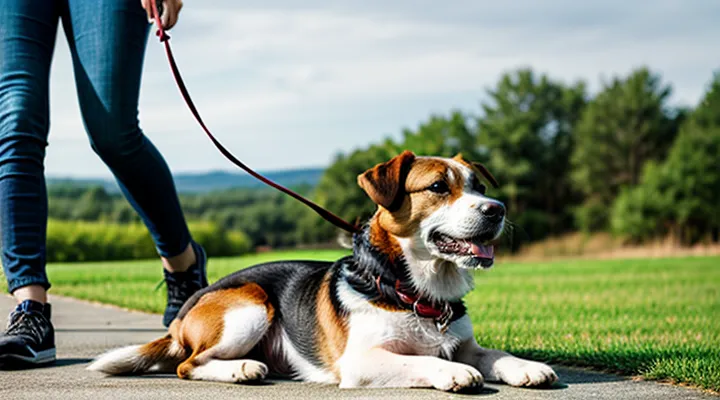
1. Recognizing Subtle Signs
1.1 Behavioral Changes
As a veterinary behavior specialist, I identify several behavioral indicators that reliably signal physical discomfort in dogs. Pain often manifests as deviations from the animal’s normal routine, and these deviations become apparent through observable actions.
- Reluctance to jump, climb stairs, or engage in previously enjoyed activities
- Favoring one limb, limping, or adopting an uneven gait
- Guarding specific body regions with the mouth or by shifting weight away from the area
- Vocalizations such as whines, growls, or yelps when touched or during movement
- Sudden aggression or snap responses to handling of a particular spot
- Decreased appetite, refusal of treats, or prolonged periods of fasting
- Altered sleep patterns, including frequent waking or inability to lie comfortably
- Excessive panting or trembling unrelated to temperature or exertion
These behaviors, when observed consistently, warrant a thorough clinical evaluation to determine the underlying cause of pain and to develop an appropriate treatment plan.
1.1.1 Reduced Activity Levels
Reduced activity is a primary indicator that a dog may be experiencing physical discomfort. Dogs in pain often limit movement to avoid aggravating the source of distress. Observe any deviation from the animal’s usual exercise pattern: shorter walks, reluctance to run, or avoidance of stairs.
Key observations include:
- Decline in play frequency or enthusiasm.
- Preference for lying down in one spot rather than moving around the house.
- Hesitation before initiating activity, such as pausing before exiting a room.
- Early exhaustion during routine exercise, even on mild days.
Distinguishing pain‑related inactivity from normal aging or boredom requires comparison with baseline behavior. If a normally active dog suddenly chooses to rest for extended periods, the change likely signals an underlying issue. Monitoring the duration and context of reduced activity helps determine whether veterinary assessment is warranted.
1.1.2 Changes in Appetite or Thirst
Veterinary professionals recognize that alterations in a dog’s eating and drinking patterns often signal underlying discomfort. When pain affects the gastrointestinal tract, musculoskeletal system, or systemic health, the animal may exhibit one or more of the following behaviors:
- Reduced food intake or complete refusal to eat, even when favorite foods are offered.
- Sudden increase in appetite, possibly driven by stress or an attempt to soothe abdominal discomfort.
- Decreased water consumption, leading to dry gums and reduced skin turgor.
- Excessive thirst, which may accompany inflammation or fever associated with injury.
These shifts can appear gradually or manifest abruptly after trauma, surgery, or the onset of a chronic condition. Monitoring the consistency of meals and water intake provides a reliable metric; a deviation of more than 20 % from the dog’s typical daily consumption warrants further evaluation. Correlating these observations with other pain indicators-such as limping, vocalization, or altered posture-enhances diagnostic accuracy and guides timely intervention.
1.1.3 Increased Irritability or Aggression
When a dog experiences physical discomfort, its behavior often shifts toward heightened irritability or aggression. Recognizing this change is essential for early intervention and pain management.
Typical manifestations include:
- Sudden snapping or growling in situations that previously elicited calm behavior.
- Uncharacteristic lunging toward people or other animals without clear provocation.
- Reluctance to be touched in specific areas, accompanied by a defensive response when contact is attempted.
- Increased vocalizations such as whines, whimpers, or growls during routine handling.
These reactions differ from normal territorial or fear‑based aggression. The trigger is usually a direct association between a particular movement or pressure and pain. For instance, a dog that suddenly balks when its hind legs are lifted may be protecting an injured joint.
Veterinarians and behavior specialists advise monitoring the frequency and intensity of aggressive episodes. A pattern of escalation, especially after veterinary procedures, training sessions, or walks, often signals underlying nociception. Documenting the context-time of day, activity, and body region involved-provides valuable data for diagnostic evaluation.
In practice, a calm, low‑stress environment combined with gentle observation can help differentiate pain‑induced aggression from other behavioral issues. If irritability persists or intensifies despite environmental adjustments, a professional assessment is warranted to identify and treat the source of discomfort.
1.1.4 Restlessness or Inability to Settle
When a dog experiences discomfort, it often cannot remain still. Restlessness manifests as frequent position changes, pacing, or an inability to relax even in familiar environments. This behavior differs from normal excitement; it persists despite the absence of stimuli that would normally trigger activity.
Key indicators of restlessness linked to pain include:
- Constant shifting from side to side, even when offered a comfortable surface.
- Repetitive pacing around the house or yard without a clear purpose.
- Repeated attempts to lie down that end abruptly, followed by immediate standing.
- Inability to settle during sleep, resulting in short, fragmented naps.
- Vocalizations such as whimpering or low growls accompanying movement.
Observe the context: if the dog displays these patterns after a fall, a veterinary procedure, or during periods of limited mobility, the likelihood of physical distress increases. Correlate restlessness with other pain signals-guarding of a specific area, reluctance to bear weight, or changes in appetite-to confirm the assessment.
Early recognition of sustained restlessness enables prompt veterinary evaluation, reducing the risk of chronic issues and improving recovery outcomes.
1.1.5 Hiding or Seeking Isolation
When a dog experiences discomfort, it may withdraw from social interaction and seek solitude. This behavior contrasts with the animal’s usual desire for companionship and can serve as a reliable indicator of underlying physical distress.
- The dog retreats to a quiet corner, under furniture, or into a separate room, avoiding the areas where it normally rests or plays.
- It refrains from approaching family members, ignores invitations to join walks, and shows reluctance to be petted, even in favored spots.
- The animal may position itself in a way that shields a painful limb or body part, such as curling tightly or lying on its side with the injured area protected.
- Vocalizations decrease; the dog becomes unusually silent, avoiding barking or whining that typically signals excitement or anxiety.
- Appetite and water intake may decline, not solely because of nausea but due to the effort required to reach food bowls placed in familiar, accessible locations.
Observing a consistent pattern of isolation, especially when paired with other pain‑related cues, warrants a veterinary assessment. Early recognition of this withdrawal behavior can prevent escalation of injury and facilitate timely treatment.
1.1.6 Excessive Licking or Chewing at a Specific Area
Excessive licking or chewing of a localized area is a reliable indicator that a dog may be experiencing physical discomfort. When a dog repeatedly focuses attention on one spot, the behavior usually reflects an attempt to alleviate pain, irritation, or inflammation. The following points outline how to interpret this symptom and decide on appropriate action.
- Persistent licking or chewing lasts longer than a few seconds and occurs several times throughout the day.
- The behavior intensifies after activity, rest, or exposure to temperature changes, suggesting a mechanical or inflammatory source.
- The affected region may appear reddened, swollen, or have a raw surface; hair loss or scabbing often accompanies chronic irritation.
- The dog may exhibit a change in gait, stiffness, or reluctance to bear weight on a limb associated with the licking site.
- Secondary signs such as panting, restlessness, or reduced appetite can accompany the localized behavior, reinforcing the presence of pain.
To evaluate the situation, follow these steps:
- Conduct a visual inspection of the area for wounds, heat, or swelling.
- Gently palpate the region; a painful response (flinching, growling, or pulling away) confirms sensitivity.
- Observe the dog's movement; limping or avoidance of normal positions indicates underlying musculoskeletal involvement.
- Review recent activities, injuries, or changes in environment that could have triggered the behavior.
- If the licking persists for more than 24‑48 hours, causes tissue damage, or is accompanied by systemic signs, schedule a veterinary examination promptly.
Early identification of excessive licking as a pain response enables timely intervention, prevents secondary infections, and reduces the risk of chronic musculoskeletal problems.
1.2 Posture and Movement
As a veterinary specialist, I evaluate canine discomfort primarily through observable changes in posture and movement. Pain alters the way a dog positions its body, distributes weight, and performs routine activities. Recognizing these alterations allows owners and professionals to intervene before the condition worsens.
A dog in pain may:
- Adopt a lowered, hunched back or a stiff, upright stance to protect a specific area.
- Favor one limb, shifting weight away from the injured side while standing or walking.
- Exhibit a shortened stride, reduced step length, or an uneven gait pattern.
- Show reluctance to jump onto furniture, climb stairs, or initiate movement after rest.
- Display frequent licking, chewing, or biting of a particular spot, often accompanied by a tense musculature around that region.
Movement analysis should include:
- Observation of gait on a flat surface, noting any limping, dragging, or circumduction.
- Assessment of rise and sit transitions; difficulty rising or a hesitant sit indicates joint or muscle pain.
- Monitoring of play behavior; abrupt cessation, avoidance of certain motions, or excessive stiffness during chase activities signals discomfort.
- Evaluation of balance; wobbling, frequent corrections, or an inability to maintain a stable stance while standing still points to musculoskeletal issues.
When these signs appear consistently, they merit a thorough veterinary examination. Early detection through posture and movement assessment reduces the risk of chronic injury and improves treatment outcomes.
1.2.1 Limping or Favoring a Limb
Limping or favoring a limb is one of the most immediate indicators that a dog is experiencing physical discomfort. An expert observer looks for the following characteristics:
- Uneven weight distribution when the animal stands or walks; the affected leg bears less pressure.
- A noticeable change in gait, such as a shorter stride on one side or a stiff, dragging motion.
- Reluctance to place the limb on the ground, often accompanied by a brief pause before each step.
- Audible clicking or popping sounds from the joint during movement.
- Swelling, heat, or visible bruising around the joint, tendon, or paw.
When a limp is detected, the next steps should include a controlled physical examination. Gently palpate the limb to locate tenderness, assess joint range of motion, and compare symmetry with the opposite side. Record the duration and frequency of the limp; intermittent limping may suggest a mild strain, while constant favoring often signals a more severe injury such as a fracture or ligament rupture. If the animal shows signs of severe pain, refuses to bear weight, or the limp worsens despite rest, immediate veterinary evaluation is required to prevent further damage and to initiate appropriate treatment.
1.2.2 Stiffness or Reluctance to Move
Veterinary experts recognize stiffness or reluctance to move as a reliable indicator that a dog may be experiencing physical discomfort. When an animal exhibits reduced range of motion, hesitates before climbing stairs, or appears unusually careful when navigating typical obstacles, the underlying cause is often musculoskeletal pain. Observe the following patterns:
- Delayed response to commands that require jumping, running, or sudden changes in direction.
- Preference for lying down in a specific position and avoidance of standing or walking for extended periods.
- Visible tension in the neck, back, or limbs, often accompanied by a stiff gait or uneven stride.
- Reluctance to engage in previously enjoyed activities such as fetch, play, or walks, despite no apparent environmental deterrent.
These behaviors frequently correlate with conditions such as arthritis, soft‑tissue injury, or post‑surgical recovery. A thorough physical examination should include palpation of joints and muscles to identify areas of resistance or pain. If stiffness persists despite rest, or if the dog shows signs of escalating discomfort, immediate veterinary assessment is warranted to rule out serious pathology and to initiate appropriate analgesic therapy.
1.2.3 Hunched or Guarded Stance
A hunched or guarded stance is a reliable indicator that a dog may be experiencing physical discomfort. When the animal contracts its core muscles and lowers the back, the posture serves to protect a painful area. The following observations help differentiate pain‑related guarding from normal behavior:
- The spine appears rounded, with the ribcage drawn inward rather than relaxed.
- The dog may keep its weight shifted away from the suspected site, often standing on three legs or distributing pressure unevenly.
- Movement is hesitant; the animal may pause before stepping forward, and stride length shortens.
- The head may be lowered, ears pinned, and eyes appear tense, reflecting an overall defensive posture.
- Relief is observed when the dog is gently supported or the painful region is avoided, indicating that the stance is a protective response rather than a habit.
These characteristics, when consistently present, suggest that the dog is attempting to minimize pain through a guarded alignment. Monitoring changes in the stance over time, especially after activity or medication, provides valuable feedback for treatment decisions.
1.2.4 Difficulty Lying Down or Getting Up
Difficulty lying down or rising can be a reliable indicator that a dog is experiencing physical discomfort. When a dog hesitates before assuming a resting position, shifts weight repeatedly, or appears to search for a more favorable angle, the underlying cause is often musculoskeletal pain. The animal may also display a slower, labored movement when transitioning from a standing to a lying posture, suggesting restricted joint mobility or muscular strain.
Observable signs include:
- Reluctance to lie down, accompanied by prolonged circling or scratching at the floor.
- Sudden pauses mid‑movement, followed by a return to a standing position.
- Audible grunts, whines, or a low growl when the dog attempts to settle.
- Asymmetrical positioning, such as favoring one side or keeping the opposite limb extended.
- Visible trembling or shaking during the transition.
Veterinarians recommend assessing the duration and consistency of these behaviors. Persistent difficulty over several attempts, especially after activity or in the morning, warrants a thorough physical examination. Diagnostic steps may involve palpation of joints, assessment of range of motion, and imaging if arthritis, disc disease, or soft‑tissue injury is suspected.
Owners should facilitate a low‑impact environment: provide non‑slippery bedding, limit jumps onto furniture, and monitor the dog’s response to gentle assisted positioning. Early identification of reluctance to lie down or rise can prevent escalation of pain, improve recovery outcomes, and inform appropriate therapeutic interventions.
1.2.5 Shivering or Trembling
Shivering or trembling in a dog often signals underlying discomfort rather than merely a reaction to temperature. When the behavior appears suddenly, persists despite a warm environment, or intensifies during movement, it warrants closer scrutiny as a possible pain indicator.
Observe the context of the tremor. Pain‑related shaking typically:
- Occurs while the animal is resting or after brief activity, not continuously during exposure to cold.
- Is localized to a specific limb, abdomen, or the neck, suggesting focal injury.
- Accompanies other pain cues such as guarded posture, reduced weight‑bearing, or vocalization when touched.
- Diminishes when the dog is gently supported or positioned to relieve pressure on the affected area.
Distinguish this from stress‑induced trembling. Anxiety‑related shaking often coincides with heightened alertness, avoidance of eye contact, or pacing, and usually subsides when the dog feels secure. In contrast, pain‑driven shivering remains regardless of the animal’s emotional state and may worsen with palpation of the suspected site.
If shivering persists, document frequency, duration, and any associated movements. Conduct a brief physical examination, applying light pressure to assess for increased sensitivity. When uncertainty remains, refer the dog to a veterinarian for imaging or analgesic evaluation to prevent chronic suffering.
2. Vocalizations and Expressions
2.1 Abnormal Sounds
Dogs in distress often emit sounds that differ from normal vocalizations. Recognizing these cues enables timely intervention and reduces suffering.
- Sharp, high‑pitched whines - sudden onset, persistent, may accompany movement or handling of a specific limb; suggests acute discomfort.
- Low, guttural growls without provocation - low frequency, steady, not tied to territorial or protective contexts; indicates underlying pain.
- Short, repetitive yelps - brief, repetitive, triggered by pressure or touch; typical of joint or soft‑tissue injury.
- Continuous moaning or whimpering - low‑volume, prolonged, often heard when the dog is at rest; points to chronic pain or internal inflammation.
- Altered breathing sounds - rapid, shallow panting interspersed with audible wheezes or rattles; may reflect abdominal or thoracic injury.
When any of these sounds appear, observe the circumstances of their emergence, note any accompanying behavioral changes, and seek veterinary assessment without delay. Early detection through auditory monitoring protects the animal’s welfare and guides appropriate treatment.
2.1.1 Whining or Crying
Whining or crying often signals discomfort when it appears suddenly, intensifies with movement, or persists despite distraction. Unlike occasional vocalizations during play, pain‑related whines are higher‑pitched, strained, and may accompany tense body language such as a tucked abdomen or rigid limbs. Observe the following indicators:
- Vocalization begins after a specific incident (e.g., a slip, a bite, or a jump) and does not subside when the dog is left alone.
- The sound changes in intensity when the affected area is touched or when the dog is asked to bear weight.
- The dog exhibits avoidance behaviors, such as turning away, flinching, or limping, while vocalizing.
Differentiating pain from anxiety or attention‑seeking involves context. Anxiety‑driven whining is usually linked to separation, loud noises, or unfamiliar environments and often diminishes when the stressor is removed. Attention‑seeking cries occur during interaction attempts and are usually accompanied by wagging or playful posture.
When whining suggests pain, perform a gentle physical exam: palpate muscles and joints slowly, watch for recoil or increased vocal response. If the dog reacts defensively, limits movement, or the whining persists for more than a few minutes, arrange veterinary evaluation promptly. Early detection prevents worsening injury and facilitates appropriate treatment.
2.1.2 Growling or Snapping when Touched
When a dog reacts with a sudden growl or snaps at a hand that makes contact, the behavior often signals discomfort rather than aggression alone. Painful sensations trigger a protective response; the animal attempts to prevent further pressure on the affected area. This reflexive vocalization and bite warning serve as a clear communication that the touched region is sensitive.
Key observations that differentiate pain‑related growling from ordinary territorial or fear‑based aggression include:
- The sound is brief, low‑pitched, and accompanies a specific, localized stimulus (e.g., a paw, belly, or joint).
- The dog’s body posture remains otherwise relaxed; ears may be neutral, and the tail is not tucked aggressively.
- The reaction ceases immediately once pressure is removed, and the dog does not pursue further biting or lunge.
- The behavior appears only when the particular area is touched, not in unrelated interactions.
Veterinary assessment should follow any recurring instance of this response. A thorough physical examination can identify underlying conditions such as arthritis, soft‑tissue injury, or dental problems. Early detection prevents escalation of pain and reduces the risk of the dog developing chronic defensive aggression.
2.1.3 Increased Panting Without Exertion
Increased panting that occurs when a dog is at rest often signals underlying discomfort. Unlike normal respiratory acceleration after exercise, this type of breathlessness appears suddenly, persists despite a calm environment, and may be shallow or irregular. The behavior suggests the animal is attempting to alleviate pain through rapid oxygen intake, a physiological response common in mammals experiencing acute tissue distress.
When evaluating this symptom, consider the following indicators:
- Panting frequency exceeds the normal resting rate (more than 30 breaths per minute for most breeds).
- The dog shows no recent physical activity, heat exposure, or excitement that would justify the respiration change.
- Accompanying signs such as a tense abdomen, reluctance to move, or a change in posture accompany the breathing pattern.
- The panting diminishes when the dog is gently supported or the painful area is protected, but resumes if pressure is applied.
These observations, taken together, help differentiate pain‑induced panting from normal thermoregulatory or emotional breathing. Prompt veterinary assessment is advised when unexplained panting persists, as early intervention can prevent escalation of the underlying condition.
2.1.4 Grunting or Groaning
Grunting or groaning can be a direct indicator that a dog is experiencing physical discomfort. When a dog emits low‑frequency vocalizations during movement, rest, or when pressure is applied to a specific area, the sound often reflects an attempt to alleviate pain. Unlike normal panting or playful snorts, these noises are typically brief, irregular, and accompany a change in behavior such as reluctance to walk, hesitation before climbing stairs, or avoidance of previously enjoyed activities.
Key characteristics to observe:
- Timing: Sound occurs at the moment of weight bearing, joint flexion, or when the dog is touched near a sore spot.
- Intensity: The vocalization is louder or more strained than routine breathing noises.
- Frequency: Repeats consistently over several minutes or days rather than being an isolated event.
- Accompanying signs: Guarding, limping, reduced appetite, or reluctance to be handled often coincide with the noise.
Distinguishing pain‑related grunts from normal vocalizations requires context. A dog that only groans during vigorous play or after intense exercise is likely expressing exertion, not injury. Conversely, a dog that produces a sharp, sustained grunt while stepping onto a carpet or when its abdomen is palpated is signaling acute discomfort.
If grunting or groaning persists, escalates in volume, or appears alongside other pain markers, a veterinary assessment is warranted. Early identification of these auditory cues enables timely intervention, reducing the risk of chronic musculoskeletal or internal conditions.
2.2 Facial Expressions
Facial expressions provide the most immediate visual clues when a dog experiences physical discomfort. An expert observer notes that pain alters the usual symmetry and relaxation of the head, producing distinct, measurable changes.
- Eye tension - The skin around the eyes becomes taut; the eyes may appear narrowed or, conversely, widened with a glassy stare. A flattened or sunken appearance signals distress.
- Ear position - Ears that normally stand erect or flop naturally may be pinned back tightly against the skull or held rigidly forward, indicating an effort to protect a painful area.
- Muzzle and mouth - A relaxed muzzle softens, while pain induces a tight, clenched jaw, sometimes accompanied by a visible tremor of the lips or a brief, involuntary grimace.
- Nose and nostril flare - Rapid, shallow breathing often forces the nostrils to flare; this, combined with a moist or damp nose, can be a secondary sign of acute discomfort.
- Facial muscle tension - The muscles surrounding the cheeks and forehead may contract, creating a furrowed brow or a “squint” that persists even when the dog is otherwise still.
These facial markers should be evaluated in context with the dog’s baseline behavior. Consistent deviation from the normal expression pattern-especially when accompanied by a reluctance to move or vocalization-strongly suggests the presence of physical pain. Prompt veterinary assessment is recommended when multiple indicators appear simultaneously.
2.2.1 Squinting or Dilated Pupils
Squinting and dilated pupils frequently indicate acute discomfort in canines. When nociceptive signals reach the brain, the autonomic nervous system often triggers ocular changes: the eyelids close partially to shield the eye, and the sympathetic response expands the pupil. These reactions differ from normal sleep‑related closure, which is usually bilateral, prolonged, and accompanied by relaxed facial muscles.
Key observations for practitioners:
- One‑eye squinting, especially when the opposite eye remains open, suggests localized pain or irritation.
- Rapid, uneven pupil dilation, often accompanied by a sluggish return to normal size after a light stimulus, signals heightened stress.
- Accompanying facial tension-tightened muzzle, lowered ears-strengthens the pain hypothesis.
- Absence of external irritants (e.g., debris, bright light) and lack of recent grooming or veterinary procedures further supports a pain‑related cause.
To verify the assessment, gently approach the dog and observe whether the squinting resolves when the source of discomfort is removed or when analgesic treatment is administered. Persistent ocular changes despite these steps warrant veterinary evaluation to rule out underlying conditions such as corneal ulcers, intra‑ocular pressure spikes, or systemic illness.
2.2.2 Tense Facial Muscles
Observing a dog’s facial tension offers a direct window into discomfort that may not be apparent through gait or vocalization alone. When pain affects the cranial region, the animal often tightens muscles around the eyes, muzzle, and ears, producing a characteristic expression that persists even at rest.
The most reliable indicators include:
- Flattened or narrowed eyes, sometimes accompanied by a glistening sheen.
- A rigid, “grimacing” muzzle where the lips are drawn back or the nose appears pinched.
- Ears positioned low, flattened against the head, or twitching irregularly.
- Tightness in the forehead, visible as a furrowed brow or reduced movement when the dog looks upward.
- Involuntary jaw clenching, detectable by a firm bite on a chew toy or a reluctance to open the mouth fully.
These signs differ from normal alertness or fear responses. Fear typically produces widened eyes, rapid ear movement, and a loose, trembling muzzle, whereas pain‑related tension remains constant and does not fluctuate with external stimuli.
Veterinarians and behaviorists recommend a systematic approach: first, observe the dog in a calm environment; second, note any asymmetry between left and right facial muscles; third, compare the current expression with baseline behavior recorded during routine health checks. Persistent asymmetry or unilateral tightening often points to localized injury, such as dental disease, temporomandibular joint inflammation, or facial nerve irritation.
When tense facial muscles are identified, immediate veterinary assessment is warranted. Diagnostic steps may include oral examination, radiographs of the skull, and, if necessary, nerve conduction studies. Early detection through facial cues can prevent escalation of pain and improve treatment outcomes.
2.2.3 Flattened Ears
Flattened ears are a reliable external cue that a dog may be experiencing physical discomfort. When a dog is relaxed, the pinna typically rests in its natural position-upright, semi‑erect, or slightly tilted forward, depending on breed. In contrast, a flattened pinna lies close to the skull, often angled backward or pressed tightly against the head.
The change results from involuntary contraction of the auricular muscles, a response mediated by the sympathetic nervous system during pain. This muscular tension reduces ear mobility and creates a visibly flattened appearance. The phenomenon occurs regardless of breed, although some breeds with naturally erect ears may show a subtler shift.
Flattened ears rarely appear in isolation. When observed alongside other pain‑related behaviors, the likelihood of genuine discomfort increases. Typical co‑occurring signs include:
- Reluctance to move or sudden stiffness
- Vocalization such as whimpering or low growls
- Guarding of a specific body region
- Reduced appetite or refusal to eat
- Changes in posture, such as a lowered head or a hunched back
If flattened ears are noted, the observer should gently assess the dog's response to light pressure around the affected area. A heightened reaction-tension, yelping, or avoidance-strengthens the pain hypothesis. Immediate veterinary consultation is advised to determine underlying cause and initiate appropriate treatment.
2.2.4 Yawning or Lip Licking
Yawning and lip licking often appear as innocuous behaviors, yet they can serve as reliable indicators that a dog is experiencing discomfort. When a canine repeatedly yawns without a clear trigger-such as fatigue or stress-or performs rapid, shallow lip licks, these actions may reflect an attempt to self‑soothe a painful stimulus.
- Frequency: A sudden increase in yawning or lip licking, especially during or after movement, suggests an underlying issue.
- Timing: Occurrence coincides with activities that stress joints, muscles, or teeth (e.g., climbing stairs, chewing).
- Duration: Prolonged or continuous licking of the lips, often accompanied by a tense jaw, points to oral or facial pain.
- Accompanying signs: Look for stiff gait, reluctance to be touched, or vocalizations that appear when the dog yawns or licks.
- Contextual change: Behaviors that were rare become habitual, indicating a shift from normal coping to pain‑related response.
Veterinarians and behavior specialists interpret these patterns as part of a broader pain‑assessment framework. Recognizing yawning and lip licking as potential pain cues enables timely evaluation, targeted diagnostics, and appropriate analgesic intervention.
3. Physical Indicators
3.1 Changes in Body
Observing a dog’s physical condition provides the most reliable indication of pain because behavioral cues often mask underlying distress. Direct changes in the body reveal discomfort before the animal alters its activity patterns.
- Stiff or hunched posture, especially when the spine is arched or the abdomen is tucked.
- Asymmetrical gait, including limping, favoring one limb, or a shuffling walk.
- Visible muscle tension in the neck, shoulders, or hindquarters; muscles may feel taut to the touch.
- Abnormal breathing patterns such as rapid, shallow breaths or audible panting at rest.
- Localized swelling, heat, or redness on joints, limbs, or the abdomen.
- Licking, chewing, or biting a specific area repeatedly, indicating irritation.
- Tremors or involuntary shaking in a particular region rather than generalized shivering.
- Reluctance to bear weight on a limb, leading to a reduced stance width or avoidance of stairs and jumps.
These physical alterations emerge consistently across breeds and ages, allowing caretakers and clinicians to differentiate pain from normal activity. Prompt identification based on body changes enables timely veterinary assessment and appropriate pain management.
3.1.1 Swelling or Tenderness to Touch
Veterinary professionals recognize swelling and localized tenderness as reliable indicators that a dog is experiencing physical discomfort. When a dog presents a visibly enlarged area-whether on a limb, abdomen, or joint-observe the size, shape, and temperature of the tissue. Warmth often accompanies inflammation, while a cool, firm bulge may suggest fluid accumulation without active inflammation.
Gentle palpation provides essential diagnostic information. Apply light pressure with the pads of your fingers, moving gradually toward the suspected region. A dog that flinches, growls, or attempts to withdraw indicates heightened sensitivity. Note the following observable responses:
- Sudden vocalization or growling at the moment of contact
- Rapid retreat or attempts to bite the hand
- Licking or chewing the area immediately after touch
- Visible redness or heat surrounding the swollen tissue
These reactions differentiate tenderness from mere curiosity. Consistent avoidance of a specific region, even in the absence of overt swelling, also warrants attention.
Common causes of swelling include traumatic injury, joint disease, abscess formation, and allergic reactions. Distinguish between acute trauma-often accompanied by bruising and limited range of motion-and chronic conditions such as osteoarthritis, where swelling may be intermittent and linked to activity levels.
When swelling is accompanied by systemic signs-fever, lethargy, loss of appetite-prompt veterinary evaluation is essential. Even isolated tenderness should trigger a professional assessment if it persists beyond 24 hours, worsens, or interferes with normal gait and behavior.
In practice, handling a painful dog requires restraint that minimizes stress. Use a calm voice, approach from the side, and consider a muzzle or assistance from another handler if the animal shows aggression. Document the location, size, and degree of tenderness for the attending veterinarian, as this information guides diagnostic imaging and therapeutic decisions.
3.1.2 Visible Wounds or Bruises
Visible wounds and bruises are immediate indicators that a dog may be experiencing physical discomfort. When examining a dog, approach calmly, observe the entire body, and note any abnormalities in skin integrity or coloration.
- Open cuts, lacerations, or puncture marks: Look for fresh blood, crusted scabs, or swelling around the edges. Pain often intensifies when the area is touched or when the animal moves the affected limb.
- Bruising: Darkened patches beneath the skin suggest internal bleeding. Bruises that appear suddenly, especially after activity or an accident, warrant close monitoring.
- Redness or inflammation: Localized erythema may accompany minor injuries. Persistent redness, warmth, or swelling indicates ongoing irritation.
- Discharge or foul odor: Purulent fluid or a sour smell signals infection, which can exacerbate pain.
- Behavioral changes near the injury: Guarding, limping, or reluctance to bear weight on a limb points to discomfort directly linked to the visible damage.
Inspecting these signs repeatedly, especially after exercise, play, or exposure to hazards, helps differentiate fleeting irritation from a condition requiring veterinary attention. Prompt cleaning, appropriate bandaging, and professional assessment reduce the risk of complications and alleviate suffering.
3.1.3 Heat or Coldness in a Specific Area
When a dog experiences tissue injury, inflammation often produces a noticeable rise in temperature over the affected region. Conversely, vascular compromise or nerve damage may generate a localized chill. Detecting these temperature changes provides a reliable indicator that the animal is suffering physically.
To assess heat or coldness accurately, follow a systematic approach:
- Gently place the back of your hand on the suspected area for a few seconds. A warm, radiating sensation suggests inflammation, swelling, or infection.
- Compare the temperature of the questionable spot with an adjacent, symmetrical region (e.g., left versus right shoulder). A disparity of more than a few degrees signals abnormality.
- Observe the skin’s surface: redness, flush, or a dry, pale appearance often accompanies temperature shifts.
- Feel for accompanying signs such as swelling, tenderness, or altered gait, which reinforce the pain hypothesis.
- If the area feels unusually cool, check for signs of bruising, reduced blood flow, or numbness, all of which may indicate underlying trauma or nerve involvement.
Document any temperature irregularities, their location, and associated behaviors (whining, limping, reluctance to be touched). Prompt veterinary evaluation is warranted when heat or coldness persists, intensifies, or is accompanied by systemic signs such as fever or lethargy.
3.1.4 Hair Loss or Skin Irritation
Veterinary specialists recognize hair loss and skin irritation as potential indicators of underlying discomfort in dogs. When a dog experiences localized pain, it may scratch, lick, or chew the affected area, leading to thinning fur, bald patches, or inflamed skin. Persistent alopecia without an obvious external cause often warrants further examination.
Key observations include:
- Uneven fur thinning, especially around joints, ribs, or the abdomen.
- Redness, swelling, or scabbing accompanying the hair loss.
- Excessive licking or chewing that results in raw, raw-appearing skin.
- Behavioral changes such as reluctance to lie down on the affected region.
These signs can stem from musculoskeletal issues, nerve irritation, or systemic conditions that provoke pain. A thorough physical assessment, supplemented by diagnostic imaging or laboratory tests, helps differentiate primary dermatological problems from pain‑related dermatological responses. Early identification allows timely intervention, reducing the risk of chronic discomfort and secondary infections.
3.2 Physiological Responses
As a veterinary specialist, I observe that a canine’s internal systems react predictably when tissue damage occurs. Elevated heart rate often exceeds the normal 70-120 bpm range; tachycardia may persist even after brief activity has ceased. Respiratory frequency similarly rises, with panting that is rapid, shallow, and irregular rather than the calm, rhythmic breathing typical of a relaxed dog. Pupil dilation (mydriasis) accompanies sympathetic activation, producing noticeably larger, bright eyes even in low‑light environments. Peripheral vasoconstriction can cause cool extremities and a mottled coat, while core temperature may drop slightly due to stress‑induced shivering.
Hormonal markers provide additional evidence of discomfort. Blood cortisol concentrations increase sharply within minutes of painful stimuli, often accompanied by an acute rise in adrenaline. Laboratory analysis may reveal elevated serum lactate, reflecting metabolic stress. Salivary alpha‑amylase, a non‑invasive indicator, also climbs in response to nociceptive input.
Key physiological indicators to monitor:
- Heart rate >120 bpm at rest
- Respiratory rate >30 breaths per minute, irregular pattern
- Dilated pupils with reduced light response
- Cool or pale paw pads, mottled fur
- Decreased core body temperature or shivering episodes
- Elevated cortisol or adrenaline levels in blood or saliva
- Increased serum lactate or salivary alpha‑amylase
Consistent documentation of these parameters, combined with behavioral assessment, enables accurate identification of physical pain in dogs.
3.2.1 Rapid Heart Rate
Veterinary experts recognize a sustained increase in a dog’s pulse as a reliable physiological marker of acute discomfort. Normal resting rates range from 60 to 140 beats per minute, varying with size and breed; values consistently above this interval, especially when accompanied by a weak or thready quality, suggest pain‑induced sympathetic activation.
- Pulse exceeding 150 bpm in a medium‑sized dog at rest
- Heart rate that does not decline after a brief period of calm
- Palpable, rapid arterial pulsations detectable at the femoral or carotid sites
- Associated signs such as panting, restlessness, or reluctance to move
Monitoring techniques include manual palpation, auscultation with a stethoscope, and, when available, wearable cardiac sensors that provide continuous data. Sudden spikes in heart rate, persisting beyond brief excitement or exercise, warrant further clinical assessment to identify the underlying source of pain and to initiate appropriate analgesic intervention.
3.2.2 Increased Respiratory Rate
Increased respiratory rate is a reliable physiological cue that a dog may be experiencing pain. Normal resting respiration for an adult dog ranges from 10 to 30 breaths per minute; values consistently above this band, especially when the animal is at rest, warrant closer examination.
Key observations include:
- Rapid, shallow breaths that persist after activity has ceased.
- Panting that is not associated with temperature regulation or excitement.
- Audible wheezing or effortful inhalation, indicating possible abdominal or thoracic discomfort.
Accurate assessment requires a calm environment and a timing device. Count breaths for a full minute while the dog is lying quietly; compare the count to the established baseline for that individual. Document any deviation and note accompanying signs such as restlessness, reluctance to move, or changes in posture.
When an elevated rate is identified, rule out non‑pain factors (heat, stress, cardiac disease) through environmental control and, if needed, veterinary diagnostics. Persistent tachypnea without an alternative explanation should be treated as a pain indicator, prompting analgesic evaluation and targeted medical intervention.
3.2.3 Changes in Gum Color
Observing the color of a dog’s gums provides a rapid, objective indicator of discomfort or underlying pathology. Healthy gums appear uniformly pink with a moist, glossy surface. Any deviation from this baseline warrants immediate attention.
- Pale or white gums - suggest reduced blood flow, anemia, or severe pain causing vasoconstriction. The tissue may feel cool to the touch.
- Bluish or purple gums - indicate hypoxia or circulatory shock, often accompanying acute trauma or intense visceral pain.
- Bright red or inflamed gums - reflect inflammation, infection, or gingival disease, which can be a source of localized pain.
- Dark, almost black gums - may result from necrosis or severe periodontal disease, both capable of generating chronic discomfort.
To assess gum color, gently part the lips using a clean hand, expose the gingival margin, and compare the hue to the inner cheek mucosa. Perform the check in natural lighting to avoid color distortion. Consistent observation, especially after injury, surgery, or during periods of reduced activity, helps differentiate transient discoloration from a persistent pain signal.
When abnormal coloration persists for more than a few minutes, or is accompanied by other pain cues-such as altered posture, reduced appetite, or vocalization-consult a veterinarian promptly. Early detection through gum assessment can prevent escalation of pain and improve treatment outcomes.
4. When to Seek Veterinary Care
4.1 Urgent Signs
When a dog experiences severe discomfort, certain behaviors demand immediate veterinary evaluation. Recognize these urgent indicators to prevent escalation of injury or illness.
- Sudden collapse or inability to stand.
- Persistent, high‑frequency panting that does not subside with rest.
- Visible bleeding or open wounds that continue to ooze.
- Extreme agitation, vocalization, or aggression when the affected area is touched.
- Inability or unwillingness to eat or drink for more than a few hours.
- Uncontrolled shaking, tremors, or seizures.
- Rapid, shallow breathing accompanied by pale or bluish gums.
- Profuse drooling or foam at the mouth without an obvious cause.
If any of these signs appear, contact a veterinarian without delay. Prompt intervention can reduce suffering and improve the likelihood of recovery.
4.2 Chronic or Worsening Symptoms
Observing a dog over weeks or months reveals patterns that differentiate transient discomfort from persistent or escalating pain. Chronic pain often manifests as subtle, ongoing changes rather than dramatic, acute reactions.
- Reluctance to engage in previously enjoyed activities, such as walking, playing fetch, or climbing stairs, persisting beyond a single incident.
- Consistent stiffness or reduced range of motion evident during routine movements; the animal may pause mid‑stride, shift weight, or exhibit a shuffling gait.
- Progressive alteration in posture, including a lowered head, tucked tail, or a hunched back that does not improve with rest.
- Gradual increase in vocalizations-whines, whimpers, or low growls-particularly when the dog is touched or moves in specific ways.
- Persistent licking, chewing, or biting of a particular area without obvious external cause, indicating ongoing irritation.
- Noticeable weight loss or decreased appetite that continues despite normal feeding routines, reflecting discomfort that interferes with eating.
When any of these signs intensify over time, the likelihood of underlying pathology rises. The expert advises systematic documentation: record the date, context, and severity of each observation. Correlating this log with veterinary examinations enables accurate diagnosis of chronic musculoskeletal disorders, arthritis, nerve damage, or internal conditions that require targeted intervention. Early identification of worsening trends can prevent irreversible damage and improve the dog’s quality of life.
4.3 Importance of Professional Diagnosis
Professional assessment is the most reliable method for confirming whether a dog experiences physical discomfort. Veterinarians possess the training to differentiate between normal behavior and pain signals that owners may misinterpret.
- Physical examination reveals subtle signs-altered gait, muscle tension, or localized swelling-that are difficult to detect without hands‑on expertise.
- Diagnostic imaging (radiography, ultrasound, MRI) identifies internal injuries, joint degeneration, or organ pathology that remain invisible to the naked eye.
- Laboratory testing determines inflammatory markers, infection, or metabolic disorders that can masquerade as pain.
- Prescription of analgesics and anti‑inflammatory drugs requires precise dosing and monitoring to avoid adverse effects; a professional ensures safe medication management.
- Documentation of findings provides a legal record for insurance claims, breeding decisions, and future veterinary care.
Relying solely on observation risks delayed treatment, chronic pain development, and irreversible damage. A qualified practitioner integrates clinical knowledge, advanced tools, and evidence‑based protocols to deliver accurate diagnoses and effective interventions. This precision safeguards the animal’s welfare and supports the owner’s responsibility to provide optimal care.