
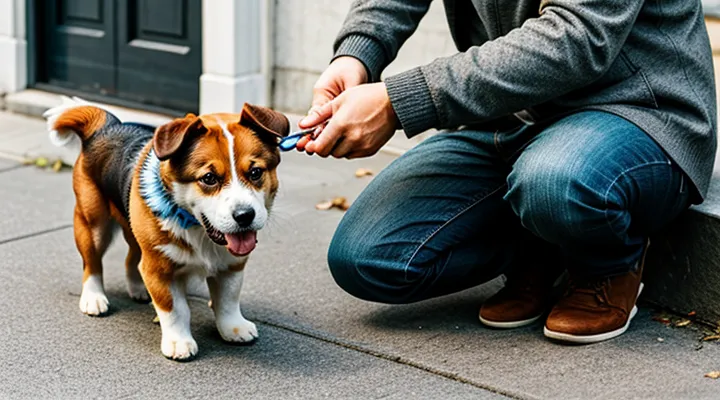
1. Understanding the Problem
1.1 Why Dogs Pick Up Street Food
Dogs are naturally inclined to investigate and ingest objects found on the ground. This behavior stems from several biological and environmental factors.
- Scavenger ancestry - Canines evolved as opportunistic feeders; locating edible items in the environment increased survival chances.
- Olfactory sensitivity - A dog's sense of smell detects food odors from great distances, creating a strong motivational drive to approach the source.
- Taste preference - Many street foods contain fats, salts, and sugars that appeal to a dog's palate, reinforcing the act of picking up such items.
- Learned association - Repeated exposure to discarded food that yields a rewarding taste experience conditions the dog to repeat the behavior.
- Lack of clear boundaries - In urban settings, owners often do not enforce strict leash rules or provide consistent commands, allowing the dog to act on impulse.
Understanding these drivers clarifies why a dog will instinctively grab food found on sidewalks, paving the way for targeted training interventions.
1.2 Potential Dangers
Training a dog to ignore food debris on sidewalks carries several risks that must be addressed before implementation.
-
Health hazards for the dog: Consuming discarded items can expose the animal to bacterial contamination, spoiled meat, or toxic substances such as chocolate, onions, or xylitol. Even small pieces of plastic or metal may cause gastrointestinal obstruction, requiring emergency surgery.
-
Behavioral setbacks: Inconsistent reinforcement may reinforce the opposite behavior, leading the dog to become more determined to retrieve items. Overuse of punitive measures can increase anxiety, trigger aggression toward other animals, or create fear of outdoor environments.
-
Owner safety: A dog fixated on scavenging may dart into traffic, increasing the likelihood of collisions. The animal might also become aggressive toward strangers attempting to intervene, placing both owner and bystanders at risk.
-
Legal implications: In some jurisdictions, allowing a pet to pick up and ingest waste is considered neglect, potentially resulting in fines or citations.
-
Environmental impact: Dogs that habitually collect litter may inadvertently spread waste to other locations, undermining community cleanliness efforts.
Mitigating these dangers requires a structured plan: use high‑value rewards for leaving items untouched, practice recall commands in controlled settings, and gradually increase exposure to real‑world distractions. Regular veterinary check‑ups should monitor for ingestion‑related injuries, while owners maintain strict leash control in high‑traffic zones to protect both the animal and the public.
2. Foundational Training
2.1 "Leave It" Command
As a certified canine behavior specialist, I recommend the “Leave It” command as the cornerstone of any program aimed at preventing a dog from ingesting discarded food while walking in public areas. The command creates a clear, interruptive signal that tells the dog to disengage from an object of interest and await further instruction.
The training sequence consists of four distinct phases:
- Phase 1 - Establish a reliable cue. Use a short, distinct word such as “Leave it.” Pair the cue with a treat held in a closed hand; when the dog attempts to snatch the treat, keep the hand closed and wait for the dog to withdraw its nose. Release the treat only after the dog looks away, then reward verbally and with a separate treat.
- Phase 2 - Transfer the cue to loose objects. Place a low‑value snack on the floor, cover it with a hand, and issue the cue. When the dog refrains, immediately give a high‑value reward from the opposite hand. Repeat until the dog consistently backs away when the cue is given, regardless of the object’s visibility.
- Phase 3 - Increase distraction intensity. Conduct practice sessions on a leash in a controlled environment with moving toys, tossed balls, or simulated food items. Issue the cue at the moment the dog shows interest; reward compliance promptly. Gradually reduce the distance between the cue and the target to mirror real‑world street scenarios.
- Phase 4 - Apply on the street. While walking, keep high‑value treats in a pocket. When the dog eyes a discarded sandwich or a piece of fruit, give the “Leave it” command in a firm, calm tone. If the dog obeys, praise and deliver the hidden treat. If the dog fails, gently guide the muzzle away, repeat the cue, and continue training in low‑traffic areas until reliability improves.
Key considerations for success:
- Consistency: Use the same word and tone each time; mixed signals undermine learning.
- Timing: Deliver the reward within two seconds of the correct response; delayed reinforcement weakens the association.
- Generalization: Practice in varied locations-parks, sidewalks, and pet‑friendly stores-to ensure the command transfers across contexts.
- Safety: Keep the leash short enough to intervene quickly if the dog attempts to grab a hazardous object before the cue takes effect.
By integrating the “Leave It” command through these structured steps, owners can reliably curb a dog’s impulse to pick up food from the street, reducing health risks and enhancing overall obedience.
2.2 "Drop It" Command
The “Drop It” command is a cornerstone of preventing a dog from ingesting hazardous items found on sidewalks. It teaches the animal to release an object on cue, thereby interrupting the instinct to scavenge.
Effective implementation follows a structured sequence:
- Establish a high‑value trade - Offer a preferred treat or toy while the dog holds the target item; as soon as the dog opens its mouth, say “Drop It” and deliver the reward.
- Add the verbal cue - Once the dog reliably releases on the trade, introduce the spoken command before presenting the treat, ensuring the cue consistently precedes the release.
- Increase distance and distraction - Practice in increasingly busy environments, gradually moving farther from the dog and adding street noises, to reinforce the command under realistic conditions.
- Phase out the treat - Replace the treat with intermittent praise and occasional food rewards, maintaining the command’s reliability without constant reinforcement.
Key considerations:
- Use a firm, single‑syllable tone; avoid elongated or hesitant speech that may confuse the dog.
- Keep training sessions short (5‑7 minutes) to prevent fatigue and preserve focus.
- If the dog hesitates or attempts to guard the item, reset the exercise by re‑introducing the trade at a lower difficulty level.
Integrating “Drop It” with leash work enhances control when the dog encounters food on the pavement. Pair the command with a brief “Leave it” cue: first command the dog to ignore the item, then, if the dog picks it up, employ “Drop It” to retrieve it safely. Consistent application across walks builds a reliable response, reducing the risk of accidental ingestion and promoting overall safety.
2.3 Rewarding Desired Behavior
Rewarding the behavior you want to see is the most reliable way to shape a dog’s choices around street food. When the animal ignores a dropped morsel or walks past a tempting scent, immediately follow the action with a high‑value reward-preferably a treat the dog values more than the found food. The timing must be within one to two seconds; any delay blurs the connection between the desired response and the reinforcement.
A practical sequence for implementing this principle:
- Identify the cue - use a consistent command such as “leave it” or a hand signal before the dog encounters the food.
- Present a controlled distraction - lay a piece of kibble on the ground, let the dog see it, then give the cue.
- Reward compliance - if the dog looks away, moves past, or drops the item, deliver a premium treat and enthusiastic praise.
- Increase difficulty - gradually replace the kibble with real street debris, vary locations, and reduce the distance between cue and reward.
- Phase out treats - once the dog reliably refuses food, replace treats with intermittent praise or a brief play session to maintain the behavior without over‑feeding.
Consistency across walks is essential. Every instance of ignoring street food should be met with the same immediate reward; occasional omission weakens the association. Keep a separate supply of high‑value treats reserved exclusively for this training, so the dog distinguishes the special reinforcement from routine meals.
Monitoring progress helps fine‑tune the approach. Record the number of successful “leave it” responses per session and note any hesitation. If the dog begins to hesitate, lower the difficulty level temporarily and reinforce the success more frequently. Over time, the dog will learn that the reward follows the act of restraint, making it less likely to snatch food from the street.
3. Practical Training Techniques
3.1 Controlled Environment Training
Training a dog to ignore food found outdoors begins with a controlled environment where variables are predictable. Begin by designating a quiet room or fenced yard where the dog can work without real traffic. Remove any actual food waste, then introduce harmless objects that resemble street debris-plastic wrappers, paper bags, or small toys. This setup allows the handler to observe the dog’s natural impulse and intervene before a habit forms.
The core of the exercise relies on a reliable “leave it” cue. Follow these steps:
- Present the simulated item within the dog’s reach.
- As the dog shows interest, issue the cue in a firm, consistent tone.
- Immediately reward the dog with a high‑value treat when it disengages.
- Repeat the sequence, gradually decreasing the distance between cue and object.
- Introduce mild distractions (e.g., a ticking timer or distant radio) once compliance reaches 80 % accuracy.
Progression to more realistic scenarios should be incremental. After the dog reliably obeys in the controlled setting, replicate street conditions by adding background noise, varied lighting, and moving objects. Maintain the same cue and reward structure, ensuring the dog associates the command with the decision to ignore any potential food source. Consistency across sessions reinforces the behavior, making it transferable to actual urban environments.
3.2 Introducing Distractions Gradually
As a certified canine behavior specialist, I advise incorporating controlled distractions before confronting real street scenarios. The aim is to teach the dog to maintain focus on the cue “leave it” while external stimuli intensify gradually.
Begin with a quiet indoor setting. Place a low‑value treat on the floor, then introduce a mild distraction such as a ticking clock or a television volume at a moderate level. Reward the dog each time it obeys the release command despite the background noise. Repeat until the response is reliable.
Next, move to a fenced yard or a quiet park. Increase the complexity by adding one of the following elements at a time:
- A second person walking nearby at a normal pace.
- A ball rolling a short distance away.
- A distant dog barking or whining.
For each new stimulus, present the “leave it” cue while the distraction is active. Deliver a high‑value reward only when the dog resists the urge to investigate. If the dog breaks focus, immediately reset the exercise at a lower intensity and repeat until success is achieved.
Finally, transition to a real street environment during off‑peak hours. Start on a side street with minimal traffic, keeping the leash short. Introduce a single, static food item on the sidewalk while a passerby walks a few meters away. Use the same cue and reward protocol. Progress to busier sidewalks, louder traffic, and moving food sources only after the dog consistently obeys in the preceding condition.
The gradual escalation of distractions builds reliable inhibition, reduces anxiety, and ensures the dog can apply the learned command under any outdoor circumstance. Consistency, patience, and precise timing of rewards are essential for lasting results.
3.3 Leash Training and Awareness
Leash training creates a physical barrier that limits a dog’s ability to reach discarded food. A well‑fitted harness or collar combined with a short, non‑elastic leash gives the handler immediate control when the animal shows interest in a potential snack.
- Choose a leash that allows quick adjustments-no longer than 4 feet for urban walks.
- Attach the leash low on the chest harness to reduce pulling power and enhance the handler’s leverage.
- Begin each outing with a brief “stand‑by” cue; the dog should pause and look to the handler before moving forward.
Consistent cueing builds awareness of the handler’s intentions. When the dog glances at a piece of food, the handler issues a clear “leave it” command while applying gentle tension on the leash. The tension signals that the current direction is prohibited, prompting the dog to redirect its focus. Immediate praise or a high‑value treat follows compliance, reinforcing the desired response.
Practice the sequence in low‑distraction environments before introducing busy streets. Gradually increase the complexity of scenarios-adding moving pedestrians, traffic sounds, and varying lighting conditions-while maintaining the same leash length and cue structure. Repetition under diverse circumstances cements the association between leash tension, verbal cue, and the refusal to pick up food.
Monitoring the dog’s body language during each walk helps fine‑tune the training. Signs such as a lowered head, stiffened neck, or rapid sniffing indicate rising interest. At the first indication, the handler should pause, tighten the leash slightly, and repeat the “leave it” command. This proactive approach prevents the dog from reaching the item and reduces the likelihood of accidental ingestion.
Incorporating leash training with heightened awareness equips the dog with a reliable framework for avoiding street food. The method relies on consistent physical control, precise verbal cues, and immediate reinforcement, producing measurable reductions in scavenging behavior.
4. Advanced Strategies
4.1 Using Aversive Conditioning (When Necessary and Safely)
Aversive conditioning can be an effective component of a program designed to stop a dog from scavenging food found on sidewalks, but it must be applied judiciously and with strict safety measures. The technique relies on pairing the unwanted behavior-picking up food-with a brief, mild, and non‑harmful unpleasant stimulus, prompting the animal to associate the act with discomfort and thus reduce its occurrence.
Key considerations before implementation:
- Confirm that positive reinforcement methods (reward‑based training, management, and environmental control) have been exhausted or are insufficient on their own.
- Choose an aversive cue that is safe, such as a short burst of a citronella spray or a brief, low‑intensity sound, never a shock collar or physical punishment.
- Ensure the stimulus is applied only at the moment the dog attempts to grab the food, not before or after, to maintain a clear cause‑effect link.
- Keep the exposure duration under two seconds; longer exposure increases stress and may damage the dog‑owner relationship.
- Monitor the dog’s physiological signs (panting, ear position, tail tucking) to detect excessive anxiety and cease the method immediately if needed.
Implementation steps:
- Establish a reliable command (“leave it” or “drop”) and reinforce it in controlled settings using treats.
- During walks, when the dog approaches a discarded item, issue the command and simultaneously deliver the mild aversive cue if the dog does not comply within a one‑second window.
- Immediately follow the cue with a verbal cue (“good”) and a high‑value reward when the dog releases interest, reinforcing the alternative behavior.
- Repeat consistently, gradually reducing the aversive cue’s intensity as the dog learns to obey the command without needing the stimulus.
Safety protocols:
- Test the aversive device on a small, non‑target area to verify intensity.
- Use a hand‑held applicator to control distance and avoid accidental exposure to the owner’s skin.
- Keep a record of each session, noting the dog’s response and any signs of distress.
- Consult a veterinary behaviorist if the dog exhibits chronic fear, aggression, or if progress stalls after several weeks.
When applied correctly, aversive conditioning serves as a supplemental tool that reinforces obedience without compromising welfare, enabling the dog to ignore tempting food remnants encountered during urban walks.
4.2 Professional Guidance
Professional guidance is essential for reliably preventing a dog from scavenging street food. A qualified trainer brings evidence‑based techniques, objective assessment, and structured follow‑up that owners cannot achieve alone.
First, verify credentials. Look for certifications from recognized bodies such as the International Association of Canine Professionals or the American Kennel Club’s behavior specialist program. Certified trainers must demonstrate competence in operant conditioning, leash management, and impulse control.
Second, schedule an initial evaluation. During this session the trainer observes the dog’s response to food cues, records baseline behavior, and identifies any underlying anxiety or sensory triggers. The assessment informs a customized protocol rather than generic advice.
Third, implement the protocol consistently. Professional plans typically include:
- Controlled exposure to food stimuli while the dog remains on a loose leash.
- Immediate reinforcement of “leave it” or “focus” commands using high‑value treats unrelated to street food.
- Gradual increase in distance and duration of exposure, measured in minutes.
- Periodic video review to confirm the dog’s compliance outside training sessions.
Fourth, maintain communication with the trainer. Weekly progress reports allow adjustments to reinforcement schedules, cue timing, and environmental variables. If the dog regresses, the professional can troubleshoot by modifying the cue hierarchy or introducing additional desensitization steps.
Finally, consider supplemental resources. Many trainers provide access to online modules, printable cue cards, and a network of behaviorists for complex cases such as resource guarding or chronic scavenging. Leveraging these tools reinforces the training plan and ensures long‑term success.
5. Maintaining Good Habits
5.1 Consistency is Key
Consistency determines whether a dog learns to avoid street food or continues to scavenge. Repeating the same command, tone, and timing each time the animal approaches a discarded morsel creates a clear association between the cue and the expected behavior. When a response varies, the dog receives mixed signals and the undesired habit persists.
To enforce uniformity, follow these steps:
- Choose a single word such as “Leave” and use it exclusively.
- Deliver the cue at the exact moment the dog shows interest in food, not before or after.
- Apply the same vocal intensity and body language each time.
- Reward compliance immediately with a treat or praise that the dog values, and withhold any reward when the cue is ignored.
- Conduct short, frequent sessions in different locations (park, sidewalk, yard) to generalize the rule.
Maintain the schedule daily for at least two weeks before reducing frequency. Gradual lengthening of intervals is permissible only after the dog reliably obeys in varied environments. Any deviation-using a different word, changing the hand signal, or rewarding after an error-reintroduces ambiguity and erodes progress. Consistent practice, therefore, is the single most reliable factor in preventing a dog from picking up food found on the street.
5.2 Addressing Relapses
When a dog reverts to snatching discarded food, immediate, systematic response prevents the behavior from regaining foothold. First, identify the specific circumstance that triggered the lapse-time of day, location, presence of certain scents, or a lapse in supervision. Record the incident to spot patterns and adjust the training plan accordingly.
Re‑establish the learned cue (“leave it” or “drop it”) in a controlled environment before returning to the problematic setting. Use a high‑value reward that the dog does not associate with street finds, such as a piece of cooked chicken, to reinforce compliance. Deliver the cue, wait for the correct response, then reward; repeat until the dog reliably obeys under mild distraction.
If the dog ignores the cue, apply a brief, firm correction (e.g., a short leash tug or a sharp “no”) followed by the cue and immediate reward for compliance. Avoid physical punishment; the goal is to create a clear, consistent consequence that the dog can anticipate.
Increase supervision during identified high‑risk periods. Leash the dog or keep it on a long line when walking near dumpsters, markets, or busy sidewalks. Carry a portable supply of treats and a sturdy muzzle if the dog’s impulse is strong, using the muzzle only as a temporary safety tool while the cue is reinforced.
Schedule short refresher sessions each week, even after the dog appears reliable. Rotate the reward type to maintain motivation and gradually introduce higher levels of distraction. Consistent reinforcement, precise documentation of relapses, and swift corrective action together sustain the behavior change and reduce the likelihood of future setbacks.