
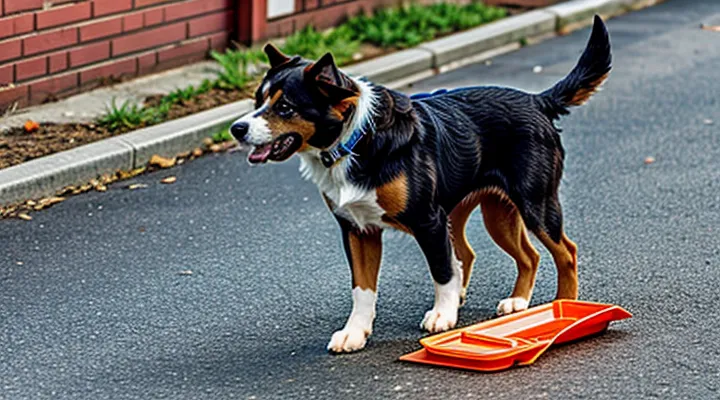
Introduction
Why street food is dangerous for dogs
Health risks
Dogs that habitually scavenge from sidewalks face immediate and long‑term health dangers. Contaminated food can harbor Salmonella, E. coli, and Clostridium perfringens, leading to acute gastroenteritis, dehydration, and systemic infection. Chemical residues from pesticides, heavy metals, or industrial waste may accumulate in the liver and kidneys, impairing organ function and accelerating chronic disease. Parasites such as tapeworms, roundworms, and Giardia are frequently transmitted through raw or spoiled meat, causing weight loss, anemia, and intestinal blockage.
Physical hazards accompany ingestion. Sharp objects-bones, glass, metal fragments-can perforate the esophagus, stomach, or intestines, requiring emergency surgery. Small foreign bodies often become lodged in the airway, provoking choking and respiratory distress. High‑fat or sugary items increase the risk of pancreatitis and obesity, which predispose dogs to diabetes, cardiovascular strain, and reduced lifespan.
Behavioral reinforcement of scavenging amplifies exposure. Dogs that learn to retrieve discarded food are more likely to approach hazardous waste sites, increasing contact with toxic substances such as rodent poison or antifreeze. Repeated ingestion of low‑quality food erodes dental health, leading to periodontal disease, tooth loss, and secondary infections.
Mitigating these risks demands consistent prevention. Restrict access to streets during walks, employ a sturdy harness that discourages lunging, and reward alternative behaviors with high‑value, nutritionally balanced treats. Immediate veterinary evaluation is essential if a dog consumes unknown material, exhibits vomiting, diarrhea, lethargy, or respiratory difficulty. Early intervention reduces morbidity and preserves the animal’s health and longevity.
Toxicity
Dogs that scavenge on sidewalks are exposed to a wide range of toxic agents. Contaminated food can contain chemicals, spoiled proteins, and foreign objects that cause acute poisoning or chronic organ damage.
Typical hazards include:
- Rodenticide residues on discarded meat.
- Heavy metals such as lead from paint chips or battery fragments.
- Bacterial pathogens (Salmonella, E. coli) in rotten leftovers.
- Mycotoxins produced by moldy bread or grains.
- Plastic and glass shards that puncture the gastrointestinal tract.
Ingestion of these substances triggers gastrointestinal irritation, hemolysis, renal failure, or neurological impairment. Even low‑level exposure can accumulate, reducing lifespan and quality of life.
Effective prevention combines environmental control and behavioral conditioning. Recommended steps:
- Establish a “leave it” cue using high‑value treats; reward the dog for ignoring any item on the ground.
- Practice impulse‑control drills in varied settings; gradually increase distance from potential hazards.
- Equip the dog with a short, sturdy leash during walks in high‑traffic areas; maintain visual contact to intervene promptly.
- Conduct regular health checks; monitor for signs of toxicity such as vomiting, lethargy, or discoloration of gums.
- Provide a balanced diet and safe chew toys to satisfy oral urges, reducing the attraction to random debris.
Consistent application of these techniques reduces the likelihood of accidental ingestion, protecting the animal from the toxic threats present in urban environments.
Diseases
Dogs that eat discarded food are vulnerable to bacterial, parasitic, and toxic illnesses. Pathogens commonly encountered in urban waste include Salmonella, Escherichia coli, and Campylobacter, which can cause gastroenteritis, dehydration, and systemic infection. Parasites such as Toxocara canis and Giardia duodenalis thrive in contaminated environments, leading to intestinal distress and potential zoonotic transmission. Chemical hazards-rodenticides, pesticides, and spoiled human food-may result in organ failure, hemorrhagic syndrome, or acute poisoning.
Key disease risks:
- Salmonella infection: fever, vomiting, diarrhea; may spread to humans.
- Canine parvovirus: severe hemorrhagic enteritis, rapid dehydration; mortality high without prompt care.
- Toxocara canis infestation: weight loss, anemia; eggs shed in feces contaminate public spaces.
- Giardia duodenalis: watery diarrhea, malabsorption; resistant cysts persist in moist debris.
- Rodenticide exposure: internal bleeding, renal failure; antidotes require immediate veterinary intervention.
Preventive training reduces these hazards. Consistent commands such as “leave it” and “drop” teach the dog to ignore items on the ground. Reward-based reinforcement-treats delivered only after the dog refrains from picking up objects-strengthens the desired behavior. Gradual exposure to real-world scenarios, combined with controlled leash work, builds reliable obedience. Regular veterinary examinations, fecal screenings, and vaccination updates further protect the animal from disease acquisition linked to street scavenging.
Understanding your dog's behavior
Instinctual foraging
Instinctual foraging is a deeply rooted behavior that drives dogs to seek edible items wherever they appear, including discarded food on sidewalks. This drive originates from the species’ ancestral need to locate sparse resources, and it persists even in well‑fed domestic animals.
When a dog encounters food on the ground, the olfactory stimulus triggers a rapid, reward‑seeking response that bypasses higher‑order decision making. The result is a heightened risk of ingesting contaminated, toxic, or choking hazards, which can compromise the animal’s health or even prove fatal.
Effective mitigation requires a three‑phase approach: environmental control, cue training, and reinforcement substitution. First, eliminate accidental exposure by using leashes, harnesses, or barriers in high‑traffic areas. Second, teach a reliable “leave it” command that interrupts the foraging impulse; the cue must be paired with a clear, consistent release signal. Third, replace the undesired behavior with a desirable alternative, such as offering a high‑value treat from the handler’s hand at the moment the dog notices street debris.
Key steps for implementation:
- Keep the dog on a short leash or within a fenced perimeter during walks.
- Introduce the “leave it” cue using low‑value items, gradually increasing difficulty.
- Pair the cue with an immediate, high‑value reward from the handler’s hand.
- Practice the cue in varied environments, adding distractions incrementally.
- Reinforce successful inhibition with verbal praise and occasional bonus treats.
- Gradually reduce reliance on treats while maintaining the command’s reliability.
Consistent application of these protocols reshapes the dog’s instinctual foraging response, directing attention away from hazardous street food and safeguarding the animal’s well‑being.
Hunger vs. scavenging
When a dog feels hunger, the instinct to scavenge can override obedience. The animal’s drive to locate any edible source often leads it to ingest debris, spoiled items, or toxic substances found on sidewalks. Understanding this biological tension is essential for any trainer who wants to protect the pet from accidental poisoning.
Effective prevention begins with managing the hunger signal. Feed the dog at regular intervals, providing a balanced diet that meets caloric needs. A satisfied stomach reduces the urgency to search for supplemental food. In addition, offer a high‑value chew or treat at the end of each walk; the reward creates a positive association with returning to the owner instead of investigating the ground.
Training techniques that reinforce “leave it” commands directly counteract scavenging impulses. The steps are:
- Introduce a cue (“leave it”) while the dog is on a leash in a controlled environment.
- Present a low‑value object on the ground; when the dog looks away, issue the cue and reward immediately.
- Increase difficulty by using higher‑value items and outdoor settings, maintaining the reward for compliance.
- Practice the cue during walks, stopping the dog before it reaches any potential food source and delivering the command.
Consistency across all outings solidifies the behavior. If the dog learns that the owner’s direction supersedes the hunger drive, the likelihood of ingesting hazardous street food drops dramatically, safeguarding the animal’s health.
Training techniques
Basic obedience foundation
"Leave It" command
As a certified canine behavior specialist, I address the risk posed by dogs that eat discarded food on sidewalks. Ingesting unknown items can lead to poisoning, intestinal blockage, or bacterial infection, making prevention a priority for every owner.
The “Leave It” command provides a reliable cue that interrupts a dog’s impulse to seize objects. It creates a pause long enough for the handler to redirect attention, thereby reducing the chance that the animal will grab hazardous material.
Training sequence:
- Hold a treat in a closed fist; present the hand to the dog.
- When the dog sniffs or paws, say “Leave it” in a calm, firm tone.
- Wait for the dog to cease attempts and look away; immediately reward with a treat from the other hand.
- Repeat until the dog consistently stops the behavior within two seconds of the cue.
- Transition to an open palm with a low‑value item on the floor; repeat the cue, then reward with a higher‑value treat once the dog refrains.
- Practice in increasingly distracting environments: park benches, busy streets, and areas with visible food waste.
Consistency reinforces the cue. Use short, frequent sessions (5‑10 minutes) several times daily. Gradually increase distance between the cue and the tempting object, ensuring the dog obeys even when the stimulus is strong. Pair “Leave It” with a release word such as “Okay” to signal that the dog may approach the item after permission.
Generalization is essential. Conduct spontaneous checks while walking; if a stray piece of bread appears, issue “Leave it” and praise compliance. Over time the dog learns that ignoring street food is the default response, protecting its health without constant supervision.
"Drop It" command
The “Drop It” command is the most reliable tool for preventing a dog from ingesting hazardous objects found on sidewalks. It replaces the instinct to seize and keeps the animal under control in unpredictable urban environments.
Effective training follows a three‑stage process:
- Association - Begin with a high‑value treat that the dog values more than any street snack. Present the treat, allow the dog to take it, then issue the word “Drop.” As soon as the dog releases the item, reward immediately with the treat. Repeat until the dog links the verbal cue with the action of relinquishing.
- Generalisation - Practice with a variety of objects: toys, low‑value food items, and safe replicas of common street debris. Use different locations, including parks and sidewalks, to ensure the command works amid distractions.
- Real‑world application - When the dog attempts to pick up something undesirable, intervene with a firm “Drop.” If the dog obeys, praise loudly and give a treat. If the dog hesitates, gently take the object while maintaining the cue, then reward. Consistency eliminates hesitation over time.
Key points for success:
- Use a single, clear word; avoid synonyms that could confuse the animal.
- Deliver the cue in a calm, steady tone; a harsh shout reduces reliability.
- Keep training sessions short, five to ten minutes, to maintain focus.
- Gradually increase the distance between you and the object while preserving the command’s effectiveness.
- Pair the command with a release word such as “Okay” to signal that the dog may retrieve the item again if appropriate.
Safety considerations demand immediate reinforcement when the dog obeys on the street. A rapid reward prevents the dog from associating the street as a source of free food. Over time, the animal learns that releasing objects on command preserves its health and avoids potential poisoning or blockage.
In summary, mastering “Drop It” equips owners with a decisive response to street temptations, ensuring the dog’s well‑being in urban settings.
Leash training and supervision
Controlled walks
As a certified canine behavior specialist, I recommend structured leash walks to prevent a dog from ingesting hazardous debris. Controlled walks limit spontaneous sniffing and enforce consistent cues, reducing the chance of accidental consumption.
Key components of a controlled walk:
- Short, steady leash length - keep the line taut enough to guide the dog without causing tension. This prevents sudden lunges toward visible food.
- Pre‑walk focus cue - train the dog to maintain eye contact for a few seconds before stepping outside. A reliable “watch me” command establishes attentional control.
- Predictable route - select a path with minimal litter and predictable terrain. Repeated exposure to the same environment reinforces the expectation that off‑leash foraging is not permitted.
- Immediate redirection - if the dog shows interest in an object, use a firm “leave it” command and guide the head away with the leash. Reward compliance with a treat or praise.
- Consistent reinforcement schedule - reward successful avoidance on every walk for the first two weeks, then transition to intermittent reinforcement to maintain the behavior.
Training progression:
- Begin in a low‑distraction area (e.g., a quiet backyard). Practice leash handling and the “leave it” cue with low‑value items placed on the ground.
- Introduce mildly distracting objects (e.g., a piece of paper) while maintaining leash tension. Reward only when the dog obeys the cue.
- Gradually increase the number of distractions and move to a quiet street. Keep the leash short enough to intervene before the dog reaches any potential food.
- Once the dog reliably obeys the cue under moderate distraction, extend the duration of walks and incorporate varied routes while preserving leash control.
Monitoring and adjustment:
- Observe body language for signs of stress; excessive pulling indicates the need to shorten the leash or simplify the environment.
- Record incidents of attempted scavenging to identify hotspots where additional training or route changes are necessary.
- Periodically refresh the “leave it” command in a controlled setting to prevent extinction.
By adhering to these structured walking practices, owners can significantly lower the risk of accidental ingestion of harmful substances, thereby protecting the dog’s health and extending its lifespan.
Avoiding tempting areas
As a canine behavior specialist, I emphasize that preventing a dog from ingesting hazardous street waste begins with eliminating exposure to high‑risk zones. The most reliable safeguard is proactive avoidance of areas where discarded food is likely to be present.
- Map daily routes and identify sidewalks, parks, or market stalls where litter accumulates. Choose alternative paths that keep the dog on clean, well‑maintained surfaces.
- Use a short, sturdy leash in urban environments. A controlled length limits the dog’s ability to dart toward unexpected items.
- Deploy visual markers such as bright‑colored vests or reflective bands. These increase the owner’s awareness of the dog’s position and help maintain a safe distance from potential temptations.
- Train a reliable “leave it” command. Practice the cue in low‑distraction settings, then gradually introduce mild distractions before applying it in outdoor scenarios.
- Carry a portable barrier (e.g., a fold‑out fence or a small travel crate) for situations where the dog must remain stationary near street vendors or construction sites.
- Reinforce positive behavior with immediate, consistent rewards when the dog obeys the command or stays clear of suspicious objects.
Consistent route selection, controlled movement, and disciplined cue training together create a predictable environment. By systematically removing the opportunity to encounter discarded food, owners protect their pets from poisoning, gastrointestinal blockage, and other life‑threatening conditions.
Aversion therapy (use with caution and professional guidance)
Unpleasant tastes
Training a dog to avoid street food requires a clear deterrent that the animal perceives as unpleasant. Taste aversion exploits the dog’s natural rejection of bitter, sour, or acrid flavors. When a dog bites into a contaminated morsel, the immediate negative sensation creates a mental association between the act of picking up food and an undesirable outcome.
- Select a non‑toxic bitter agent (e.g., quinine‑based spray, citrus oil).
- Apply the agent to objects the dog is likely to encounter: discarded wrappers, fallen fruit, or the ground itself.
- Introduce the treated items during supervised walks; allow the dog to sniff but prevent ingestion.
- If the dog attempts to bite, the sharp taste triggers a reflexive withdrawal.
- Reinforce the withdrawal with a firm “no” and an immediate reward (a treat or praise) for leaving the item untouched.
Consistency is critical. The aversive flavor must be present each time the dog encounters potential street food, otherwise the learned avoidance weakens. Rotate flavors periodically to prevent habituation; dogs quickly become indifferent to a single bitter taste if exposure is repetitive.
Environmental control supports the aversion strategy. Keep sidewalks clear of visible waste, use portable waste bags, and avoid feeding the dog while walking. The combination of an unpleasant taste signal and a clean walking environment reduces the likelihood of accidental ingestion of hazardous substances, thereby protecting the dog’s health.
Remote collars (consult professional)
As a certified canine behavior specialist, I recommend integrating remote‑controlled training collars into any program aimed at preventing a dog from scavenging hazardous items on sidewalks. These devices deliver precise, timed cues that reinforce desired behavior without relying on physical restraint.
Key advantages of remote collars include:
- Immediate correction: A brief vibration or audible tone follows the moment the dog approaches a potential hazard, creating a clear association between the action and the cue.
- Adjustable intensity: Professional settings allow the owner to start with low‑level stimuli and increase only if necessary, ensuring the dog remains comfortable while learning.
- Programmable sequences: Multiple commands can be stored, enabling the handler to alternate between “leave it,” “return,” and “focus” cues during walks.
- Data logging: Some models record activation times, helping the trainer assess progress and modify the training plan.
Before implementing a remote collar, consult a qualified trainer or veterinary behaviorist. The professional will:
- Evaluate the dog’s temperament, health status, and prior training history.
- Select a collar model that matches the dog’s size and sensitivity.
- Demonstrate proper placement, battery maintenance, and safe usage protocols.
- Develop a step‑by‑step reinforcement schedule that pairs the collar’s signal with verbal commands and treats.
When used correctly, remote collars complement traditional leash work and reward‑based methods, accelerating the dog’s ability to ignore tempting food remnants and reducing the risk of ingestion of toxic substances. Consistent application, combined with expert guidance, yields measurable improvement in street‑safety behavior.
Positive reinforcement and reward systems
High-value treats
High‑value treats are essential for teaching a dog to ignore food found on sidewalks. Their strong aroma and palatability create a reliable reward that outweighs the temptation of stray scraps.
Select treats that are small, soft, and intensely flavored-freeze‑dried liver, chicken jerky, or specialized training bites work best. Rotate flavors every few sessions to prevent habituation. Store treats in airtight containers to preserve freshness and maintain consistent potency.
When a dog approaches a potential hazard, command a “leave it” cue and immediately present a high‑value treat. The sequence should be:
- Observe the dog’s focus on the object.
- Issue a clear, single‑word command (“leave it”).
- Offer the treat within a short distance, rewarding the dog for shifting attention.
- Release the dog with a “go” or “okay” cue, reinforcing the desired behavior.
Practice the cue in low‑distraction environments before progressing to busy streets. Gradually increase the distance between the dog and the target object while maintaining the treat reward. Consistency in timing-delivering the treat within one second of the correct response-strengthens the association.
Monitor the dog’s motivation level. If the treat loses its appeal, replace it with a fresher, higher‑value option. Avoid using low‑calorie or bland rewards, as they fail to compete with the scent of discarded food.
By consistently pairing the “leave it” command with an irresistible treat, the dog learns to prioritize the trainer’s signal over any street‑found morsel, reducing the risk of ingesting hazardous items.
Verbal praise
As a certified canine behavior specialist, I explain how verbal praise can prevent a dog from scavenging food on sidewalks and protect its health.
Verbal praise works by reinforcing the desired response-leaving the object untouched-immediately after the dog obeys a cue such as “leave it” or “no”. The reward must be consistent, enthusiastic, and brief to create a clear association between the command and the positive feedback.
Key practices for applying verbal praise:
- Issue a clear, single-word cue the moment the dog notices food on the ground.
- As soon as the dog releases the object or ignores it, deliver a sharp, upbeat tone: “Good!” or “Yes!”.
- Pair the vocal reward with a brief pause, allowing the dog to register the acknowledgment before moving on.
- Repeat the sequence in varied environments: parks, urban streets, and residential areas, to generalize the behavior.
- Gradually reduce the frequency of praise as the dog reliably obeys, maintaining occasional reinforcement to prevent relapse.
Timing matters: the praise must follow the correct action within one to two seconds. Delayed feedback weakens the connection and may encourage the dog to repeat the risky behavior.
In training sessions, limit distractions to focus the dog’s attention on the cue and the verbal reward. Once the dog consistently chooses to ignore street food, integrate short, real‑world walks without prompts to confirm the learned response persists.
By consistently pairing a distinct command with immediate, enthusiastic verbal affirmation, owners can shape safe foraging habits and significantly lower the risk of ingesting harmful substances.
Management strategies
Muzzles for high-risk situations
Muzzles are essential tools when a dog habitually scavenges from the street, a behavior that can lead to ingestion of toxic substances or dangerous objects. In high‑risk environments, a properly selected and fitted muzzle offers immediate physical prevention while the owner works on long‑term behavioral modification.
- Basket muzzles: rigid frame, open mouth, allow panting and drinking; ideal for outdoor walks where heat and hydration are concerns.
- Soft muzzles: fabric or neoprene, cover the snout, suitable for short periods indoors or during veterinary examinations.
- Chain‑link muzzles: lightweight metal, provide strong control for powerful chewers, but require careful monitoring for skin irritation.
Selection criteria focus on material durability, secure yet comfortable fit, adequate airflow, and ease of cleaning. Measure the distance from the tip of the nose to the base of the skull, then add a margin of two centimeters to accommodate growth or slight swelling. Choose a muzzle that accommodates the dog’s jaw width without pinching.
Fitting steps:
- Place the muzzle on the dog’s head, aligning the nose hole with the muzzle opening.
- Adjust straps so the device sits snugly without excessive pressure on the ears or eyes.
- Secure fasteners, then test by offering a treat; the dog should be able to lick and swallow while the muzzle remains in place.
- Observe for signs of distress, such as excessive pawing or attempts to remove the device, and readjust as needed.
Integrate the muzzle into training by using it only during walks where the risk of scavenging is highest. Pair the device with positive reinforcement: reward calm behavior and successful avoidance of street objects. Gradually reduce reliance on the muzzle as the dog learns to ignore hazardous items, but retain it for unpredictable situations such as crowded markets or construction zones.
Safety protocols require regular checks for chafing, obstruction of breathing, and moisture buildup. Offer water frequently, and limit continuous wear to fifteen‑minute intervals unless the dog demonstrates comfort. Never leave a muzzled dog unattended in an enclosed space.
Maintenance includes washing the muzzle with mild soap after each use, drying thoroughly, and inspecting seams for wear. Replace any component showing fraying or loss of structural integrity.
In professional practice, a well‑chosen, correctly fitted muzzle provides an immediate barrier against dangerous ingestion, supports the training process, and protects the animal’s health in environments where street scavenging poses a serious threat.
Keeping your yard secure
Securing the yard is the most reliable way to prevent a dog from scavenging food left on sidewalks, which can cause poisoning, choking, or gastrointestinal blockage. A confined, hazard‑free environment eliminates the temptation to chase after discarded items and reinforces the training that the dog should only eat food offered by its owner.
First, install a sturdy perimeter fence that meets the following criteria: height at least 4 feet, no gaps larger than 2 inches, and a bottom barrier buried 12 inches underground to stop digging. Second, use self‑locking gates with a latch that cannot be opened by a curious snout. Third, remove all debris, trash cans, and compost piles from the yard’s edge; store them in sealed containers with lids that lock.
- Inspect fence regularly for wear, rust, or loose panels.
- Repair any breach within 24 hours of detection.
- Add a secondary visual barrier, such as shrubbery or a decorative fence, to discourage the dog from attempting to jump over.
- Position a leash‑training station near the gate, where the dog receives a brief cue (“stay”) before exiting the yard.
Training reinforces physical security. When the dog approaches the gate, issue a consistent command (“leave it”) and reward compliance with a treat from the owner’s hand, never from the ground. Repeat the cue in the yard’s interior whenever the dog sniffs at any object that resembles food. Over time, the dog associates the command with a positive outcome and learns that only approved food is acceptable.
Combine these measures-robust fencing, removal of potential food sources, and consistent cue‑reward training-to create a controlled environment that protects the dog’s health and eliminates the risk of street‑food ingestion.
Advanced training and troubleshooting
Addressing specific challenges
Resource guarding
Training a dog to ignore edible debris on sidewalks requires addressing resource guarding, the instinct to protect perceived valuables. When a dog sees food on the ground, it may view it as a limited resource, triggering a defensive response that can lead to risky ingestion. Preventing this behavior begins with reshaping the dog’s perception of food as a shared, not exclusive, asset.
- Establish a reliable “leave it” cue. Present a low‑value treat, say the cue, and reward the dog only when it refrains from reaching for the item. Gradually increase the temptation by using higher‑value objects placed on the floor, maintaining the cue‑reward cycle until the dog consistently disengages.
- Implement a “trade‑up” routine. Offer a preferred treat in exchange for the object the dog is about to claim. This demonstrates that surrendering a resource results in a better outcome, reducing the urge to hoard.
- Conduct controlled exposure sessions. Walk the dog on a quiet street, deliberately drop a small piece of food within sight. Use the “leave it” command, then reward compliance with a high‑value treat. Repeat the exercise, varying the distance and type of food, to generalize the response.
- Reinforce “nothing to protect” messaging through consistent feeding practices. Feed the dog in a calm environment, remove bowls promptly after consumption, and avoid leaving treats unattended. Predictable access diminishes the need for defensive guarding.
- Monitor body language for signs of tension-stiff posture, narrowed eyes, growling. If these cues appear, increase the distance from the food source and practice the cue in a less distracting setting before reintroducing the stimulus.
Consistency across all handlers is essential. Each family member must employ the same command, timing, and reward structure to prevent mixed signals. Over time, the dog learns that relinquishing a potential food item does not jeopardize its access to nourishment, thereby reducing the likelihood of scavenging hazardous items on the street.
High-distraction environments
Training a dog to ignore edible items on sidewalks requires focused work in high‑distraction settings. In such environments, visual, auditory, and olfactory stimuli compete for the animal’s attention, increasing the likelihood of impulsive grabs. Effective conditioning must therefore address both the dog’s instinctual drive and the surrounding chaos.
First, establish a reliable “leave it” cue in a quiet space. Practice until the command elicits an immediate pause, regardless of the treat’s presence. Once the response is consistent, gradually introduce background noise, moving traffic, and other dogs while maintaining the cue’s effectiveness. The transition should follow a systematic increase in stimulus intensity, preventing regression.
Second, employ distance training. Position the dog several meters away from a simulated food item placed on the ground. Issue the “leave it” command, reward compliance with a high‑value treat, and repeat at progressively shorter distances. This method teaches the animal to assess risk before approaching any object on the street.
Third, reinforce alternative behaviors. Teach a “watch me” focus command and pair it with a rewarding eye contact exercise. When a potential hazard appears, redirect the dog’s gaze to the handler, then reward sustained attention. This replaces the impulse to snatch with a learned habit of looking to the owner for direction.
Practical steps for daily practice:
- Conduct short sessions (5‑10 minutes) in parks, markets, or busy sidewalks.
- Use a clicker or marker word to pinpoint the exact moment the dog obeys the cue.
- Keep reward value high for successful refusals; lower it for partial compliance.
- Rotate the type of street debris (bread, wrappers, fruit) to generalize the response.
- Record progress in a log, noting location, distraction level, and response latency.
Consistency across varied locations builds the dog’s confidence in the handler’s commands, reducing the chance of accidental ingestion. By integrating these techniques, owners protect their pets from harmful street food while fostering reliable obedience under the most challenging conditions.
Consistency and patience
Consistency and patience form the backbone of any successful effort to keep a dog away from hazardous street food. Repeating the same cue each time the dog approaches a discarded snack creates a reliable association between the command and the expected behavior. Any deviation-different wording, varied timing, or occasional rewards-confuses the animal and weakens the training signal.
Patience prevents premature escalation. When the dog initially fails to obey, the trainer must resist the urge to punish or to force compliance. Instead, the trainer should pause, lower expectations, and repeat the exercise at a slower pace until the dog demonstrates comprehension. Progress may be measured in seconds rather than minutes; small gains accumulate into lasting change.
Practical steps that rely on these principles:
- Choose a single verbal cue (e.g., “Leave it”) and a distinct hand signal. Use them exclusively.
- Practice in a low‑distraction environment until the dog responds reliably.
- Gradually introduce controlled street‑level distractions, maintaining the same cue and reward timing.
- If the dog hesitates or fails, wait a few seconds before repeating the cue; avoid abrupt correction.
- Record each session’s outcome to identify patterns and adjust the pace accordingly.
By applying the same command, the same timing, and the same reward structure over weeks, the dog learns that street food is not a target. Patience ensures that setbacks are treated as data, not as failures, allowing the trainer to refine the approach without abandoning the core methodology.
When to seek professional help
Certified dog trainers
Certified dog trainers bring specialized knowledge to the specific challenge of preventing dogs from ingesting hazardous items found on sidewalks. Their education includes behavior analysis, positive reinforcement techniques, and safety protocols endorsed by professional organizations. When a dog habitually snatches food or debris, a trainer can assess the underlying motivation-such as prey drive, boredom, or lack of impulse control-and design a targeted program.
Key components of an effective program include:
- Controlled exposure - Gradual introduction to street environments while maintaining a secure leash and using high‑value rewards for “leave it” commands.
- Impulse‑control exercises - Structured drills such as “wait,” “stay,” and “drop it” performed in increasingly distracting settings.
- Recall reinforcement - Consistent practice of a reliable recall cue to redirect attention before a potential hazard is encountered.
- Environmental management - Guidance on selecting safe walking routes, using barriers, and employing muzzle training only when absolutely necessary.
A certified trainer also equips owners with a clear training schedule, progress metrics, and troubleshooting tips for setbacks. Documentation of each session provides measurable evidence of improvement, allowing adjustments before the behavior escalates to a life‑threatening incident.
Choosing a trainer accredited by bodies such as the International Association of Canine Professionals or the Certification Council for Professional Dog Trainers ensures adherence to ethical standards, ongoing education, and access to the latest research on canine cognition. This professional oversight dramatically reduces the risk of accidental ingestion and supports the long‑term well‑being of the dog.
Veterinary behaviorists
Veterinary behaviorists specialize in modifying dangerous scavenging habits by applying scientific principles of learning and motivation. Their expertise combines knowledge of canine cognition with practical training techniques that protect the animal’s health.
The first step involves a thorough behavioral assessment. Professionals evaluate the dog’s history of street foraging, identify triggers such as strong odors or visual cues, and measure the strength of the food‑seeking drive. This information guides the selection of appropriate interventions and predicts the level of effort required.
Training proceeds through a structured protocol:
- Management: Use a secure leash or harness during walks, keep the dog’s mouth occupied with a chew toy, and eliminate access to loose garbage.
- Cue training: Teach a reliable “leave it” command. Begin with low‑value items, reward the dog for ignoring the object, then gradually increase the temptation’s attractiveness.
- Positive reinforcement: Deliver high‑value treats or praise immediately when the dog obeys the cue, reinforcing the alternative behavior.
- Desensitization: Expose the dog to simulated street food at a distance, pairing the presence of food with the “leave it” cue and reward. Reduce the distance incrementally as compliance improves.
- Generalization: Practice the cue in varied environments-parks, sidewalks, urban streets-to ensure the response transfers to real‑world situations.
Health monitoring accompanies training. Veterinary behaviorists recommend regular examinations to detect gastrointestinal injuries or toxin exposure that may result from accidental ingestion. Adjustments to diet, supplementation, and medication are made when necessary to support recovery and reduce opportunistic feeding.
Consistent application of these evidence‑based methods, overseen by a qualified veterinary behaviorist, minimizes the risk of dangerous street foraging and safeguards the dog’s well‑being.
Maintaining a safe environment
Proper nutrition and feeding schedule
Proper nutrition diminishes a dog’s impulse to scavenge because a balanced diet satisfies physiological hunger and stabilizes blood glucose. When a canine receives adequate calories, protein, fat, and essential micronutrients at regular intervals, the drive to search for stray food drops dramatically, reducing exposure to hazardous substances on sidewalks.
A feeding schedule that supports this goal should include:
- Consistent timing: Offer meals at the same times each day (e.g., 7 am and 6 pm) to create predictability.
- Portion control: Calculate daily caloric needs based on weight, age, activity level, and breed; split the total into two equal meals.
- High‑quality protein: Ensure each meal contains 18‑25 % protein from animal sources to promote satiety.
- Moderate fat content: Provide 8‑12 % fat to supply energy without encouraging excess hunger.
- Fiber inclusion: Add 2‑4 % fiber (e.g., pumpkin or beet pulp) to slow digestion and prolong fullness.
- Limited treats: Reserve treats for training sessions, not as supplemental calories; keep them under 10 % of total intake.
- Water access: Maintain fresh water at all times to prevent dehydration, which can increase erratic foraging behavior.
Monitoring body condition score weekly helps adjust portions before a dog seeks external food sources. If weight loss or excessive begging occurs, increase caloric density or add a nutrient‑dense supplement. A disciplined feeding routine, combined with proper nutrient balance, forms the foundation for safe street behavior training and protects the animal from ingesting harmful objects.
Regular vet check-ups
Regular veterinary examinations form a cornerstone of any program aimed at preventing a dog from scavenging food on sidewalks. A healthy animal is more responsive to training cues, and early detection of medical issues reduces the likelihood that a dog will seek out dangerous items out of discomfort or nutritional deficiency.
During each appointment the veterinarian assesses the following areas that directly influence street‑scavenging behavior:
- Physical condition: weight, muscle tone, and oral health indicate whether the dog is receiving adequate nutrition from its diet. Dental pain or gastrointestinal upset often trigger opportunistic eating.
- Immunization status: up‑to‑date vaccines protect against illnesses that could impair judgment or cause nausea, both of which increase the urge to ingest unknown substances.
- Parasite control: intestinal parasites can create constant hunger, encouraging the animal to investigate any edible object it encounters.
- Behavioral screening: the vet can identify anxiety, compulsive tendencies, or sensory deficits that predispose the dog to risky foraging.
Scheduling check‑ups at six‑month intervals for adult dogs and more frequently for puppies or senior animals ensures that any emerging problem is addressed before it escalates into a safety concern on the street. Owners should keep a record of the dog’s weight, appetite changes, and any incidents of street scavenging to discuss with the veterinarian. This data helps the professional tailor advice on diet formulation, supplement use, and behavior modification techniques.
Integrating veterinary feedback into the training plan creates a feedback loop: health improvements reinforce the dog’s ability to obey “leave it” commands, while consistent training reduces stress that could mask underlying medical conditions. By committing to routine examinations, owners provide the physiological foundation necessary for reliable street‑safety training and ultimately safeguard their companion’s life.
Emergency preparedness
Knowing poison control numbers
As a veterinary behavior specialist, I emphasize that immediate access to poison control resources is a non‑negotiable element of any program aimed at preventing dogs from scavenging hazardous items on sidewalks. The moment a dog ingests unknown material, the window for effective treatment narrows dramatically; a rapid call to a dedicated hotline can determine the outcome.
Key numbers to retain on a mobile device or written list include:
- United States: 1‑800‑222‑1222 (American Association of Poison Control Centers)
- Canada: 1‑800‑268‑9017 (Poison Centre Canada)
- United Kingdom: 111 (National Health Service)
- Australia: 13 11 26 (Poisons Information Centre)
- European Union (general): 112 (Emergency services, which can redirect to poison information)
Additional regional contacts should be added for any area where the dog regularly walks.
Practical steps:
- Program the primary number into the phone’s speed‑dial slot.
- Keep a printed card with all relevant contacts in the car and at home.
- When a dog picks up unknown food, note the item’s appearance, location, and time of ingestion before calling.
- Follow the operator’s instructions precisely; do not induce vomiting unless explicitly advised.
Understanding the location of these hotlines eliminates hesitation, ensuring the response aligns with the urgent nature of accidental ingestion. Incorporating this knowledge into daily routines protects the animal’s health and reinforces responsible ownership.
First aid for poisoning
When a dog scavenges discarded food, the risk of ingesting toxic substances rises sharply. Immediate intervention can prevent fatal outcomes. The following protocol outlines essential first‑aid actions for poisoning, presented from a veterinary perspective.
- Isolate the animal - Remove the dog from the source of contamination and keep it calm to reduce absorption speed.
- Identify the toxin - Examine the item, packaging, or environment for clues (e.g., chocolate, rodenticide, antifreeze). Record the substance, estimated amount, and time of ingestion.
- Contact a professional - Call a veterinarian or an emergency poison control hotline. Provide the toxin details and follow their specific instructions.
- Induce vomiting only if advised - Use a veterinarian‑approved emetic (e.g., 3% hydrogen peroxide, 1 ml per 5 lb body weight). Do not attempt if the dog is unconscious, seizuring, or has ingested a caustic agent.
- Administer activated charcoal - If recommended, give 1 g of charcoal per kilogram of body weight, mixed with water. Charcoal binds many toxins and limits systemic absorption.
- Maintain hydration - Offer small amounts of water to prevent dehydration, unless the veterinarian advises otherwise.
- Monitor vital signs - Observe respiration, heart rate, pupil size, and behavior. Note any vomiting, diarrhea, tremors, or collapse.
- Prepare for transport - Gather the dog’s medical records, list of medications, and any samples of the ingested material. Transport promptly to the nearest veterinary emergency facility.
Preventive training complements first aid. Consistent reinforcement that street food is off‑limits reduces exposure to hazardous items. Pair verbal commands with a firm “leave it” cue, rewarding the dog for ignoring discarded objects. Over time, the dog learns to associate street scavenging with negative outcomes, decreasing the likelihood of poisoning incidents.