
1. The Canine Greeting Ritual
1.1. Tail Wags: More Than Just Happiness
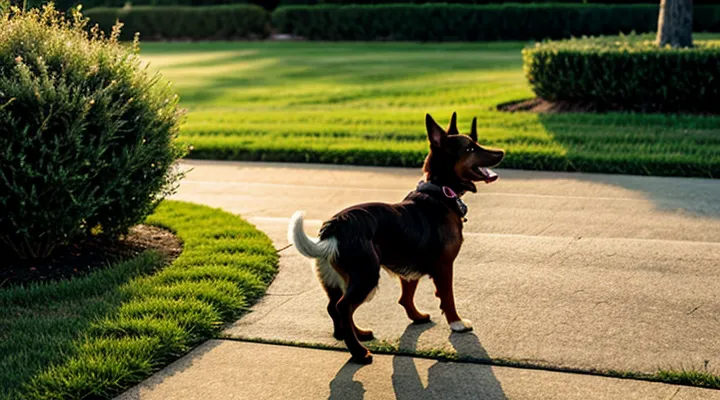
When you step through the door after a long day, the first sign of a dog’s reception is often a vigorous tail motion. This movement conveys information far beyond simple joy.
The tail functions as a multi‑dimensional signaling organ. Its position, speed, and amplitude encode the animal’s internal state and intentions toward the human. A high, sweeping wag indicates confidence and readiness to engage, while a low, slow swing suggests caution or submission. Rapid, broad strokes paired with a loose body posture signal openness and a desire for interaction; a stiff, narrow wag accompanied by tense muscles may denote anxiety or a warning to maintain distance.
Key variables to observe:
- Height: raised (alert, dominant) vs. lowered (submissive, tentative)
- Amplitude: wide arcs (positive affect) vs. narrow flicks (reserved or uneasy)
- Frequency: fast (high arousal) vs. slow (calm or restrained)
- Symmetry: even side‑to‑side movement (balanced state) vs. asymmetrical (potential discomfort)
Interpreting these cues allows you to tailor your response appropriately. If the tail is high and sweeping, greet the dog with an enthusiastic tone and open posture. When the wag is low and hesitant, approach calmly, offering gentle reassurance before initiating play. Recognizing the nuanced language of the tail prevents miscommunication and strengthens the post‑work bond.
In practice, consistent observation refines your ability to read these signals. Over time, the tail becomes a reliable indicator of the dog’s emotional readiness, guiding how you greet, pet, or give space after a day’s work.
1.2. Body Language: A Silent Conversation
When you step through the door after a long day, a dog’s greeting is a compact exchange of signals that conveys its emotional state without a single bark. The posture you observe-whether the animal approaches with a low, relaxed body or a stiff, forward‑leaning stance-immediately informs you about its level of excitement and perceived safety. A loose, wagging tail that sweeps in wide arcs signals confidence and pleasure, while a tail held high and rigid indicates heightened arousal that may require calm reinforcement.
Eye contact functions as a direct channel of communication. Soft, blinking gazes paired with a relaxed brow suggest trust and a desire for connection. Conversely, a hard stare, ears pinned back, or a fixed, unblinking look often precedes a defensive reaction. The dog’s ears, positioned forward, reveal attentiveness; ears flattened against the head typically denote anxiety or submission.
The following cues form the core of the silent dialogue:
- Tail movement: broad, sweeping wag = joy; rapid, narrow wag = heightened arousal; tail tucked = fear.
- Body tension: relaxed muscles = comfort; stiff limbs = alertness or potential aggression.
- Facial expression: open mouth with relaxed jaw = contentment; closed mouth with tense lips = stress.
- Vocalization tone: low, friendly whine = invitation; high‑pitched yelp = discomfort.
By interpreting these elements accurately, you can adjust your response-offering calm reassurance, engaging play, or providing space-to align with the dog’s internal narrative. Mastery of this non‑verbal conversation enhances mutual trust and optimizes the post‑work reunion for both parties.
2. Common Greeting Behaviors and Their Interpretations
2.1. The Full-Body Wag and Energetic Leaps
When you step through the door after a long day, a dog that initiates a full‑body wag coupled with exuberant leaps is communicating more than simple excitement. The oscillation of the entire spine, from tail tip to neck, creates a wave that signals a release of pent‑up arousal. This kinetic display serves three core functions.
- The rapid, whole‑body motion reduces cortisol levels in the animal, indicating a physiological shift from stress to relaxation.
- The high‑energy jumps increase the dog's heart rate, matching the owner's elevated pulse and fostering physiological synchrony that strengthens the human‑canine bond.
- The expansive movement expands the dog's visual field, allowing it to assess the environment for potential threats while simultaneously showcasing confidence and readiness for interaction.
Research shows that dogs who employ this combined wag and leap pattern are more likely to seek immediate physical contact, such as nudges or paw placements, within the first thirty seconds of greeting. The intensity of the leaps correlates with the dog's anticipation of reward-food, play, or verbal affirmation. Consequently, the behavior acts as an implicit request: the dog expects acknowledgment and engagement, and it uses the full‑body display to maximize the likelihood of a positive response.
2.2. The Submissive Crouch and Licking
The submissive crouch appears when a dog lowers its front legs, lowers the torso, and often exposes the belly as you cross the threshold after a workday. This posture signals acknowledgment of the human’s dominant status and a request for acceptance. The lowered center of gravity reduces the animal’s perceived threat, allowing the dog to approach without provoking defensive reactions.
Licking accompanies the crouch in several distinct ways. First, the dog may lick the hand that opens the door, establishing a direct chemical exchange that reinforces the bond. Second, rapid tongue movements directed at the face convey appeasement, reducing any residual tension from the owner’s absence. Third, brief, repetitive licking of the forearm functions as a self‑soothing mechanism, indicating the dog’s emotional regulation.
Key elements of the submissive greeting:
- Front legs bent, weight shifted forward
- Tail held low or tucked, avoiding upward display
- Eyes directed toward the owner, often with a soft gaze
- Tongue activity ranging from brief sniffs to sustained laps
These signals combine to communicate trust, readiness to receive affection, and an understanding of the hierarchical relationship. Recognizing the crouch and licking pattern enables owners to respond appropriately, reinforcing positive reinforcement cycles and strengthening the human‑canine connection.
2.3. Bringing "Gifts"
When you return home after a day’s labor, a dog’s greeting often includes a “gift” - a stick, a sock, a ball, or any object retrieved during the day. This behavior is not random; it conveys specific information about the dog’s perception of the interaction and its internal state.
The act of presenting an item serves three primary functions:
- Signal of resource sharing - the dog offers something it has acquired, indicating a willingness to contribute to the household’s communal pool.
- Request for validation - by presenting the object, the dog invites the owner’s attention and approval, reinforcing the bond through acknowledgment.
- Expression of excitement - the rapid delivery of a “gift” mirrors the heightened arousal associated with reunion, channeling energy into a tangible gesture.
Interpretation of the gift varies with its nature. A fresh stick suggests the dog has been active outdoors and is eager to involve the owner in its play. A worn sock may reflect a search for comfort items, hinting at a need for reassurance after a long separation. A ball typically signals readiness for immediate physical interaction.
Understanding these cues enables owners to respond appropriately: acknowledge the offering, engage in brief play, or redirect the behavior if the item is unsuitable. Consistent, measured responses reinforce the dog’s confidence that its greeting conveys meaning beyond mere excitement.
2.4. Whining and Vocalizations
When you return home after a workday, a dog’s vocal response often conveys more than simple excitement. Whining, in this context, functions as a displacement signal that bridges anticipation and frustration. The frequency of the whine correlates with the length of separation: longer absences typically produce higher-pitched, longer-duration whines, indicating heightened arousal. A brief, low‑tone whine usually signals a request for immediate interaction, whereas a persistent, high‑frequency whine may reflect residual stress or a need for reassurance.
Vocalizations accompany other greeting behaviors, reinforcing the emotional state conveyed by body language. A dog that whines while wagging its tail and presenting a relaxed posture signals a positive, affiliative greeting. Conversely, a whine paired with stiff limbs, ears flattened, or a fixed stare suggests anxiety or a demand for attention that has not yet been satisfied. The acoustic structure of the whine-its pitch, tempo, and modulation-provides cues to the owner about the underlying motivation: a rapid, staccato series often indicates urgency, while a drawn-out, melodic tone suggests a desire for prolonged contact.
Interpretation of these sounds benefits from consistent observation. Recordings of a dog's post‑work vocalizations, analyzed for spectral patterns, reveal individual baselines. Deviations from these baselines flag changes in health, environmental stressors, or alterations in the owner’s routine. For example, a sudden increase in whine intensity may precede the onset of separation‑related anxiety, prompting early intervention.
Practical guidelines for owners:
- Monitor pitch: higher pitch → greater arousal.
- Note duration: longer whine → extended stress or need for reassurance.
- Assess context: combine vocal data with posture and tail movement for accurate reading.
- Respond consistently: calm, low‑tone verbal acknowledgment reduces high‑frequency whines and reinforces a secure greeting.
By treating whining and other vocal cues as data points rather than mere noise, owners can decode the nuanced message embedded in a dog’s greeting after work, fostering a more responsive and harmonious relationship.
2.5. Ignoring Your Presence
When a dog greets you after a workday by turning away, maintaining distance, or showing no overt excitement, the behavior conveys specific information about its internal state and the relationship dynamics.
The response can be broken down into three core signals:
- Assessment of safety - The animal evaluates the environment before committing energy to social interaction. A lack of immediate enthusiasm suggests the dog is scanning for potential threats or changes that occurred during your absence.
- Boundary reinforcement - By ignoring the arrival, the dog asserts a personal boundary, indicating that it does not need constant affirmation to feel secure. This behavior often appears in dogs with well‑established confidence and consistent training.
- Resource allocation - The animal may be conserving energy for pending activities such as feeding, play, or a scheduled walk. Ignoring the moment of entry does not equal rejection; it reflects a prioritization of tasks.
Understanding this pattern requires observing accompanying cues. A relaxed posture, soft eyes, and a slow tail wag, even if subtle, confirm that the dog is simply choosing a measured response. Conversely, tense muscles, ears flattened, or a tucked tail signal genuine discomfort or anxiety that merits further investigation.
From a behavioral expert’s perspective, the optimal approach is to respect the dog’s initial stance while providing a predictable routine. Offer a calm verbal acknowledgment, wait for a voluntary approach, and then engage in the expected activity-whether it is a brief walk, a treat, or a brief play session. Consistency reinforces the dog’s confidence that the greeting, even when understated, will lead to predictable outcomes.
In practice, the “ignoring” phase serves as a communication tool rather than a sign of neglect. Recognizing it allows owners to respond appropriately, strengthening the bond through respect for the animal’s autonomous signaling.
3. Factors Influencing Your Dog's Greeting
3.1. Breed Specific Traits
When you return home, a dog’s greeting can reveal breed‑inherited communication patterns. Recognizing these patterns prevents misinterpretation and deepens the bond.
-
Retrievers often greet with exuberant tail wagging and a loose‑jawed grin. Their history of retrieving game translates into an instinct to present “offers” - a toy, a stick, or a paw, signaling readiness to share the day’s experiences.
-
Herding breeds, such as Border Collies, may approach with focused eye contact and a controlled, low‑key wag. Their lineage emphasizes guidance and attention to movement; the greeting serves as a quick assessment of your emotional state and a cue to maintain order.
-
Guarding breeds, like German Shepherds, typically display a measured approach, ears forward, and a steady, confident stance. Their protective instincts cause them to gauge potential threats before initiating contact, using a brief, purposeful sniff to collect information.
-
Toy breeds, for example Chihuahles, often respond with rapid, high‑frequency tail motion and vocalizations. Their small size and historical role as companions drive a need for constant reassurance, so the greeting includes frequent “talk” to affirm the owner’s presence.
-
Scent hounds, such as Beagles, may greet by pressing their nose against your leg and emitting soft, resonant woofs. Their olfactory specialization leads them to seek scent confirmation of your whereabouts, using the greeting as a brief chemical update.
Understanding these breed‑specific signals transforms a simple “welcome home” into a diagnostic exchange. Each response reflects centuries‑old functional traits, allowing owners to tailor post‑work interactions to the dog’s innate communication style.
3.2. Individual Personality
When a dog greets its owner after a workday, the behavior reveals the animal’s individual temperament. Each dog’s personality shapes the manner, intensity, and timing of the greeting, providing clues about its emotional state and attachment style.
A calm, confident dog often approaches with a relaxed wag, maintains steady eye contact, and waits for a gentle pet before initiating play. This pattern signals security and a well‑regulated stress response. In contrast, an anxious or highly excitable dog may rush forward, bark, or jump, displaying heightened arousal that can mask underlying nervousness. Recognizing this surge helps the owner modulate interaction, reducing overstimulation.
A sociable, extroverted dog typically seeks immediate physical contact, circles the owner, and may perform learned tricks as part of the greeting. This behavior reflects a strong motivation for social reinforcement and a preference for active engagement. Conversely, an independent or introverted dog might linger at a distance, offer a brief sniff, and retreat if contact becomes prolonged, indicating a need for personal space despite affection.
Understanding these personality‑driven signals enables owners to tailor their response:
- Observe body language (tail position, ear orientation, posture).
- Match energy level: low‑key pets for relaxed dogs, enthusiastic play for high‑energy dogs.
- Adjust duration of contact: brief for reserved dogs, extended for affiliative dogs.
- Reinforce desired behavior with consistent cues and rewards.
By aligning post‑work interactions with the dog’s unique personality profile, owners foster trust, reduce stress, and reinforce a healthy human‑canine bond.
3.3. Past Experiences and Training
A dog’s greeting after a workday is shaped by the individual’s history of interactions and the training methods applied over time. When the animal has repeatedly experienced positive reinforcement for specific behaviors-such as sitting calmly, offering a paw, or maintaining eye contact-those actions become the default response. Conversely, if past encounters involved abrupt departures, inconsistent cues, or punitive corrections, the greeting may appear hesitant, overly exuberant, or even aggressive.
Key factors derived from earlier experiences include:
- Predictability of routine - consistent arrival times teach the dog to anticipate the moment and prepare an appropriate welcome.
- Association with rewards - treats or affectionate praise delivered immediately after the greeting reinforce the chosen behavior.
- Boundary training - exercises that define acceptable proximity and excitement levels prevent uncontrolled jumping or barking.
- Social exposure - interaction with other people and animals broadens the dog’s repertoire of greeting styles, allowing adaptation to different owners’ expectations.
Training that aligns with the dog’s learned expectations produces a greeting that conveys confidence, respect, and attachment. Adjustments to the routine-such as varying the intensity of praise or introducing new commands-can reshape the signal, revealing deeper emotional states that the dog communicates through its posture, tail position, and vocalizations. Understanding the link between historical conditioning and present behavior enables owners to interpret the hidden meaning behind each post‑work welcome.
3.4. Your Own Demeanor Upon Arrival
When you step through the door after a day’s labor, the manner in which you present yourself sends a clear signal to your canine companion. A composed posture, steady breathing, and a measured voice establish a baseline of safety that the dog interprets as permission to approach.
Maintain an upright yet relaxed stance; shoulders should be down, not rigid. Keep movements deliberate-avoid sudden lunges or reckless swings of arms. Speak in a calm, even tone; high‑pitched excitement can trigger hyper‑arousal, while a steady cadence reassures the animal that the environment remains predictable.
Key elements of effective arrival demeanor:
- Eye contact: Brief, soft gaze conveys acknowledgment without intimidation.
- Hand placement: Extend a palm outward, palm‑up, allowing the dog to sniff before any physical contact.
- Verbal cue: A consistent greeting word (e.g., “Hello”) spoken at the same volume each time reinforces recognition.
- Timing: Pause for a moment before reaching out; this pause gives the dog a chance to decide the level of interaction.
By adhering to these guidelines, you create a framework in which the dog’s greeting behavior reflects genuine affection rather than anxiety or overstimulation. The result is a mutually satisfying reunion that reinforces trust and reinforces the bond built during the workday’s separation.
4. Understanding Your Dog's Emotional State
4.1. Excitement and Joy
When the door opens and a dog rushes forward, the behavior encodes a specific emotional signal: pure excitement paired with joy. This response is not merely a reflex; it reflects a learned association between the owner’s return and a rewarding social interaction. The canine brain releases dopamine, reinforcing the expectation of positive reinforcement, which manifests as rapid tail wagging, elevated posture, and spontaneous vocalizations.
Key physiological and behavioral markers of excitement and joy include:
- Tail held high, sweeping side‑to‑side at a frequency of 2-3 beats per second.
- Ears oriented forward, indicating focused attention on the arriving person.
- Mouth slightly open, tongue lolling, and breath quickening without signs of stress.
- Play bows or spontaneous nudges, inviting further engagement.
These indicators serve as a coded invitation for the owner to participate in a reciprocal exchange. The dog’s heightened arousal signals readiness to share a positive experience, which can reduce the owner’s post‑work stress and strengthen the bond. Recognizing and responding appropriately-by greeting, petting, or initiating brief play-feeds the same neurochemical loop, consolidating the mutual expectation of joy each day.
4.2. Anxiety and Relief
When you return home after a workday, a dog’s greeting can encode two contrasting emotional states: lingering anxiety about the separation and immediate relief upon reunion. The animal’s body language, vocalizations, and physiological responses reveal how these states interact.
A dog experiencing separation‑induced anxiety often exhibits heightened arousal before the door opens. Indicators include rapid panting, dilated pupils, and a tense posture with a lowered tail. These signs reflect activation of the sympathetic nervous system, preparing the animal for a perceived threat. Once the owner appears, the same dog may transition swiftly to a relief response, demonstrated by relaxed shoulders, a wagging tail that reaches a full, horizontal sweep, and soft, intermittent whines that signal a desire for contact.
Key behavioral markers of the relief phase are:
- Gentle nudging of the hand or leg, indicating a request for physical reassurance.
- Licking of the owner’s face or hands, a self‑soothing action that releases oxytocin.
- Slow, rhythmic breathing that replaces the earlier rapid panting, signaling parasympathetic dominance.
Neurochemical shifts accompany this behavioral change. Cortisol levels, elevated during the anxious period, begin to decline within minutes of physical contact, while dopamine and oxytocin surge, reinforcing the bond and reducing stress. The dog’s ability to move from a state of heightened alertness to calm attachment illustrates an adaptive coping mechanism that mitigates the negative effects of daily separations.
Understanding these signals enables owners to respond appropriately: offering calm, steady touch, speaking in a low, reassuring tone, and avoiding abrupt movements that could reignite anxiety. By aligning the response with the dog’s physiological state, the transition from anxiety to relief becomes smoother, strengthening the human‑animal relationship and promoting long‑term emotional stability for the pet.
4.3. Attention-Seeking
When you step through the door after a day’s labor, a dog’s exuberant greeting often masks a calculated bid for attention. The rapid wag, the sudden leap, and the persistent nudges are not merely expressions of joy; they are behavioral cues engineered to capture the owner’s focus. By concentrating on the owner’s response, the dog reinforces the connection that supplies social affirmation and, ultimately, access to resources such as food, play, or affection.
The core mechanics of attention‑seeking involve three stages:
- Signal initiation: A high‑energy approach, vocalizations, and physical contact serve as a stimulus that interrupts the owner’s routine.
- Feedback loop: The owner’s acknowledgment-verbal praise, petting, or eye contact-activates the dog’s reward circuitry, strengthening the behavior.
- Behavioral reinforcement: Repeated positive outcomes condition the dog to repeat the greeting pattern whenever the owner returns.
Understanding this pattern allows owners to shape interactions deliberately. If the goal is to moderate excessive excitement, the owner can withhold immediate response until the dog settles, then reward calm behavior. Conversely, when a strong bond is desired, timely acknowledgment validates the dog’s effort to engage, deepening trust.
In practice, observe the timing and intensity of the greeting. A dog that escalates its antics when ignored is signaling a heightened need for social reinforcement. Adjusting the response-either by acknowledging promptly or by training a “wait” cue-provides the dog with clear expectations and reduces reliance on extreme attention‑seeking tactics.
4.4. Acknowledging Your Return
When you cross the threshold after a workday, a dog’s reaction often carries a specific communicative purpose. The act of acknowledging your arrival is not merely a reflex; it functions as a social confirmation that you have rejoined the pack’s hierarchy.
The primary elements of this acknowledgment include:
- Tail elevation and a steady wag that transitions from low to high amplitude.
- Direct eye contact accompanied by a soft, relaxed gaze.
- A forward‑leaning stance that reduces the distance between the dog and the door.
- A brief, low‑pitched bark or a gentle whine that signals excitement while maintaining control.
Each component serves to reaffirm the owner‑dog bond, convey relief from separation, and signal readiness to engage in subsequent interaction. The combination of posture and vocalization reflects the animal’s assessment of the environment: a calm, confident dog will display an open posture, whereas tension appears as a stiff body and a high‑pitched whine.
Responding appropriately reinforces the desired behavior. An expert recommendation is to:
- Pause momentarily to allow the dog to complete its greeting sequence.
- Offer a calm verbal acknowledgment that matches the dog’s tone.
- Provide brief physical contact-such as a gentle hand on the chest-to confirm mutual recognition.
- Follow with a brief activity (e.g., a short walk or a play session) that validates the dog’s effort to signal your return.
By interpreting and reciprocating these signals, you strengthen the relational contract that underpins the dog’s daily greeting routine.
5. Strengthening the Bond Through Greetings
5.1. Positive Reinforcement
Positive reinforcement is the most reliable method for shaping a dog’s response during the moment it greets you after a workday. When the animal receives a reward immediately after displaying the desired behavior, the brain associates the greeting with a positive outcome, increasing the likelihood of repetition.
The greeting itself can communicate several expectations:
- A wagging tail coupled with a calm approach signals readiness for interaction.
- A rapid, excited jump often indicates a desire for play or attention.
- A gentle nuzzle suggests the dog seeks affection without overstimulation.
Applying reinforcement correctly involves three steps:
- Identify the specific greeting behavior you want to encourage (e.g., a calm sit before seeking attention).
- Deliver a high‑value reward-treat, praise, or a brief play session-within one second of the behavior.
- Consistently repeat the process each evening, gradually reducing the frequency of treats while maintaining verbal praise.
Consistent reinforcement trains the dog to interpret the post‑work greeting as a cue for a predictable, pleasant interaction. Over time, the animal learns to modulate its excitement, resulting in a smoother transition from workday stress to home relaxation.
5.2. Establishing a Routine
Consistent daily patterns shape a dog’s greeting behavior after you return from work. When the animal learns that a specific sequence-door opening, name call, brief pause-precedes a positive interaction, the greeting becomes a predictable signal rather than a spontaneous reaction. This predictability reduces anxiety, reinforces the bond, and conveys the owner’s reliability.
To embed this pattern, follow a structured approach:
- Choose a fixed arrival time and stick to it as closely as possible.
- Use the same verbal cue each day, such as “Hey Buddy,” spoken in a calm tone.
- Pair the cue with a brief pause before offering a treat or affection, establishing a clear cause‑effect link.
- End the interaction with a brief, consistent activity-e.g., a short walk or a play session-so the dog associates the greeting with the upcoming routine.
- Record any deviations and adjust only when necessary, maintaining overall consistency.
Over weeks, the dog internalizes this schedule, interpreting the greeting as a marker that the anticipated routine will unfold. The behavior thus carries a hidden meaning: it signals trust in the established order and readiness for the next phase of interaction. By deliberately shaping the routine, owners transform a simple hello into a purposeful communication tool.
5.3. Respecting Their Space
When you arrive home, a dog’s greeting can convey a request for personal boundaries as much as enthusiasm. Recognizing signs of discomfort-such as a stiff tail, avoidance of eye contact, or retreating to a familiar spot-indicates that the animal needs space before engaging fully. Ignoring these cues may increase anxiety and undermine the trust built during daily routines.
Practical guidelines for honoring a dog’s personal area:
- Pause at the doorway; allow the dog to approach voluntarily.
- Observe body language: relaxed posture, wagging tail at mid‑height, and open mouth suggest readiness for interaction.
- If the dog steps back or circles, refrain from reaching out; offer a treat or a calm voice from a short distance.
- Provide a designated safe zone-e.g., a mat or crate-where the dog can retreat without pressure.
- Gradually increase proximity only after the dog displays clear signs of acceptance.
Consistently respecting these boundaries reinforces the hidden communication embedded in the post‑work greeting, fostering a calmer, more reliable bond.
6. When to Seek Professional Advice
6.1. Excessive Separation Anxiety
Excessive separation anxiety manifests when a dog displays heightened distress during the owner’s absence, often persisting for hours after the workday ends. Typical signs include frantic pacing, persistent barking, destructive chewing, and an urgent demand for contact the moment the door opens. The intensity of this response can transform a routine greeting into a desperate, almost frantic ritual, revealing the depth of the animal’s emotional reliance on the owner’s presence.
The underlying mechanisms involve a combination of genetic predisposition, early socialization deficits, and conditioning through inconsistent departure routines. When a dog learns that brief separations trigger intense discomfort, it may exaggerate its welcome behavior as a coping strategy, seeking to reestablish security instantly. This pattern reinforces the anxiety loop, making each post‑work reunion both a relief and a reminder of the previous absence.
Effective mitigation requires a structured approach:
- Gradual desensitization: practice short departures, progressively extending duration while maintaining calm exits and entries.
- Predictable cues: use consistent signals (e.g., a specific word or hand gesture) to indicate departure and return, reducing uncertainty.
- Enrichment during absence: provide puzzle toys or safe chew items to occupy the dog’s attention and lower stress levels.
- Professional intervention: consider behaviorist consultation or, when necessary, veterinary assessment for anxiolytic medication.
Implementing these measures can moderate the dog’s exaggerated greeting, allowing the post‑work encounter to reflect genuine affection rather than compulsive relief.
6.2. Aggressive Greeting Behaviors
Aggressive greeting behaviors manifest when a dog approaches after a workday with heightened arousal, stiff body posture, direct stare, and rapid tail movement that may appear stiff rather than relaxed. The dog often initiates contact by lunging, snapping, or attempting to bite, signaling a perceived threat or a need to assert dominance in the brief reunion.
Key indicators include:
- Fixed, unblinking gaze at the owner’s face or hands
- Raised hackles along the spine
- Forward‑leaning stance with weight shifted onto front legs
- Rapid, jerky movements of the head or mouth, sometimes accompanied by growling
These signals convey that the animal interprets the greeting as a challenge rather than a welcome. Underlying factors frequently involve insufficient mental stimulation during the day, abrupt transitions from a high‑energy environment, or unresolved anxiety linked to previous negative experiences.
Effective management requires a structured response:
- Pause before entering the home; allow the dog to settle while the owner remains calm and motionless.
- Observe body language; if tension persists, redirect attention with a high‑value treat or a favorite toy placed at a short distance.
- Gradually decrease distance over several repetitions, rewarding relaxed posture and soft mouth.
- Incorporate a brief, predictable routine-such as a “sit‑stay” command followed by a release-so the dog learns that the greeting phase is controlled and safe.
Consistent application of these steps reduces the likelihood of aggression by converting the greeting into a predictable, low‑stress interaction. Long‑term mitigation benefits from daily enrichment, regular exercise, and training sessions that reinforce calm engagement, thereby aligning the dog’s emotional state with the owner’s return.
6.3. Sudden Changes in Greeting Patterns
When a dog abruptly alters the way it greets you after a typical workday, the shift often signals a change in the animal’s internal assessment of the environment. An unexpected wag, a sudden pause, or an intensified sniffing sequence reflects heightened arousal, stress, or a recalibrated expectation of interaction. Recognizing these cues allows owners to respond appropriately and maintain the trust built over routine encounters.
Key factors that trigger rapid modifications in greeting behavior include:
- Environmental disturbances: Loud noises, new scents, or altered lighting can cause the dog to adopt a more cautious or defensive posture.
- Owner’s emotional state: Subtle changes in tone, posture, or scent, such as fatigue or frustration, are quickly detected and may prompt the dog to adjust its approach.
- Health fluctuations: Pain, illness, or medication effects can produce atypical greeting patterns, ranging from exaggerated enthusiasm to minimal contact.
Interpreting the meaning behind a sudden change requires a systematic observation protocol. First, document the exact nature of the greeting-duration, intensity, and body language. Second, correlate the observation with any recent alterations in the household or the owner’s behavior. Third, assess the dog’s overall health status to rule out physiological causes. Consistent documentation over multiple days reveals whether the deviation is an isolated incident or the onset of a new pattern.
When the analysis confirms a non‑routine alteration, the appropriate response may involve adjusting the welcome ritual: offering a calm voice, reducing physical contact, or providing a brief period for the dog to settle before engaging. Such calibrated interactions reinforce the dog’s perception that the owner remains a reliable source of safety, even when greeting dynamics shift unexpectedly.