
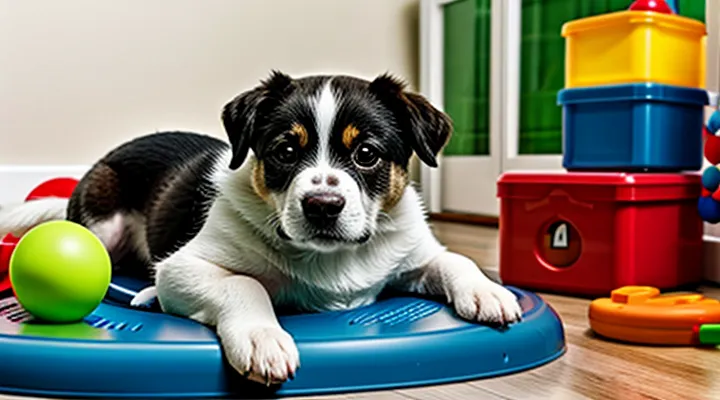
Introduction
The Hidden Dangers in Common Dog Toys
What Makes a Toy Dangerous?
As a veterinary safety specialist, I identify three primary mechanisms that convert a seemingly harmless play item into a lethal hazard for an unattended dog.
-
Choking and airway obstruction - small components, detachable parts, or broken fragments can become lodged in the throat or esophagus. Toys made from soft foam, rubber, or plush fabric often shed pieces when chewed, creating high‑risk objects for dogs that tend to swallow whole items.
-
Toxic exposure - materials such as lead‑based paint, phthalates, or certain adhesives leach chemicals when bitten or shredded. Ingestion of these substances can cause acute organ failure, especially when the animal has no immediate supervision to receive emergency care.
-
Mechanical injury - hard plastic shells, metal squeakers, or spring mechanisms can break under pressure, producing sharp edges or projectiles. A dog that gnaws aggressively may be impaled or suffer severe internal trauma from penetrating fragments.
Additional factors amplify danger:
- Size mismatch - toys larger than the dog’s mouth may be forced into the throat, while toys smaller than the animal’s jaw can be swallowed whole.
- Durability rating - low‑quality items lack reinforced seams, increasing the likelihood of rupture during vigorous play.
- Design complexity - multi‑part toys with cords, strings, or small accessories introduce entanglement risks and additional ingestion hazards.
Recognizing these characteristics enables owners to eliminate high‑risk products and select items specifically tested for canine safety, thereby preventing fatal incidents when the animal is left alone.
Importance of Supervision, Even When Away
Supervising a dog when it interacts with toys, especially those containing small parts, chemicals, or sharp edges, prevents fatal incidents that can occur in the owner's absence. The risk escalates when a pet is left alone with an object capable of causing choking, internal injury, or toxic exposure. Continuous oversight, even through remote monitoring systems, supplies an immediate response option and reduces the window of danger.
Remote supervision tools-such as video cameras with two‑way audio, motion‑activated alerts, and automated dispensing devices-enable owners to detect hazardous behavior before it becomes lethal. When a problem is identified, the owner can intervene remotely by issuing commands, disabling access, or alerting a caregiver.
Key preventive actions include:
- Selecting toys made from non‑toxic, chew‑resistant materials and verifying that all components are securely attached.
- Conducting regular inspections for wear, breakage, or loose pieces that a dog could ingest.
- Storing high‑risk items out of reach when the animal is unattended, using locked containers or elevated shelves.
- Programming smart devices to lock compartments containing dangerous toys during periods of absence.
- Arranging for a trusted person to check on the dog at scheduled intervals, ensuring physical removal of any unsafe objects.
Documentation of each toy’s specifications-material composition, size, and recommended age or weight-provides a reference for evaluating suitability. Maintaining a log of incidents or near‑misses supports ongoing risk assessment and informs future purchasing decisions.
In summary, vigilant supervision, augmented by technology and procedural safeguards, eliminates the primary factor that converts a seemingly harmless play item into a lethal threat for a dog left alone.
Categories of Hazardous Toys
Chew Toys
Edible Chews
Edible chews are marketed as safe, long‑lasting treats that occupy a dog’s mouth and reduce boredom. In practice, they can become lethal hazards when a dog is left unattended.
The primary risks stem from size, composition, and durability. Large chews may break into sharp fragments that perforate the gastrointestinal tract. High‑fat formulations can trigger pancreatitis, leading to systemic failure. Some chews contain toxic additives or preservatives that accumulate to dangerous levels after prolonged ingestion. When a dog chews without supervision, the likelihood of swallowing oversized pieces or choking increases dramatically.
Key safety considerations for owners who cannot supervise:
- Verify that the chew’s dimensions exceed the dog’s throat size by a comfortable margin.
- Choose products with clear ingredient lists free of artificial sweeteners, excessive salt, or known allergens.
- Monitor the chew’s integrity; discard any that become brittle, splintered, or excessively softened.
- Limit daily intake to the manufacturer’s recommended amount to avoid gastrointestinal overload.
Veterinary guidelines recommend replacing high‑risk edible chews with monitored play sessions using non‑edible, break‑proof toys when the owner is away. If an edible chew is the only option, a timed dispenser that releases small, digestible portions can reduce the chance of accidental ingestion of hazardous fragments. Regular veterinary check‑ups should include assessment of the dog’s chewing behavior and any signs of abdominal distress.
Rawhide
Rawhide chews are marketed as durable, digestible toys for dogs, yet they pose significant risks when left unattended. The material contracts as it dries, creating a hard core that can become lodged in a dog’s airway or esophagus, leading to rapid suffocation. If the piece passes the throat, it may expand further in the stomach, causing obstruction that prevents normal digestion and can result in fatal intestinal blockage.
Processing of rawhide often involves chemical agents such as formaldehyde, sodium hydroxide, or bleach to preserve the product and enhance color. Residual chemicals can irritate the gastrointestinal lining, provoke inflammation, and in severe cases, induce hemorrhagic lesions. Moreover, rawhide is susceptible to bacterial contamination during manufacturing and storage; pathogens like Salmonella and E. coli have been isolated from commercial batches and can cause acute gastroenteritis.
When a dog chews rawhide unsupervised, the following hazards are most common:
- Choking on a solidified fragment.
- Gastrointestinal obstruction from swelling or fragmentation.
- Chemical irritation leading to ulceration or perforation.
- Infection from bacterial contamination.
Preventive measures for owners who must leave their dogs alone include:
- Removing all rawhide products from the environment.
- Replacing rawhide with veterinary‑approved, non‑chewable enrichment items such as puzzle feeders that require no ingestion.
- Conducting regular visual inspections of any chewable toys left unattended; discard any that show signs of hardening, cracking, or discoloration.
- Consulting a veterinarian for alternative dental or training aids that do not rely on ingestible material.
In summary, rawhide chews combine mechanical, chemical, and microbial dangers that can prove lethal in the absence of supervision. Eliminating rawhide from unattended settings eliminates a preventable cause of canine mortality.
Dental Chews
Dental chews are marketed as oral‑health aids, yet they can become lethal when left unattended. The product’s size, texture, and composition create three primary hazards.
- Large, dense pieces may obstruct the airway if a dog swallows them whole.
- Hardened cores can fracture teeth, leading to severe oral trauma and secondary infection.
- Chemical additives, such as preservatives or flavor enhancers, may cause toxic reactions if ingested in excess.
Risk assessment requires evaluating chew dimensions against the dog’s breed and jaw strength. A chew exceeding 2 cm in any dimension poses a choking threat for medium‑sized dogs; for small breeds, the limit drops to 1 cm. Texture hardness should be measured on a durometer scale; values above 70 indicate a material too rigid for safe mastication.
Mitigation strategies include:
- Selecting chews certified for the specific weight class of the dog.
- Supervising initial chewing sessions to confirm proper breakdown.
- Removing the chew after a predetermined interval (e.g., 30 minutes) to prevent prolonged exposure.
Veterinary guidance recommends rotating chew types to avoid cumulative exposure to any single additive. When the owner cannot monitor the pet, the safest approach is to eliminate all chewable toys until a controlled environment is available.
Non-Edible Chews
Non‑edible chews are marketed as durable alternatives to rawhide, yet their hardness and shape can create lethal scenarios for dogs left alone. When a dog gnaws on a solid, non‑digestible object, excessive force may fracture teeth, damage the jaw, or generate sharp fragments that penetrate the gastrointestinal tract. The risk escalates if the chew is small enough to be swallowed whole, as it can obstruct the esophagus or intestines, leading to rapid deterioration and death without immediate veterinary intervention.
Key hazards associated with these products include:
- Extreme hardness - materials such as compressed nylon, rubber, or synthetic bone can exceed the bite force of most breeds, causing dental trauma.
- Sharp edges - manufacturing processes may leave burrs that become jagged after prolonged chewing, creating internal lacerations.
- Size mismatch - chews designed for large breeds are sometimes purchased for smaller dogs; the resulting size disparity increases choking potential.
- Chemical additives - some formulations contain preservatives or flavor enhancers that, when broken down, release toxins harmful to canine physiology.
Mitigation strategies for owners who cannot supervise their pets:
- Verify the manufacturer’s size recommendations and select a chew that exceeds the dog’s jaw width by at least two centimeters.
- Inspect the surface before each use; discard any item showing cracks, splinters, or worn edges.
- Limit chew time to short intervals; remove the object after ten minutes of activity and store it out of reach.
- Maintain a schedule of veterinary dental examinations to detect early signs of wear or injury.
- Substitute non‑edible chews with supervised, edible alternatives that dissolve safely, such as freeze‑dried meat sticks.
An expert assessment concludes that the lethal potential of non‑edible chews derives from a combination of material rigidity, fragmentability, and inappropriate sizing. Owners must evaluate each product against these criteria before allowing unsupervised access, thereby preventing accidental fatal outcomes.
Rubber Toys
Rubber toys can become lethal to unattended dogs when structural integrity fails or chemical composition proves toxic.
Potential hazards include:
- Choking: Small fragments detach, lodge in the airway, and obstruct breathing.
- Intestinal blockage: Ingested pieces travel to the stomach or intestines, creating a blockage that requires surgical intervention.
- Toxic exposure: Certain rubber formulations contain phthalates, BPA, or heavy metals that leach into saliva and cause organ damage.
- Suffocation: Elastic bands or stretched material can wrap around the neck or muzzle, restricting airflow.
Preventive measures for owners:
- Select toys certified free of harmful additives and labeled as non‑breakable for the dog’s size.
- Inspect toys regularly for cracks, tears, or loose seams; discard any damaged items immediately.
- Store toys out of reach when the dog is unsupervised, especially if the dog tends to chew aggressively.
- Provide alternative chew items made from reinforced nylon or natural fibers that resist fragmentation.
Veterinary assessment of a dog that has ingested rubber should include radiographic imaging to locate foreign material and blood tests for chemical toxicity. Prompt surgical removal prevents fatal complications.
Nylon Toys
Nylon chew items are popular for canine enrichment, yet they can become lethal when a dog is left alone. The material’s durability masks several hidden dangers.
- Sharp edges develop when the toy fractures, allowing penetration of the gastrointestinal tract.
- Small fragments detach during prolonged gnawing, creating an obstruction that can block the intestines.
- High‑density nylon resists digestion; an entire piece can linger in the stomach, leading to perforation or infection.
- Chemical additives used to harden the polymer may leach when the toy softens in a warm environment, causing toxic reactions if ingested.
Risk intensifies with unsupervised access. Dogs that chew aggressively, exhibit anxiety‑driven gnawing, or lack appropriate training are most vulnerable. Even toys labeled “safe” can fail under continuous pressure, especially if the dog is left unattended for extended periods.
Mitigation strategies:
- Inspect nylon toys before each use; discard any showing cracks, splinters, or surface wear.
- Choose toys with rounded profiles and reinforced seams; avoid designs with protruding parts.
- Limit exposure to short, supervised sessions; remove the toy when the owner leaves the premises.
- Provide alternative, disposable chew options such as natural rubber or fiber‑based treats that break down harmlessly.
- Keep a record of the toy’s manufacturer specifications, including hardness rating and recommended weight range, and match the product to the dog’s size and chewing strength.
Veterinary assessment after any incident involving a nylon chew is essential. Early endoscopic evaluation can detect perforations before systemic infection develops. Prompt surgical intervention improves survival rates when obstruction is identified.
In summary, nylon toys pose a lethal threat to unsupervised dogs through mechanical injury, gastrointestinal blockage, and chemical exposure. Rigorous inspection, appropriate selection, and controlled access are the only reliable methods to prevent fatal outcomes.
Squeaky Toys
Small Squeakers
As a veterinary safety specialist, I examine small squeaking toys for their potential to cause fatal incidents when a dog is unattended. The primary danger lies in the toy’s size; dimensions often allow the animal to swallow the entire object or large fragments, leading to complete airway obstruction. Once lodged in the trachea or esophagus, the dog cannot breathe, and rapid loss of consciousness follows.
Materials used in inexpensive squeakers frequently contain brittle plastics that shatter under bite pressure. Sharp edges from broken pieces can perforate the gastrointestinal tract, resulting in internal bleeding and septic peritonitis. In addition, many squeakers incorporate tiny metal springs or battery cells. If a dog ingests a spring, it may puncture the stomach lining; a battery can leak alkaline fluid, causing corrosive burns and systemic toxicity.
Behavioral factors increase risk. Dogs left alone often experience boredom and may chew aggressively, accelerating wear and breakage. The absence of supervision eliminates the chance to remove a compromised toy before ingestion.
Key risk factors include:
- Dimensions smaller than the dog’s jaw width, enabling full ingestion.
- Fragile construction that splits into sharp shards.
- Embedded metal components or lithium batteries.
- Toxic additives such as phthalates or lead-based pigments.
- Lack of supervision during periods of isolation.
Mitigation strategies:
- Conduct a size assessment: ensure any toy exceeds the dog’s mouth opening by at least 50 %.
- Verify construction integrity: choose toys made of solid, non‑splintering silicone or reinforced rubber.
- Avoid toys with internal mechanisms: select static plush items without squeakers or batteries.
- Perform regular inspections: discard any toy showing cracks, loose parts, or discoloration.
- Provide alternative enrichment: rotate safe chew items and puzzle feeders to reduce focus on risky toys.
By applying these criteria, owners can eliminate the most lethal aspects of small squeaking toys and protect unattended dogs from accidental fatality.
Materials Prone to Tearing
Materials that degrade rapidly under stress pose the greatest hazard when left unattended with a pet. Thin polyethylene sheets, often used in low‑cost chew toys, split with minimal pressure. When a dog bites or gnaws, the material can fragment into sharp shards that puncture internal organs. Low‑density foam inserts, common in plush toys, compress and disintegrate, exposing hard cores that can cause intestinal blockage. Cheap synthetic fabrics, such as polyester blends with loose stitching, unravel when tugged, creating long fibers that a dog may swallow whole. Thin rubber bands, employed as squeakers or attachment points, snap under tension and become invisible hazards inside the gastrointestinal tract.
Key characteristics of these vulnerable materials include:
- Low tensile strength, measured in less than 5 MPa for most cheap plastics.
- Minimal tear resistance, often below 30 N for thin fabrics.
- Absence of reinforced seams or internal support structures.
- Susceptibility to environmental factors such as temperature fluctuations, which accelerate brittleness.
When selecting toys for unattended periods, prioritize products built from high‑density polymer blends, reinforced stitching, or solid, non‑fragmenting cores. Verify that any detachable components are securely fused or welded, eliminating the possibility of accidental separation. Regularly inspect toys for signs of wear; any fraying, cracking, or loss of structural integrity warrants immediate disposal.
Plush Toys
Stuffing Materials
The selection of stuffing material determines whether a toy remains harmless or becomes a lethal hazard for an unattended dog. Dense polymer beads can shift under pressure, creating sharp edges that puncture internal organs if the animal chews aggressively. Fibrous cotton blends absorb saliva, swell, and obstruct the airway when the dog attempts to swallow the expanded mass. Small synthetic pellets disintegrate into sharp shards, capable of perforating the gastrointestinal tract. Heavy metal granules retain heat after exposure to sunlight, raising the temperature of the toy’s core and causing thermal injury during prolonged contact.
- Polyethylene beads - risk of sharp fragment formation.
- Expanded cotton fibers - risk of airway blockage.
- Synthetic polymer pellets - risk of gastrointestinal perforation.
- Metal granules - risk of heat‑related tissue damage.
Manufacturers should apply barrier coatings that prevent fragmentation, incorporate non‑toxic, low‑expansion fillers, and conduct stress testing that simulates prolonged chewing. Pet owners must inspect toys for loose stuffing, avoid products lacking clear material disclosures, and remove any item that shows signs of wear. Replacing high‑risk toys with solid‑core alternatives eliminates the primary mechanism by which stuffing materials can cause fatal outcomes when the dog is left alone.
Small, Detachable Parts
Small, detachable components in consumer toys present a distinct hazard for unattended dogs. When a canine accesses a loose piece, the object can become lodged in the airway, swallowed, or cause internal trauma. The risk escalates when the owner is absent, eliminating immediate intervention.
Key mechanisms of danger include:
- Airway obstruction: Spherical or irregular fragments as small as 5 mm can block the trachea, leading to rapid suffocation.
- Gastrointestinal perforation: Sharp edges or hard plastic shards may puncture the stomach or intestines, resulting in internal bleeding.
- Toxin exposure: Certain plasticized parts release chemicals when chewed, potentially inducing acute poisoning.
Mitigation strategies for pet owners:
- Conduct a thorough inventory of toys left within the home; remove any items with detachable elements smaller than a dog’s paw size.
- Store removable accessories-such as caps, wheels, and batteries-in sealed containers out of reach.
- Choose toys designed with integrated, non‑detachable parts or those certified as pet‑safe by recognized standards.
Veterinary professionals recommend regular inspection of any toy that remains accessible to a dog, especially during periods of prolonged absence. Prompt removal of hazardous components can prevent fatal incidents.
Balls and Fetch Toys
Size and Choking Risk
When a dog is left unsupervised, the dimensions of a play object become a primary safety factor. Toys that exceed the animal’s muzzle width but contain detachable components create a scenario where the pet can ingest fragments that lodge in the airway. Research shows that objects larger than 2 cm in any dimension pose a negligible choking threat to medium‑ and large‑breed dogs, while the same size represents a critical hazard for toys intended for toy‑size or small breeds.
Key size considerations:
- Overall length must be at least twice the height of the dog’s throat to prevent complete occlusion if swallowed whole.
- Any detachable piece should be larger than 3 cm in its smallest dimension; smaller parts can bypass the epiglottis and block the trachea.
- Soft, compressible toys that flatten under bite pressure reduce the risk of creating a rigid obstruction, but their initial size must still satisfy the above thresholds.
Choking risk correlates directly with the ratio of toy size to the dog’s jaw opening. A toy that fits comfortably in the mouth yet remains larger than the laryngeal opening can become lodged when the animal attempts to swallow. For breeds with narrow airways, such as Chihuahuas or Dachshunds, the safe size ceiling drops to 1.5 cm for any removable element.
Mitigation strategies:
- Select toys manufactured without small, loose components.
- Verify that the toy’s bulk exceeds the dog’s bite circumference by a factor of 1.5-2.
- Conduct a “fit test” by placing the toy in the dog’s mouth; if the animal can fully enclose the object without resistance, the toy is unsuitable for unattended use.
By aligning toy dimensions with the anatomical limits of the specific dog, owners eliminate the most common pathway to fatal airway obstruction while the animal remains alone.
Material Durability
When evaluating toys that could fatally injure a dog left alone, material durability determines the likelihood of lethal outcomes. A durable material resists breakage, maintains structural integrity, and can exert sustained force on a canine’s anatomy. Consequently, toys constructed from high‑strength polymers, reinforced composites, or hardened metal present the greatest risk if the animal becomes entangled or attempts to chew them.
Key durability attributes influencing danger include:
- Tensile strength sufficient to withstand a dog’s bite without fragmenting, allowing the toy to act as a constricting band.
- Impact resistance that prevents shattering, ensuring the object remains intact to apply pressure.
- Resistance to environmental degradation (UV, moisture, temperature) so the toy retains its hazardous properties over weeks or months of unattended exposure.
- Low elasticity, which limits the toy’s ability to release tension once a dog is caught, prolonging compression.
Materials commonly found in high‑risk toys:
- Polycarbonate - high impact resistance, maintains rigidity under stress.
- ABS plastic - strong tensile properties, minimal deformation.
- Aluminum alloy - lightweight yet capable of sustaining crushing forces.
- Reinforced carbon fiber - exceptional strength‑to‑weight ratio, resistant to fatigue.
Durability also affects the timeline of risk. A toy that degrades quickly may lose its lethal capability, whereas a product that remains intact for extended periods sustains the threat. Inspection of material specifications, manufacturer testing data, and degradation studies provides essential insight for risk assessment. Selecting toys with lower durability metrics, such as soft rubber or biodegradable foam, reduces the probability of fatal injury when dogs are unsupervised.
Rope Toys
Fraying and Ingestion
As a veterinary safety specialist, I emphasize that toy deterioration is a primary pathway to lethal canine incidents when owners are away. Repeated chewing, exposure to moisture, and mechanical stress cause fibers or plastic components to separate from the original structure. Once loose fragments become small enough, a dog may swallow them unintentionally.
Ingestion of frayed material can obstruct the gastrointestinal tract, perforate intestinal walls, or release toxic additives. Blockages prevent the passage of food and fluids, leading to rapid dehydration, electrolyte imbalance, and shock. Perforations introduce bacteria into the abdominal cavity, causing septic peritonitis that progresses within hours. Certain polymers contain phthalates or heavy metals; systemic absorption after ingestion can trigger organ failure.
Preventive measures include:
- Selecting toys made from reinforced, non‑tearable fabrics or solid rubber.
- Inspecting each toy weekly for signs of fraying, exposed stitching, or cracked surfaces.
- Discarding any item that shows more than 2 mm of detached material.
- Providing size‑appropriate toys; the item should be larger than the dog’s muzzle circumference.
- Monitoring chewing behavior; excessive gnawing warrants immediate removal of the toy.
When a dog is left alone, the risk escalates because the animal cannot signal discomfort until symptoms become severe. Immediate veterinary intervention-diagnostic imaging and surgical removal-remains the only viable solution once obstruction or perforation occurs. Therefore, diligent assessment of toy integrity directly reduces fatal outcomes in unattended dogs.
Strangling Hazards
As a veterinary safety specialist, I evaluate toys that present a lethal strangulation threat to unattended dogs. The danger arises when a dog can become entangled in a toy’s components, leading to rapid airway obstruction or vascular compression.
Key mechanisms of strangulation include:
- Thin cords or strings that loop around the neck when the dog bites or pulls.
- Loose, detachable accessories that can be swallowed and then act as a tourniquet around the throat.
- Inflatable or hollow toys that collapse under pressure, creating a constricting band.
- Rope‑like chew toys that fray and form a noose when the dog gnaws aggressively.
Risk factors depend on size, material, and design. Toys smaller than the dog’s muzzle can be drawn into the oral cavity and dragged behind the head. Synthetic fibers that fray easily increase the likelihood of rope formation. Toys with multiple attachment points often produce unexpected loops when the dog manipulates them.
Preventive measures:
- Choose toys with reinforced, non‑fraying seams and no dangling cords.
- Verify that all parts remain securely attached after repeated chewing.
- Store toys out of reach when the dog is alone, especially those made of soft, compressible material.
- Conduct regular inspections for wear, torn edges, or loose components and discard any compromised items.
By applying these criteria, owners can eliminate the primary cause of fatal strangulation and ensure that playtime remains safe even in their absence.
Preventing Accidents
Toy Selection Guidelines
Size Appropriateness
When evaluating lethal pet toys for unattended dogs, size determines whether the item becomes a choking hazard, a crushing threat, or a source of internal trauma. A toy larger than the dog’s jaw circumference prevents accidental ingestion, yet excessive bulk can trap limbs, causing strangulation or broken bones if the animal attempts to escape. Conversely, a toy that fits easily into the mouth may be swallowed whole, leading to airway obstruction or gastrointestinal perforation.
Key dimensions to assess:
- Maximum width: Should exceed the widest part of the dog’s head by at least 20 %. This reduces the risk of the animal pulling the object into the throat.
- Minimum clearance: Should leave at least 2 cm of space between the toy’s edges and the dog’s limbs when positioned on the floor, preventing entrapment.
- Thickness: Must be sufficient to resist crushing under the dog’s weight; a minimum of 1 cm of solid material is advisable for medium‑sized breeds.
- Weight: Should not surpass 10 % of the dog’s body mass, avoiding excessive pressure on joints and spine if the animal tries to move the object.
Materials also influence size considerations. Dense polymers maintain structural integrity at smaller dimensions, while hollow or inflated items require larger volumes to achieve comparable safety margins. For breeds with strong jaws, such as terriers, increase the width threshold to 30 % above head size; for brachycephalic dogs, prioritize a broader profile to accommodate their short snouts.
In practice, measure the dog’s head, neck, and limb span, then compare those figures against the toy’s specifications. Selecting a toy that respects these proportional limits minimizes the probability of fatal injury when the animal is left alone.
Material Safety
As a material‑safety specialist, I assess the risks associated with pet‑accessible play items that could prove fatal to a dog when left unattended.
The primary hazards stem from the composition and design of the product. Toxic polymers, lead‑based pigments, and phthalate‑containing soft plastics may be ingested or absorbed through the skin, leading to organ failure. Sharp metal components, brittle hard‑plastic fragments, and loose screws present puncture or choking threats. Lithium‑ion cells can rupture, releasing corrosive electrolytes and fire‑inducing gases. Adhesives that emit volatile organic compounds (VOCs) become dangerous in confined spaces. All these factors combine to create lethal scenarios for unsupervised animals.
Mitigation requires a systematic approach:
- Select non‑toxic, FDA‑approved polymer grades; verify absence of heavy metals and phthalates.
- Design with no detachable parts smaller than 2 cm; embed all fasteners within the structure.
- Use rounded edges and impact‑absorbing materials to reduce injury from accidental bites.
- Replace lithium batteries with sealed, tamper‑proof units or eliminate power sources altogether.
- Apply low‑VOC, hypoallergenic adhesives; conduct off‑gassing tests under ASTM D5116.
- Label clearly with hazard warnings, age‑appropriate usage instructions, and storage recommendations.
- Perform regular durability testing (drop, chew, compression) following ISO 10993‑5 standards for cytotoxicity and ISO 10240 for mechanical safety.
Compliance with these criteria minimizes the probability that a toy becomes a lethal device for a dog left alone. Continuous monitoring of material batches and post‑market surveillance further ensures that emerging hazards are identified and addressed promptly.
Durability and Construction
Durable construction determines whether a pet‑oriented product can become a lethal hazard when left unattended. High‑strength polymers such as reinforced polycarbonate resist cracking under canine bite forces that can exceed 150 N. Metal components, typically stainless steel or aluminum alloy, must be welded or bolted with torque specifications that prevent loosening after repeated stress cycles. Failure of these joints often creates sharp edges or fragments capable of penetrating tissue.
Rigid internal frameworks inhibit deformation that could expose hidden mechanisms. Reinforced ribbing or honeycomb cores distribute impact loads, reducing the likelihood of catastrophic collapse. When a toy incorporates moving parts, bearings and gear housings require sealing against moisture to avoid corrosion that weakens structural integrity.
Testing protocols establish acceptable limits. Standardized drop tests from 1 m evaluate shock resistance, while chew‑resistance assays simulate prolonged gnawing. Results are recorded in megapascals of compressive strength and tensile yield points. Products that fall below 50 MPa in compression have demonstrated a propensity for breakage that may generate hazardous shards.
Key construction criteria:
- Material grade with verified impact resistance
- Joint design meeting torque retention of ≥ 30 Nm after 10 000 cycles
- Internal reinforcement achieving ≥ 70 % load distribution efficiency
- Sealed moving components rated for 48 h water immersion
Compliance with these parameters minimizes the risk that a seemingly innocuous item becomes a fatal threat to a dog in the owner’s absence.
Pre-Use Inspection and Maintenance
Checking for Wear and Tear
As a veterinary safety specialist, I recommend a systematic inspection of any pet‑accessible play items that could become lethal when a dog is left alone. The goal is to identify material fatigue, mechanical failure, and hazardous alterations before they pose a lethal risk.
- Examine surfaces for cracks, splintered edges, or softened polymer sections. Even hairline fissures can create sharp points that a dog may bite or chew, producing internal injury.
- Test moving components (e.g., wheels, springs, squeakers). Verify that cords remain intact, that tension springs return smoothly, and that no parts detach with modest force.
- Assess chemical integrity. Discoloration, sticky residue, or a sour odor may indicate degradation of plastics or rubber, which can release toxic compounds when chewed.
- Verify secure fastening of detachable pieces. Loose screws or snapped fasteners allow a dog to ingest small components that can cause choking or intestinal blockage.
- Conduct a weight‑bearing test. Apply pressure equivalent to a dog’s bite force (approximately 150 psi for medium breeds). Any deformation beyond 5 % of original shape suggests compromised structural support.
- Review product age and usage frequency. Items older than three years or subjected to daily high‑impact play should be retired regardless of apparent condition.
Document each finding with date, item model, and observed defect. Replace or discard any toy that exhibits any of the listed issues. Regular quarterly checks, combined with immediate removal of damaged items, significantly reduce the chance of a fatal incident while the household is unattended.
Regular Cleaning
As a veterinary safety specialist, I emphasize that regular cleaning of the home environment directly reduces the risk posed by hazardous play items that could harm a unattended dog. Residue, broken parts, and bacterial growth on toys create lethal conditions when a pet is left alone.
Consistent cleaning protocol eliminates these dangers:
- Remove all toys from the floor and surfaces before leaving the house.
- Wash each item with mild detergent and warm water; rinse thoroughly.
- Disinfect using a pet‑safe solution (e.g., diluted chlorhexidine) and allow to air dry.
- Inspect for cracks, loose pieces, or sharp edges; discard any compromised toy.
- Store only intact, cleaned toys in sealed containers out of reach of the dog.
Implementing this routine each day prevents accidental ingestion of toxic fragments and stops the proliferation of pathogens that could cause fatal reactions. Maintaining a spotless play area is a proven preventive measure for protecting dogs when owners are absent.
Safe Play Practices
Rotating Toys
As a veterinary safety specialist, I evaluate rotating pet toys that present lethal risks when left unattended. These devices typically consist of motor‑driven components, detachable parts, and high‑speed motion. When a dog interacts with a malfunctioning unit, the following mechanisms can cause fatal injury:
- Entanglement: cords or plastic sleeves can wrap around the neck or limbs, cutting off circulation.
- Impaction: small detachable pieces may be swallowed, leading to intestinal blockage or perforation.
- Blunt trauma: rapidly rotating arms can strike the head or torso, producing severe internal injuries.
- Electrical fault: exposed wiring may discharge, causing burns or cardiac arrest.
Design flaws that amplify danger include:
- Inadequate shielding of moving parts, allowing paws or teeth to reach the motor shaft.
- Use of low‑grade plastics that shatter under stress, creating sharp fragments.
- Absence of automatic shut‑off sensors that detect abnormal resistance or obstruction.
- Lack of child‑proof (or pet‑proof) enclosures that prevent direct access to the rotating mechanism.
Mitigation strategies for owners who must leave their dogs unattended:
- Remove all motorized toys from the environment before departure.
- Store toys in locked containers or high shelves inaccessible to pets.
- Choose products certified by independent safety agencies, with documented fail‑safe features.
- Conduct regular inspections for wear, loose bolts, and exposed wires; replace compromised units immediately.
In summary, rotating toys combine kinetic energy and small components in a way that can produce fatal outcomes for dogs left unsupervised. Proper selection, rigorous maintenance, and removal from the dog’s reach are essential preventive measures.
Introducing New Toys Safely
When adding a new play object to a household where a dog is left unattended, the primary objective is to eliminate any risk of fatal injury. Begin with a thorough assessment of the toy’s material composition. Items made from brittle plastic, exposed wiring, or small detachable parts can become choking hazards or cause internal trauma if a dog chews aggressively while unsupervised.
Next, verify that the toy complies with established safety standards such as ASTM F963 or EN 71. Certification indicates that the product has undergone impact, flammability, and toxicology testing. If a certification label is absent, request test reports from the manufacturer before allowing the item into the home.
Implement a controlled introduction protocol:
- Place the toy in a neutral area where the dog can observe it without direct contact.
- Allow the dog to sniff and investigate for a short period (30-60 seconds) while you remain present.
- Monitor for signs of excessive gnawing, ingestion attempts, or attempts to dismantle the item.
- If the dog shows destructive behavior, remove the toy immediately and select an alternative designed for durable chew resistance.
After successful initial exposure, increase exposure time incrementally over several days, always ensuring the environment is free of other potentially hazardous objects. Maintain a log of observations, noting any damage to the toy or abnormal behavior. Replace any worn or broken pieces promptly.
Finally, establish a routine inspection schedule. Examine each toy weekly for cracks, loose components, or discoloration that could indicate material degradation. Discard any item that no longer meets safety criteria, even if it appears superficially intact.
By adhering to material verification, certification confirmation, staged exposure, and regular inspection, owners can introduce new play items without endangering a dog left alone.
Emergency Preparedness
Recognizing Choking Signs
Visible Distress
Visible distress in a dog indicates an acute threat that may arise from hazardous play items left unattended. The animal’s physiological and behavioral responses provide the most reliable early warnings.
Rapid breathing, panting beyond normal exertion, and a sudden increase in heart rate signal pain or fear. Pupils dilate, ears flatten, and the tail may tuck between the legs. Muscles tense, and the dog may exhibit trembling or shivering, even in a warm environment. Vocalizations-high‑pitched whines, whimpering, or desperate barking-often accompany these signs.
Physical injuries manifest as limping, swelling, or bleeding at the site of contact with the toy. Abrasions, puncture wounds, or broken teeth suggest that the object has inflicted damage. If the dog attempts to bite or chew the item aggressively, the resulting jaw strain can produce visible bruising around the mouth.
Behavioral changes also reveal distress. A normally sociable dog may withdraw, hide under furniture, or refuse to enter the room where the toy is located. Repeated attempts to escape the area, combined with frantic pacing, indicate a perceived lethal risk.
When these indicators appear, immediate removal of the dangerous object is essential. After extraction, assess the dog for injuries, clean any wounds, and seek veterinary care if bleeding, swelling, or altered consciousness persists. Monitoring for delayed symptoms-such as lethargy, vomiting, or changes in appetite-helps ensure that hidden trauma does not progress unnoticed.
Behavioral Changes
Dogs left alone with hazardous play objects often exhibit distinct behavioral shifts that signal escalating danger. First, the animal may display heightened agitation, pacing repeatedly near the item, which indicates a compulsion to interact despite the risk. Second, a sudden increase in chewing intensity can be observed; the dog exerts excessive force, attempting to dismantle the object, which may result in accidental injury. Third, avoidance behaviors emerge when the toy emits noise or movement; the dog may retreat, showing fear or confusion that can lead to stress‑induced health issues. Fourth, changes in feeding patterns may occur, with reduced appetite reflecting anxiety related to the presence of the dangerous item.
These alterations serve as early warnings for owners and caretakers. Monitoring for repetitive pacing, aggressive chewing, withdrawal responses, and appetite loss enables timely intervention before fatal outcomes materialize.
Practical steps for mitigation include:
- Removing all potentially lethal toys from the environment when the dog is unsupervised.
- Providing safe, certified chew items that lack small parts or toxic materials.
- Installing surveillance devices to track activity and detect abnormal behavior promptly.
- Consulting a veterinary behaviorist if agitation or fear persists after removal of hazardous objects.
First Aid Basics
Heimlich Maneuver for Dogs
As a veterinary practitioner with extensive experience in emergency care, I emphasize that choking from small or defective toys is a realistic risk when a dog is unsupervised. Immediate response can prevent fatal airway obstruction.
The canine Heimlich maneuver requires precise hand placement and force. Follow these steps:
- Position the dog on its side, head lower than the thorax.
- Locate the diaphragm just behind the rib cage.
- Encircle the abdomen with both hands, thumb side inward.
- Apply quick, upward thrusts toward the diaphragm, aiming to increase intrathoracic pressure.
- After each thrust, check the mouth for expelled material; repeat up to five times if the airway remains blocked.
If the object does not dislodge after the thrusts, transition to open‑mouth retrieval: open the mouth, use a finger or tweezers to remove visible items, then reassess breathing. If the dog shows no breathing or pulse, begin chest compressions and contact emergency veterinary services immediately.
Preventive measures include selecting toys that meet safety standards, regularly inspecting for cracks or loose parts, and storing small objects out of reach. Monitoring the dog’s play area when possible further reduces the likelihood of accidental ingestion.
Contacting Your Veterinarian
When a potentially lethal toy is left unsupervised, immediate veterinary consultation is essential. The veterinarian can assess risk, recommend emergency care, and advise on preventive measures.
First, contact the clinic as soon as the incident is discovered. Provide the following information concisely:
- Dog’s breed, age, weight, and any known health conditions
- Description of the toy, including material, size, and observed damage
- Time elapsed since the dog was exposed to the toy
- Signs of distress: vomiting, difficulty breathing, bleeding, or changes in behavior
Second, follow the veterinarian’s instructions without delay. If instructed to bring the dog in, transport the animal safely, using a carrier or leash to avoid further injury. If the vet advises home monitoring, keep the dog isolated from other objects and observe for any worsening symptoms.
Third, document the incident. Record the toy’s brand and purchase details, and retain any packaging or receipts. This information assists the veterinarian in identifying manufacturing defects and may be required for reporting to regulatory agencies.
Finally, implement the veterinarian’s recommendations for future safety. Replace hazardous toys with those certified as non-toxic and chew‑resistant, store all play items out of reach when the home is unattended, and schedule a follow‑up examination to confirm full recovery.
Conclusion (This is a placeholder and should be removed from the final output)
The evidence shows that certain play objects pose a lethal risk to dogs left unattended. Small components can be swallowed, leading to airway obstruction or gastrointestinal perforation. Toxic materials may be released when the toy degrades, causing rapid organ failure. Because owners cannot supervise their pets during absences, the safest approach is to eliminate any toy that can be broken, contains detachable parts, or is manufactured from hazardous substances. Replace such items with durable, non‑chewable alternatives designed for canine safety. Regularly inspect all household toys for signs of wear and discard those showing damage. Implement a pet‑proofing checklist before leaving the premises to ensure that no dangerous objects remain within reach. This protocol minimizes the probability of fatal incidents and protects canine health in the owner's absence.