
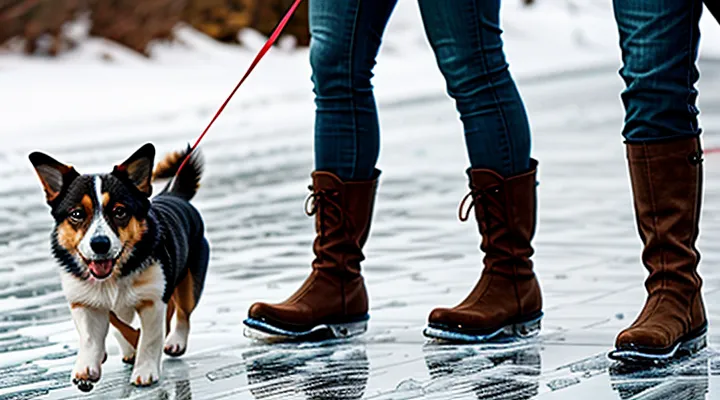
Understanding the Fear
Why Dogs Fear Ice
Past Traumatic Experiences
When a dog hesitates on frozen terrain, the underlying cause is often a prior negative encounter with slippery surfaces. A traumatic slip, a fall that resulted in injury, or a sudden loss of footing can create a lasting association between ice and danger. The memory persists as heightened vigilance, muscle tension, and avoidance behavior, which manifest as refusal to step onto the slick ground.
Addressing this fear requires a systematic, confidence‑building approach:
- Identify the specific incident that triggered the aversion. Recall the circumstances-location, weather, injury-to gauge the intensity of the trauma.
- Re‑expose the dog to a controlled, non‑slippery environment first. Practice steady walking on firm, dry ground while reinforcing calm behavior with high‑value treats and praise.
- Introduce a mildly slippery surface, such as a short stretch of packed snow, before progressing to true ice. Use a leash for gentle guidance, keeping tension low to avoid pulling.
- Apply a secure, non‑slipping harness or a traction‑enhancing boot. These devices provide physical stability and signal safety to the animal.
- Conduct short, frequent sessions-no longer than a few minutes-gradually increasing distance as confidence improves. End each session on a positive note to cement the experience.
- Monitor for signs of stress: rapid panting, tail tucking, or freezing. If any appear, pause, retreat to a firm surface, and resume later at a lower intensity.
- Consider professional assistance if the fear remains entrenched after several weeks. A certified behaviorist can employ desensitization and counter‑conditioning techniques tailored to the dog's history.
By acknowledging the original trauma and systematically rebuilding trust through incremental exposure, the dog learns to reinterpret icy ground as manageable rather than threatening. Consistency, patience, and the use of supportive equipment are essential components of successful rehabilitation.
Lack of Exposure
Dogs that hesitate on frozen ground often lack prior experience with slippery terrain. Without familiarity, the animal perceives the surface as unpredictable, triggering avoidance behavior. The primary remedy is systematic exposure that builds confidence while minimizing risk.
Begin by selecting a safe, flat area with a thin layer of ice. Attach a well‑fitted harness and a short leash to maintain control without restricting movement. Allow the dog to approach the edge at its own pace; do not force forward motion. Reward each forward step with a treat or brief verbal praise. Repeat the sequence several times a day, gradually increasing the length of the icy segment.
Key elements of the exposure protocol:
- Controlled environment - choose a low‑traffic spot, clear of obstacles, and keep the temperature stable to prevent sudden changes in surface hardness.
- Short sessions - limit each exposure to 5‑10 minutes to avoid fatigue and stress.
- Positive reinforcement - deliver a high‑value reward immediately after any forward movement, reinforcing the desired behavior.
- Progressive distance - extend the icy stretch by a few feet only after the dog reliably walks the current length without hesitation.
- Safety gear - consider dog booties with non‑slip soles if paw protection is needed, but ensure the dog is accustomed to wearing them beforehand.
If the dog shows signs of panic-excessive whining, freezing, or attempts to retreat-pause the session and resume only after calm is restored. Incorporate brief warm‑up walks on dry ground before each icy exposure to reduce overall anxiety. Over weeks, the dog develops a mental map of the slippery surface, learns how to adjust stride, and gains the confidence to navigate ice independently.
Consistent, patient implementation of this exposure plan eliminates the fear rooted in unfamiliarity and equips the dog with the skills necessary for safe movement on frozen pathways.
Physical Discomfort
As a veterinary behavior specialist, I observe that a dog’s reluctance to step onto frozen ground often stems from physical discomfort. Cold temperatures can reduce circulation in the paw pads, making the surface feel painful. Ice also creates a slick layer that increases the risk of slips, placing additional strain on joints and muscles. When discomfort reaches a threshold, the animal associates the environment with pain and avoids it.
To mitigate these sensations and encourage confident movement, consider the following measures:
- Apply a protective layer such as canine booties or silicone-coated paw wax to insulate pads from extreme cold and improve traction.
- Inspect the paws before each outing; remove ice crystals, trim excess fur, and check for cracks or abrasions that could be aggravated by the frozen surface.
- Warm the paws gently after the walk with a towel or a low‑temperature heating pad; avoid direct heat that could cause burns.
- Shorten the duration of exposure by planning brief, frequent walks rather than a single long session, allowing the dog’s circulation to recover between intervals.
- Choose routes with natural traction-snow‑covered paths, packed gravel, or treated sidewalks-rather than bare ice, reducing the likelihood of slipping.
- Gradually desensitize the dog by introducing a small, non‑slippery mat on the icy area; reward steady steps to build a positive association with the surface.
Monitoring the dog’s gait during and after each walk reveals whether the interventions are effective. Persistent limping, swelling, or vocalization indicates that the physical discomfort remains unaddressed and warrants veterinary examination. By systematically reducing temperature‑induced pain and improving footing, the dog’s fear of icy terrain can be alleviated.
Instinctual Caution
As a canine behavior specialist, I observe that a dog's hesitation on slick terrain stems from an innate protective response. This instinctual caution alerts the animal to potential loss of traction and injury, prompting it to pause or refuse movement. Recognizing this built‑in warning system is the first step in guiding the dog safely across frozen surfaces.
To work with this natural wariness, apply the following measures:
- Attach a short, secure leash to maintain control without restricting the dog's ability to adjust its footing.
- Choose a surface with minimal ice, such as a cleared sidewalk or a path treated with sand or salt, to reduce slip risk.
- Provide a non‑slip boot or paw protection if the dog tolerates it; this adds tactile feedback and improves grip.
- Walk at a measured pace, allowing the dog to place each paw deliberately; avoid sudden accelerations that could trigger panic.
- Offer verbal reassurance in a calm tone, reinforcing confidence without overwhelming the animal's sensory perception.
- Reward successful steps with a brief treat or praise, strengthening the association between icy ground and positive outcomes.
If the dog continues to resist, consider postponing the outing until temperatures rise or a safer route becomes available. Gradual exposure, combined with consistent, low‑stress training, will eventually diminish the heightened caution and restore the dog's willingness to navigate cold, slippery environments.
Assessing the Situation
Identifying Fear Signs
Reluctance to Move
When a dog hesitates to step onto a frozen surface, the hesitation often stems from a lack of traction, fear of slipping, or previous negative experiences. Reduced confidence can trigger a freeze response, causing the animal to remain stationary despite a desire to continue the walk.
Addressing this reluctance requires a systematic approach:
- Assess the environment. Verify that the ice is thin enough to support the dog’s weight and that the surrounding area is free of hazards such as sharp edges or hidden cracks.
- Equip the dog with appropriate footwear. Non‑slip booties with rubber soles increase grip and provide a tactile cue that the surface is safe.
- Introduce gradual exposure. Begin with short, controlled steps on a small icy patch, rewarding each successful movement with a treat or verbal praise.
- Use a secure harness and short leash. The handler can gently guide the dog forward, preventing sudden pulls that could exacerbate fear.
- Apply a high‑traction surface. Lay a thin rubber mat, carpet tile, or sandpaper strip across the ice to create a temporary stable path.
- Monitor body language. Signs of tension-stiff posture, tail tucked, ears back-indicate persistent anxiety; pause and reassess before proceeding.
If the dog continues to refuse movement despite these measures, consult a veterinary behaviorist. Underlying medical conditions such as arthritis or joint pain can amplify fear of slipping and may require treatment before the dog can safely navigate icy terrain.
Whining or Crying
When a dog encounters a frozen pathway, whining or crying often signals acute anxiety. The vocalization reflects a combination of sensory overload and anticipation of loss of traction, which can trigger a stress response. Recognizing this cue early prevents escalation and protects the animal from injury.
To address vocal distress on icy terrain, follow these precise actions:
- Assess the environment. Verify the thickness of the ice, the presence of slippery patches, and the temperature. Remove any hazards that could exacerbate fear.
- Provide secure footing. Equip the dog with non‑slip booties or a traction‑enhancing harness. Ensure the gear fits snugly and does not cause additional discomfort.
- Introduce the surface gradually. Begin with a short, controlled step onto a less slippery section. Reward the dog immediately with a treat or calm verbal affirmation.
- Maintain a steady, confident pace. Walk at a consistent speed, avoiding sudden stops or turns that could destabilize the dog.
- Use positive reinforcement. Pair each successful stride with a high‑value reward. This creates an association between the icy surface and a pleasant outcome.
- Offer a safe retreat. Keep a clear, warm area nearby where the dog can pause without feeling trapped.
- Monitor physiological signs. Elevated heart rate, trembling, or excessive panting may indicate heightened stress; consider shortening the exposure or consulting a veterinarian.
Consistent application of these measures reduces vocal expressions of fear and builds the dog’s confidence on slippery ground. Regular practice under controlled conditions leads to habituation, allowing the animal to navigate icy surfaces with minimal distress.
Trembling
Trembling is a common physiological response when a dog encounters cold, slippery surfaces. The muscles react to reduced traction, while the nervous system signals discomfort and fear, resulting in visible shivering. Recognizing trembling as an early warning sign prevents escalation to panic or injury.
Assess the dog’s condition before proceeding. Observe the intensity of the shake, check for signs of hypothermia (cold ears, lethargy), and note the environment (temperature, ice thickness). If trembling is mild and the dog appears otherwise healthy, gradual exposure can be attempted; severe shivering or additional symptoms require immediate shelter and warming.
Effective measures to reduce trembling while acclimating a dog to icy terrain:
- Fit a non‑slip boot or paw protectors to improve traction and provide thermal insulation.
- Apply a thin layer of dog‑safe paw balm to prevent cracking and maintain moisture balance.
- Use a short, secure leash to guide the dog gently, allowing controlled steps without pulling.
- Introduce a warm, textured rug or mat at the entry point; let the dog step onto it repeatedly to build confidence.
- Offer a high‑energy treat after each successful step to reinforce positive behavior.
- Limit exposure to brief intervals (30‑60 seconds), gradually increasing duration as the dog’s confidence grows.
If trembling persists despite these interventions, consult a veterinarian to rule out underlying medical issues such as arthritis or thyroid dysfunction. Continuous monitoring and incremental training will help the dog overcome fear and navigate icy surfaces safely.
Pulling Back
When a dog hesitates or retreats from a slippery surface, the primary goal is to reduce anxiety while maintaining control. The expert approach focuses on three coordinated actions: establishing a secure grip, encouraging forward movement, and reinforcing confidence.
First, secure a gentle yet firm hold on the leash. Position the hand low on the collar or harness to prevent the dog from pulling backward. A low grip distributes pressure evenly and discourages the instinct to retreat without causing discomfort.
Second, use a short, controlled leash length. A short leash limits the distance the dog can pull back, allowing the handler to guide the animal step by step. Keep the leash taut enough to signal direction but loose enough to avoid tension that could increase fear.
Third, apply positive reinforcement at each successful step. Offer a treat, verbal praise, or a brief petting session immediately after the dog places a paw on the ice. Consistent rewards create an association between the icy surface and a pleasant outcome, reducing the tendency to pull away.
Practical sequence:
- Approach the icy area with the dog on a short leash.
- Position the hand low on the collar/harness; maintain a steady, light tension.
- Encourage a single step forward; reward instantly.
- Repeat the step‑reward cycle, gradually increasing the distance.
- If the dog pulls back, pause, release tension, and allow a brief reset before resuming the sequence.
By keeping the leash short, the handler limits backward movement, while low‑hand grip and immediate reinforcement guide the dog toward confident walking on ice. Consistent application of these techniques eliminates the habit of retreating and builds reliable, calm behavior on slippery terrain.
Solutions and Training Strategies
Creating a Safe Environment
Non-Slip Footwear for Dogs
Non‑slip footwear provides a practical solution for dogs that hesitate to step onto frozen ground. The added traction reduces the risk of slipping, which in turn lowers anxiety and encourages forward movement.
Selecting appropriate boots involves three criteria. First, the sole must contain a silicone or rubber pattern designed to grip ice. Second, the cuff should wrap securely around the paw without constricting blood flow. Third, the material should be waterproof to keep the foot dry and warm.
Fit is critical. Measure the dog’s paw width and length, then compare with the manufacturer’s size chart. A proper fit allows the dog to place its weight on the sole without feeling the edges. Adjustable straps or Velcro closures simplify fine‑tuning after initial placement.
Introducing the boots should follow a gradual acclimation process. Begin by allowing the dog to sniff and explore the footwear indoors. Next, place the boots on for a few minutes while offering treats. Increase the duration each session until the dog tolerates the boots for a full walk.
Maintenance ensures continued performance. After each outing, rinse the soles to remove salt and debris, then air‑dry. Inspect the tread for wear; replace the pair when the grip pattern becomes smooth.
Key advantages of non‑slip footwear include:
- Immediate improvement in traction on icy surfaces.
- Protection of paw pads from cold and abrasive ice.
- Reduction of stress‑related behaviors caused by fear of slipping.
When combined with positive reinforcement and gradual exposure, non‑slip boots enable dogs to navigate winter conditions safely and confidently.
Designated Walking Paths
Designated walking paths provide a predictable, non‑slippery surface that reduces anxiety for dogs hesitant to step onto ice. By confining movement to these routes, owners can control footing, temperature, and exposure to hazardous patches.
When selecting a path, verify that the surface is treated with sand, grit, or a non‑melting polymer. These additives increase traction without creating a slick film. Ensure the route is free of standing water, which can refreeze into hidden hazards. Regularly inspect the path for cracks or debris that could undermine stability.
Preparation steps for the walk:
- Attach a secure, well‑fitted harness; it offers control without restricting natural gait.
- Fit the dog’s paws with protective booties or apply a paw‑protectant balm to guard against cold and abrasion.
- Begin with a short, calm stroll on the designated route; observe the dog’s reaction before extending distance.
- Use a steady, reassuring voice and consistent pace to reinforce confidence.
- Reward progress with treats or praise immediately after each confident step.
If the dog shows signs of hesitation, pause on a solid, non‑icy segment of the path. Allow the animal to sniff and settle before encouraging forward movement. Gradual exposure, combined with the reliable traction of a designated path, transforms fear into familiarity, enabling safe winter outings.
Shortening Walks
When a canine shows reluctance to step onto slick, frozen ground, reducing the duration of outdoor exposure can prevent panic and reinforce confidence. Shorter outings limit the time the animal spends confronting an uncomfortable stimulus, decreasing stress hormones and allowing gradual acclimation.
Limiting walk length serves several purposes. It prevents exhaustion that can amplify fear, provides more frequent opportunities for positive reinforcement, and creates manageable intervals for assessing the dog’s reaction to icy patches. By keeping sessions brief, owners can intervene promptly if the dog becomes overly anxious.
- Begin with a five‑minute stroll on a safe, cleared path; avoid areas with deep ice.
- Use a secure, non‑slip harness and a short leash to maintain control.
- Offer treats and calm verbal cues each time the dog places a paw on a slippery segment.
- After the brief walk, return indoors for a rest period of at least fifteen minutes before attempting another short session later in the day.
- Incrementally add one to two minutes to each outing only after the dog consistently shows calm behavior on the previous length.
Observe body language throughout each brief walk. Signs of tension-such as a lowered tail, trembling, or repeated attempts to retreat-indicate the need to further reduce duration or postpone the next attempt. Conversely, relaxed posture, steady gait, and willingness to explore suggest readiness for a modest increase in time.
Implementing concise walks, combined with consistent reassurance and controlled exposure, builds tolerance to icy surfaces without overwhelming the animal. Over weeks, the dog typically develops enough comfort to handle longer routes safely.
Behavioral Modification Techniques
Positive Reinforcement
When a canine hesitates on frozen ground, the most reliable method to build confidence is to pair each successful step with a reward that the animal finds highly motivating. This approach leverages the principles of positive reinforcement, encouraging the dog to repeat the desired behavior without fear.
Begin by selecting a treat or toy that the dog values above all else. Place the reward within sight but out of reach, then encourage the dog to move a short distance toward it. As soon as the paw contacts the ice, deliver the reward immediately. The rapid association between the action and the pleasant outcome strengthens the willingness to step forward.
Key actions for implementation:
- Assess the surface - Choose a safe, low‑risk area of ice to start, preferably a small patch with minimal slip potential.
- Create a cue - Use a distinct word such as “step” or a hand signal to signal the intended movement.
- Reward instantly - Offer the chosen incentive the moment the dog places a paw on the icy spot.
- Gradually extend distance - Increase the length of each ice segment in small increments once the dog consistently accepts the previous length.
- Maintain consistency - Conduct brief sessions several times daily, keeping the environment calm to avoid additional stress.
If the dog shows hesitation, pause and retreat to a non‑slippery surface, then re‑introduce the cue with a higher‑value reward. Repeating this pattern reduces anxiety by replacing uncertainty with predictable, positive outcomes.
Over time, the dog learns that ice does not threaten safety; instead, it becomes a context where rewarding experiences occur. The result is a confident animal that navigates frozen terrain without avoidance, achieved solely through systematic positive reinforcement.
Desensitization and Counter-Conditioning
As a certified canine behavior specialist, I recommend a systematic desensitization and counter‑conditioning program to address a dog’s hesitation on frozen ground.
Begin with a controlled exposure schedule. Identify a safe indoor area where a thin sheet of artificial ice can be placed. Keep the surface temperature modest to prevent slipping. Allow the dog to approach the sheet at a distance where anxiety signs are minimal. Reward calm behavior with high‑value treats and enthusiastic praise. Gradually decrease the distance in 5‑meter increments, maintaining the reward for relaxed posture and forward movement. Continue sessions for 5-10 minutes, several times daily, until the dog reliably steps onto the sheet without signs of stress.
Introduce real ice once the indoor stage is mastered. Select a short, flat stretch of pavement that has been cleared of hazards. Apply a non‑slip coating (e.g., rubber mats) to create a stable footing. Follow the same distance‑reduction steps, pairing each successful step onto the icy surface with a preferred treat and verbal affirmation. If the dog shows signs of fear, pause the progression and return to the previous distance where confidence was observed.
Key elements of the protocol:
- Consistency: Conduct brief sessions at the same times each day.
- Positive reinforcement: Use treats that the dog values more than the fear stimulus.
- Gradual increase: Do not rush the distance or duration; progress only when the dog remains relaxed.
- Safety measures: Ensure footing is secure; use a leash for guidance without pulling.
Monitor physiological cues such as tail position, ear posture, and breathing rate. When the dog consistently walks across the ice without tension, integrate the skill into regular walks, gradually extending the length of icy segments. This structured approach reshapes the dog’s emotional response, replacing dread with anticipation of reward.
Leash Training on Ice
Leash training on ice requires a clear, step‑by‑step approach that builds confidence while maintaining control. Begin by selecting a short, sturdy leash and a well‑fitted harness; a collar can slip under slippery conditions and increase risk of injury. Attach a lightweight, low‑profile slip lead to reduce tension on the dog’s neck.
First, acclimate the dog to the leash indoors. Practice short, steady pulls and releases, rewarding calm behavior with a brief verbal cue and a treat. This establishes the command‑response pattern before exposure to the hazardous surface.
Next, introduce a non‑slippery training area-such as a rubber mat or compacted snow-outside the home. Walk a few steps, keeping the leash slack enough to let the dog step forward without feeling restrained, yet short enough to prevent sudden lunges. Use a consistent command like “steady” or “forward” to signal movement. If the dog hesitates, pause, lower the pace, and offer a treat at the front of the leash to encourage forward motion.
When the dog tolerates the mat, transition to a real icy patch. Follow these precise actions:
- Assess the surface - test a small area for traction; avoid black ice that offers no grip.
- Shorten the leash - keep it just long enough for natural stride, preventing the dog from slipping too far ahead.
- Maintain a low, stable stance - keep your own weight centered, knees slightly bent, to act as a stable anchor.
- Use a firm, calm voice - issue the chosen cue and reinforce with a treat placed just beyond the dog’s nose.
- Pause at each hesitation - allow the dog to sniff, then gently guide with a slight tug and release once the foot lands securely.
- Gradually extend distance - increase the length of the icy segment only after the dog completes several confident steps without slipping.
Throughout the session, monitor the dog’s body language. Tense muscles, rapid panting, or a tucked tail indicate heightened anxiety; in such cases, retreat to a safer surface and resume training after a brief rest.
Finally, reinforce the learned behavior on subsequent walks. Consistency across multiple icy encounters solidifies the leash‑control pattern and reduces fear over time. Regular practice, combined with appropriate equipment and measured guidance, enables a dog to navigate slippery terrain safely and confidently.
Addressing Physical Concerns
Paw Protection
When a dog hesitates to step onto frozen ground, the most immediate concern is the condition of its paws. Protective measures reduce pain, prevent injury, and build confidence.
Select appropriate footwear. Booties made of waterproof, insulated material provide traction and shield pads from sharp ice. Ensure a snug fit to avoid slipping and check for wear after each outing.
Apply a barrier before exposure. A thin layer of veterinary‑grade paw balm or petroleum‑based ointment creates a waterproof seal, preserving the skin’s natural oils and reducing cracking. Reapply every few hours if the dog remains outdoors for extended periods.
Trim nails regularly. Short nails lessen the risk of slipping and reduce pressure on the paw pads when the surface is uneven.
Practice on safe terrain. Begin with short walks on mildly slippery surfaces while the dog wears booties or a balm. Gradually increase distance as confidence grows.
After each walk, inspect paws for redness, cuts, or lodged debris. Clean with warm water and a mild antiseptic solution, then dry thoroughly. Apply a soothing moisturizer to restore moisture balance.
Maintain a regular grooming schedule that includes occasional paw massage. Gentle strokes increase blood flow, promoting faster recovery from cold‑induced stiffness.
By combining proper equipment, protective ointments, routine care, and progressive exposure, owners can effectively manage a dog’s fear of icy paths while safeguarding its paws.
Regular Nail Trims
Regular nail maintenance is a critical factor when a dog hesitates to step on frozen ground. Overgrown claws act like small wedges, reducing the surface area that contacts the ice and increasing the likelihood of slipping. Trimming nails to an appropriate length restores a flat, stable footpad, allowing the dog to place weight more evenly and improve grip.
Shorter nails also prevent accidental punctures of thin ice layers. When claws are long, they can catch on cracks, pulling the paw forward and causing loss of balance. A clean, trimmed claw reduces the force transferred to the ice, minimizing the risk of breaking through.
Consistent trimming schedule supports confidence. Dogs that experience fewer slips are less likely to develop anxiety about icy conditions. Maintaining a routine-every three to four weeks for most breeds-keeps nails at optimal length and reinforces a predictable grooming experience.
Key points for safe nail care in winter:
- Use a sharp, high‑quality clipper to make clean cuts.
- Trim only the tip; avoid cutting into the quick, which can cause pain and bleeding.
- File edges to smooth sharp points that could catch on ice.
- Observe the dog's reaction; a calm demeanor during trimming translates to reduced stress on slippery walks.
- Pair nail trims with brief, positive exposure to cold surfaces, gradually increasing duration.
By integrating regular nail trims into the winter care regimen, owners provide their dogs with better traction, lower injury risk, and increased willingness to navigate icy pathways.
Consulting a Veterinarian
When a dog hesitates or refuses to step onto frozen pavement, the first professional step is to seek veterinary advice. A veterinarian can determine whether the fear stems from pain, joint stiffness, or an underlying health condition that makes cold surfaces uncomfortable.
During the appointment, the clinician will:
- Conduct a physical examination focused on joints, muscles, and paws.
- Assess for signs of arthritis, hypothermia susceptibility, or nerve sensitivity.
- Review the dog’s vaccination and medication history to rule out systemic issues.
- Discuss the dog’s behavior patterns and previous exposures to cold environments.
If a medical cause is identified, the vet may prescribe anti‑inflammatory medication, joint supplements, or topical protectants to reduce discomfort. For dogs whose fear is primarily behavioral, the veterinarian can refer the owner to a certified animal behaviorist or recommend a structured desensitization program. Professional guidance often includes:
- Gradual exposure to cooler surfaces while rewarding calm behavior.
- Use of protective booties or paw wax to shield the pads from ice and salt.
- Adjusted walking schedules to avoid the coldest times of day.
The veterinarian also provides recommendations on nutrition, weight management, and home care that support overall resilience to low temperatures. By obtaining a clear medical assessment and a tailored plan, owners can safely increase their dog’s confidence on icy terrain while preventing injury or stress.
Advanced Tips
Maintaining Consistency
As a certified canine behavior specialist, I emphasize that reliable progress hinges on a uniform approach. When a dog hesitates on frozen ground, every interaction must follow the same pattern to reduce uncertainty and build confidence.
Consistent cues are the foundation. Use a single verbal command-such as “steady”-paired with the same hand signal each time you encounter ice. Repeating the exact phrase and gesture eliminates ambiguity, allowing the dog to associate the cue with a safe outcome.
Reinforcement must follow a predictable schedule. Deliver treats, praise, or a brief play session immediately after each successful step on the slippery surface. Apply the reward within the same interval-no longer than two seconds-to strengthen the connection between the behavior and the positive consequence.
Gradual exposure under identical conditions accelerates adaptation. Follow these steps:
- Identify a short, level stretch of ice that the dog can see but not yet touch.
- Position yourself at the starting point, maintain eye contact, and issue the chosen cue.
- Encourage the dog to place a single paw on the ice; if it complies, reward instantly.
- Return to the starting point, repeat the cue, and increase the distance by one foot per successful trial.
- Keep the session length consistent-five to ten minutes-preventing fatigue and frustration.
Environmental consistency also matters. Dress the dog in the same protective gear (booties, coat) for each session, and walk on similar terrain (flat, uniformly icy). Variations in equipment or surface texture can reintroduce fear, undermining the training curve.
Documentation supports uniformity. Record the cue used, reward type, distance covered, and any signs of stress after each session. Review the log weekly to confirm that parameters remain unchanged and to adjust only when the data indicate genuine progress.
By maintaining a rigid structure-identical cues, steady reinforcement timing, incremental exposure, and unvarying equipment-the dog learns that icy surfaces are predictable and manageable. Consistency eliminates confusion, enabling the animal to replace fear with confidence.
Professional Help
When a canine shows marked hesitation or refusal to step onto frozen ground, owners should consider enlisting qualified assistance. A veterinarian can first rule out medical causes such as joint pain, arthritis, or sensory deficits that may amplify fear of slick surfaces. If physical health is confirmed, a certified canine behaviorist can assess the dog's anxiety triggers and design a gradual desensitization program tailored to the animal’s temperament.
Professional trainers with experience in cold‑weather conditioning can introduce controlled exposure exercises, using safe, non‑slippery mats and positive reinforcement to build confidence. They may also teach owners specific cueing techniques that signal safety and encourage forward movement without force.
When selecting a specialist, verify credentials: a DVM for health checks, a BCABPB‑certified behaviorist for behavioral plans, and a CPDT‑certified trainer for practical conditioning. Initial consultations typically involve observation of the dog’s response to a brief icy simulation, discussion of the dog's history, and a written outline of recommended steps.
Key elements of a professional intervention include:
- Comprehensive health evaluation to eliminate pain‑related avoidance.
- Behavioral assessment to identify fear intensity and underlying patterns.
- Structured exposure schedule, beginning with short, secure surfaces and progressively increasing length.
- Consistent use of high‑value rewards to associate the icy terrain with positive outcomes.
- Owner training on cue timing, body language, and safety measures to prevent slips.
Regular follow‑up appointments allow the professional to adjust the program based on progress, ensuring the dog develops reliable mobility on frozen ground without lingering distress.
Patience and Understanding
Patience and understanding are the cornerstones of helping a dog overcome fear of slippery terrain. A dog that hesitates on ice signals discomfort; rushing the process only reinforces anxiety.
Patience means allowing the animal to set its own pace. Begin with short, controlled exposures on a mildly slick surface, gradually increasing distance as confidence builds. Consistent, low‑stress sessions prevent the perception of a threat and give the dog time to adapt to the altered footing.
Understanding requires close observation of the dog’s signals. Ears back, tail tucked, or a hesitant gait indicate uncertainty. Adjust the pace, reduce the incline, or provide a secure footing (e.g., a short leash, a textured mat) until the dog shows signs of relaxation. Recognizing these cues prevents escalation of fear.
Practical steps:
- Choose a calm, low‑traffic area with minimal ice thickness.
- Attach a short, non‑restrictive leash for gentle guidance.
- Encourage forward movement with a calm voice and a treat placed a few inches ahead.
- Pause if the dog freezes; wait for a tentative step before proceeding.
- Increase the length of each session by a few seconds only after the dog completes the previous distance without signs of distress.
- Celebrate each successful step with praise and a reward, reinforcing positive association with the surface.
By maintaining a steady rhythm and interpreting the dog’s body language, the owner creates a secure environment where the animal can gradually accept icy conditions without trauma.