
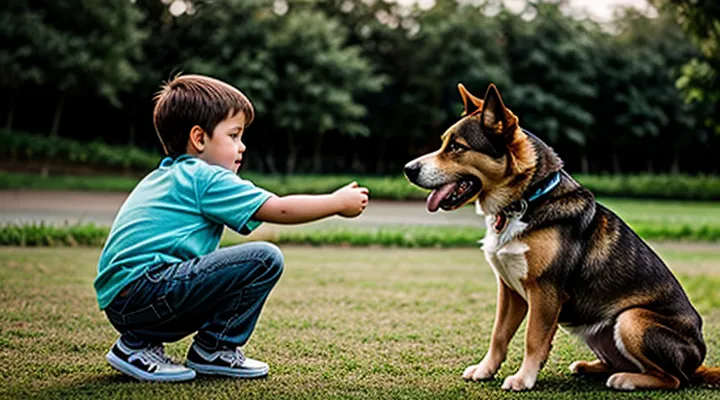
Introduction
Understanding Canine Aggression Towards Children
Types of Aggression
When a dog exhibits hostile behavior toward children, identifying the underlying form of aggression is the first step in developing an effective response plan.
-
Fear‑based aggression - the animal perceives a child’s sudden movements, loud voices, or unfamiliar handling as a threat and reacts defensively. Typical signs include stiff posture, growling, and a rapid retreat followed by a snap or bite.
-
Resource guarding - the dog protects food, toys, a resting area, or a favored person. A child approaching the guarded item may trigger a warning bark, lunging, or a bite aimed at preserving the resource.
-
Territorial aggression - the animal defends a defined space such as the home entrance, yard, or a specific room. Intrusion by a child can provoke a low, rumbling growl and a forward thrust intended to drive the intruder away.
-
Redirected aggression - the dog reacts to a stimulus outside the child’s presence (e.g., another animal) but transfers the response toward the nearest person, often a child. This pattern produces sudden, inexplicable attacks without prior warning.
-
Maternal or protective aggression - a dog with puppies or a strong bond to a particular family member may view a child’s approach as a danger to its offspring or protector. The response includes intense staring, raised hackles, and a rapid charge.
Understanding these categories enables owners, caregivers, and professionals to tailor interventions-such as desensitization, environmental management, and behavior modification-directly to the aggression’s source, thereby reducing risk and promoting safer interactions between dogs and children.
Common Triggers
Understanding the situations that provoke a dog to act aggressively toward children is essential for preventing incidents. Recognizing these triggers allows caregivers to intervene before tension escalates.
Dogs often react when they perceive a threat to their resources. Food, toys, or a favored resting spot can become flashpoints if a child attempts to take or disturb them. The dog may bark, growl, or snap to defend the item.
Physical contact that is uncomfortable or unexpected can also set off aggression. Rough handling, pulling on ears or tail, and sudden restraint may cause the animal to feel trapped. A quick, defensive response is common in these circumstances.
Fearful or unfamiliar environments increase stress levels. Loud noises, crowded spaces, or sudden movements can overwhelm a dog, leading to a fight‑or‑flight response directed at the nearest child.
Pain is a powerful motivator for hostile behavior. Injuries, arthritis, or medical conditions that cause discomfort may make a dog hypersensitive to touch, especially around the affected area. Even gentle pats can be misinterpreted as pain.
Territorial instincts are activated when a child enters a space the dog considers private, such as a bedroom or a fenced yard. The dog may display warning signals-stiff posture, fixed stare, low growl-before escalating to aggression.
To mitigate these risks, adults should:
- Supervise all interactions between dogs and children.
- Teach children to ask permission before approaching a dog’s food, toys, or resting place.
- Instruct children to avoid sudden grabs, pulls, or rough play.
- Provide the dog with a quiet, safe area where it can retreat without disturbance.
- Monitor the dog for signs of pain or discomfort and seek veterinary care when needed.
- Gradually acclimate the dog to new environments and noises, using positive reinforcement to build confidence.
By identifying and managing these common triggers, caregivers can create a safer coexistence between dogs and young family members.
Recognizing Warning Signs
As a certified canine behavior specialist, I stress that early detection of aggression toward children prevents escalation. Observing a dog’s body language provides the most reliable clues.
- Stiffened posture, weight shifted forward, tail held high or rigid.
- Direct, prolonged stare at the child without blinking.
- Ears pinned back or forward, indicating heightened alertness.
- Growling, low snarls, or whimpering that intensifies when a child approaches.
- Teeth exposed partially or fully, even without a bite attempt.
- Rapid panting or trembling, signaling stress that can trigger aggression.
- Lunging or sudden forward movement, especially if the dog blocks the child’s path.
- Withdrawal into a corner or under furniture combined with growling, showing defensive aggression.
Each of these signals warrants immediate intervention. Remove the child from the dog’s vicinity, secure the animal in a safe enclosure, and contact a qualified trainer or veterinary behaviorist without delay. Document the observed signs to facilitate accurate assessment and tailored behavior modification plans. Prompt action based on these indicators reduces the risk of injury and supports the dog’s long‑term adjustment.
Immediate Actions During an Aggressive Incident
Ensuring Safety
Separating Dog and Child
When a dog displays aggression toward a child, the first priority is to create a physical barrier that removes the child from the dog’s reach. Secure the child in a separate room, behind a closed door, or place the dog in a crate or gated area. Ensure the barrier is sturdy and cannot be breached by either party.
- Remove the child - lift the child calmly, keep a firm grip, and escort them to a safe space without turning your back on the dog.
- Contain the dog - use a leash, crate, or pet gate to isolate the animal. If the dog is not already confined, approach from the side, avoid direct eye contact, and attach a leash before moving it.
- Assess the situation - observe the dog’s body language for signs of escalation (raised hackles, stiff tail, growling). Record the trigger that led to aggression for later analysis.
- De‑escalate - lower your voice, avoid sudden movements, and give the dog a quiet command such as “settle” or “down.” Do not punish; focus on reducing arousal.
- Seek professional help - contact a certified canine behaviorist or veterinarian within 24 hours to develop a behavior modification plan.
- Implement preventive measures - install child‑proof gates, keep the dog’s food and toys out of the child’s reach, and supervise all interactions until the dog’s behavior is reliably stable.
After the immediate risk is neutralized, monitor both the child and the dog for signs of stress. Reinforce positive, calm behavior with rewards, and maintain consistent supervision to prevent recurrence.
Assessing Injuries
When a child is bitten or otherwise harmed by an aggressive dog, rapid evaluation of injuries determines the need for emergency care and guides subsequent treatment. The assessor must prioritize life‑threatening conditions, then address tissue damage, infection risk, and functional impairment.
- Perform a systematic visual inspection. Note lacerations, puncture marks, bruising, swelling, and any exposed bone or tendon.
- Apply gentle pressure to assess bleeding. Persistent arterial bleeding requires immediate pressure and emergency transport.
- Evaluate depth of wounds. Use a sterile probe to explore puncture sites; deep punctures may have introduced bacteria or damaged underlying structures.
- Check for signs of nerve or vascular injury: loss of sensation, weakness, pale or cool skin, and abnormal capillary refill.
- Observe the child’s behavior for pain indicators that may not be obvious externally, such as grimacing, guarding, or reluctance to move a limb.
- Measure vital signs-pulse, respiratory rate, blood pressure-especially if the child appears distressed, to detect shock or systemic response.
- Record the incident details: time of injury, dog’s size and breed, location of bite, and any pre‑existing medical conditions of the child.
- Initiate wound care if professional medical help is not immediately available: irrigate with sterile saline, apply a clean dressing, and avoid closing deep puncture wounds to allow drainage.
- Arrange prompt veterinary consultation for the dog to verify rabies vaccination status and assess the animal’s health, which influences post‑exposure prophylaxis decisions.
- Seek medical evaluation for the child regardless of wound size. Even minor bites can lead to infection, tetanus, or rabies exposure; a clinician will decide on antibiotics, tetanus update, and rabies prophylaxis.
A disciplined, step‑by‑step assessment reduces complications, supports accurate documentation for legal or insurance purposes, and ensures the child receives appropriate medical intervention without delay.
Seeking Medical Attention
When a child is bitten or otherwise injured by an aggressive dog, prompt medical evaluation is essential. The first response should include applying pressure to any bleeding wound with a clean cloth and elevating the affected area to reduce blood flow. If the bleeding is uncontrolled, call emergency services immediately; severe hemorrhage can lead to rapid blood loss.
After stabilizing the situation, transport the child to the nearest urgent‑care facility or emergency department. Healthcare providers will clean the wound, assess depth and tissue damage, and determine the need for suturing, antibiotics, or tetanus prophylaxis. Documentation of the injury, including photographs and a written description, assists both medical treatment and any subsequent legal or insurance processes.
A dog bite carries a risk of bacterial infection, particularly from Pasteurella, Staphylococcus, and Streptococcus species. Empiric antibiotic therapy is often initiated pending culture results. Rabies exposure assessment follows local public‑health guidelines; if the animal’s vaccination status is unknown or the dog is stray, post‑exposure prophylaxis must be considered.
Follow‑up care includes wound re‑evaluation within 48-72 hours, monitoring for signs of infection such as increased redness, swelling, or fever. Parents should be instructed on proper wound dressing changes and signs that warrant immediate return to the clinic.
Psychological impact should not be overlooked. Children may experience trauma, anxiety, or fear of animals after an incident. Referral to a mental‑health professional experienced in pediatric trauma can mitigate long‑term emotional effects.
Finally, report the incident to local animal control or law‑enforcement agencies. Provide them with the medical report, details of the dog’s behavior, and any identifying information. This step ensures public safety and facilitates any necessary investigations or quarantine measures.
De-escalation Techniques
Remaining Calm
When a dog displays aggression toward a child, the first priority is the caregiver’s composure. A steady demeanor reduces the animal’s stress signals, prevents escalation, and creates a safer environment for the child.
Maintain a controlled breathing pattern. Inhale through the nose for four counts, exhale through the mouth for six. This simple rhythm lowers heart rate, signaling calm to both yourself and the dog.
Adopt a non‑threatening posture. Keep shoulders relaxed, arms close to the body, and avoid direct eye contact, which many dogs interpret as confrontation. Position yourself slightly sideways to the dog, presenting a less dominant silhouette.
Secure the child without sudden movements. Gently grasp the child’s hand, lift them away from the dog, and move toward a neutral area such as a hallway or a room with a closed door. Do not pull the child abruptly; smooth, deliberate motion prevents the dog from perceiving a chase.
If possible, issue a calm, low‑volume command such as “stay” or “quiet.” Consistent tone reinforces the expectation of restraint without adding excitement to the situation.
When the dog’s attention is redirected, call for assistance. Notify another adult, a neighbor, or professional animal control if the threat persists. Do not attempt to physically intervene unless you have specific training in canine behavior control.
Key actions to remain calm:
- Focus on slow, deep breaths.
- Align body sideways, avoid staring.
- Guide the child away with gentle, steady motions.
- Speak in a soft, consistent voice.
- Seek immediate help from a qualified authority.
By adhering to these steps, the caregiver minimizes risk, models appropriate behavior, and creates conditions for a measured response that can de‑escalate the confrontation.
Avoiding Punishment
When a dog reacts aggressively toward a child, immediate discipline that relies on physical or harsh verbal correction can increase fear and reinforce hostility. Punishment often escalates stress, making the animal more likely to repeat the dangerous behavior. Instead, focus on strategies that modify the dog’s response without inflicting pain or intimidation.
- Separate the dog and the child at the first sign of tension. Use a crate, baby gate, or another barrier to prevent contact while the situation cools.
- Identify triggers such as sudden movements, loud noises, or resource guarding. Record circumstances to pinpoint patterns.
- Apply positive reinforcement to reward calm behavior in the presence of the child. Offer treats, praise, or play when the dog remains relaxed.
- Teach the child appropriate interaction: gentle petting, avoidance of the dog’s food bowl, and respecting the animal’s space.
- Enroll the dog in a professional behavior program that uses reward‑based techniques. Certified trainers can re‑condition the animal’s response to the child’s presence.
- Implement consistent daily routines that reduce anxiety: regular exercise, mental enrichment, and predictable feeding times.
By eliminating punitive measures and replacing them with structured, reward‑oriented training, the risk of aggression diminishes while the dog learns safer ways to coexist with children. This approach preserves the animal’s confidence and fosters a trustworthy relationship between the dog, the child, and the household.
Long-Term Management and Prevention
Professional Help
Consulting a Veterinarian
Professional veterinary assessment is a cornerstone when a dog exhibits aggressive behavior toward children. A veterinarian can identify medical conditions, evaluate pain or neurological issues, and determine whether the aggression stems from fear, territoriality, or hormonal influences. Early detection of underlying health problems prevents escalation and informs safe management strategies.
When scheduling the appointment, provide the clinician with a detailed history: age, breed, vaccination record, recent changes in routine, specific incidents involving children, and any observable triggers. Bring the dog’s current diet, medication list, and any previous behavior reports. This information enables a focused examination and reduces diagnostic time.
During the visit, expect the veterinarian to perform:
- Physical examination to check for injuries, infections, or sensory deficits.
- Neurological assessment to rule out seizures, vestibular disorders, or brain lesions.
- Blood work and, if indicated, hormonal panels to detect endocrine imbalances such as thyroid dysfunction or adrenal issues.
- Behavioral observation, often in the presence of a child or a simulated scenario, to gauge the dog’s response to human interaction.
Based on findings, the veterinarian may recommend:
- Medical treatment for pain, inflammation, or hormonal disorders.
- Referral to a certified veterinary behaviorist for a comprehensive behavior modification plan.
- Prescription of short‑term anxiolytic or anti‑aggressive medication, administered under strict supervision.
- Adjustments to diet, exercise, or enrichment to reduce stress and improve overall well‑being.
Follow‑up appointments are critical. They allow the clinician to monitor medication efficacy, assess progress in behavior modification, and adjust the plan as the dog’s condition evolves. Document each session, noting changes in the dog’s demeanor around children, to provide objective data for future decisions.
In summary, consulting a veterinarian provides a systematic, evidence‑based approach to address canine aggression toward minors. It isolates medical contributors, informs safe intervention strategies, and establishes a collaborative framework for long‑term risk reduction.
Working with a Certified Dog Behaviorist
Working with a certified dog behaviorist is the most reliable method for addressing a dog that displays aggression toward children. A behaviorist brings scientific assessment tools, evidence‑based interventions, and a structured plan that eliminates guesswork.
The initial consultation includes a thorough history of the dog’s behavior, health records, and the specific incidents involving children. The specialist observes the dog in controlled interactions with the child, noting body language, triggers, and escalation patterns. This data forms the basis for a customized behavior modification program.
The program typically consists of three components:
- Desensitization and counter‑conditioning - systematic exposure to the child’s presence at a distance that does not provoke aggression, paired with high‑value rewards to create a positive association.
- Impulse control training - teaching the dog reliable commands such as “leave it,” “stay,” and “focus” to interrupt aggressive responses.
- Environmental management - adjusting the home layout, using barriers or crates, and establishing clear routines that reduce stressors for the dog.
Progress is measured weekly through objective metrics: frequency of aggressive signals, latency before a calm response, and success rate of command compliance during child interactions. The behaviorist adjusts the protocol based on these metrics, ensuring each step builds on measurable improvement.
Selecting a qualified professional requires verification of certification from a recognized organization (e.g., International Association of Animal Behavior Consultants or Certification Council for Professional Dog Trainers). The practitioner should provide references, a clear fee structure, and a written outline of the intervention plan.
Compliance from the family is essential. Parents must apply the prescribed training cues consistently, supervise all dog‑child encounters, and report any regression promptly. When the behaviorist’s plan is followed diligently, the risk of injury declines dramatically, and the dog learns to coexist safely with children.
Behavioral Modification Strategies
Desensitization and Counter-Conditioning
When a canine reacts aggressively toward children, the safest and most reliable method to modify that response is a systematic program of desensitization combined with counter‑conditioning. Both techniques rely on gradual exposure to the trigger at a level below the dog’s threshold for aggression, while simultaneously pairing the experience with a highly valued reward. Over repeated sessions the animal learns to associate the presence of children with positive outcomes rather than threat.
Desensitization begins by identifying the specific stimulus that provokes the aggressive reaction-such as sudden movements, loud voices, or proximity to a child’s hands. The trainer then presents the stimulus at a distance where the dog remains calm, delivering a treat or praise the moment the dog observes the trigger without reacting. The distance is reduced incrementally, typically by a few inches or centimeters per session, until the dog can tolerate a child’s normal behavior without signs of tension.
Counter‑conditioning runs in parallel. Each exposure to the trigger is immediately followed by a reward that exceeds the dog’s usual motivators. The reward must be delivered the instant the dog registers the stimulus, reinforcing the new association before any fear or frustration can develop.
Practical steps for implementation:
- Assess baseline behavior - record the distance at which the dog first shows signs of agitation (stiff body, growl, fixed stare).
- Set a starting point - position a child or a child‑like proxy (e.g., a stuffed figure) beyond that distance.
- Introduce a high‑value reward - use small, irresistible treats or a favorite toy, delivered the moment the dog looks at the proxy without reacting.
- Gradually close the gap - reduce the distance by no more than 10 % of the previous interval each day, maintaining a calm demeanor from the child.
- Monitor stress signals - if the dog exhibits any warning signs, increase the distance and resume slower progression.
- Increase complexity - once the dog tolerates a stationary child, add mild movement, vocalization, or playful interaction, always paired with the reward.
- Document progress - keep a log of distances, reward types, and behavioral responses to detect patterns and adjust the plan.
Safety precautions are non‑negotiable. A second adult should hold the child at a safe distance, ready to intervene if the dog shows escalation. The dog must remain on a leash or in a secure confinement area until the program demonstrates consistent calm behavior. Sessions should be brief (5-10 minutes) to prevent fatigue, which can undermine learning.
Common errors include advancing the exposure distance too quickly, using low‑value rewards, or allowing the dog to experience a full‑blown aggressive episode before the program is established. Such mistakes reinforce the unwanted response and can cause regression.
Consistency, patience, and precise measurement of the dog’s threshold are the pillars of success. When applied correctly, desensitization paired with counter‑conditioning transforms a potentially dangerous interaction into a predictable, calm coexistence between the dog and children.
Positive Reinforcement Training
Positive reinforcement training offers a practical, humane method for reducing canine aggression toward children. The approach relies on rewarding desirable behaviors while ignoring or redirecting unwanted actions, thereby shaping the dog’s responses through consistent, predictable outcomes.
Begin by identifying the specific triggers that provoke aggression-such as sudden movements, loud voices, or proximity to food. Observe the dog’s body language to pinpoint the earliest signs of tension: stiff posture, fixed stare, or low growls. Recording these cues creates a baseline for measurement and informs the timing of interventions.
Implement a structured reward system. Select high‑value treats that the dog finds irresistible and pair them with calm, gentle interactions with children. When the dog remains relaxed in the presence of a child, deliver the treat immediately and use a clear, consistent cue word such as “calm.” Repetition reinforces the association between the child’s presence and a positive outcome.
Gradual exposure builds tolerance. Follow a step‑by‑step progression:
- Distance exposure - Place the child at a safe distance while the dog is on a leash; reward calm behavior.
- Controlled approach - Reduce the gap by a few feet each session, maintaining the reward for relaxed posture.
- Interactive play - Allow the child to offer treats under adult supervision, encouraging gentle contact.
- Unsupervised tolerance - Once the dog reliably displays calm behavior, permit brief, supervised free time without treats, confirming the learned response persists.
Throughout training, avoid punitive measures. Punishment can heighten fear and exacerbate aggression, undermining progress. Instead, use “ignore” techniques when the dog exhibits low‑level tension: withdraw attention, stop the interaction, and resume only after the dog settles.
Consistency across all caregivers is essential. Ensure every adult involved follows the same reward cues, timing, and exposure schedule. Document each session’s outcomes to track improvement and adjust the program if progress stalls.
Finally, integrate regular mental and physical exercise. A well‑exercised dog exhibits lower baseline arousal, making it easier to maintain composure around children. Combine daily walks, puzzle toys, and brief training drills to keep the dog’s mind engaged.
By adhering to these principles-precise observation, systematic reinforcement, graduated exposure, and uniform application-positive reinforcement training can transform a potentially dangerous dynamic into a safe, cooperative relationship between the dog and the children it encounters.
Muzzle Training
When a dog displays aggression toward youngsters, immediate safety is the priority. A properly fitted muzzle offers a temporary barrier that protects children while you work on long‑term behavior modification.
First, select a muzzle designed for the dog’s size and breed. Flexible mesh or basket muzzles allow normal breathing, drinking, and panting; avoid cone‑type devices that restrict airflow. Measure the dog’s snout from the tip of the nose to the back of the head, then add a few centimeters for comfort.
Second, introduce the muzzle gradually. Follow a three‑phase approach:
- Acclimation - Place the muzzle on the floor near the dog’s feeding area. Reward the animal with high‑value treats each time it sniffs or touches the device.
- Positive association - Hold the muzzle loosely while offering treats. Allow the dog to insert its nose, then gently close the muzzle for a few seconds before releasing and rewarding. Increase the duration incrementally.
- Secure fit - Once the dog accepts the closed muzzle for several minutes, fasten it according to the manufacturer’s instructions. Continue rewarding throughout the session to reinforce the calm state.
Third, enforce consistent usage during any interaction with children. The muzzle should remain on the dog whenever it is in the same room as a child, during walks, or in public spaces where unpredictable triggers may arise. Supervision remains essential; never rely solely on the muzzle to prevent bites.
Fourth, combine muzzle training with behavior modification techniques. Implement controlled exposure to children under professional guidance, using desensitization and counter‑conditioning to reduce fear‑based aggression. Record progress and adjust the training plan as the dog’s response improves.
Finally, monitor the dog’s health while muzzled. Check for signs of stress, overheating, or difficulty breathing. Remove the muzzle for regular breaks, providing water and an opportunity to relax.
By selecting the correct device, building a positive relationship with the muzzle, and integrating it into a broader behavior program, you create a safe environment for children while addressing the underlying aggression.
Environmental Management
Creating Safe Spaces
As a certified animal behavior consultant, I focus on establishing environments that protect children while allowing the dog to feel secure. A well‑designed safe space reduces stress triggers and prevents escalation of aggressive responses.
The safe space must be physically distinct, easily accessible to the dog, and off‑limits to children. Choose a quiet corner, a closed room, or a sturdy crate. Line the area with familiar bedding and a favorite chew toy to encourage voluntary retreat. Ensure the entry point is low enough for the dog to enter without assistance but high enough to discourage a child from entering.
Key elements to implement:
- Barrier control: Install baby gates or pet‑proof doors that children cannot open. Verify that locks are child‑proof and that the barrier cannot be pushed over.
- Visual separation: Use curtains or a portable screen to block the dog’s line of sight from play areas. Visual isolation helps the animal remain calm when children are active nearby.
- Acoustic dampening: Place rugs, acoustic panels, or soft furnishings within the safe zone to lower ambient noise. Reduced sound levels prevent overstimulation.
- Positive association: Offer high‑value treats or a calm voice cue each time the dog enters the space. Consistent reinforcement builds a voluntary habit of retreat.
- Routine access: Maintain a predictable schedule for safe‑space use, such as after meals, during loud play, or when visitors arrive. Predictability lowers anxiety for both dog and family members.
Training the family is equally critical. Teach children to recognize the boundaries, never to approach the dog when it is inside the safe zone, and to respect the barrier at all times. Supervise initial interactions until the dog reliably uses the space without prompting.
If aggression persists despite these measures, consult a veterinary professional for a comprehensive behavior assessment. The safe space remains a core component of any intervention plan, providing the dog with a refuge while safeguarding children from potential harm.
Supervised Interactions
As a certified canine behavior specialist, I address situations where a dog exhibits aggression toward children by establishing controlled, supervised interactions. The primary goal is to prevent incidents while the dog learns to tolerate the presence of young people.
First, create a safe environment. Choose a neutral space where the dog feels neither threatened nor territorial. Keep the child seated or standing at a distance that the dog can observe without feeling pressured. Use a sturdy leash and a well‑fitted harness to maintain precise control.
Second, implement a structured interaction protocol:
- Pre‑session assessment - evaluate the dog’s body language, trigger history, and medical status; adjust the plan if pain or illness may influence behavior.
- Positive reinforcement - reward the dog for calm behavior with high‑value treats or praise; immediately cease reinforcement when tension arises.
- Gradual exposure - start with brief visual contact, then progress to passive proximity, and finally allow the child to offer a treat under strict supervision.
- Clear boundaries - prohibit the child from pulling ears, tails, or clothing; enforce a rule that the dog may retreat to a designated safe zone at any time.
- Post‑session debrief - record the dog’s reactions, note any escalation signs, and modify future sessions accordingly.
Third, involve all participants in the training process. Educate the child on appropriate behavior: calm voice, slow movements, and avoidance of direct eye contact. Instruct caregivers to remain vigilant, intervene at the first sign of tension, and never leave the dog and child unsupervised.
Finally, integrate professional support. Schedule regular consultations with a behaviorist to monitor progress, adjust techniques, and address underlying anxiety or fear. Consistent, supervised exposure combined with precise reinforcement reduces aggression risk and fosters a safer coexistence between the dog and children.
Leash and Crate Training
Leash and crate training are practical tools for reducing a dog’s aggressive reactions toward children and establishing predictable behavior in shared environments.
Effective leash training begins with a properly fitted harness that distributes pressure evenly, preventing the dog from pulling and allowing the handler to maintain control without causing discomfort. Introduce the harness in a calm setting, rewarding the dog with brief sessions of gentle walks. Progress to short, structured walks where the handler keeps the leash slack but ready to intervene at the first sign of tension. Use a consistent cue such as “steady” to signal the dog to pause, then reward compliance with praise or a treat. Practice turning, stopping, and walking past children while maintaining loose leash tension; repeat until the dog responds without lunging or growling.
Crate training provides a safe, enclosed space where the dog can retreat when overstimulated. Select a crate large enough for the dog to stand, turn, and lie down comfortably. Place the crate in a quiet area and make it inviting with a blanket and a chew‑safe toy. Begin by feeding meals inside the crate, gradually extending the duration the dog spends inside while the door remains open. Once the dog enters voluntarily, close the door for brief intervals, increasing the time incrementally. Ensure the crate is never used as punishment; it should remain a neutral, secure zone that the dog associates with calmness.
Integrating these methods with child interaction requires coordinated supervision. When children approach, keep the dog on a short leash and within sight of the crate. If the dog shows signs of tension-stiff body, fixed stare, low growl-immediately guide the dog to the crate or a designated safe zone. Teach children to respect the leash and avoid reaching over it; they should wait for the handler’s cue before attempting contact. Consistent application of leash and crate protocols reduces the likelihood of sudden aggression and creates a structured environment where the dog learns to anticipate and tolerate the presence of children.
- Fit a comfortable harness; reward calm walking.
- Use a clear cue (“steady”) to halt forward pressure.
- Practice leash work near children, maintaining slack.
- Choose an appropriately sized crate; make it inviting.
- Feed and gradually extend time inside the crate.
- Never punish the dog in the crate; keep it a calm space.
- Supervise all child‑dog encounters; keep the leash short.
- Redirect tension to the crate or safe zone immediately.
Education and Communication
Teaching Children About Dog Behavior
Teaching children to recognize canine signals reduces the likelihood of aggressive incidents. Children who can read a dog’s posture, facial expression, and vocalizations are better equipped to avoid situations that provoke fear or defensiveness in the animal.
Key signals children should learn:
- Stiff body, ears back, tail held high or rigid - indicates tension.
- Growling, snarling, or low‑pitched whine - warning of discomfort.
- Direct stare or fixed gaze - can be a challenge.
- Rapid panting, yawning, or turning away - signs of stress.
Effective instruction methods:
- Conduct short, supervised encounters where an adult points out each signal.
- Use role‑play scenarios: child approaches a stationary dog, observes body language, decides whether to proceed.
- Establish clear rules: no pulling ears or tail, no sudden movements, ask permission before petting.
- Reinforce learning with visual aids such as picture cards showing calm, neutral, and stressed dogs.
Parental responsibilities:
- Model calm behavior around dogs; children mirror adult responses.
- Keep dogs’ food, toys, and resting areas off‑limits to children unless supervised.
- Monitor interactions continuously, especially with unfamiliar dogs or in crowded settings.
- Provide age‑appropriate explanations; younger children need simple terms, older children can handle detailed descriptions.
If a dog shows aggression:
- Instruct the child to stop interaction immediately and move to a safe distance.
- Command the child to stand still, avoid eye contact, and keep hands at the sides.
- Alert an adult; the adult should assess the dog’s state, avoid sudden gestures, and, if necessary, call a professional trainer or veterinarian.
- Document the incident: note the dog’s behavior, environment, and any triggers to inform future prevention strategies.
By embedding these lessons into daily routines, children develop respect for canine boundaries, and families create safer environments for both children and dogs.
Establishing Clear Household Rules
Clear, written household rules form the foundation for preventing a dog’s aggressive behavior toward children. When every family member knows the expected interactions, the dog receives consistent signals that reduce confusion and anxiety.
Key rule categories include:
- Physical boundaries: Children must never approach the dog’s food bowl, toys, or sleeping area. A designated “dog zone” should be marked with a rug or gate, and children are instructed to stay outside it unless supervised.
- Gentle handling: Only soft, slow movements are permitted. Rough play, pulling ears or tail, and sudden gestures are prohibited.
- Supervised contact: Any direct contact between the dog and a child must occur under adult supervision. The adult remains responsible for stopping the interaction the moment the dog shows signs of tension.
- Respectful voice: Children are required to speak in calm, low tones when near the dog. Shouting or high‑pitched screams are disallowed.
Enforcement demands immediate, consistent response. If a child violates a rule, the adult intervenes instantly, redirects the child, and reinforces the correct behavior with a brief, firm reminder. Positive reinforcement-praise or a treat for the dog when it complies-strengthens the rule’s meaning.
Regular review of the rule set is essential. Observe the dog’s reactions, note any emerging triggers, and adjust the guidelines accordingly. Document changes in a visible chart so all household members can reference the current expectations.
By maintaining explicit, uniformly applied rules, families create a predictable environment that discourages aggression and promotes safe, harmonious coexistence between dogs and children.
Consistent Training and Routine
When a canine displays hostile behavior toward youngsters, the most reliable corrective measure is a structured training program anchored in a predictable daily routine. Consistency eliminates ambiguity, signals safe boundaries, and reduces the emotional volatility that often triggers aggression.
A stable schedule reinforces learning by pairing specific cues with expected outcomes. Repetition under identical conditions teaches the dog that certain actions-such as approaching a child-are either rewarded or discouraged, depending on the desired response. This clarity prevents the animal from interpreting spontaneous interactions as threats or opportunities for dominance.
- Define clear commands (e.g., “sit,” “stay,” “leave”) and apply them at the same moments each day.
- Reward compliance immediately with high‑value treats or praise.
- Apply corrective cues (e.g., “no,” a brief leash tug) the instant an aggressive impulse appears.
- Conduct short, focused sessions (5-10 minutes) multiple times daily to maintain attention.
- Involve children in supervised exercises, allowing them to deliver treats under adult supervision, thereby associating the dog’s presence with positive experiences.
Integrate the training into a broader routine that includes regular feeding times, consistent walk routes, and designated play periods. Predictable meals prevent hunger‑driven irritability; fixed walk schedules reduce excess energy that can manifest as aggression; scheduled calm‑down intervals teach the dog to settle before interacting with children. Aligning these elements creates a calm environment where the dog learns that human contact is orderly and non‑threatening.
Document each interaction: note the time, trigger, dog’s response, and corrective action taken. Review the log weekly to identify patterns, adjust cue timing, or modify reward values. Persistent documentation ensures that progress is measurable and that interventions remain data‑driven.
Implementing a disciplined training regimen coupled with a rigid daily structure provides the most effective pathway to transform hostile behavior into reliable, child‑friendly conduct.
Special Considerations
New Arrivals (Babies or New Children)
When a household welcomes a newborn or a young child, the family dog may perceive the change as a threat, leading to aggressive behavior. The first step is to assess the dog’s history: prior protectiveness, fear of loud noises, or lack of exposure to infants. Document any incidents, noting triggers such as sudden movements, unfamiliar scents, or vocalizations.
Create a safe environment for both parties. Install baby gates or playpens that allow the dog to observe the child without direct contact. Provide the dog with a designated retreat area equipped with bedding, toys, and water, ensuring the animal can withdraw calmly when overwhelmed.
Implement a structured desensitization program. Begin with recordings of infant cries played at low volume while rewarding the dog with high‑value treats for remaining relaxed. Gradually increase the sound level over several sessions, maintaining a calm demeanor throughout. Pair each exposure with a positive cue, such as “quiet,” to reinforce the desired response.
Simultaneously, reinforce obedience commands. A solid “sit,” “stay,” and “leave it” foundation enables swift redirection of attention. Conduct short, frequent training sessions in the presence of the child’s scent (e.g., a blanket) to associate the new odor with positive outcomes.
Monitor body language constantly. Indicators of mounting tension include stiff posture, fixed stare, lip licking, yawning, or a tucked tail. At the first sign of discomfort, remove the dog from the vicinity and provide a calming break before attempting further interaction.
If aggression persists despite these measures, consult a certified veterinary behaviorist. Professional intervention may involve behavior modification plans, environmental adjustments, or, in rare cases, pharmacological support prescribed by a veterinarian.
Maintain routine. Preserve the dog’s feeding, walking, and play schedule to reduce anxiety caused by the altered family dynamics. Consistency reinforces the animal’s sense of security, decreasing the likelihood of defensive actions toward the new child.
Rescued or Adopted Dogs
Rescued and adopted dogs often arrive with incomplete socialization histories, which can manifest as aggression toward children if triggers are not identified and managed. An adult caregiver must assess the dog’s background, health status, and previous experiences to anticipate potential flashpoints.
Typical triggers include sudden movements, loud noises, and unsolicited physical contact, especially in areas where the dog feels vulnerable, such as its crate or sleeping spot. Children who are unfamiliar with canine body language may inadvertently provoke a defensive response.
Effective intervention follows a structured sequence:
- Secure environment - keep the dog on a leash or in a confined space while children are present.
- Observe signals - watch for stiff posture, fixed stare, growl, or tail tucked, which indicate rising tension.
- Teach safe interaction - instruct children to approach calmly, avoid direct eye contact, and refrain from grabbing or hugging.
- Implement gradual exposure - under controlled conditions, allow brief, supervised contact, rewarding calm behavior with treats or praise.
- Enforce consistent boundaries - establish clear rules for both dog and children, reinforcing them daily.
If signs of aggression persist despite these measures, consult a certified behaviorist or veterinarian. Professional assessment can uncover underlying medical issues, fear‑based motivations, or the need for a customized behavior modification plan. Continuous monitoring and reinforcement of positive interactions are essential to transform a rescued dog into a safe companion for children.
Breed-Specific Tendencies
Understanding breed-specific tendencies is essential when a dog displays aggression toward children. Certain genetic histories, typical size, and instinctual roles influence how a dog reacts to youthful provocation. Recognizing these factors allows owners to tailor interventions effectively.
Breeds with a documented propensity for guarding or prey drive often require heightened vigilance. Common examples include:
- German Shepherds - strong protective instinct, may interpret rapid child movements as threats.
- Rottweilers - powerful build, territorial behavior can manifest as aggression when boundaries are challenged.
- Doberman Pinschers - high energy, sensitive to perceived disrespect.
- Bullmastiffs - deep‑mouthed bite, may react defensively to rough handling.
- Akitas - strong prey drive, can misread playful gestures as hunting cues.
These tendencies do not guarantee dangerous behavior, but they increase the probability of conflict without proper management. Evaluating a dog’s lineage, previous training, and environment provides a clearer risk profile.
When aggression appears, follow a systematic approach:
- Separate the dog from the child immediately to prevent injury.
- Conduct a behavior assessment with a certified trainer or veterinary behaviorist.
- Implement controlled desensitization exercises, gradually exposing the dog to child‑related stimuli while rewarding calm responses.
- Establish consistent rules: no rough play, mandatory leash use in shared spaces, and supervised interactions at all times.
- Monitor physiological health; pain or illness can exacerbate aggression, so a veterinary check‑up is mandatory.
Consistent application of these measures reduces the likelihood of repeat incidents and fosters a safer coexistence between the dog and children.