
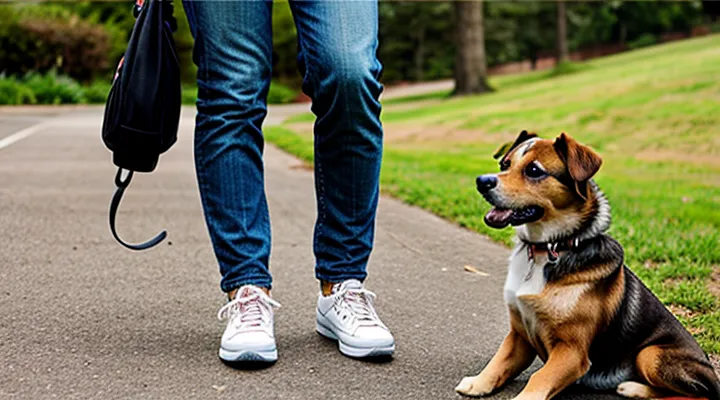
Introduction to Dog Trust
Understanding Canine Trust
As a canine behavior specialist, I define trust as a measurable pattern of voluntary interaction that occurs without signs of fear or defensive aggression. Trust manifests when a dog willingly approaches, maintains eye contact, and relaxes its body in the owner’s presence. These behaviors indicate that the animal perceives the human as a reliable source of safety and resources.
Observable indicators of full confidence include:
- Unrestrained approach to the owner, even in unfamiliar environments.
- Soft, relaxed ear position and a loose tail that wags at a moderate pace.
- Direct, calm eye contact without blinking or averting the gaze.
- Body posture that is low and open, with weight distributed evenly on all limbs.
- Willingness to expose vulnerable areas, such as the belly, and to accept gentle handling.
- Absence of growling, snarling, or retreat when the owner initiates contact.
To verify that these signs represent genuine trust rather than conditioned compliance, observe the dog’s reactions across varied contexts: during play, feeding, veterinary visits, and when strangers are present. Consistency of relaxed behavior under these conditions confirms a deep bond. Regularly reinforcing positive experiences-through calm voice, predictable routines, and respectful handling-strengthens the trust cycle and sustains the relationship over time.
The Importance of Trust in the Dog-Human Bond
As a canine behavior specialist, I emphasize that trust underpins every functional interaction between a dog and a person. When a dog perceives a human as reliable, physiological stress markers decline, and the animal becomes more receptive to guidance. This dynamic shapes learning capacity, safety, and overall well‑being.
Neurochemical research shows that mutual trust triggers oxytocin release in both species, fostering calm states and strengthening the bond. Reduced cortisol levels correspond with smoother obedience, fewer fear‑based reactions, and enhanced social engagement.
Observable signs of complete trust include: a loose, wagging tail without stiff arches; sustained, soft eye contact; willingness to approach and rest near the person; relaxed body posture even in unfamiliar settings; and a propensity to follow cues without hesitation. Absence of defensive growls, avoidance, or sudden flight responses further confirms the depth of trust.
The practical payoff of a trusted relationship manifests in accelerated training progress, lower incidence of aggression, and more reliable performance in real‑world tasks such as off‑leash walking or service work. Dogs that trust their handlers exhibit consistent compliance and demonstrate resilience during stressful events.
To cultivate this level of confidence, apply the following principles:
- Maintain predictable routines for feeding, exercise, and play.
- Use reward‑based reinforcement exclusively; avoid punishment or intimidation.
- Observe and respect the dog’s comfort zones; withdraw pressure when signs of tension appear.
- Provide regular, gentle physical contact to reinforce safety.
- Respond consistently to signals, ensuring that commands are clear and consequences are immediate.
Implementing these measures systematically transforms the dog‑human connection from mere coexistence to a partnership grounded in mutual trust.
Behavioral Indicators of Trust
Body Language Cues
Observing a dog’s body language provides reliable evidence of complete trust. When a canine feels secure, its physiological responses and posture shift in predictable ways.
- Relaxed facial muscles, soft eyes, and a slightly open mouth signal comfort. The absence of tension around the muzzle and ears indicates the animal does not perceive a threat.
- A loose, wagging tail held at mid‑height, rather than rigidly high or tucked, reflects confidence in the owner’s presence.
- The dog willingly exposes vulnerable areas, such as the belly or throat, by rolling onto its back or presenting the neck. This behavior demonstrates that the animal trusts the handler to protect those sensitive regions.
- Slow, deliberate blinking and a gentle, steady gaze replace rapid, wide‑eyed stares. Such eye contact conveys calm engagement without intimidation.
- Physical closeness, including leaning against the owner, resting a paw on the leg, or choosing to sit in the owner’s lap, shows reliance on the human for support.
- A calm, rhythmic breathing pattern, often accompanied by a low‑frequency sigh, indicates relaxation. Elevated panting or rapid respiration suggests anxiety rather than trust.
- The dog readily accepts handling-brushing, ear cleaning, or nail trimming-without evasive movements or defensive growls. Acceptance of close contact confirms the animal’s belief that the caretaker will not cause harm.
These cues, when observed together, form a comprehensive profile of a dog that fully trusts its human companion. Consistent monitoring of these signals enables owners to assess and reinforce the bond, ensuring the relationship remains secure and mutually respectful.
Relaxed Posture
A dog that feels secure in your presence will display a relaxed posture. Muscles stay loose, shoulders drop, and the animal’s weight is evenly distributed on all four limbs. The spine remains fluid rather than rigid, allowing the dog to shift position without tension.
Key indicators of this state include:
- Legs slightly bent, not locked in a stiff stance.
- Tail positioned low or gently wagging, without a rigid upward brace.
- Ears in a natural, neutral position, not pinned back or overly alert.
- Mouth slightly open, tongue visible, and breathing steady.
- Eyes soft, with a slow blink or a relaxed gaze rather than a hard stare.
When a dog adopts these characteristics while near you, it signals that the animal trusts you enough to let its guard down. Consistently observing this posture during interactions confirms a deep level of confidence in the human companion.
Soft Gaze and Blinking
A reliable gauge of a dog's complete trust lies in the quality of its eye contact. When a dog maintains a soft, relaxed gaze without tension in the eyelids, it signals that it feels safe and unthreatened. The pupil remains steady rather than dilated, and the overall expression appears calm.
Gentle blinking further confirms this state. A dog that slowly closes and reopens its eyes-often described as a "soft blink"-mirrors the human gesture of reassurance. This behavior reduces perceived aggression and demonstrates the animal’s willingness to engage without fear.
Key indicators of trust through gaze and blinking:
- Eye contact that is steady yet gentle, lacking a hard stare.
- Slow, deliberate blinks occurring during relaxed interactions.
- Absence of rapid eye movements or wide, alarmed pupils.
- Facial muscles relaxed, particularly around the mouth and ears, complementing the soft eye expression.
When these visual cues appear together, the dog communicates confidence in the human companion. Observing the consistency of soft gazes and slow blinks across various situations-feeding, play, or quiet moments-provides a clear metric for assessing the depth of the animal’s trust.
Loose Tail Wags
Understanding whether a dog fully trusts you requires careful observation of body language. One of the most reliable signals is a loose, sweeping tail wag. When a dog feels secure, the tail moves freely without tension, indicating relaxation and confidence in the human companion.
A loose tail wag differs from a stiff, high‑frequency shake that often accompanies excitement or anxiety. The relaxed motion originates from the base of the tail, creating a wide arc that reaches the sides of the dog’s body. This movement is accompanied by a soft, rhythmic cadence rather than a rapid, jittery flick.
Key characteristics of a trust‑based tail wag:
- Amplitude: The tail swings far enough to touch or brush against the dog’s hindquarters, showing no restriction in movement.
- Speed: The wag is moderate, neither frantic nor sluggish, reflecting a calm emotional state.
- Position: The tail rests in a natural, slightly lowered line rather than being held rigidly upright.
- Synchronization: The wag aligns with other relaxed signals such as softened eyes, open mouth, and a loose body posture.
When these elements appear together, they confirm that the dog perceives you as a safe, dependable presence. Observing the tail in conjunction with the broader behavioral context provides a clear, objective assessment of canine trust.
Showing Belly
As a canine behavior specialist, I recognize a dog’s exposed belly as a primary indicator of deep trust. When a dog voluntarily rolls onto its back and presents its abdomen, the animal signals vulnerability and acceptance of the human’s presence.
Key aspects of this behavior include:
- Relaxed posture: Muscles are loose, ears may be slightly back, and the dog shows no signs of tension.
- Steady breathing: Respiratory rhythm remains even, without rapid panting that often accompanies anxiety.
- Open eyes: The dog maintains a soft, unblinked gaze, indicating comfort rather than fear.
- Absence of defensive actions: No growling, snapping, or attempts to flee accompany the exposure.
These elements together confirm that the dog perceives the owner as a safe protector. Consistent reinforcement-gentle petting, calm voice, and avoidance of sudden movements-strengthens the bond and encourages the animal to repeat the behavior. Observing the belly presentation alongside the listed cues provides reliable evidence that the dog has placed complete trust in you.
Vocalizations
As a certified canine behavior specialist, I identify vocal cues that reliably indicate a dog’s complete trust in a person.
- Soft, continuous whining while maintaining eye contact shows the dog seeks reassurance and feels safe enough to expose vulnerability.
- Gentle, rhythmic sighs released after a calm interaction signal satisfaction and acceptance of the handler’s presence.
- Low, throaty hums emitted during close physical contact, such as while being petted, reflect contentment and a willingness to stay near the trusted individual.
- Brief, high‑pitched “yips” accompanied by relaxed body posture indicate excitement to engage, a sign the dog perceives the person as a source of positive experiences.
- Subtle, intermittent “grumbles” that lack aggression, heard when the dog is being gently guided, demonstrate confidence that the handler will not cause harm.
These vocalizations, when observed consistently alongside relaxed posture, loose tail carriage, and willingness to approach, confirm that the dog places full confidence in the owner’s intentions. Recognizing them enables owners to reinforce the bond and respond appropriately to maintain trust.
Gentle Whimpers
As a canine behavior specialist, I observe that gentle whimpers constitute a nuanced indicator of deep trust. When a dog emits low‑volume, trembling vocalizations in a calm setting, it signals a willingness to communicate vulnerability without demanding immediate attention.
These sounds typically appear under specific conditions:
- The dog is relaxed on a familiar surface, such as a mat or couch, while maintaining eye contact with the owner.
- The whimper occurs during brief separation moments, for example, when the owner steps away to fetch a treat, and the dog resumes normal behavior within seconds of return.
- The vocalization is accompanied by soft body language: loose ears, a slightly wagging tail, and a relaxed posture.
Interpretation requires attention to context. A gentle whimper that ceases when the owner offers reassurance-through a calm voice, a light hand on the shoulder, or a brief petting session-demonstrates that the dog feels safe enough to expose uncertainty and trust the human to resolve it. Conversely, persistent, high‑pitched whimpering paired with tense muscles indicates anxiety rather than trust.
To reinforce this trust signal, follow these steps:
- Acknowledge the whimper with a soothing tone, avoiding abrupt commands.
- Provide a brief, consistent physical cue-such as a gentle hand on the chest-to convey stability.
- Reward the dog with a low‑key treat or praise immediately after the whimper subsides, linking the expression to a positive outcome.
Consistent response to gentle whimpers cultivates an environment where the dog perceives the owner as a reliable source of comfort, thereby solidifying full trust.
Soft Barks
Soft barks-low‑volume, gentle vocalizations-serve as reliable indicators that a dog feels secure in your presence. When a dog trusts you, it adopts a calm, non‑aggressive tone that differs from sharp, alert barking used to warn or demand attention. The following characteristics define trustworthy soft barks:
- Pitch remains low and steady, lacking the rapid rise typical of fear or excitement.
- Duration is brief, often accompanied by a relaxed body posture: loose tail, softened eyes, and loose jaws.
- Context aligns with positive interactions, such as receiving a treat, gentle petting, or during quiet play.
- The dog may combine the bark with a slight wag or a nuzzle, reinforcing the message of affection rather than warning.
Observing these cues alongside other trust signals-such as exposing the belly, maintaining eye contact without avoidance, and following your commands calmly-confirms that the canine perceives you as a safe, reliable companion. Consistent reinforcement of gentle communication encourages the continuation of soft barks, strengthening the bond and ensuring the dog’s confidence in the relationship.
Physical Interactions
Physical contact provides the most reliable evidence of a dog’s confidence in its owner. When a dog willingly initiates or accepts touch, it signals that the animal perceives the human as safe and non‑threatening.
Key physical interactions that demonstrate complete trust include:
- Relaxed body posture during petting - muscles remain loose, shoulders drop, and the dog does not tense when pressure is applied.
- Belly exposure - the dog rolls onto its back and invites a belly rub, indicating vulnerability is accepted.
- Leaning against the owner - the dog presses its weight onto the person, using the body as a brace for support.
- Following hand movements - the dog tracks the owner’s hands without hesitation, allowing close proximity to the face and eyes.
- Gentle mouth contact - the dog offers a soft lick or mouth touch, a behavior that would be absent if fear were present.
- Resting head on the owner’s lap or hand - the dog places its head in a position that would be uncomfortable if it felt insecure.
Observing these behaviors consistently, rather than sporadically, confirms that the dog’s trust is comprehensive. An expert assessment should consider the frequency, context, and the dog’s baseline temperament to avoid misinterpreting temporary compliance as deep trust.
Leaning on You
Observing a dog’s tendency to rest its weight against you provides a reliable indicator of deep trust. When a dog leans, it signals that the animal perceives you as a safe anchor, capable of supporting its physical and emotional needs.
- The dog positions its chest or torso directly on your leg, arm, or torso without hesitation.
- The contact is sustained for several seconds, often accompanied by relaxed breathing and a soft, steady tail.
- The animal maintains eye contact or briefly glances away, showing comfort rather than alertness.
These behaviors differ from casual proximity. A dog that merely sits nearby may still be assessing the environment, whereas a lean demonstrates acceptance of vulnerability. The act reduces the animal’s need to monitor its surroundings, indicating confidence in the human’s presence.
Additional cues reinforce the interpretation:
- The dog’s ears remain in a neutral or slightly forward position, not pinned back in fear.
- Vocalizations are low‑pitched or absent, reflecting calmness.
- The dog’s body language remains loose; shoulders are not tensed, and the posture is not rigid.
When these elements converge, the dog is communicating that it trusts you enough to rely on you for physical support. Recognizing and responding positively-by staying still, offering gentle reassurance, and avoiding sudden movements-strengthens the bond and encourages further expressions of trust.
Seeking Physical Contact
When a dog repeatedly initiates tactile interaction, it signals a deep level of trust. The animal perceives the human as a safe source of comfort, allowing proximity without fear of injury.
Physical cues include:
- Nudging with the nose or head: the dog pushes its snout against the hand, arm, or leg, inviting contact.
- Leaning against the body: weight placed on a person’s leg or torso indicates reliance on the owner for support.
- Rolling onto the back: exposing the belly while remaining relaxed shows the dog trusts the person not to cause harm.
- Seeking lap or lap‑like surfaces: choosing to sit in a lap or on a chair near the owner demonstrates a desire for closeness.
- Following and maintaining proximity: the dog stays within arm’s reach, even in unfamiliar environments, to stay physically connected.
These behaviors differ from casual affection; they are persistent, voluntary, and occur without hesitation. A dog that consistently seeks touch, even in potentially stressful situations, has concluded that the human consistently provides safety and security. Recognizing these patterns allows owners to assess the strength of the bond and respond with appropriate reinforcement, further solidifying mutual trust.
Allowing Handling of Paws and Mouth
A dog that willingly lets you touch its paws demonstrates a high level of trust. When the animal remains relaxed, eyes soft, and body weight evenly distributed on all legs, it signals that the handling is not perceived as a threat. Any flinching, rapid withdrawal, or tense muscles indicate lingering apprehension.
Mouth handling follows the same principle. A dog that permits gentle opening of its mouth for a dental check or brush without snapping, growling, or trying to escape shows confidence in the handler. The jaw should stay loose, and the tongue may rest calmly on the floor.
Key observations for assessing trust through paw and mouth handling:
- Dog approaches the hand voluntarily when you reach for a paw or mouth.
- Contact is brief and calm; the dog does not pull away or exhibit defensive posture.
- Ear position is neutral or slightly forward, not flattened against the head.
- Breathing remains steady, without rapid panting or audible stress sounds.
Consistent tolerance of these interactions over multiple sessions confirms that the dog fully trusts the caregiver. Regular, gentle practice reinforces the bond and reduces the likelihood of fear‑based reactions.
Situational Manifestations of Trust
Comfort in New Environments
A dog that trusts its owner will seek calm and confidence when encountering unfamiliar settings. Comfort manifests through observable behavior, allowing the observer to gauge the depth of the bond.
When a dog enters a new environment, a trusted human provides consistent cues: steady voice, relaxed posture, and predictable movements. These signals reduce anxiety, enabling the animal to explore without hesitation. The presence of a calm leader signals safety, prompting the dog to focus on the surroundings rather than on potential threats.
Key indicators that a dog feels secure in an unfamiliar place include:
- Approaching the owner first before investigating the area.
- Maintaining a relaxed, open body posture (soft ears, loose tail, steady breathing).
- Engaging in normal social behaviors such as tail wagging, gentle nudges, or seeking physical contact.
- Exhibiting spontaneous play or curiosity toward novel objects without signs of avoidance.
- Remaining responsive to commands and cues without excessive hesitation.
To reinforce comfort, follow these steps:
- Arrive at the new location before the dog, allowing you to assess hazards and establish a safe zone.
- Introduce the environment gradually: let the dog sniff, then move a short distance away while maintaining eye contact.
- Use a calm, encouraging tone when the dog approaches, rewarding forward movement with treats or praise.
- Keep routines consistent-feed, walk, and rest times should mirror familiar patterns, providing a predictable framework.
- Monitor stress signals (cowering, excessive panting, trembling) and withdraw to a known safe space if they appear.
By systematically observing these behaviors and applying controlled exposure, an owner can confidently determine that the dog has placed complete trust in their guidance, even amid novel surroundings.
Exploring Confidently
Understanding a dog’s trust requires observation of consistent, low‑stress behaviors. When a dog feels secure, it displays relaxed body language, willingly shares resources, and seeks proximity without hesitation.
Key indicators of full trust include:
- Tail held low or neutral, not rigid or constantly wagging.
- Ears relaxed, not pinned forward or back.
- Soft eye contact paired with a calm gaze.
- Willingness to expose vulnerable areas, such as belly or throat, during petting.
- Absence of defensive posturing when approached from any direction.
- Immediate compliance with simple commands without signs of fear or aggression.
Confident exploration involves testing these signals in varied situations. Begin with short, controlled exposures: invite the dog to walk beside you while maintaining a steady pace, then pause and allow the animal to approach and sniff your hands. Observe whether the dog initiates contact or retreats. Progress to unfamiliar environments-quiet parks, busy streets-and monitor the same cues. A dog that remains composed, follows your lead, and seeks reassurance through eye contact demonstrates deep trust.
Practical steps for owners:
- Establish a predictable routine; consistency reduces anxiety and reinforces reliability.
- Use calm, steady vocal tones; abrupt volume shifts trigger alertness.
- Offer treats from an open palm rather than a closed fist; this encourages open‑hand interaction.
- Respect personal space; avoid forcing contact when the dog shows hesitation.
- Reinforce calm behavior with praise; reward should be immediate to link the action with positive feedback.
When these practices are applied systematically, the dog’s willingness to expose vulnerability and maintain close physical proximity confirms a comprehensive level of trust. Recognizing and nurturing these signs builds a partnership grounded in mutual confidence.
Staying Close to You
A dog that consistently chooses to remain near you demonstrates a deep level of trust. This proximity is not incidental; it reflects the animal’s assessment of safety, predictability, and emotional connection. Recognizing the specific ways a dog stays close can help owners gauge the strength of the bond.
When a dog follows you from room to room, it signals confidence in your presence as a source of security. The animal’s willingness to occupy the same space, even while you perform routine tasks, indicates that it perceives no threat. This behavior contrasts with avoidance or retreat, which suggest uncertainty.
Physical contact reinforces trust. A dog that leans against your leg, rests its head on your lap, or seeks to be petted while you are stationary is expressing reliance on tactile reassurance. Such gestures occur without prompting, underscoring an intrinsic desire for closeness.
Vigilant attention to your actions also reveals trust. A dog that watches your movements, mirrors your pace, and adjusts its behavior to match yours is actively synchronizing with you. This mirroring shows the animal’s confidence that your decisions will protect its well‑being.
A reliable indicator of trust is the dog’s calmness when you are away. If the animal remains relaxed, does not exhibit excessive barking or pacing, and returns promptly upon your return, it confirms that the period of separation did not erode its sense of security.
Key signs that a dog stays close because it trusts you:
- Follows you from room to room without hesitation.
- Initiates physical contact (leaning, head on lap) unprompted.
- Mirrors your pace and adjusts behavior to align with yours.
- Remains calm during short absences and greets you promptly.
- Sleeps near you or chooses to rest in your immediate vicinity.
Observing these behaviors provides a practical framework for assessing the depth of a dog’s trust. Consistency across multiple signs strengthens the conclusion that the animal perceives you as a reliable, safe companion.
Responsiveness to Commands
A dog that consistently obeys commands demonstrates a high level of trust. When a canine chooses to act on a cue, it signals confidence that the handler’s intentions are predictable and safe.
Key behaviors indicating reliable responsiveness include:
- Immediate reaction to a known cue (sit, stay, come) without hesitation.
- Execution of the command even in the presence of distractions such as other animals, noises, or unfamiliar environments.
- Maintenance of the behavior until released, showing understanding of the command’s duration.
- Willingness to attempt new or complex tasks after brief instruction, reflecting confidence in the handler’s guidance.
- Absence of avoidance signals-no turning away, retreating, or ignoring the cue.
These responses arise from a learned association between the handler’s signals and positive outcomes. Consistency in training, clear communication, and reinforcement of correct actions strengthen the bond, encouraging the dog to trust that compliance leads to reward or safety.
To evaluate trust through responsiveness, follow a structured test:
- Issue a familiar command in a calm setting; note latency and correctness.
- Introduce a mild distraction (e.g., a toy rattling nearby) and repeat the command; observe if the dog maintains compliance.
- Increase the complexity by adding a secondary cue (e.g., “sit” followed by “stay”); assess if the dog follows the sequence without prompting.
- Conclude with an unfamiliar environment (e.g., a park) and deliver a simple command; successful execution confirms that trust extends beyond familiar territory.
Consistent performance across these stages indicates that the dog trusts the handler enough to prioritize the command over competing stimuli. This trust is reinforced each time the dog experiences predictable, fair outcomes after obeying.
Consistent Obedience
As a canine behavior specialist, I observe that a dog’s willingness to obey reliably reveals a deep level of trust in its human companion. Consistent obedience emerges when the animal perceives the owner as a predictable source of safety and guidance.
Key indicators of this trust include:
- Immediate response to basic commands (sit, stay, come) even in distracting environments.
- Voluntary execution of less‑common cues, such as “place” or “leave it,” without hesitation.
- Absence of resistance or avoidance when asked to perform tasks that require physical proximity, like leashing or grooming.
- Calm demeanor during unexpected changes, such as sudden noises or new people, while still following instructions.
- Regular eye contact while awaiting direction, reflecting confidence in the owner’s decisions.
These behaviors result from a stable reinforcement pattern. The owner must deliver clear signals, apply consistent timing for rewards, and maintain a calm, assertive presence. Any deviation-irregular command structure, intermittent praise, or unpredictable reactions-weakens the dog’s confidence and reduces obedience reliability.
In practice, reinforce consistency by:
- Using identical verbal cues and hand signals for each command.
- Rewarding correct responses immediately, preferably with high‑value treats or praise.
- Limiting corrections to the moment of non‑compliance, avoiding delayed reprimands.
- Conducting short, frequent training sessions to sustain engagement without overwhelming the animal.
When these elements align, the dog’s obedience becomes a dependable measure of trust, indicating that the animal views the owner as a secure leader and source of guidance.
Eye Contact During Training
Eye contact during training provides a reliable metric of a dog’s confidence in its handler. When a dog consistently looks at you on cue, maintains gaze while performing tasks, and seeks visual reassurance in new situations, it demonstrates that the animal perceives you as a safe source of information.
Key observations that confirm trust through eye contact include:
- Immediate response to a “watch me” cue without hesitation.
- Steady, relaxed gaze rather than rapid blinking or averting the eyes.
- Frequent glances toward the handler during problem‑solving or when encountering novel stimuli.
- Seeking eye contact after a mistake, indicating a desire for guidance rather than avoidance.
Training methods that strengthen this visual bond are straightforward. Begin each session with a brief “look” command, rewarding any brief fixation with a high‑value treat or a calm voice affirmation. Gradually increase the required duration, ensuring the dog remains relaxed; a tense stare signals discomfort and should be met with a brief pause. Incorporate eye contact into cue chains-require a glance before delivering the next command-to reinforce the expectation that visual connection precedes instruction.
Consistent practice of these steps results in a clear, observable pattern: the dog chooses to look, maintains focus, and uses that connection to navigate challenges. This pattern serves as concrete evidence that the animal fully trusts its human partner.
During Vulnerable Moments
A dog that fully trusts you will reveal that confidence most clearly when it is vulnerable. In moments such as sleeping, receiving medical care, or being handled while frightened, the animal’s behavior shifts from guarded to open if the bond is strong.
When a dog lies down and exposes its belly, it is not merely seeking a scratch; the posture indicates a willingness to present its most defenseless side. If the dog remains relaxed, eyes soft, and does not tense muscles, the trust is evident.
During veterinary examinations or grooming, a trusted dog will allow close contact without growling, retreating, or attempting to escape. The absence of a stiff body, a lowered tail, or rapid panting signals comfort with the caretaker’s proximity. A calm, steady breathing pattern further confirms acceptance of the situation.
Feeding time offers another reliable indicator. A dog that eats in the owner’s presence, does not guard the bowl, and may even share leftovers demonstrates confidence that the person will not exploit its resources. If the animal looks up, wagging its tail gently, it signals reassurance.
The following checklist summarizes observable signs of trust in these critical moments:
- Belly exposure while lying down, accompanied by relaxed muscles.
- Uninterrupted eye contact with a soft gaze during handling.
- Absence of defensive vocalizations (growls, whines) when approached.
- Steady, unlabored breathing while being examined or groomed.
- Willingness to eat near the owner, without resource guarding.
- Gentle tail wag or slight body sway when the owner is near during stress.
These behaviors, measured consistently across various vulnerable scenarios, provide a reliable gauge of a dog’s complete trust in its human companion.
Sleeping Near You
As a certified canine behavior specialist, I observe that a dog choosing to sleep beside you is one of the strongest indicators of unconditional trust. The behavior reflects a willingness to expose the most vulnerable part of the animal-their body while unconscious-to a human they perceive as safe.
When a dog settles down near you, several specific actions confirm the depth of the bond:
- Full-body contact: The dog lies with its torso, limbs, and head directly against you, rather than maintaining a distance or merely resting its paws nearby.
- Relaxed musculature: No tension in the neck, shoulders, or tail; the animal appears limp and at ease.
- Steady breathing: A regular, unhurried respiration pattern signals a calm state, contrasting with rapid, shallow breaths that accompany anxiety.
- Absence of guarding: The dog does not position itself to protect a hidden area or keep an eye on the door; it remains still and unalert.
- Comfortable posture: The animal may curl fully around your leg or stretch out, both showing confidence in the shared space.
These signs differ from superficial proximity, such as a brief sit on your lap. True trust involves the dog relinquishing its instinctual need for vigilance while vulnerable. If the animal consistently repeats this sleeping behavior across various environments-home, a friend's house, or a veterinary clinic-it confirms a robust, trust-based relationship.
To foster this level of confidence, maintain predictable routines, provide gentle physical contact, and avoid abrupt movements or loud noises during rest periods. Consistency reinforces the dog's perception of you as a reliable protector, encouraging continued nighttime companionship.
Allowing You to Access Their Food/Toys
When a dog willingly lets you handle its food bowl or toy, it signals a high level of trust. The animal perceives you as non‑threatening and expects no loss of resources, indicating that the bond has moved beyond basic obedience.
Key behaviors that accompany this permission include:
- The dog remains relaxed while you approach the bowl or toy, shoulders down, tail low but steady.
- It pauses before eating or playing, allowing you to intervene without hesitation.
- Eye contact is soft, not fixed or wary, and the dog does not retreat when you touch the item.
These actions reveal that the dog trusts you to respect its needs. Consistently respecting the dog’s boundaries-returning food promptly, returning toys after inspection, and never using the access as punishment-reinforces the trust and deepens the relationship.
Building and Maintaining Trust
Consistent Positive Reinforcement
Consistent positive reinforcement builds a reliable communication channel between a dog and its caregiver, allowing the animal to predict outcomes and feel secure. When rewards follow desired behaviors every time, the dog learns that the caregiver’s signals are dependable, which is a core element of trust.
The method involves delivering a pleasant consequence-food, praise, or play-immediately after the target action and repeating the pattern across varied situations. Predictability eliminates uncertainty, encouraging the dog to approach the caregiver without hesitation.
Trust emerges because the dog recognizes that the caregiver’s presence consistently leads to positive experiences rather than punishment or ambiguity. This reliability reduces stress hormones and promotes relaxation, observable in the dog’s willingness to explore, seek proximity, and accept handling.
To implement the technique effectively:
- Choose a high‑value reward that the dog readily accepts.
- Pair the reward with a clear cue (verbal or gestural) each time the desired behavior occurs.
- Maintain the same timing and magnitude of the reward for each instance.
- Gradually increase distractions while preserving the reward schedule.
- Phase out the reward slowly, replacing it with intermittent reinforcement once the behavior is stable.
Behavioral signs that the dog has developed full trust through this process include:
- Approaching the caregiver voluntarily, even in unfamiliar environments.
- Resting body weight on the caregiver’s lap or torso without tension.
- Allowing close physical contact, such as ear or paw handling, without flinching.
- Exhibiting calm panting and relaxed posture when the caregiver is present.
- Showing eagerness to follow cues, indicating confidence in the caregiver’s guidance.
These observations confirm that the dog perceives the caregiver as a consistent source of safety and pleasure, the hallmark of complete trust.
Reward-Based Training
Reward‑based training provides a clear window into a dog’s trust. When a dog willingly engages in a session, anticipates positive outcomes, and shows calm focus, these behaviors confirm confidence in the handler.
A dog that trusts you will:
- Approach the training area without hesitation.
- Maintain eye contact while waiting for a cue.
- Exhibit relaxed body language, such as loose shoulders and a soft tail.
- Accept treats or praise from a distance, indicating comfort with proximity.
- Persist through mild distractions, demonstrating reliance on the established reward system.
Consistency in delivering rewards reinforces the association between the handler’s signals and positive results. Over time, the dog learns that the handler’s cues are reliable, reducing anxiety and increasing voluntary participation.
Key elements of an effective reward‑based program include:
- Immediate reinforcement following the desired behavior, ensuring the dog links the action to the reward.
- High‑value incentives tailored to the individual dog’s preferences, which sustain motivation.
- Gradual escalation of difficulty, allowing the dog to succeed at each step before advancing.
When these components are applied correctly, the dog’s willingness to seek out training, to perform tasks for praise, and to remain composed in novel situations serves as concrete evidence of complete trust.
Predictable Routines
A dog that fully trusts you will rely on consistent daily patterns. Predictable feeding times, walk schedules, and bedtime rituals create a sense of security that the animal interprets as reliability. When the owner adheres to these routines without deviation, the dog learns that expectations are stable and that the human will meet its needs.
Observable signs linked to routine consistency include:
- Prompt eagerness at the usual feeding hour, followed by calm waiting if the meal is delayed by a few minutes.
- Immediate approach and relaxed posture when the leash is taken out at the expected moment for a walk.
- Gentle greeting at the door at the same hour each evening, accompanied by a lowered tail and soft eyes.
- Acceptance of brief separations during known work periods, demonstrated by a relaxed lying position and lack of excessive vocalization.
Disruption of established patterns-such as erratic feeding or irregular exercise-often triggers anxiety behaviors: pacing, whining, or destructive chewing. Maintaining a fixed timetable reduces these responses, confirming that the dog perceives the owner as dependable.
In practice, record the times of core activities for a week, then compare the dog’s behavior during days that follow the schedule versus days that diverge. Consistent calmness and willingness to engage during scheduled events confirm that the animal places its trust in the owner’s predictability.
Respecting Their Boundaries
As a canine behavior specialist, I observe that a dog’s willingness to let you set limits reveals the depth of trust it places in you. When a dog respects the boundaries you establish, it signals confidence that you will protect its well‑being and act predictably.
Key indicators of boundary respect include:
- The dog pauses before crossing a line you have set (e.g., a doorway or a specific area) and looks to you for permission.
- It refrains from jumping on people or furniture after you have asked it not to, even when excited.
- It tolerates brief periods of separation without frantic searching or vocalizing.
- It accepts handling of sensitive body parts-paws, ears, tail-only after you ask and wait for a calm response.
Consistently applying clear, calm limits reinforces this trust. Use a steady voice, avoid sudden movements, and reward compliance with praise or a treat. If the dog tests a limit, respond immediately with a firm “no” and redirect to an acceptable behavior. Repetition solidifies the association between your cue and the expected response.
Monitoring how the dog reacts to boundary enforcement provides a reliable measure of its trust level. A fully trusting dog will comply without aggression, will seek reassurance after a correction, and will maintain relaxed body language throughout the interaction.
Recognizing Stress Signals
Understanding a dog’s trust hinges on identifying moments when the animal feels safe versus when it experiences tension. Stress signals reveal breaches in confidence and, when consistently absent, suggest a deep bond.
Dogs display physiological and behavioral cues that betray discomfort. Recognizing these cues prevents misinterpretation of ambiguous actions as trust. The following indicators merit close observation:
- Tense body posture, shoulders raised, or a rigid spine.
- Tail tucked low, frozen, or rapidly wagging in a stiff manner.
- Ears flattened against the head or swiveling toward potential threats.
- Lip licking, yawning, or excessive panting unrelated to temperature or exertion.
- Avoidance of eye contact, prolonged staring, or sudden glances away.
- Pacing, restlessness, or repetitive shifting of weight.
- Whining, whimpering, or low growls that lack the deep, relaxed tone of contentment.
When these signs appear intermittently, they may reflect transient anxiety. Persistent presence, especially during interactions that should be reassuring-such as feeding, grooming, or calm petting-signals a lack of full trust. Conversely, a dog that consistently exhibits relaxed posture, soft eyes, a loose wag, and willingly seeks proximity demonstrates confidence in the owner’s reliability.
An expert assessment combines observation with context. Note the environment, recent changes, and the dog’s history. Correlate stress signals with specific triggers to differentiate situational nervousness from underlying mistrust. Over time, the reduction or elimination of stress cues, paired with proactive engagement (e.g., approaching the owner, initiating play, or resting in the owner’s lap), confirms that the dog perceives the human as a secure base.
Avoiding Punishment
A dog that trusts you will not react with fear or avoidance when you approach, will maintain relaxed body language, and will seek proximity even in unfamiliar situations. The most reliable way to cultivate and confirm this trust is to eliminate any form of punishment from daily interactions.
Punishment creates a conflict between the dog’s desire for safety and the owner’s expectations. When a corrective measure is perceived as a threat, the animal learns to associate the owner with discomfort rather than security. Over time, this association erodes willingness to approach, reduces spontaneous engagement, and masks true levels of trust.
To avoid punishment while still guiding behavior, follow these principles:
- Reward‑based reinforcement - deliver a treat, praise, or play immediately after the desired action. The clear link between behavior and positive outcome strengthens the dog’s confidence in the owner’s guidance.
- Timing - apply reinforcement within one to two seconds of the behavior. Delayed feedback loses relevance and may be misinterpreted as random.
- Consistency - use the same cue and reward each time. Inconsistent signals generate uncertainty, which the dog may interpret as a potential threat.
- Redirect undesirable actions - instead of scolding, present an alternative behavior that fulfills the same need (e.g., offer a chew toy when the dog bites furniture). The redirection avoids negative pressure while achieving the training goal.
- Maintain calm body posture - lower shoulders, avoid sudden movements, and keep a neutral facial expression. Dogs read subtle cues; a relaxed demeanor signals safety.
Observing the dog’s response to these methods provides concrete evidence of trust. Indicators include:
- Tail held at a natural height, not tucked.
- Ears forward or relaxed, not pinned back.
- Eyes soft, no prolonged staring.
- Willingness to approach for affection without hesitation.
- Calm panting or slow breathing during interaction.
When these signs appear consistently, the dog has internalized the belief that the owner’s presence is predictable and non‑threatening. Avoiding punishment therefore serves both as a training strategy and as a diagnostic tool for assessing the depth of canine trust.
Spending Quality Time
As a canine behavior specialist, I observe that a dog’s willingness to share uninterrupted moments with a person signals deep trust. When an owner consistently offers focused, calm interaction, the animal interprets the presence as safe and predictable.
Quality time means more than occasional walks; it involves deliberate, low‑stress engagement where the owner’s attention is undivided. The dog perceives this as a reliable source of comfort, which reduces vigilance and encourages openness.
Indicators that quality time has fostered trust include:
- Body relaxed, spine low, tail at ease rather than stiff or tucked.
- Direct, soft eye contact without rapid blinking or averting gaze.
- Willingness to rest head or paws on the owner’s lap or hand.
- Calm breathing, absence of panting unrelated to temperature or exertion.
- Approaching the owner for affection without hesitation.
Practical methods to provide meaningful shared moments:
- Sit on the floor or a low seat, allowing the dog to approach on its own terms.
- Engage in gentle petting sessions, focusing on areas the dog prefers (often chest, shoulders, base of tail).
- Conduct brief, quiet training drills that reinforce positive cues while maintaining a relaxed tone.
- Share a calm space during downtime, such as reading or watching television, permitting the dog to lie nearby.
- Offer slow, rhythmic walks where the pace matches the dog’s comfort level, pausing for sniffing and interaction.
Consistent allocation of these focused intervals confirms the animal’s confidence in the owner’s reliability. Over time, the dog’s behavior during such sessions becomes a reliable barometer of complete trust.
Engaging in Play
When a dog initiates or eagerly joins a play session, it signals a deep level of confidence in the human partner. Play requires vulnerability; the animal exposes its body, pauses to observe reactions, and accepts unpredictable movements. This willingness reflects a belief that the person will not exploit the moment for punishment or harm.
Key behaviors that demonstrate trust through play include:
- Spontaneous invitation: the dog brings a toy, nudges a hand, or barks in a tone that invites interaction without hesitation.
- Relaxed body language: loose posture, wagging tail at mid‑height, open mouth, and soft eyes persist throughout the activity.
- Quick recovery after roughness: if the play becomes boisterous, the dog resumes without signs of fear or avoidance, indicating assurance that any intensity is safe.
- Mutual eye contact: sustained gazes during fetch or tug‑of‑war show the dog expects the human to respond positively.
- Repetitive engagement: the animal returns to the same play routine daily, reinforcing the expectation of a reliable, enjoyable exchange.
These indicators collectively confirm that the dog perceives the owner as a trustworthy play companion. Consistent, positive play sessions strengthen this bond, reinforcing the animal’s confidence that the human will protect and respect its limits.
Regular Grooming and Care
Regular grooming is a direct indicator of canine confidence. When a dog allows a handler to handle its coat, ears, paws, and teeth without hesitation, the animal demonstrates complete trust. Consistent care creates a predictable routine, reducing anxiety and reinforcing the bond.
Key grooming practices that reveal trust include:
- Brushing the fur while the dog remains calm; resistance or avoidance signals lingering insecurity.
- Inspecting and cleaning ears; a relaxed posture and willingness to stay still indicate comfort with close contact.
- Trimming nails with minimal movement; a dog that does not attempt to flee shows reliance on the caregiver’s skill.
- Dental cleaning performed without aggressive pulling; acceptance of a mouth opening reflects deep trust.
Observing the dog’s body language during these sessions provides measurable evidence of trust. A loose, wagging tail, soft eyes, and a relaxed posture confirm that the animal feels safe. Conversely, stiff movements, tucked tail, or attempts to escape suggest incomplete confidence.
Maintaining a regular schedule-weekly brushing, monthly ear checks, quarterly nail trims, and biannual dental exams-strengthens this trust. Predictable timing allows the dog to anticipate care, reinforcing the perception that the owner is a reliable source of comfort and security.
Common Misinterpretations
Submission vs. Trust
Understanding the distinction between submission and genuine trust is essential for anyone seeking reliable cues that a dog fully trusts you. Submission occurs when a dog yields to perceived authority to avoid conflict; it may involve lowered posture, avoidance of eye contact, or a quick retreat when approached. Trust, by contrast, reflects a deeper, voluntary willingness to rely on the human for safety and comfort, manifesting in behaviors that persist even when no immediate threat exists.
Signs that a dog is merely submitting:
- Tail tucked low, often between the legs.
- Ears flattened against the head.
- Quick, brief eye contact followed by a glance away.
- Sudden movement away from the owner’s proximity.
Signs that a dog trusts you completely:
- Relaxed, wagging tail held at mid‑height or higher, often sweeping in wide arcs.
- Soft, open eye contact maintained without signs of tension.
- Body positioned close to you, including leaning, resting a paw, or lying belly‑up.
- Willingness to expose vulnerable areas-such as the throat or belly-without hesitation.
- Seeking proximity during stressful situations, such as thunderstorms or unfamiliar environments.
The transition from submission to trust often follows consistent, low‑stress interactions. Predictable routines, gentle handling, and respectful boundaries signal that the owner does not pose a threat. Over time, the dog replaces avoidance behaviors with proactive engagement, such as initiating contact, offering gifts (e.g., toys), and displaying calm excitement when the owner returns.
To foster trust, an expert recommends three practices:
- Predictable reinforcement - Deliver rewards and praise consistently for desired behaviors; avoid sudden punishments that could revert the dog to submissive postures.
- Physical space respect - Allow the dog to approach on its own terms; refrain from forcing contact when the animal shows hesitation.
- Emotional regulation - Maintain a calm demeanor during stressful events; dogs mirror the emotional state of their human companion, so steady composure reinforces safety.
When the listed trust indicators appear steadily across varied contexts, the dog’s reliance on you is no longer a defensive submission but a confident, enduring trust.
Dependency vs. Trust
From a behavioral science perspective, a dog’s reliance on a human can be split into two distinct mechanisms: dependency and trust. Dependency reflects a dog’s basic need for resources such as food, shelter, and safety. Trust indicates a willingness to expose vulnerability, to seek proximity without fear, and to accept the owner’s guidance in ambiguous situations.
Trust manifests in behaviors that go beyond mere need fulfillment. A dog that leans into a hand for a pat, exposes its belly while the owner is present, or follows a command when no reward is imminent demonstrates confidence that the human will not cause harm. In contrast, a dependent dog may sit patiently for a treat, wait by the door for a meal, or remain close simply to avoid hunger or exposure.
Key observations that differentiate the two:
- Eye contact: Steady, relaxed gaze without blinking rapidly suggests trust; fleeting glances while waiting for food indicate dependency.
- Body posture: Loose, wagging tail and open stance signal trust; stiff posture with ears back while awaiting a cue points to dependency.
- Response to uncertainty: Approaching an unfamiliar object or environment while the owner is present, without hesitation, reflects trust; hesitation or retreat until the owner intervenes shows dependency.
- Initiation of contact: Voluntary nudges, pawing, or seeking cuddles without a prompt illustrate trust; waiting for the owner to initiate contact primarily for feeding reveals dependency.
- Relaxation in the owner’s absence: Remaining calm when left alone for a short period indicates trust; restlessness, whining, or pacing signals dependency.
Understanding the balance between these mechanisms helps owners assess whether a dog truly trusts them or merely depends on them for necessities. A dog that consistently exhibits trust behaviors, even when resources are not immediately at stake, can be considered to have formed a deep, mutual bond with its caregiver.
Advanced Signs of Deep Trust
Shared Experiences
Understanding a dog’s complete trust hinges on the quality and consistency of shared experiences. An expert observer notes that trust manifests through predictable, cooperative behavior that persists across varied contexts.
Key indicators derived from joint activities include:
- The dog willingly follows commands in unfamiliar environments, demonstrating confidence that the owner will protect and guide.
- During walks, the dog remains close, does not pull away, and readily returns when called, even when distractions are present.
- In the presence of strangers, the dog shows calmness, allowing the owner to introduce new people without signs of anxiety or aggression.
- When the owner initiates physical contact-petting, grooming, or holding-the dog relaxes, leans into touch, and maintains eye contact without tension.
- The dog voluntarily shares resources, such as food or toys, by offering them to the owner or allowing the owner to handle them without guarding behavior.
These behaviors result from repeated, positive interactions that reinforce safety and reliability. Consistent reinforcement-rewarding calm responses, providing steady leadership, and respecting the dog’s boundaries-strengthens the bond. Over time, the dog internalizes the owner’s presence as a secure base, allowing the animal to explore, learn, and adapt without fear.
An expert recommends structuring daily routines to include varied shared tasks: training sessions, play, grooming, and exposure to new settings. Monitoring the dog’s reactions within each activity provides measurable evidence of trust. When the animal consistently displays the listed signs, the owner can conclude that the dog’s trust is complete and resilient.
Mirroring Your Emotions
Understanding a dog’s trust hinges on the subtle feedback loop created when the animal mirrors your emotional state. When a canine consistently reflects your calm, confident demeanor, it signals that the dog perceives you as a safe leader and feels secure enough to align its own affect with yours.
Observe these concrete indicators of emotional mirroring:
- The dog relaxes its body as you settle; shoulders drop, tail lowers gently, and breathing matches your rhythm.
- Eye contact remains soft and sustained, without darting or widening pupils, mirroring your steady gaze.
- Vocalizations echo your tone; a dog will respond to a calm voice with a low, contented whine rather than high-pitched whimpering.
- Playful gestures, such as nudging or pawing, occur in sync with your movements, showing the animal is tracking and replicating your energy.
These behaviors arise because dogs have evolved to read human affective cues. When you display confidence and tranquility, the animal’s nervous system synchronizes, producing the mirrored responses listed above. The consistency of this pattern across different contexts-feeding, walking, or resting-confirms that the dog trusts you enough to let its emotional state be guided by yours.
To reinforce this trust, maintain a steady emotional baseline. Avoid sudden spikes in tone or posture; instead, model the calm you expect the dog to adopt. Over time, the dog’s mirrored reactions will become more pronounced, providing a reliable metric that the animal fully trusts you.