
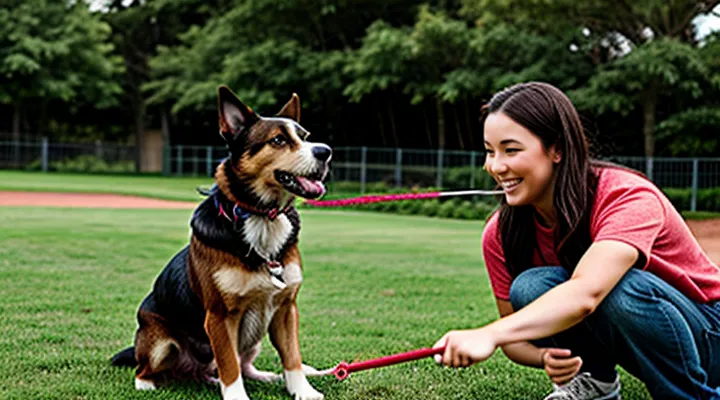
1. Introduction to Tug-of-War
Tug‑of‑war is a structured game in which a dog and its handler pull opposite ends of a sturdy rope or toy. The activity engages the animal’s natural instinct to grasp and pull, providing mental stimulation and a controlled outlet for energy. When performed correctly, it reinforces obedience cues, strengthens jaw muscles, and deepens the bond between dog and owner.
Key characteristics of a proper tug‑of‑war session include:
- Use of a durable, non‑destructible toy designed specifically for pulling.
- Clear start and stop signals, such as a distinct verbal command (“take it”) and a release cue (“drop”).
- Consistent hand positioning to maintain safety for both participants.
- Monitoring of the dog’s excitement level to prevent overstimulation or aggressive escalation.
An expert introduction emphasizes the rule‑based nature of the game. Before the first pull, the handler should demonstrate the designated commands, establish the toy’s ownership boundaries, and verify that the dog understands the expectation to release on cue. This foundation ensures that subsequent play remains enjoyable, disciplined, and free from unintended behavioral issues.
2. Benefits of Tug-of-War for Your Dog
2.1 Physical Benefits
Playing tug-of-war under proper guidelines provides measurable physiological advantages for both dog and handler. The activity engages large muscle groups in the canine forelimb, shoulder, and core, promoting hypertrophy and improved motor coordination. Repetitive pulling against resistance strengthens tendons and ligaments, supporting joint stability and reducing the likelihood of soft‑tissue injuries. The aerobic component of short, vigorous bouts elevates heart rate, enhancing cardiovascular endurance while simultaneously assisting in calorie expenditure, which helps maintain an optimal body condition score.
For the human participant, the game offers a functional strength workout. Gripping a sturdy rope activates forearm flexors, brachialis, and grip muscles, contributing to increased hand strength useful in daily tasks. The dynamic pull requires coordinated activation of the posterior chain-latissimus dorsi, trapezius, and gluteal muscles-thereby reinforcing posture and core stability. The intermittent high‑intensity effort improves aerobic capacity and supports metabolic health when incorporated into regular exercise routines.
Key physical outcomes
- Muscular development in canine forelimbs, shoulders, and trunk
- Enhanced joint resilience through tendon and ligament conditioning
- Improved canine cardiovascular fitness and weight management
- Increased human grip strength and forearm musculature
- Strengthened posterior chain and core stability for the handler
- Elevated aerobic capacity for both participants when performed consistently
2.2 Mental Benefits
As a certified canine behavior consultant, I observe that correctly executed tug-of-war delivers measurable mental advantages for dogs.
The activity engages the animal’s problem‑solving faculties. When the rope is presented, the dog evaluates force, timing, and grip, reinforcing neural pathways associated with strategic thinking. Repeated sessions sharpen these circuits, leading to quicker decision‑making in other contexts.
Impulse control improves markedly. The game imposes a clear “start” and “stop” cue; the dog learns to pause when the handler says “release.” This discipline transfers to everyday situations, reducing reactive aggression and enhancing obedience.
Stress levels decline. The rhythmic pull‑release pattern triggers the release of endorphins, which counteract cortisol spikes. Dogs display calmer behavior after a brief, focused session, indicating reduced anxiety.
Confidence rises as the dog masters a predictable yet challenging task. Successful participation reinforces self‑efficacy, encouraging exploration of new environments and interactions with other animals.
Cognitive stimulation persists beyond the session. The mental effort required to maintain engagement strengthens attention span, making training exercises more effective.
Key mental benefits include:
- Enhanced problem‑solving ability
- Strengthened impulse control
- Lowered stress and anxiety
- Increased confidence and self‑efficacy
- Improved focus and attention
Implementing tug-of-war with clear rules and consistent cues maximizes these outcomes while preserving safety for both dog and handler.
2.3 Strengthening the Bond
Playing tug-of-war correctly offers a direct avenue for deepening the relationship between a dog and its handler. The activity creates a shared focus, requiring both participants to read each other's signals and respond promptly. Consistent eye contact during the game reinforces mutual trust; the dog learns that the handler’s gaze signals safety and guidance.
Rewarding the dog the moment it releases the rope on command solidifies the association between obedience and positive outcomes. Use a distinct verbal cue such as “release” followed immediately by a treat or enthusiastic praise. This pattern teaches the dog that cooperation leads to reward, strengthening the emotional connection.
Maintaining a calm, steady posture prevents the dog from becoming overstimulated. A relaxed stance signals control, encouraging the dog to mirror that composure. When the dog exhibits signs of fatigue or overexcitement, pause the game, offer water, and resume only after the animal appears settled.
Regular, short sessions-five to ten minutes each-provide repeated opportunities for interaction without causing stress. Scheduling these intervals at consistent times builds predictability, which the dog perceives as reliability.
Key practices for bond enhancement:
- Use a specific, consistent command to start and end each round.
- Pair the release cue with an immediate, high‑value reward.
- Observe the dog’s body language; stop if tension builds.
- Keep the rope length appropriate for the dog’s size to ensure safe leverage.
- End each session with a brief period of gentle petting or a calm walk.
By integrating these elements, the tug-of-war exercise becomes more than a physical game; it transforms into a structured, trust‑building ritual that reinforces the partnership between dog and handler.
2.4 Addressing Common Misconceptions
Many owners assume that tug-of-war is inherently dangerous for dogs. The activity can be safe when proper techniques are applied, such as using a sturdy, non‑abrasive rope and maintaining a relaxed grip. Aggressive pulling does not automatically lead to injury; the risk arises from excessive force, rough handling, or inappropriate toys.
Common misconceptions often shape how people approach the game:
-
Misconception: A dog will become overly aggressive if allowed to tug.
Reality: Controlled tug sessions teach bite inhibition and reinforce obedience when the handler issues a “drop” command. -
Misconception: Only large breeds benefit from tug.
Reality: Medium and small dogs develop muscle tone and mental focus through the same principles, provided the toy size matches the dog’s mouth. -
Misconception: The game should never end once it starts.
Reality: Structured play includes clear start and stop cues; ending the session on a positive note prevents overexcitement. -
Misconception: Any household item can serve as a tug toy.
Reality: Items with sharp edges, loose threads, or toxic materials pose health hazards; purpose‑built tug toys are the only safe choice. -
Misconception: Continuous pulling builds stamina faster than short bouts.
Reality: Short, intermittent rounds with rest intervals improve endurance without overtaxing joints.
Addressing these false beliefs requires consistent training cues, appropriate equipment, and an understanding that the game is a controlled exercise, not a free‑for‑all battle. When owners apply these corrections, tug-of-war becomes an effective, low‑risk enrichment activity.
3. Choosing the Right Equipment
3.1 Selecting a Suitable Toy
Choosing the right tug toy is the first step toward a safe and effective game. The toy must withstand repeated pulling, fit comfortably in the dog’s mouth, and pose no choking hazard.
- Durability: Opt for high‑tensile rope, reinforced rubber, or sturdy fleece with double stitching. Materials that fray or split under tension should be avoided.
- Size and shape: The length should allow a firm grip for the handler while the diameter should be no larger than the dog’s snout. A tapered or knotted shape improves the animal’s hold.
- Safety: Non‑toxic, odorless fabrics reduce the risk of allergic reactions. Avoid toys with small detachable parts, metal rings, or loose seams.
- Grip: Textured surfaces such as woven fibers or rubberized coatings prevent slipping for both participants.
- Cleanliness: Select toys that can be machine‑washed or disinfected without degradation to maintain hygiene.
Common selections include braided cotton rope (minimum 1‑inch diameter for medium breeds), reinforced rubber “tug sticks” with a built‑in loop, and heavyweight fleece cords. Inspect each toy before play; replace any item showing signs of wear, fraying, or exposed stitching. Properly maintained equipment prolongs the activity’s enjoyment and protects the dog’s oral health.
3.2 Toy Materials
Choosing the right tug‑of‑war toy is critical for safety and effectiveness. The material must endure repeated pulling, resist chewing, and pose no choking risk.
- Durable rope: Natural cotton or woven hemp, at least 1 cm thick, provides grip and flex. Avoid frayed ends; trim them regularly.
- Rubber‑coated cords: A core of sturdy nylon wrapped in non‑toxic rubber adds comfort for the dog’s mouth while preventing splinters. Verify that the coating is free of BPA and phthalates.
- Canvas strips: Heavy‑weight canvas, reinforced with stitching, offers a firm surface. Double‑stitch seams to prevent tearing under tension.
- Synthetic fibers: High‑tenacity polyester or ballistic nylon resist water absorption and maintain strength in wet conditions. Ensure the weave is tight enough to prevent shredding.
Materials that melt, dissolve, or break easily-such as thin plastic, soft foam, or low‑grade vinyl-should be excluded. They can degrade quickly, create sharp fragments, and increase injury risk.
When selecting a toy, inspect for:
- Uniform thickness along the entire length.
- Secure, reinforced ends that can be held comfortably by the handler.
- Absence of loose fibers, knots, or exposed stitching.
Regular maintenance extends the toy’s lifespan. Wash canvas and rope with mild detergent, air‑dry completely, and replace any section showing wear beyond 2 mm depth. A well‑chosen material enhances the game’s enjoyment and protects both participant and dog.
3.3 Toy Size and Durability
When selecting a tug toy, match the dimensions to the dog’s mouth and bite force. A toy that is too small can be swallowed; one that is too large reduces the dog’s engagement and may cause strain on the handler’s grip.
- Measure the distance between the dog’s incisors at maximum opening; the toy’s width should be at least 1.5 × that measurement.
- Choose a length that allows both participants to maintain a firm hold without the dog reaching the handler’s hand; 12-18 inches works for medium‑to‑large breeds.
- Verify that the toy’s weight corresponds to the dog’s body mass; a general rule is 0.5 %-1 % of the dog’s weight.
Durability determines safety and longevity. Opt for materials that resist tearing, puncturing, and shredding under repeated stress.
- Reinforced nylon or woven polyester cords withstand high‑tension pulls better than cotton or rope.
- Double‑stitched seams prevent fraying; inspect seams after each session for signs of wear.
- Avoid toys with detachable components (e.g., squeakers) that could become choking hazards.
Replace any toy that shows frayed fibers, exposed cores, or broken knots. Regular inspection and timely replacement preserve the integrity of the game and protect the dog’s oral health.
4. Setting Up for a Successful Game
4.1 Choosing the Right Environment
When selecting a location for a tug‑of‑war session, prioritize safety, space, and surface conditions. A flat, non‑slippery area reduces the risk of injury to both dog and handler. Concrete or polished floors should be avoided; instead, opt for grass, carpet, or a rubber mat that provides traction without excessive hardness.
Consider the surrounding environment. Ensure there are no sharp objects, low‑lying furniture, or electrical cords within the dog’s reach. A fenced yard or a room with closed doors prevents accidental escape. If the activity takes place outdoors, verify that the weather is mild; extreme heat can cause dehydration, while rain creates slick surfaces.
Control distractions. Loud noises, other animals, or high foot traffic can break the dog’s focus and lead to unpredictable pulling. Choose a quiet corner of the house or a secluded spot in the yard where the dog can concentrate on the game.
Finally, assess the length of the tug rope relative to the space. The rope should not extend beyond the safe zone, preventing the dog from pulling the handler or itself into a hazard. A rope that fits comfortably within the defined area allows controlled exertion and smoother play.
4.2 Establishing Rules and Boundaries
As a certified canine behavior specialist, I define clear parameters before any tug session. Consistency prevents confusion and protects both animal and handler.
- Only use a designated rope or toy that is sturdy, non‑destructible, and easily recognizable as the tug object.
- Begin each game with a verbal cue such as “tug start.” The cue signals permission to engage.
- End the game with a distinct command like “tug stop” or “release.” The dog must drop the toy immediately upon hearing the cue.
- Maintain a firm grip on the rope at all times; never allow the dog to pull the toy away from the handler’s control.
- Restrict tug play to a safe, open area free of hazards and distracting stimuli.
- Prohibit aggressive biting, jumping, or lunging during the activity. If any of these behaviors occur, terminate the session instantly and revisit training basics.
- Set a maximum duration of 5-10 minutes per session to avoid overstimulation and fatigue.
These boundaries create a predictable framework, ensuring the game remains a constructive outlet for energy while reinforcing obedience and respect.
4.3 Training Basic Commands for Tug-of-War
Training basic commands establishes the framework for safe, enjoyable tug-of-war sessions. Begin each lesson with a clear cue, a short word or hand signal that the dog can associate with a specific action. Consistency in tone and gesture prevents confusion and accelerates learning.
Command list
- Take - present the rope, say the cue, and allow the dog to grasp. Reward the moment the mouth contacts the toy.
- Hold - once the dog has the rope, give a steady “hold” cue. Maintain a firm grip while the dog pulls gently; praise calm tension.
- Drop - introduce a distinct word such as “drop” paired with a release gesture. When the dog releases the rope, immediately offer a treat or a secondary toy.
- Wait - use “wait” to pause the game before resuming. Require the dog to remain stationary for a count of three before giving the “take” cue again.
Each command should be taught in isolation before integrating them into a full tug sequence. Use short, frequent sessions of five minutes to keep the dog focused. Reinforce correct responses with high‑value rewards; ignore or redirect undesired behavior without punishment. Gradually increase rope length and pulling intensity only after the dog reliably obeys the cues.
Safety measures include checking the rope for wear, keeping the play area free of obstacles, and monitoring the dog’s mouth for signs of fatigue. A disciplined command structure minimizes the risk of accidental bites and ensures that tug‑of‑war remains a controlled, rewarding activity for both dog and owner.
5. Playing the Game
5.1 Initiating the Game
Begin the tug-of-war session by confirming that both you and the dog are calm and attentive. Choose a sturdy, appropriately sized rope or tug toy; the material should be durable yet flexible enough to prevent dental injury. Hold the toy with a firm grip, keeping your hand near the base to maintain control. Signal the start with a clear, consistent cue-such as “tug” or a short whistle-so the dog recognizes the transition from idle to play. Ensure the dog’s mouth is on the designated end of the toy before releasing tension. Observe the dog’s posture: a relaxed stance, ears forward, and tail wagging indicate readiness, whereas stiff muscles or avoidance signs require a pause and reassessment. Once the cue is given and the dog engages, maintain a steady rhythm and avoid sudden jerks that could cause strain. This disciplined initiation sets the foundation for safe, enjoyable interaction.
5.2 Proper Technique for Holding the Toy
When engaging a dog in tug‑of‑war, the way you grip the toy determines both safety and effectiveness. Use a firm, two‑hand hold: place one hand near the base of the rope or plush toy, the other hand a few inches farther down the length. This dual grip distributes force, prevents the rope from slipping, and reduces strain on your wrist.
Maintain a neutral wrist angle; avoid bending backward or forward, which can cause injury under sudden pulls. Keep elbows close to the body, allowing the shoulders to absorb most of the tension. This stance provides stability and enables quick adjustments if the dog lunges.
Position the toy at chest height, not above the head or below the waist. An elevated position invites the dog to jump, increasing risk of a neck or back injury. A low position encourages the animal to stay grounded, promoting controlled pulls.
Apply steady pressure rather than intermittent jerks. Consistent tension teaches the dog to match force gradually, reducing the chance of a sudden release that could lead to a bite or a snapped rope.
Finally, inspect the toy before each session. Replace any frayed sections, loose knots, or damaged seams. A sound toy ensures the grip remains reliable throughout play.
5.3 Encouraging Play and Engagement
Effective tug-of-war hinges on the dog’s enthusiasm and focus. Begin each session with a brief warm‑up: a few minutes of loose leash walking or light fetch to raise heart rate and signal the upcoming activity. Use a dedicated rope or tug toy that is distinct from everyday chew items; the specific texture and scent help the dog recognize the game’s parameters.
To sustain interest, vary the rhythm and direction of pulls. Alternate between short, rapid tugs and longer, steady draws, pausing intermittently to let the dog release tension voluntarily. This pattern mimics natural prey behavior, keeping the canine mentally engaged.
Reward cues reinforce participation. When the dog initiates a grab or responds to a “take” command, deliver an immediate treat, praise, or a brief burst of enthusiastic voice. Consistent reinforcement conditions the dog to associate the game with positive outcomes, increasing willingness to re‑engage.
Implement clear boundaries to prevent overexcitement. Introduce a “release” command such as “drop” or “out,” followed by a quick hand signal. Practice the release several times per session, rewarding compliance with a treat or a brief pause in play. This teaches self‑control and reduces the risk of possessive behavior.
Maintain a predictable schedule. Conduct tug sessions at the same times each day-morning and evening-so the dog anticipates the activity. Predictability reduces anxiety and encourages the animal to approach the game proactively, rather than reacting out of uncertainty.
5.4 Knowing When to Let Go
When a dog engages in a tug session, the moment to release the rope must be judged by observable cues rather than arbitrary time limits. A sudden drop in the dog’s grip, a relaxed jaw, or a shift in body posture indicates that the animal is no longer exerting purposeful force. If the dog’s ears flatten, tail tucks, or breathing becomes rapid, the game may be escalating toward stress, and immediate release prevents escalation.
Physical signals also guide the decision. A loose paw placement, stumbling, or a stumble toward the handler signals fatigue. When the dog’s muscles visibly soften or its eyes lose focus, continue only if the animal initiates a new pull; otherwise, end the round. Consistent release at these moments reinforces self‑control and reduces the risk of overexertion or injury.
Safety considerations require the handler to monitor the rope’s tension. If the line becomes taut enough to cause the dog’s neck to strain or if the handler feels excessive resistance, disengage promptly. This protects both the canine’s neck and the handler’s hands from sudden jerks.
A practical checklist for determining release:
- Grip loosens or rope slides from the dog’s teeth.
- Body language shifts: ears back, tail low, breathing rapid.
- Muscle tone diminishes; dog appears tired.
- Rope tension reaches a level that could cause strain.
Applying these criteria ensures that each tug session remains a controlled, enjoyable exercise, preserving the dog’s enthusiasm while safeguarding health.
5.5 Ending the Game Appropriately
As a certified canine behavior specialist, I recommend concluding each tug session with a clear, consistent routine that reinforces obedience and safety.
- Observe the dog’s body language; stop the game when the animal shows signs of fatigue, excessive excitement, or attempts to bite the rope.
- Issue a firm release command such as “drop it” or “release,” and immediately let go of the tug toy.
- Offer a high‑value treat or a brief period of calm petting to reward compliance and signal that the activity has ended.
- Store the rope out of reach to prevent unsupervised play and to maintain the toy’s condition.
- Record the duration and any behavioral cues for future sessions, adjusting the length or intensity as needed.
Following this protocol ensures the dog associates the end of the game with calm behavior, reduces the risk of overstimulation, and supports ongoing training goals.
6. Common Mistakes to Avoid
6.1 Pulling Too Hard
Excessive force during a tug session can damage a dog’s teeth, jaw, and neck muscles. When the rope is pulled with overwhelming strength, the animal may instinctively lunge forward, increasing the risk of sudden jerks that stress the cervical spine. Repeated exposure to such strain can lead to chronic soreness and behavioral aversion to the game.
To keep the activity safe, follow these precise measures:
- Hold the toy with a relaxed grip; the hand should act as a buffer, not a rigid anchor.
- Match the dog’s pulling power; if the animal’s resistance exceeds your own, release tension gradually rather than resisting.
- Use a rope or toy designed for flexibility; stiff materials transmit force directly to the teeth and joints.
- Observe the dog’s body language; signs of stiffening, head shaking, or avoidance indicate the pull is too intense.
- End the round the moment the dog’s teeth slip off or the rope becomes taut; resume only after a brief pause.
Consistent application of these guidelines preserves oral health, maintains joint integrity, and reinforces a positive association with the game.
6.2 Allowing Growling or Aggression
When a dog growls or shows signs of aggression during a tug session, the behavior signals a boundary that must be respected. Allowing brief, controlled growling can help the animal learn self‑regulation, but any escalation beyond a low‑intensity warning requires immediate intervention.
- Stop the game the moment the growl increases in volume or pitch.
- Use a calm, firm voice to say “Enough” and release the rope.
- Offer a neutral cue such as “Drop it” and reward compliance with a treat.
- After the pause, assess the dog’s body language: stiff posture, fixed stare, or raised hackles indicate heightened arousal.
- If tension persists, end the session and provide a cooling‑off period of several minutes before attempting another round.
Consistent response to growling teaches the dog that the game continues only under calm conditions. Repeated exposure to unchecked aggression can reinforce undesirable patterns and jeopardize safety for both participants.
6.3 Not Having Clear Rules
When engaging a dog in tug‑of‑war, ambiguous expectations lead to confusion, overstimulation, and potential aggression. The animal may interpret an open‑ended game as permission to dominate, while the handler may unintentionally reward undesirable behavior. Clear, pre‑defined boundaries prevent these outcomes and keep the activity safe and enjoyable for both parties.
Establishing explicit rules involves three steps:
- Define the start and stop signals. Choose a distinct word or hand gesture to indicate when the game begins and a separate cue to terminate it instantly.
- Set permissible grip and force limits. Instruct the dog to hold the rope gently; if the dog clamps its jaws or pulls with excessive strength, the cue to stop is triggered.
- Specify acceptable locations. Restrict play to a non‑slippery surface and a designated area, eliminating the risk of the dog lunging toward furniture or other hazards.
Consistently applying these parameters reinforces the dog’s understanding of acceptable conduct. If the dog breaches any rule, pause the game, re‑issue the cue, and resume only after compliance. Repetition of this pattern conditions the animal to respect the established framework, ensuring that tug‑of‑war remains a controlled, rewarding exercise rather than a source of confusion or conflict.
7. Advanced Tug-of-War Techniques
7.1 Incorporating Obedience Commands
Integrating obedience cues into tug-of‑war reinforces training while maintaining control of the game.
Begin each session with a clear command such as “Sit” or “Stay.” The dog must comply before the rope is presented. This establishes a predictable start point and prevents premature lunging.
When the pull begins, use a short, distinct cue like “Hold.” The command signals the dog to maintain its grip without escalating excitement. Observe the dog’s posture; a relaxed stance indicates appropriate engagement, while tense muscles suggest overstimulation.
Introduce a release cue-commonly “Drop” or “Give.” Teach the dog to relinquish the rope on command by rewarding a quick surrender with a treat or praise. Practice the release several times per session to ensure the dog responds even when highly motivated.
Conclude the activity with a “Finish” or “All done” cue, followed by a calm walk away from the rope. This signals the end of play and transitions the dog back to a relaxed state.
Practical sequence for a typical round:
- Command “Sit” - dog sits, eye contact established.
- Command “Hold” - rope offered, dog grasps, gentle tug initiated.
- Command “Drop” - dog releases rope, receives immediate reward.
- Command “Finish” - play ends, brief calm period before next round.
Consistent use of these commands creates a structured environment, reduces the risk of aggression, and strengthens the dog’s responsiveness to everyday obedience cues.
7.2 Using Tug as a Reward
When training a dog to engage in tug‑of‑war, the game itself can serve as a powerful positive reinforcement. The moment the dog follows a cue-such as “take it” or “drop it”-the tug toy becomes the reward, linking the desired behavior directly to the activity the animal finds highly motivating.
Use the following protocol to implement tug as a reward effectively:
- Select an appropriate toy. Choose a durable rope or rubber tug that the dog can grasp securely without risking teeth damage.
- Establish clear cues. Teach distinct verbal commands for initiating and terminating the pull. Consistency prevents confusion and reinforces the association between cue and reward.
- Start with brief sessions. Offer the tug for a few seconds after the dog complies with the cue, then end the round with a release command. This creates a predictable pattern that the dog can anticipate.
- Gradually increase duration. As the dog reliably obeys, extend the pulling time before issuing the release. Longer pulls act as a higher‑value reward, encouraging sustained focus.
- Incorporate intermittent reinforcement. Occasionally withhold the tug after a correct response, rewarding instead with praise or a treat. This variability strengthens the behavior and reduces dependence on the toy alone.
- Monitor arousal levels. If the dog becomes overly excited, pause the game, ask for a calm behavior (e.g., sit), then resume. Maintaining a manageable excitement level prevents aggression and preserves the educational value of the activity.
- Terminate on a positive note. End each session with a calm “drop” command followed by a brief period of affection or a treat, reinforcing the idea that the game concludes with a pleasant outcome.
By treating the tug toy as the primary reward, trainers capitalize on the dog’s natural drive to pull, shaping obedience and impulse control without introducing extraneous incentives. The method reinforces desired actions, builds a reliable cue‑response chain, and preserves the fun element that keeps the dog engaged throughout training.
7.3 Advanced Toy Handling
Advanced toy handling elevates tug-of-war from a simple game to a controlled training exercise. Mastery of grip, tension, and release prevents injury and reinforces obedience.
Maintain a firm, two‑hand grip on the rope or tug toy. Position thumbs on the underside of the rope, fingers wrapped around the top. This configuration distributes pressure evenly across the wrist and reduces strain during sudden pulls.
Control tension by matching the dog’s force rather than overpowering it. When the dog lunges, allow a brief give‑away of slack; then re‑establish resistance. This rhythm teaches the animal to respond to consistent pressure cues.
Implement a clear release command. Choose a single word such as “drop” and pair it with a visual cue-lowering the toy toward the ground. Upon hearing the command, the handler releases grip immediately, allowing the dog to let go without struggle. Consistent execution conditions the dog to obey the cue reliably.
Rotate toys regularly. Different textures and diameters engage varied bite strengths and prevent habituation. Store each toy in a clean, dry area to avoid bacterial buildup that could cause oral infections.
Monitor wear indicators. Replace any toy showing fraying, splitting, or loss of structural integrity. A compromised toy can snap under load, posing a hazard to both handler and dog.
Practice advanced handling sessions in short intervals-five minutes, three times per day. Short, focused bouts maintain enthusiasm and prevent fatigue, ensuring the dog remains attentive to the handler’s cues.
By applying these techniques, the handler transforms tug-of-war into a disciplined activity that enhances physical fitness, impulse control, and the human‑dog bond.
8. Safety Precautions
8.1 Protecting Your Dog's Teeth
As a veterinary professional with extensive experience in canine oral health, I emphasize that the integrity of a dog’s teeth must be preserved during any tug‑of‑war session. The forces generated by a sudden pull can exceed the strength of a tooth’s supporting structures, especially when the dog bites the rope or toy with a closed jaw.
Key practices to safeguard dental health include:
- Select a tug toy made of soft, pliable material such as fleece or rubber; rigid rope or nylon can act as a dental lever.
- Trim the toy’s ends regularly to eliminate frayed fibers that could become sharp points.
- Encourage the dog to grasp the toy with an open mouth; discourage a full‑jaw bite by rewarding a relaxed grip.
- Limit the duration of each pull to 10-15 seconds, then release tension to prevent prolonged stress on the periodontal ligament.
- Inspect the dog’s teeth after each session; look for cracks, loose crowns, or gum inflammation and address any findings promptly.
- Provide a dental chew or water additive on non‑play days to promote enamel strength and reduce plaque buildup.
By integrating these measures, you maintain the enjoyment of tug‑of‑war while minimizing the risk of tooth damage, ensuring the activity remains a safe component of the dog’s overall exercise routine.
8.2 Monitoring for Overexertion
When engaging a dog in tug‑of‑war, continuous observation of physical signs prevents excessive fatigue. A rapid, shallow breathing pattern indicates the animal is approaching its aerobic limit; pause the game until normal rhythm returns. Look for a drooping tail, reluctance to maintain grip, or a slowed gait-each suggests muscle fatigue. Panting beyond normal recovery time, excessive drooling, or a trembling muzzle are additional warning cues.
Measure effort by timing short intervals of play followed by rest. A typical session should not exceed five minutes of active pulling for medium‑sized dogs; larger breeds may tolerate slightly longer periods, while small breeds require shorter bursts. Use a stopwatch or a phone timer to enforce consistent work‑rest cycles.
Monitor heart rate by placing a hand on the chest or using a pet‑compatible pulse monitor. A steady rate that spikes sharply above the dog's baseline during play, and does not normalize within a minute of rest, signals overexertion. In such cases, stop the activity, provide water, and allow a calm environment for recovery.
Document observations after each session: duration, intensity, and any fatigue indicators. Over time, this log reveals the dog's endurance threshold and guides adjustments to the game's length and intensity, ensuring safe, enjoyable interaction.
8.3 When Not to Play Tug-of-War
Playing tug-of-war can be a valuable training tool, but there are clear circumstances when the game should be avoided. Engaging in the activity under the following conditions can compromise safety, undermine behavioral goals, or damage the dog‑owner relationship.
- The dog shows signs of aggression, such as growling with a hardened stare, snapping without releasing the toy, or refusing to relinquish the object despite a command. These behaviors indicate a heightened arousal state that can quickly escalate.
- The dog is in poor physical health: joint pain, recent surgery, dental issues, or any condition that limits safe pulling. The sudden strain may exacerbate injuries.
- The environment is unsafe: slippery floors, crowded spaces, or proximity to fragile objects. A sudden tug can cause the dog or owner to lose balance and collide with hazards.
- The dog has not been taught a reliable “drop” or “release” cue. Without a consistent command, the game can reinforce possessiveness.
- The toy is inappropriate: frayed, too small, or made of material that can easily break into sharp pieces. A broken toy poses choking or ingestion risks.
- The owner is distracted, stressed, or unable to maintain full attention. Inattention reduces the ability to intervene promptly if the dog’s behavior changes.
When any of these factors are present, postpone the game and address the underlying issue first. Implement alternative exercises-such as controlled fetch, scent work, or obedience drills-until the dog’s behavior, health, or environment meets the criteria for safe tug play. This disciplined approach preserves the educational value of the game while protecting both participants.